
Catharine Lorillard Wolfe (1828–1887) — History & Facts
When Alexandre Cabanel painted Catharine Lorillard Wolfe (1828–1887) in 1876, he was capturing more than a likeness—he was immortalizing the first woman to become a major benefactor of the Metropolitan Museum of Art. Wolfe’s bequest in 1887 would transform the museum’s collection and set a precedent for American philanthropy in the arts. The portrait, commissioned during one of Wolfe’s frequent trips to Europe, stands as a testament to the close ties between American collectors and French academic painters in the late nineteenth century. Cabanel presents Wolfe at the height of her influence, seated with quiet assurance.
Her direct gaze meets the viewer, a mark of her self-possession, while the rich fabrics and subtle jewelry signal her wealth without ostentation. The soft, controlled light, a hallmark of Cabanel’s style, bathes her features in gentle clarity, lending her an air of approachability rather than aloofness. Unlike John Singer Sargent’s later portraits of American heiresses, which often shimmer with bravura brushwork and psychological tension, Cabanel’s approach is reserved, emphasizing dignity and composure over drama. The portrait’s journey has paralleled the rise of American art collecting.
Originally kept in Wolfe’s private collection, it became part of her estate’s historic bequest to the Metropolitan Museum of Art upon her death in 1887. Today, it hangs in the museum as both a record of Wolfe’s legacy and a fine example of Cabanel’s portraiture at the height of the Academic movement. The work remains a touchstone for scholars tracing the intertwined histories of American patronage and French academic painting.
More Artworks by Alexandre Cabanel
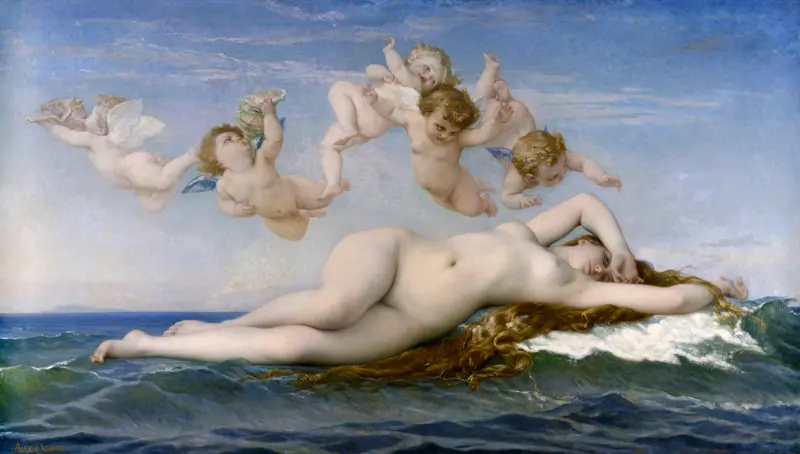
The Birth of Venus
Alexandre Cabanel
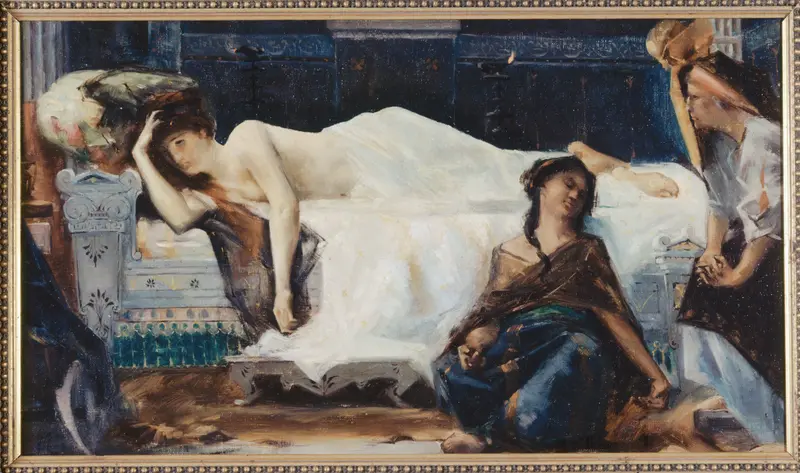
Phèdre
Alexandre Cabanel
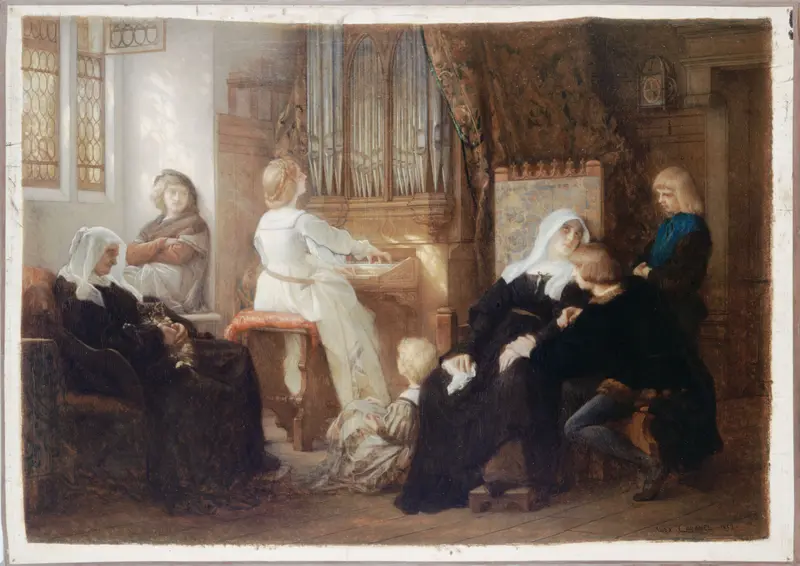
La veuve du maître de chapelle
Alexandre Cabanel
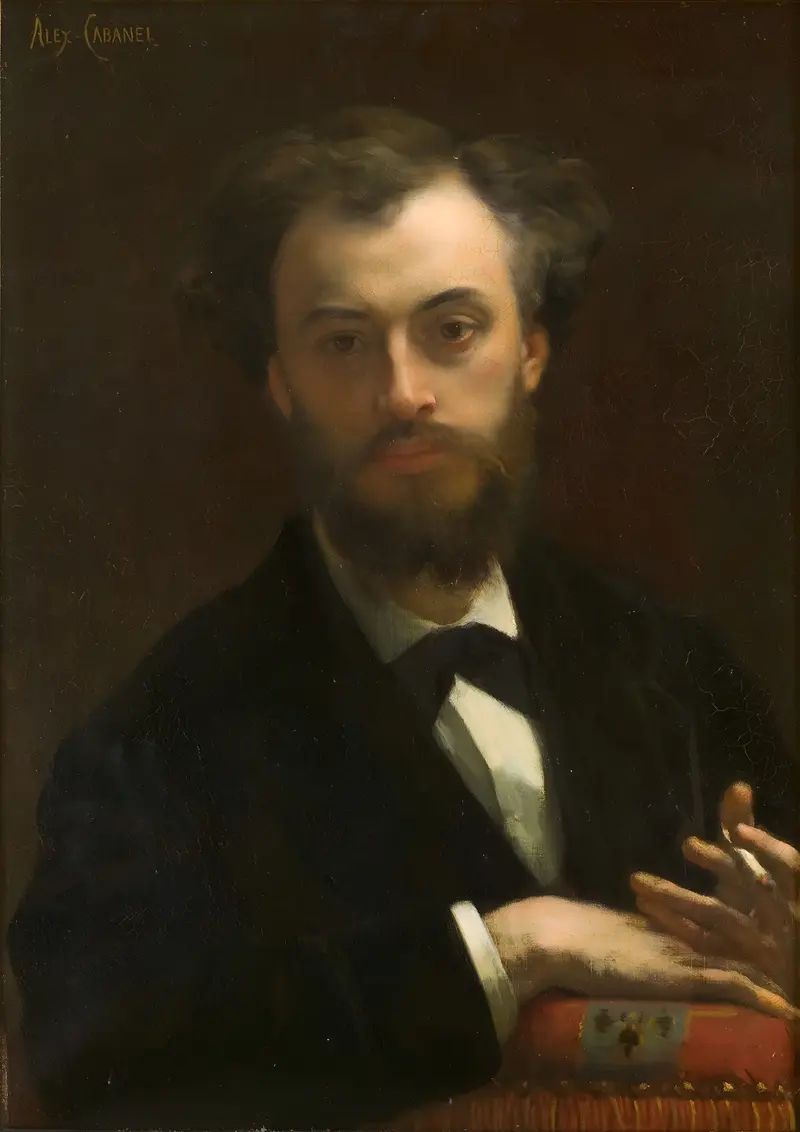
Portrait de M. Pierre Cabanel
Alexandre Cabanel
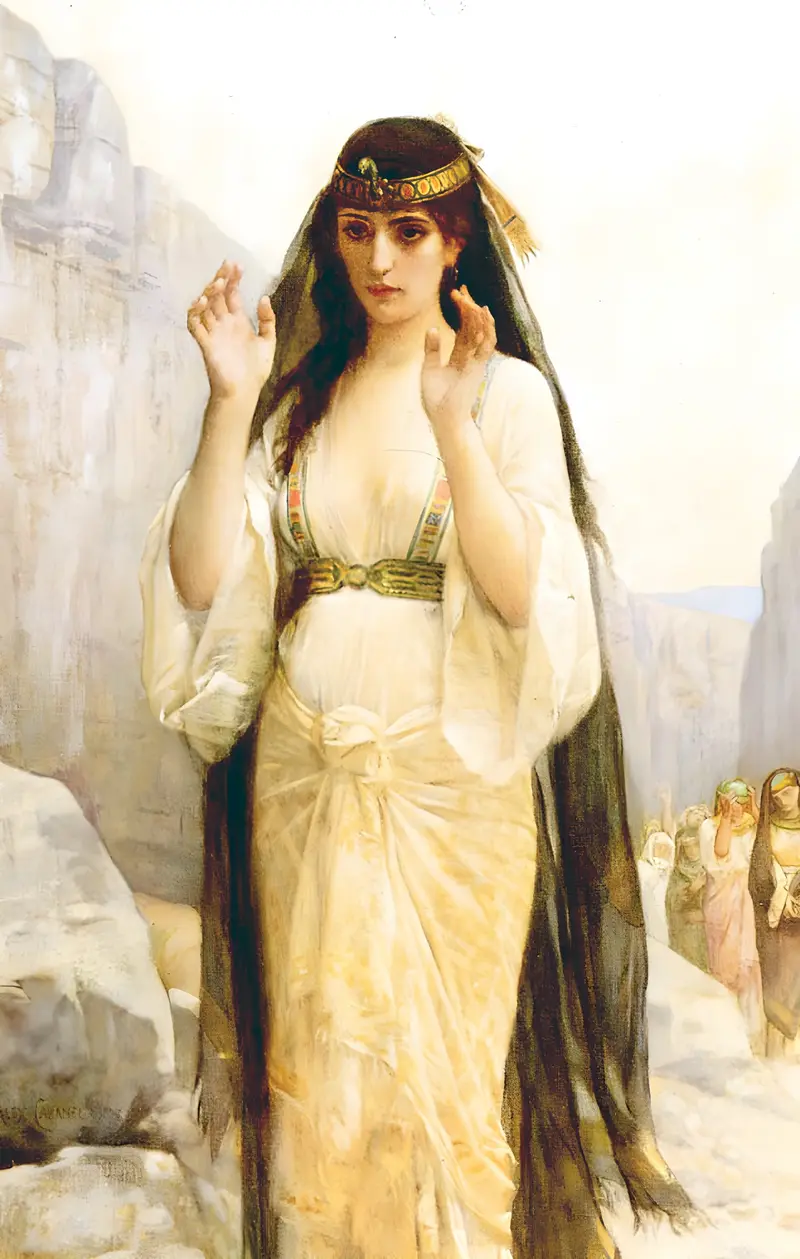
The Daughter of Jephthah
Alexandre Cabanel
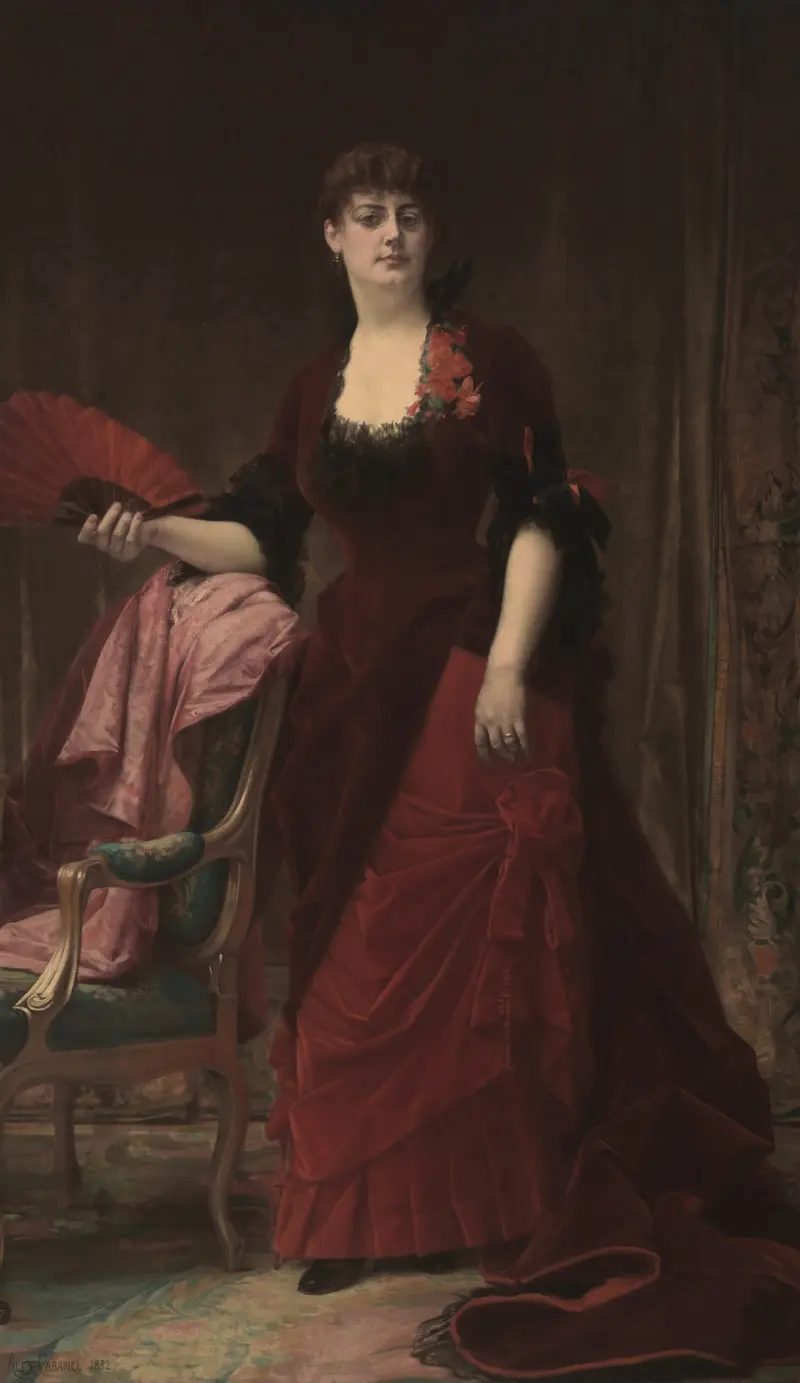
Portrait of Arabella Worsham (later Arabella Huntington)
Alexandre Cabanel
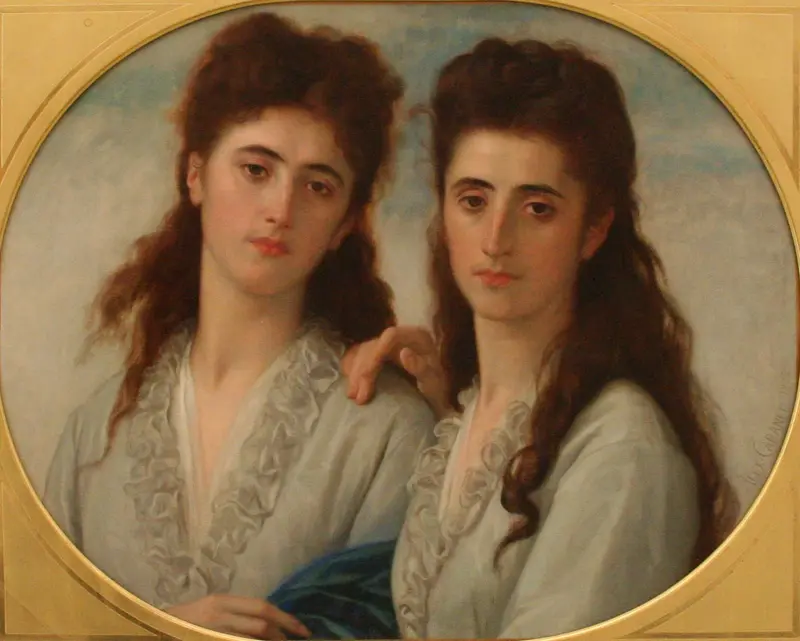
Portrait de mesdemoiselles Sophie et Berthe Cabanel
Alexandre Cabanel
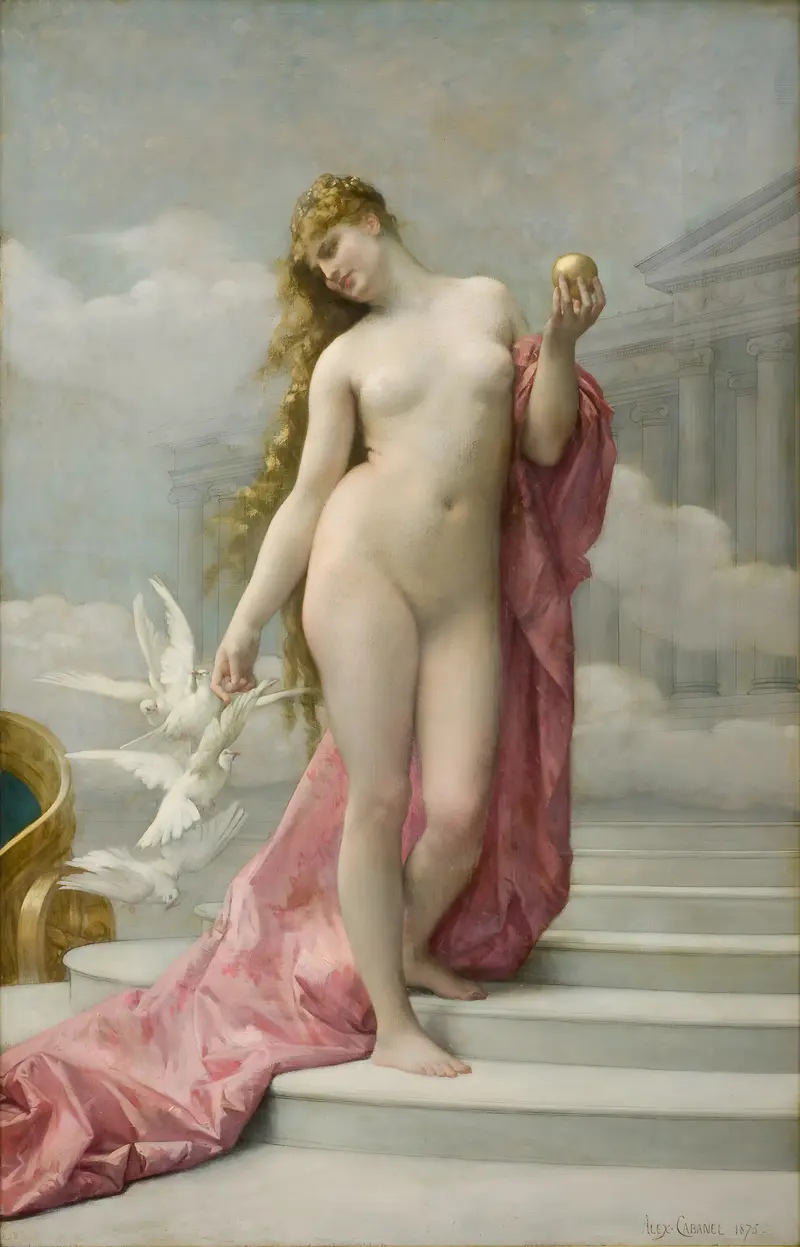
Vénus victorieuse
Alexandre Cabanel
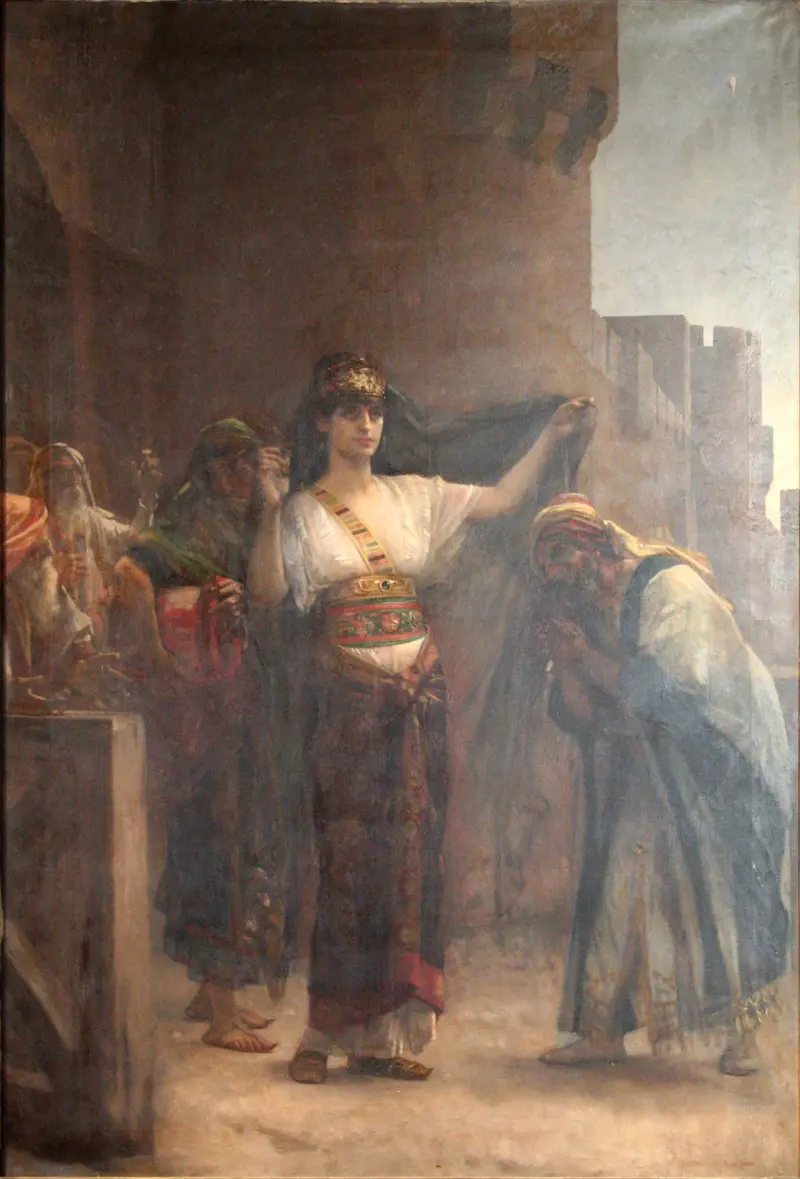
Judith
Alexandre Cabanel
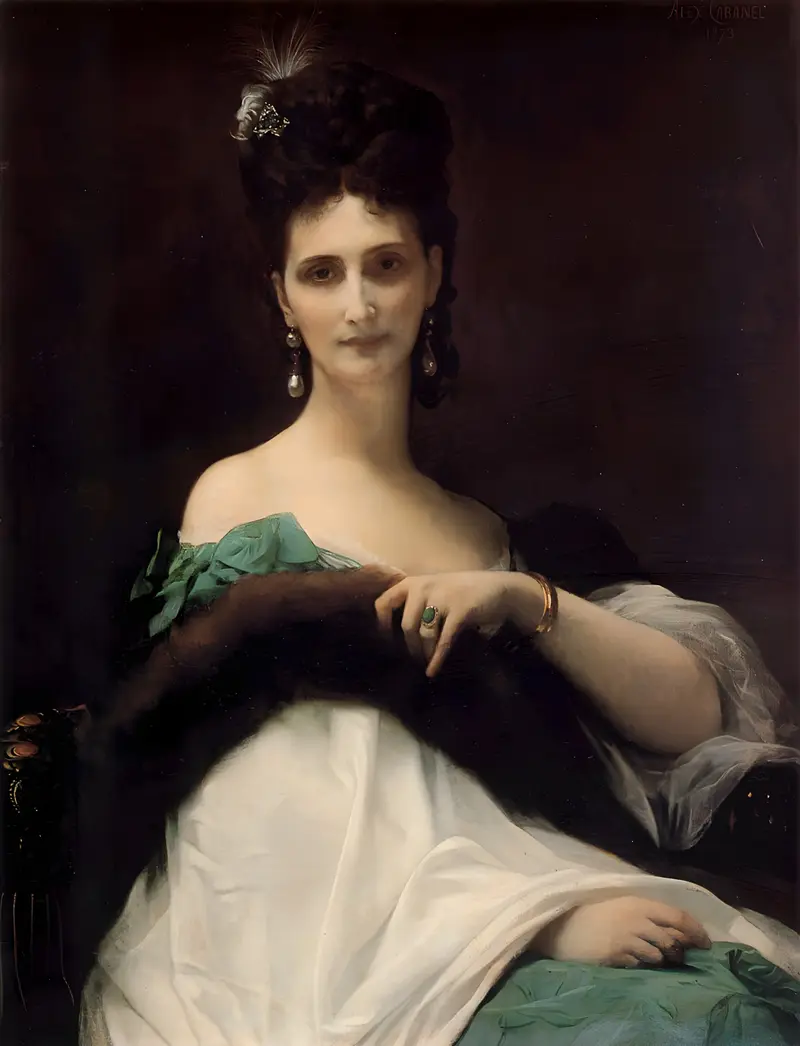
La Comtesse De Keller (marquise de Saint Yves d'Alveydre)
Alexandre Cabanel





