
Portrait of Arabella Worsham (later Arabella Huntington) — History & Facts
When Alexandre Cabanel painted Portrait of Arabella Worsham (later Arabella Huntington) in 1882, he was capturing not just a sitter, but a woman on the cusp of one of the greatest social ascents of the Gilded Age. Arabella Worsham, born in modest circumstances in Virginia, had already become the companion of Collis P. Huntington, the railroad magnate, though their marriage would not take place until 1884.
The portrait thus records a moment of transformation—Arabella poised between obscurity and the immense wealth and influence she would wield as Mrs. Huntington. Cabanel, a favorite of the Paris Salon and a master of society portraiture, was often sought out by Americans eager to display their sophistication through European art. The painting presents Arabella seated, her gaze direct yet reserved, dressed in the height of Parisian fashion.
Cabanel’s handling of the fabrics—lush velvet, delicate lace—signals both the sitter’s wealth and the painter’s technical prowess. The light falls softly across her face, illuminating her pale complexion and the subtle tension in her expression, suggesting both self-assurance and a guarded inner life. The pose is dignified, hands elegantly arranged, yet the slight tilt of her head and the set of her mouth hint at the determination that would later define her philanthropic legacy.
Compared to John Singer Sargent’s more psychologically probing portraits of American heiresses, Cabanel’s approach is refined and formal, emphasizing surface and status over inner drama. The precise commission details of Portrait of Arabella Worsham remain somewhat obscure, but it is likely that Arabella herself, or Huntington, arranged for the sitting during one of her visits to Paris. The painting has passed through private hands and has not always been publicly accessible, reflecting the private nature of its subject’s early life. Today, it stands as a testament to both Cabanel’s international reputation in the late nineteenth century and to Arabella’s remarkable journey from modest origins to the pinnacle of American society.
It also marks one of the last great society portraits of Cabanel’s career, as he died in 1889, just a few years after completing this work.
More Artworks by Alexandre Cabanel
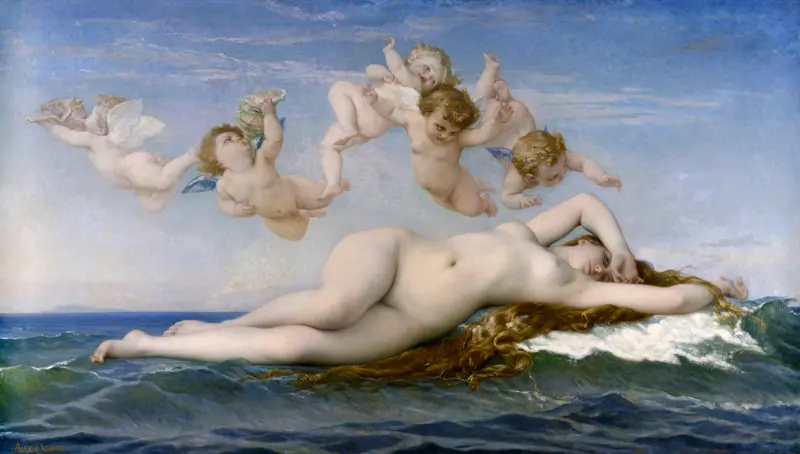
The Birth of Venus
Alexandre Cabanel
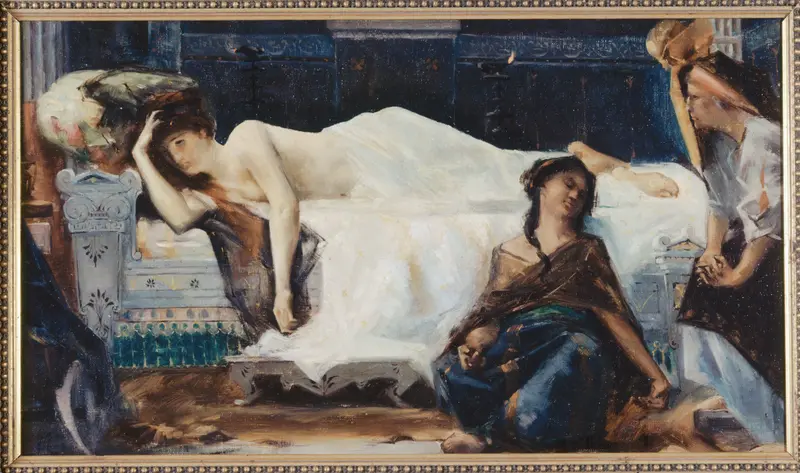
Phèdre
Alexandre Cabanel
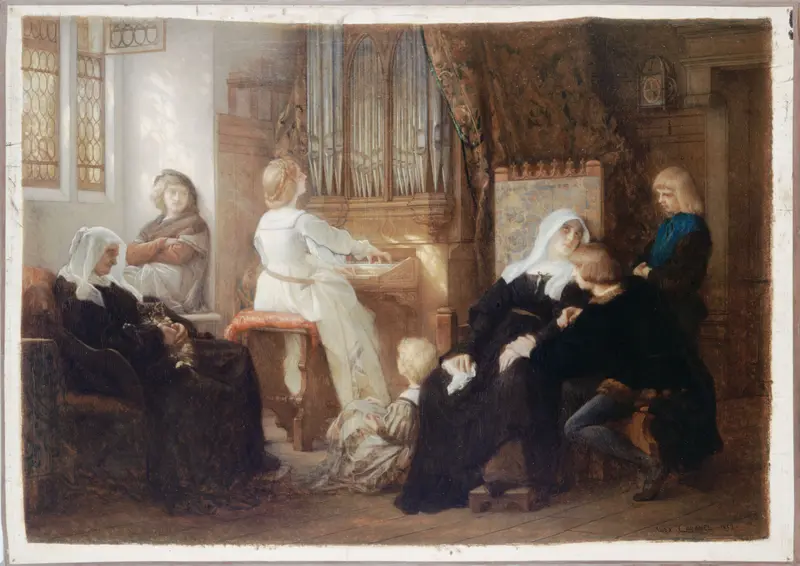
La veuve du maître de chapelle
Alexandre Cabanel
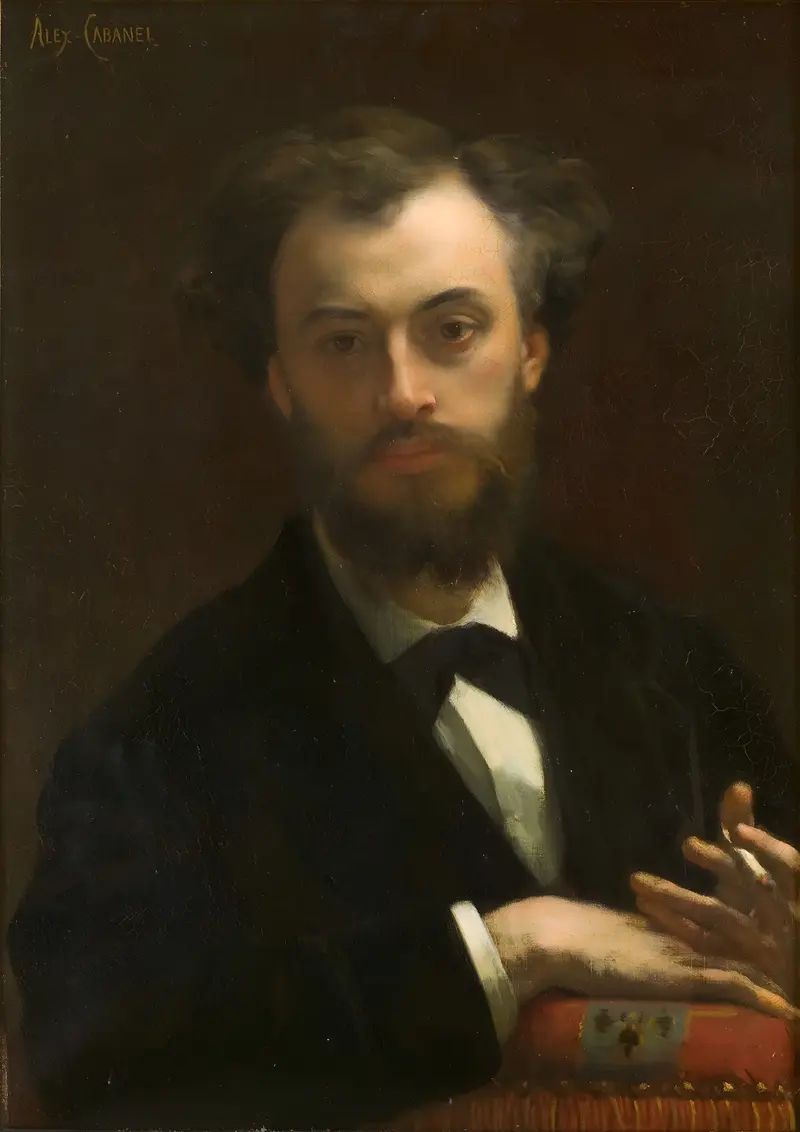
Portrait de M. Pierre Cabanel
Alexandre Cabanel
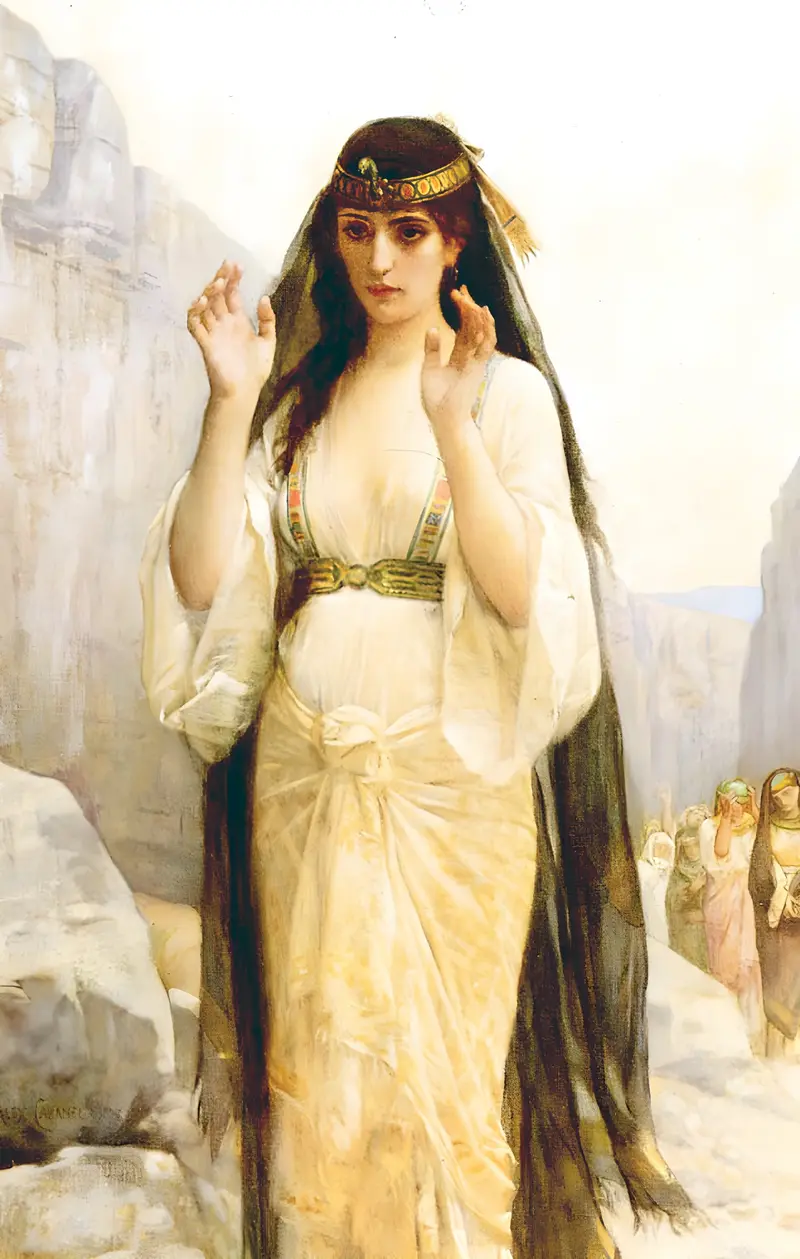
The Daughter of Jephthah
Alexandre Cabanel
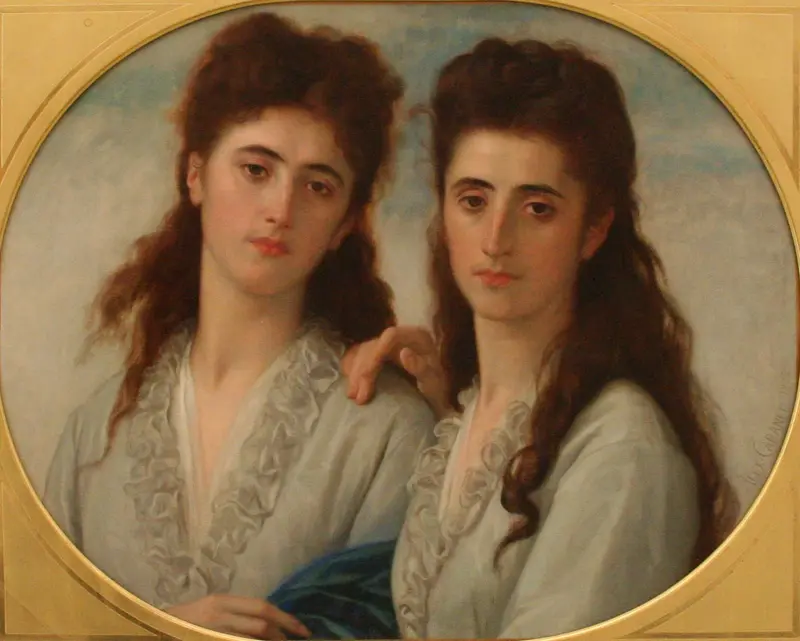
Portrait de mesdemoiselles Sophie et Berthe Cabanel
Alexandre Cabanel
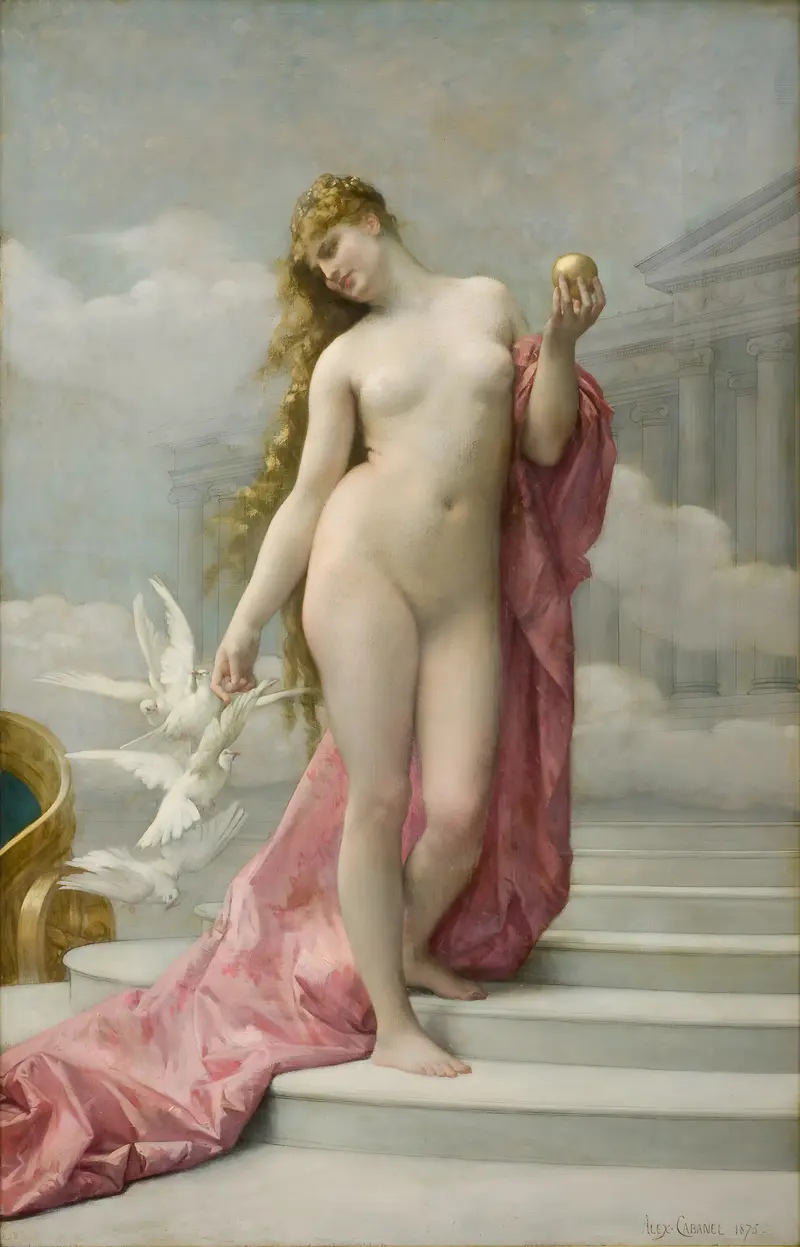
Vénus victorieuse
Alexandre Cabanel
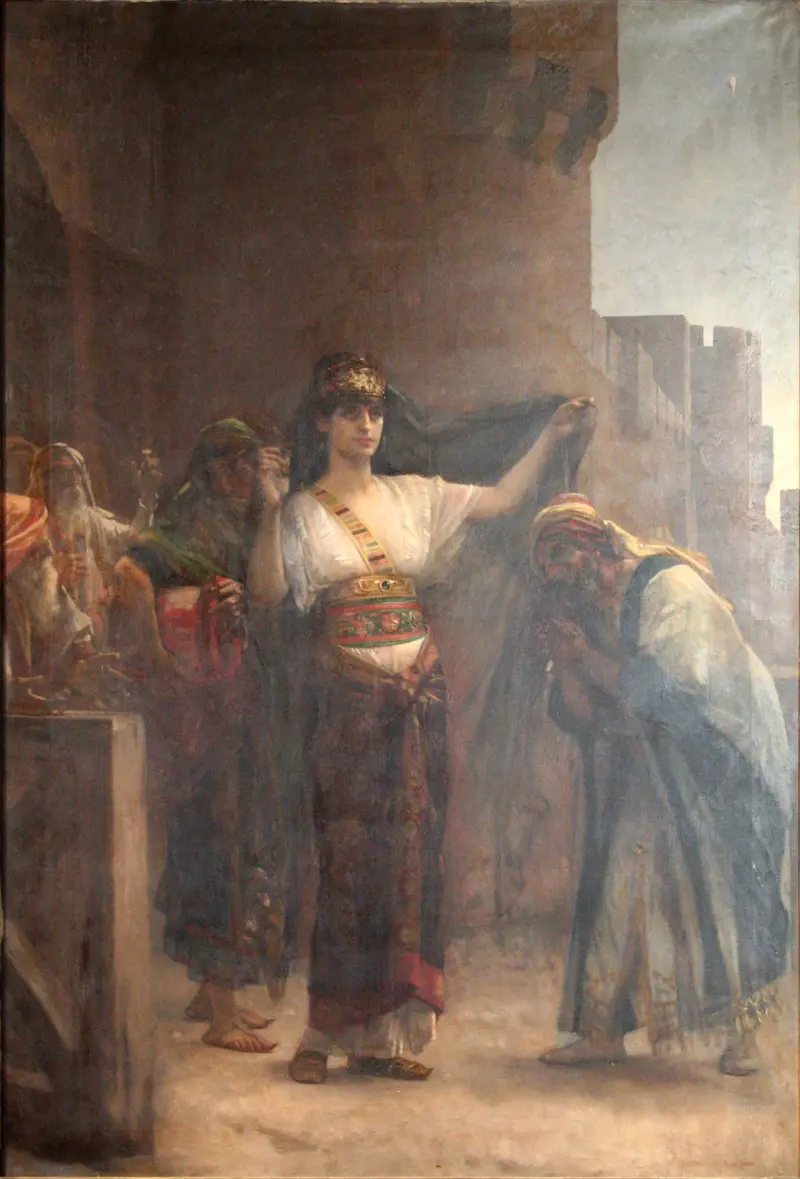
Judith
Alexandre Cabanel
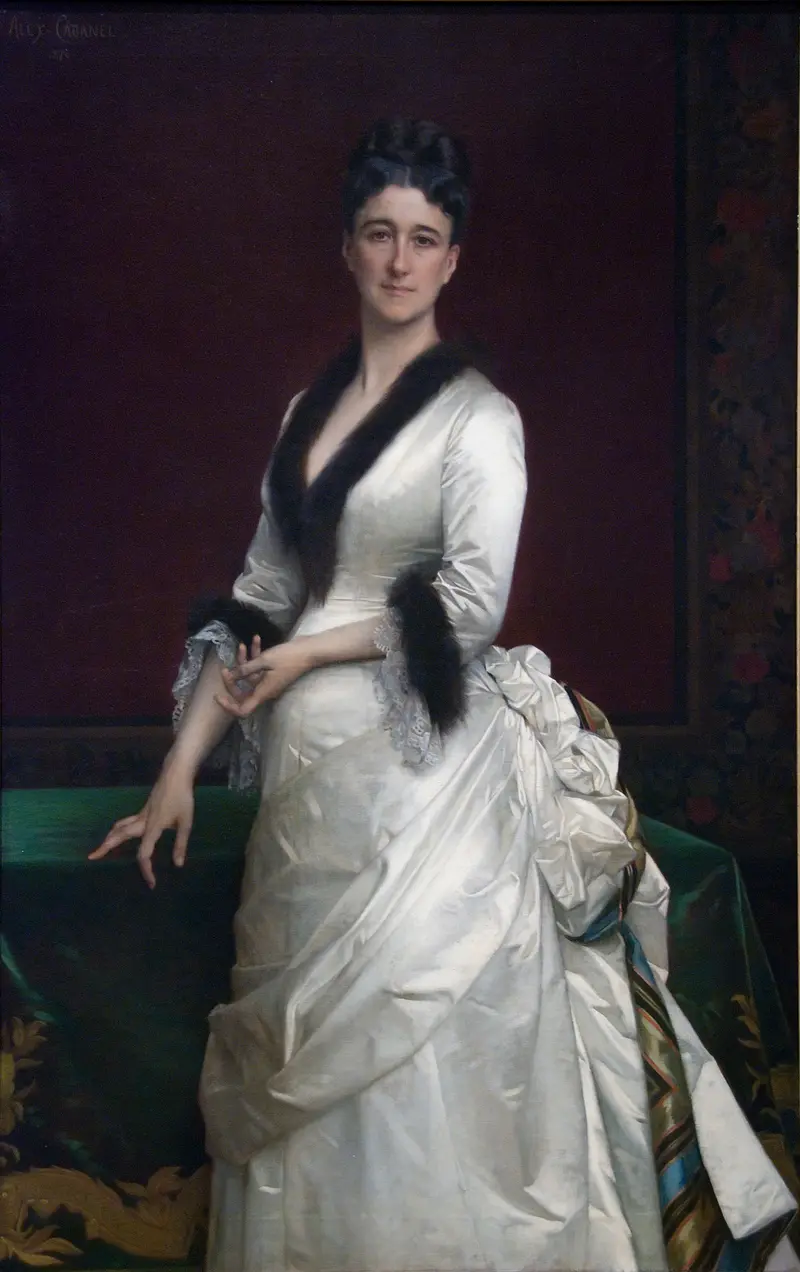
Catharine Lorillard Wolfe (1828–1887)
Alexandre Cabanel
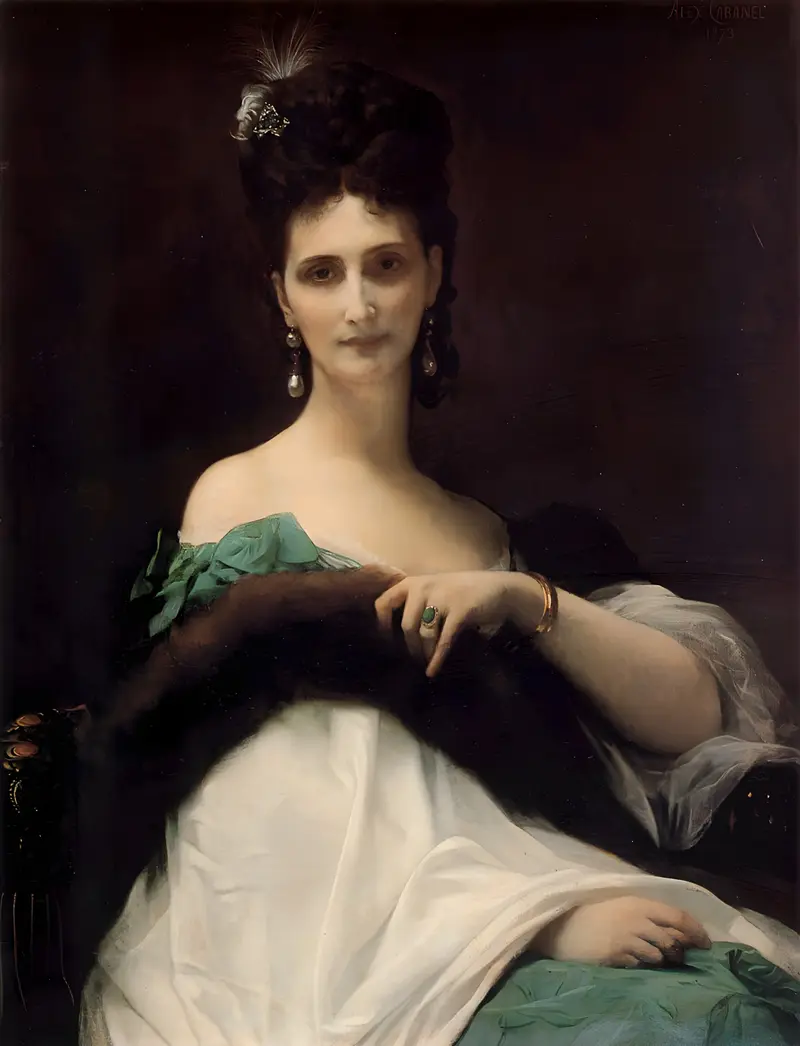
La Comtesse De Keller (marquise de Saint Yves d'Alveydre)
Alexandre Cabanel





