
The Birth of Venus — History & Facts
A nude female figure reclines along the crest of a wave, her body stretched diagonally across the lower half of the canvas, with her left arm extended and her right arm bent to shield her face from the light. Her long, flowing hair spills into the sea, mingling with the foam, while her pale skin is rendered with a smooth, luminous finish that catches the cool daylight. The figure’s gaze is partially hidden beneath her arm, her eyes seemingly closed or just barely open, creating an ambiguous expression between sleep and waking.
Above her, five winged putti hover in the sky, their plump bodies arranged in a lively arc that echoes the curve of the goddess below. One putto at the far left blows a conch shell, while the others gesture animatedly or carry drapery, their wings painted with delicate blue and white feathers. The sea beneath Venus undulates with rhythmic, green-blue waves, crested by white foam, and the horizon stretches into a faint, distant landmass under a clear, radiant sky.
The composition is carefully balanced, with Venus’s elongated form anchoring the scene and the putti drawing the viewer’s attention upward and across the canvas. Cabanel’s brushwork is meticulous and refined, with seamless transitions in flesh tones and subtle gradations of color in the sky and water, characteristic of academic painting. The painting depicts the mythological birth of Venus, the goddess of love, emerging from the sea, accompanied by putti, and draws on classical themes favored in academic art of the period.
Sources: Musée d'Orsay, record RF 273 · Wikidata Q1212861 · Wikipedia: The Birth of Venus (Cabanel) · Image source (Wikimedia Commons)
More Artworks by Alexandre Cabanel
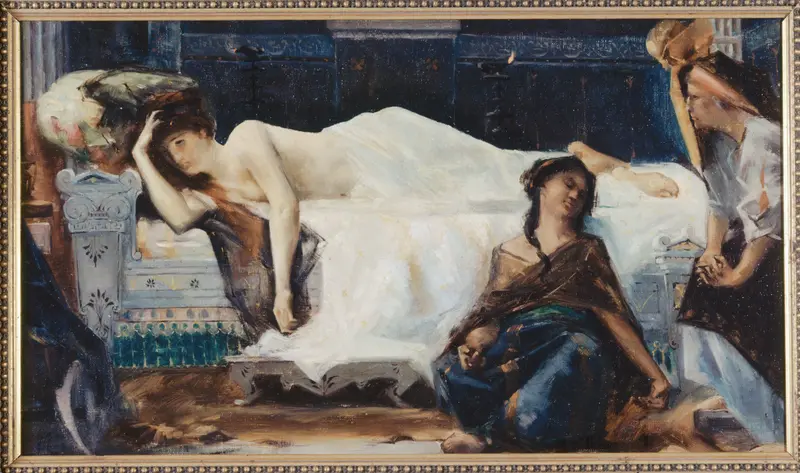
Phèdre
Alexandre Cabanel
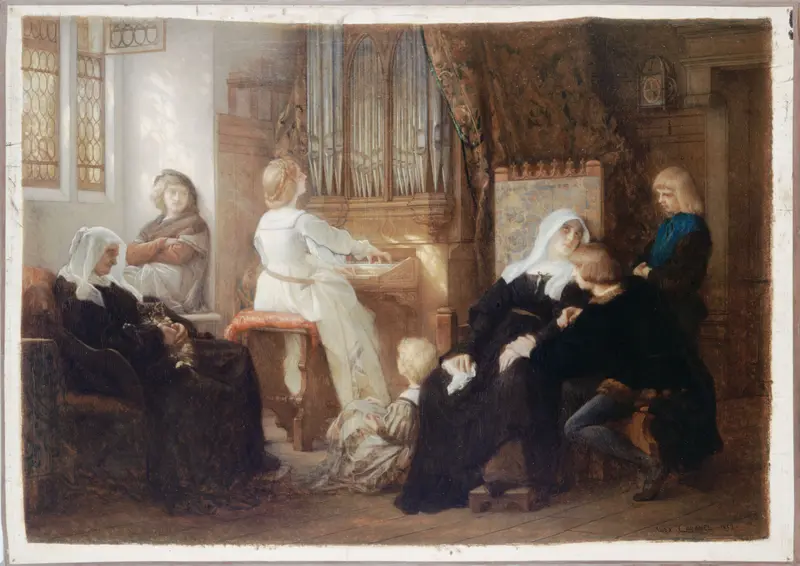
La veuve du maître de chapelle
Alexandre Cabanel
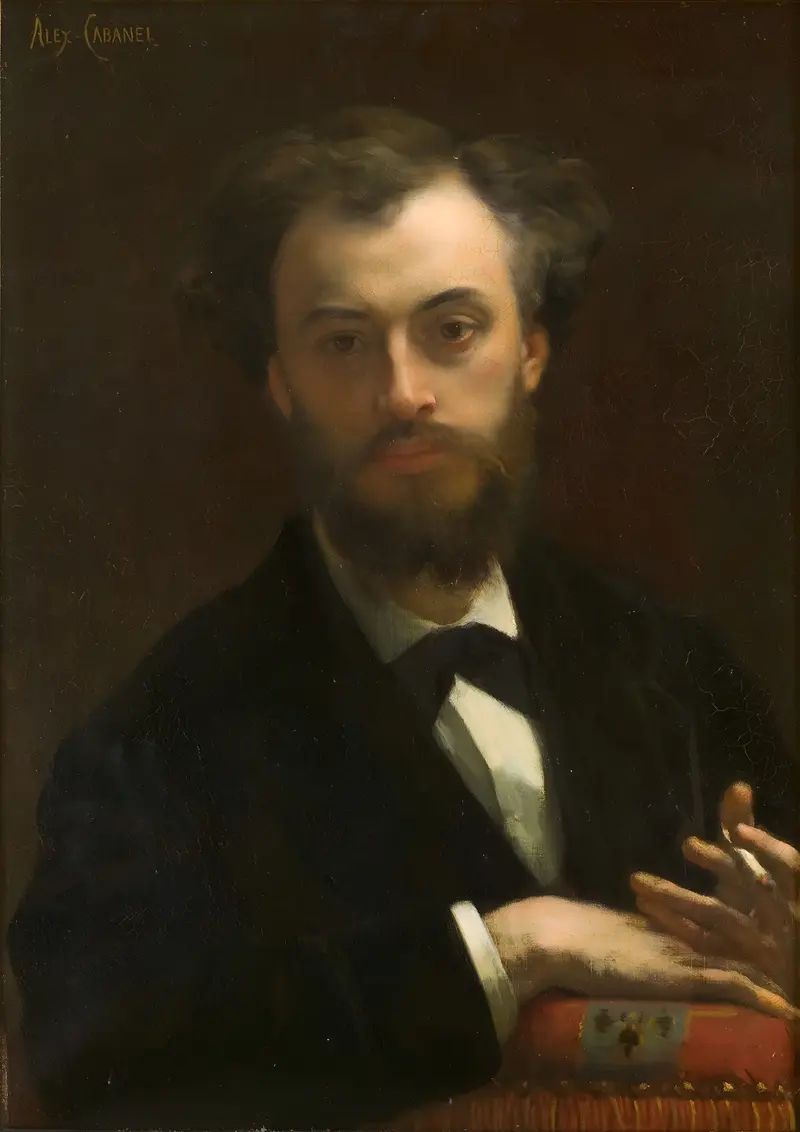
Portrait de M. Pierre Cabanel
Alexandre Cabanel
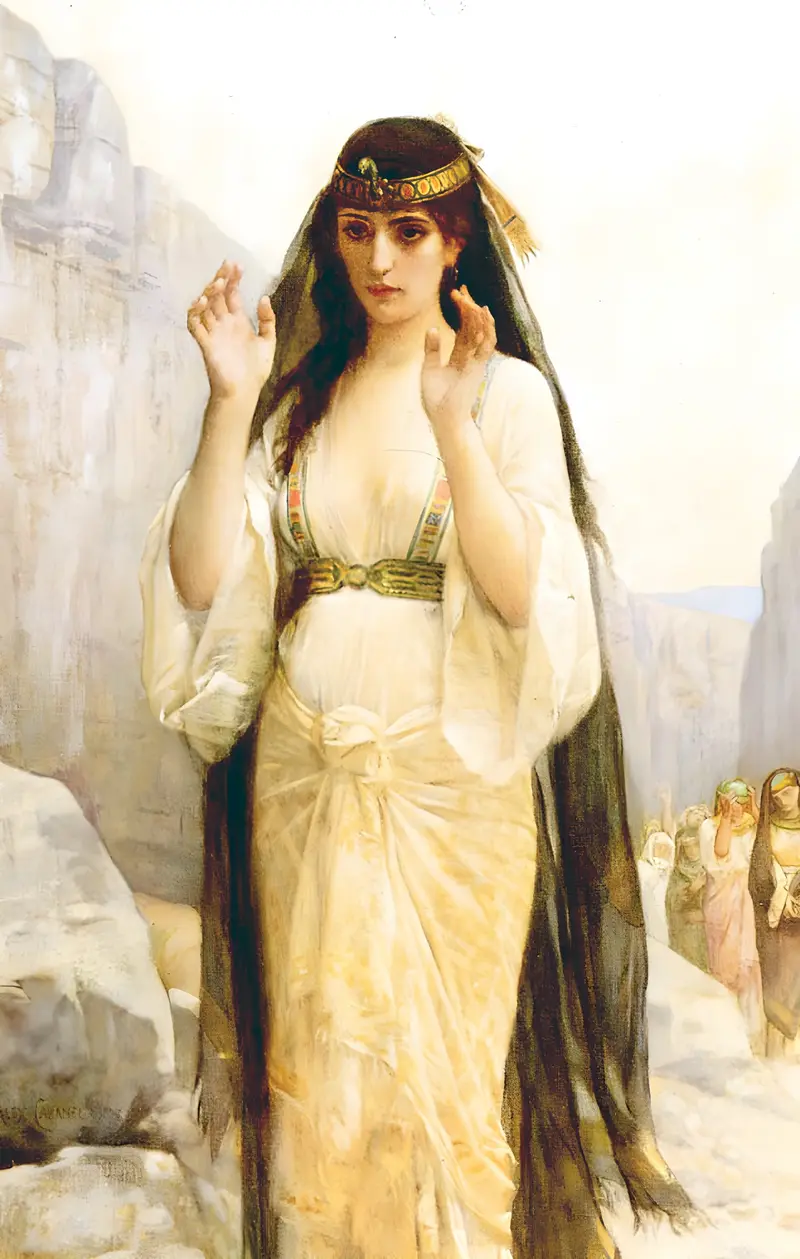
The Daughter of Jephthah
Alexandre Cabanel
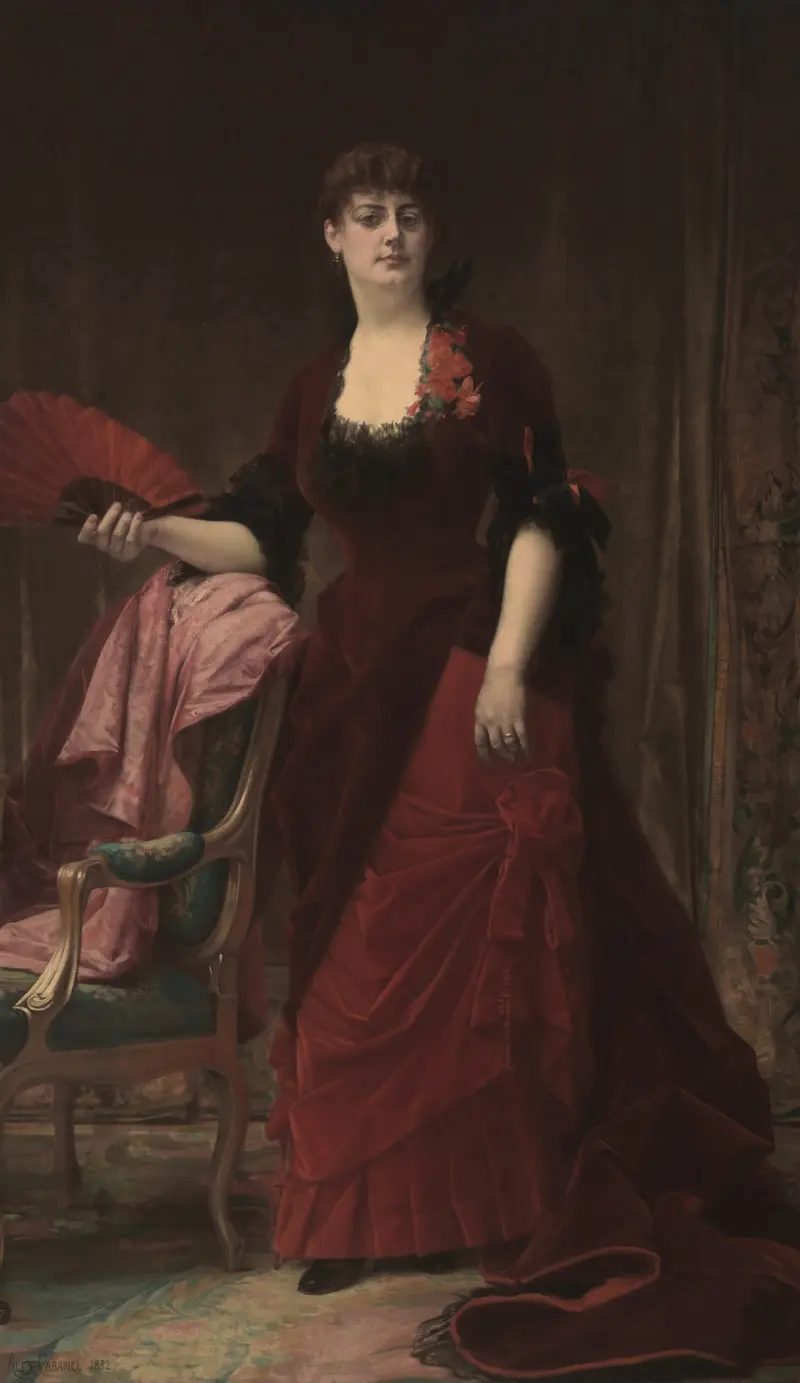
Portrait of Arabella Worsham (later Arabella Huntington)
Alexandre Cabanel
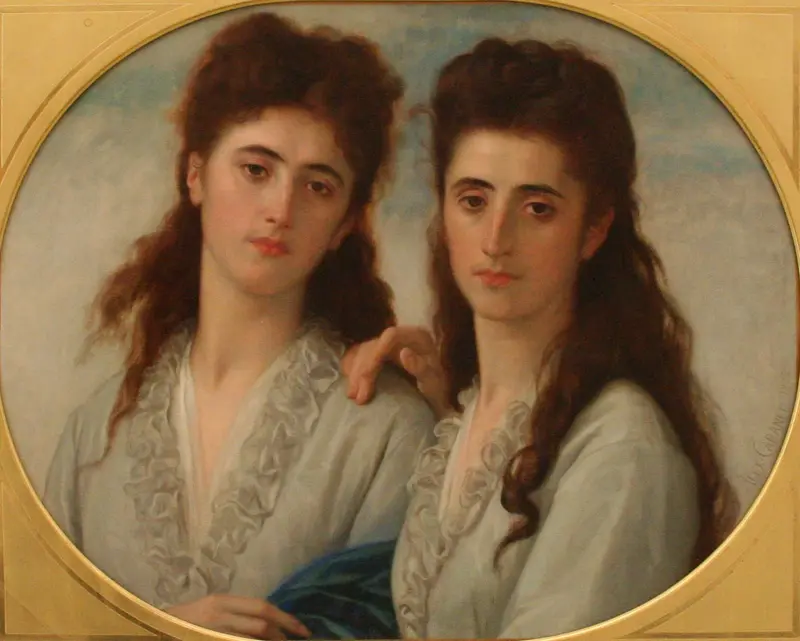
Portrait de mesdemoiselles Sophie et Berthe Cabanel
Alexandre Cabanel
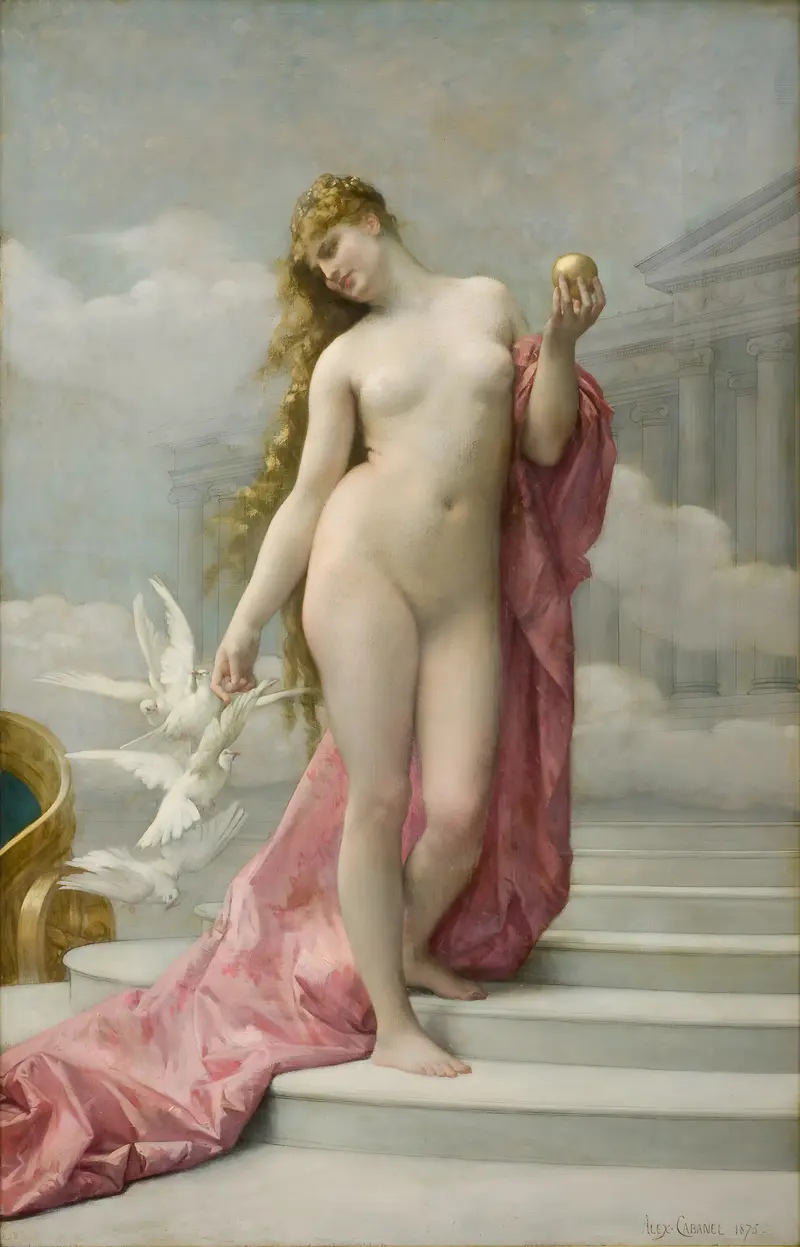
Vénus victorieuse
Alexandre Cabanel
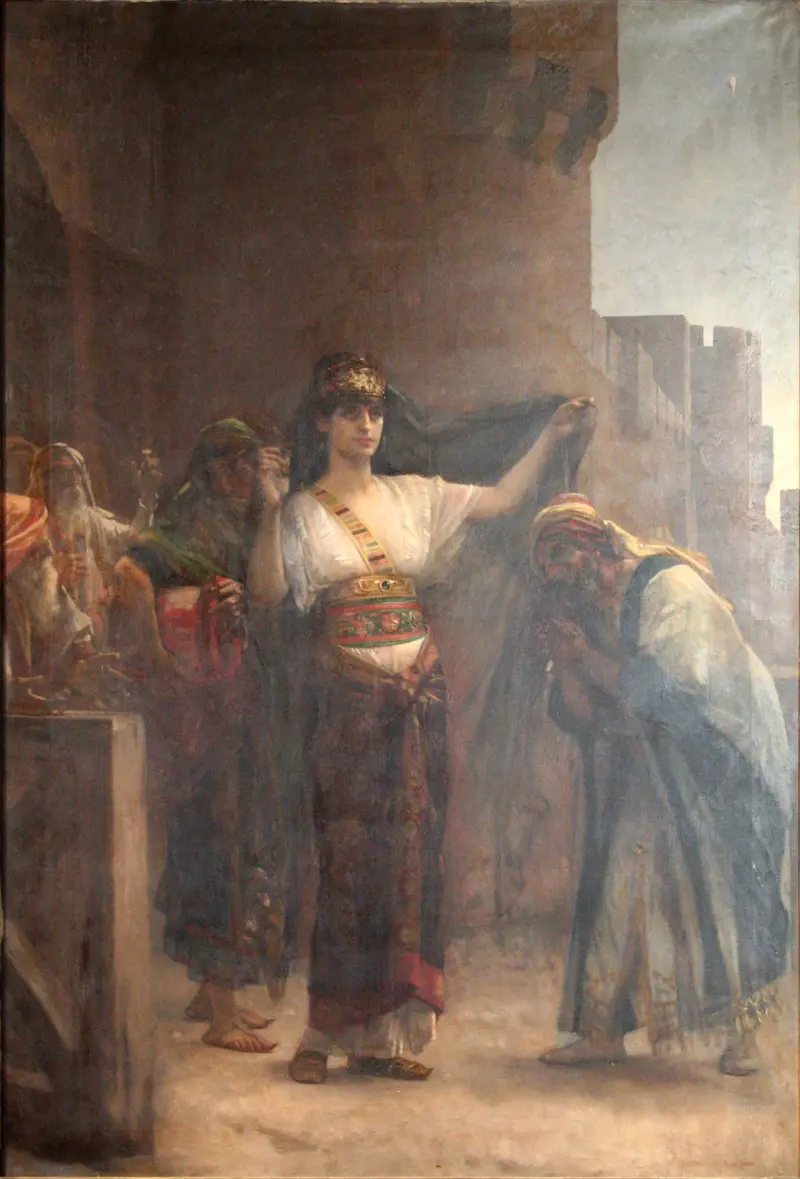
Judith
Alexandre Cabanel
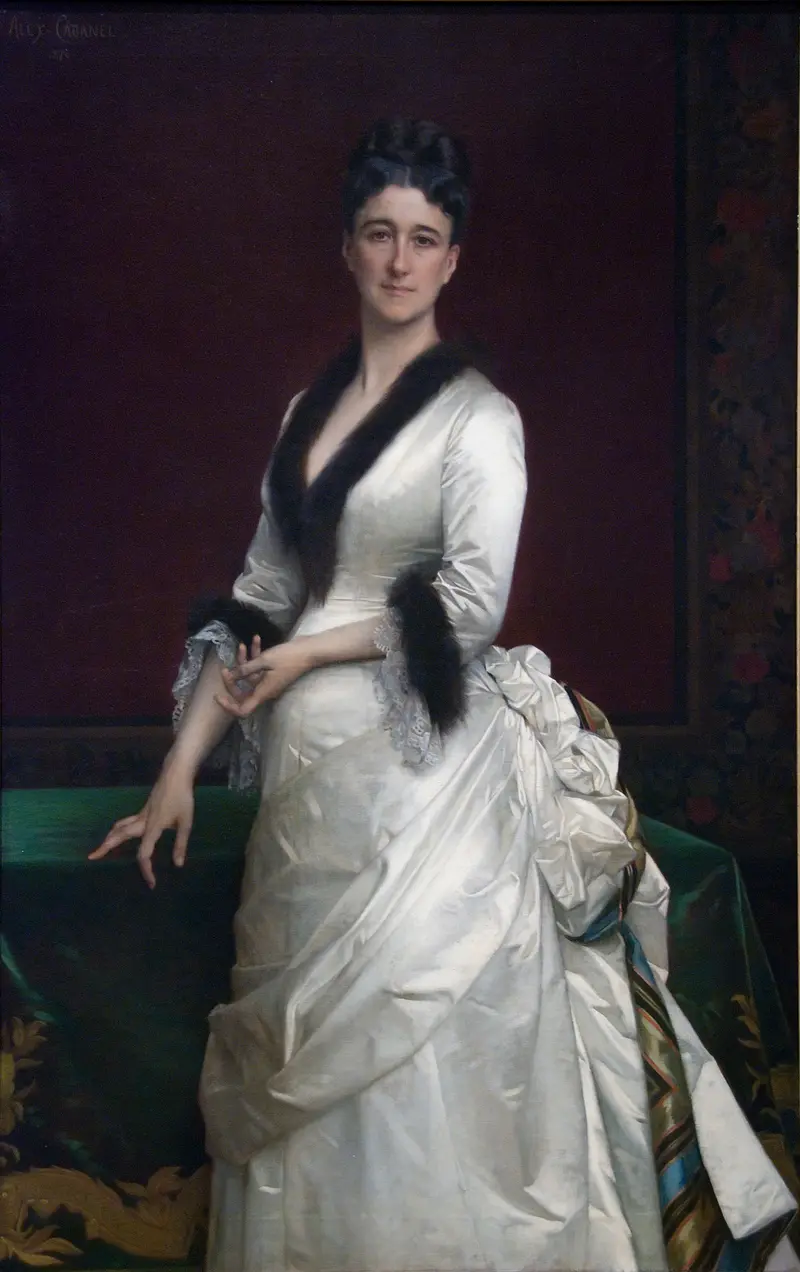
Catharine Lorillard Wolfe (1828–1887)
Alexandre Cabanel
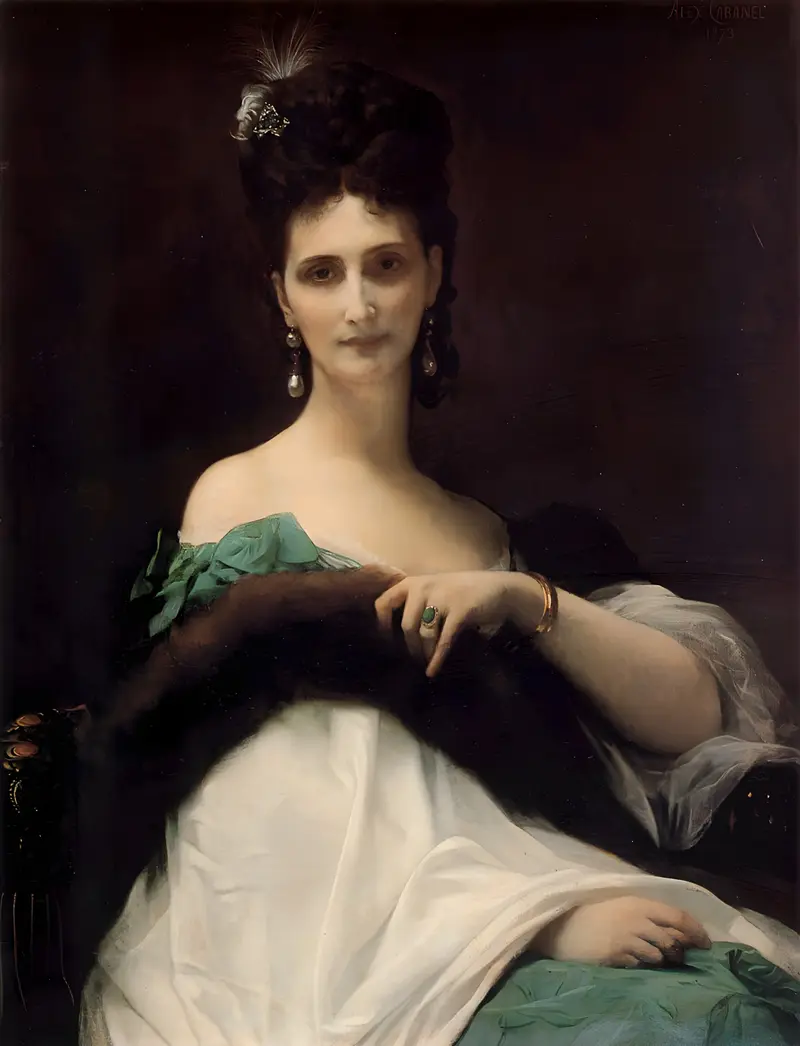
La Comtesse De Keller (marquise de Saint Yves d'Alveydre)
Alexandre Cabanel





