
Vénus victorieuse — History & Facts
When Vénus victorieuse debuted at the Salon of 1875, it drew immediate attention for its daring blend of classical beauty and modern sensuality—so much so that critics debated whether Alexandre Cabanel had gone too far in his depiction of the goddess. The painting arrived at a moment when the French public was fascinated by mythological nudes, yet also wary of the fine line between academic art and scandal. Cabanel, already famous for his earlier The Birth of Venus, seemed to challenge himself and his audience: could Venus be both an object of admiration and a victor in her own right? The scene captures Venus at the instant of her triumph, her body gracefully poised as she holds aloft the golden apple awarded by Paris.
The apple, gleaming in her raised hand, is the prize for being judged the fairest among goddesses—a moment from the myth that set the Trojan War in motion. Cabanel’s Venus reclines on sumptuous drapery, her gaze meeting the viewer with a calm assurance, while the soft modeling of her skin and the play of light across her form heighten her allure. Unlike Ingres’s more remote Venus Anadyomene, Cabanel’s goddess is both approachable and commanding, her victory not only over her divine rivals but also over the viewer’s gaze. The precise early history of this painting is not fully documented, but it is known that Vénus victorieuse was exhibited at the Salon and quickly became a touchstone for discussions of academic nudes in late 19th-century France.
As with many of Cabanel’s works, it was likely acquired by a private collector soon after its exhibition, reflecting the era’s appetite for mythological subjects rendered with technical precision. Today, the painting stands as a testament to Cabanel’s skill and his place at the heart of the Academic movement, bridging the gap between tradition and the shifting tastes of his age. Its current location is not widely publicized, but its reputation endures as a prime example of how myth, beauty, and controversy intertwined in the salons of Belle Époque Paris.
Sources: Wikidata Q18756802 · Image source (Wikimedia Commons)
More Artworks by Alexandre Cabanel
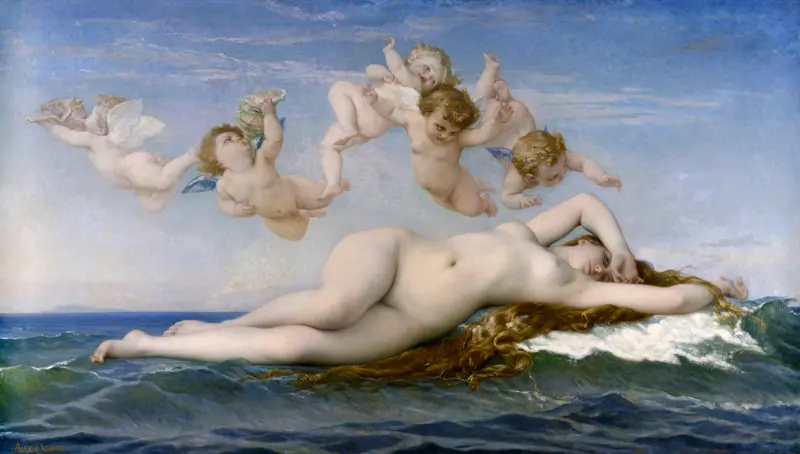
The Birth of Venus
Alexandre Cabanel
Phèdre
Alexandre Cabanel
La veuve du maître de chapelle
Alexandre Cabanel

Portrait de M. Pierre Cabanel
Alexandre Cabanel
The Daughter of Jephthah
Alexandre Cabanel
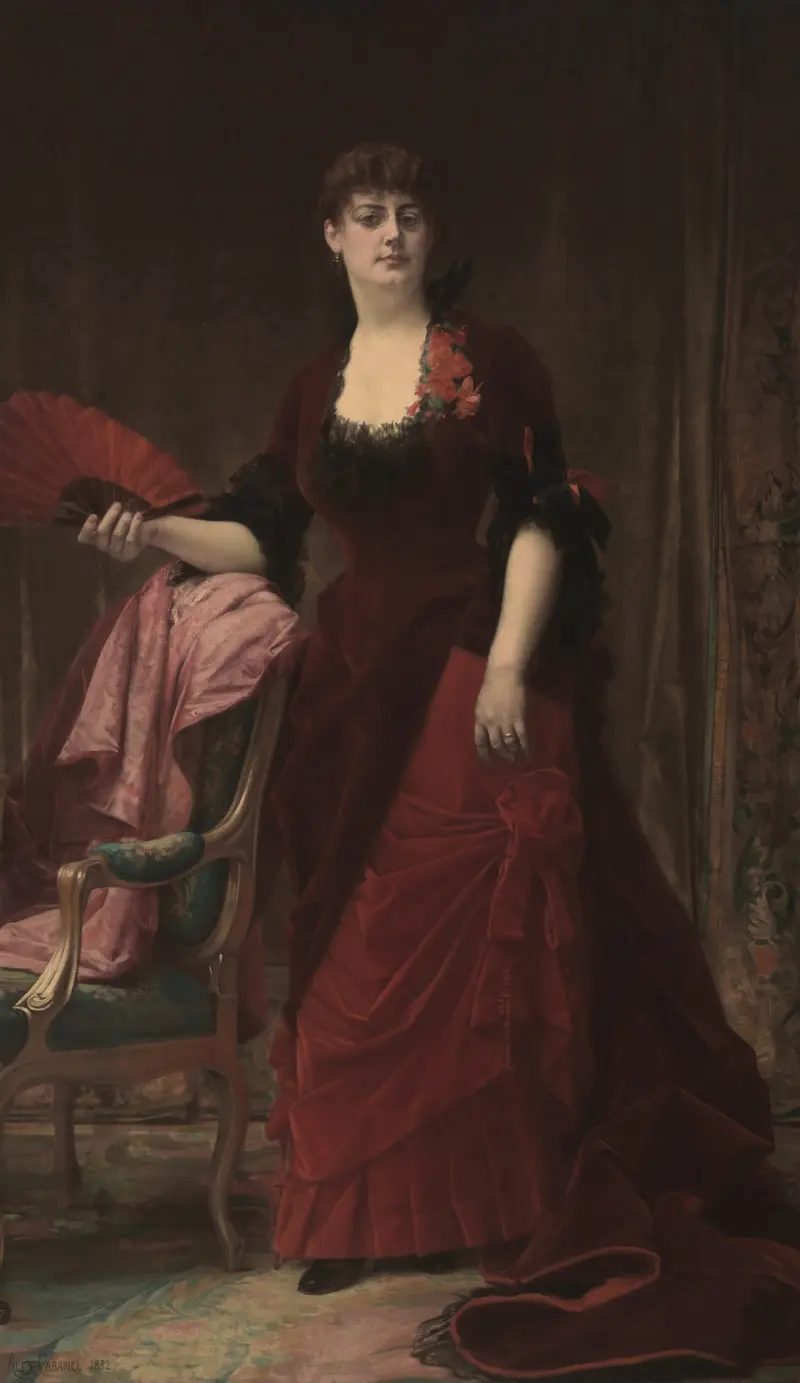
Portrait of Arabella Worsham (later Arabella Huntington)
Alexandre Cabanel
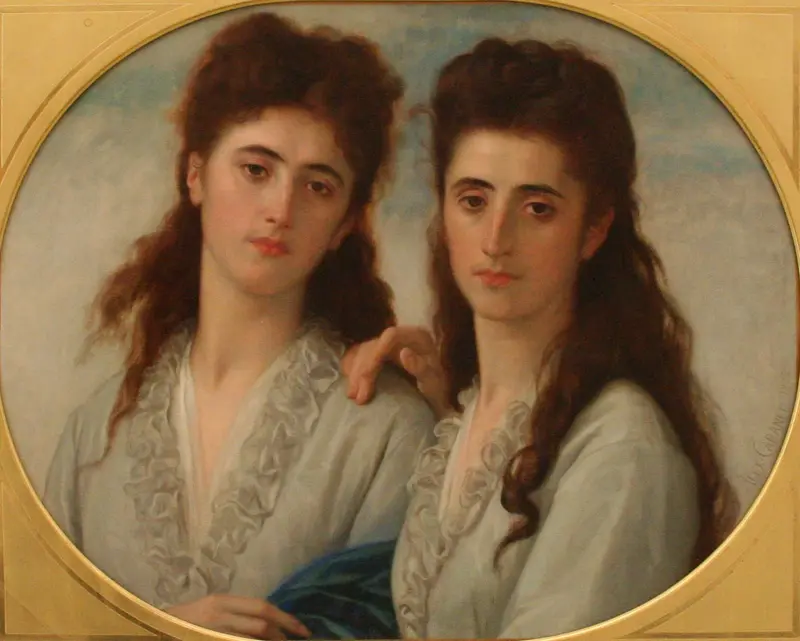
Portrait de mesdemoiselles Sophie et Berthe Cabanel
Alexandre Cabanel
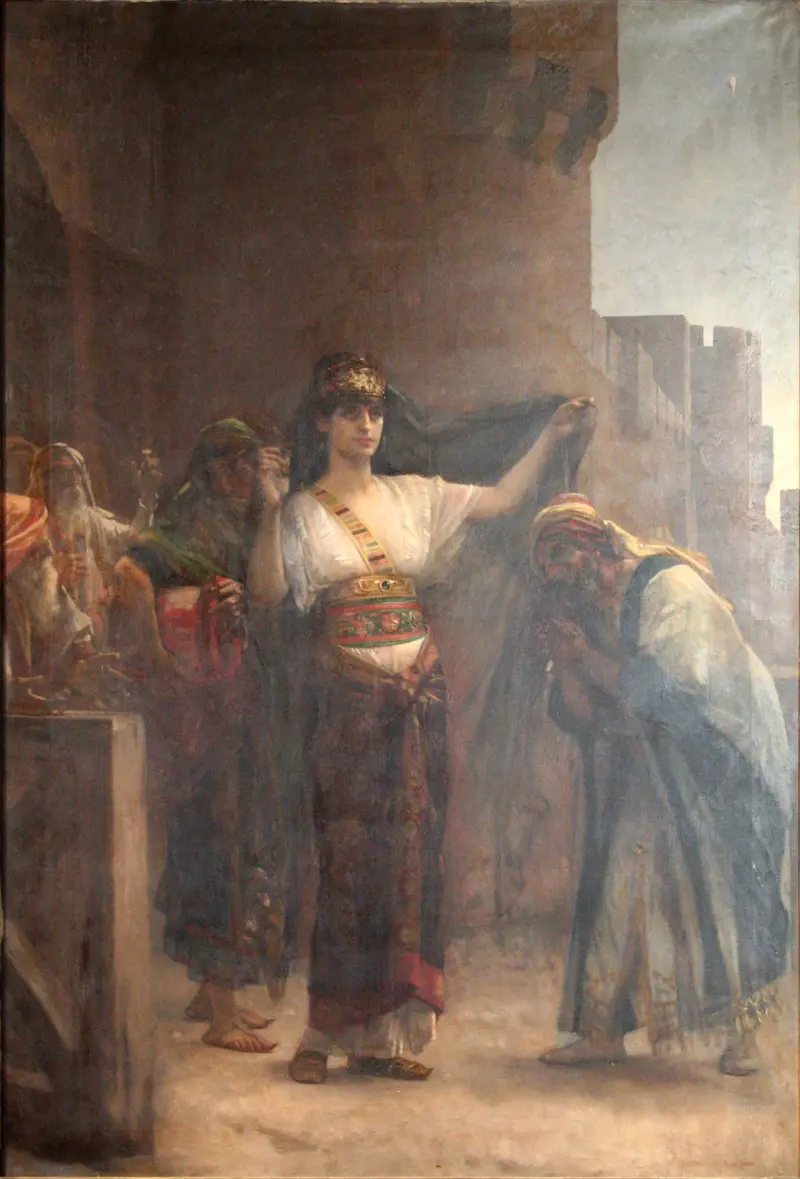
Judith
Alexandre Cabanel
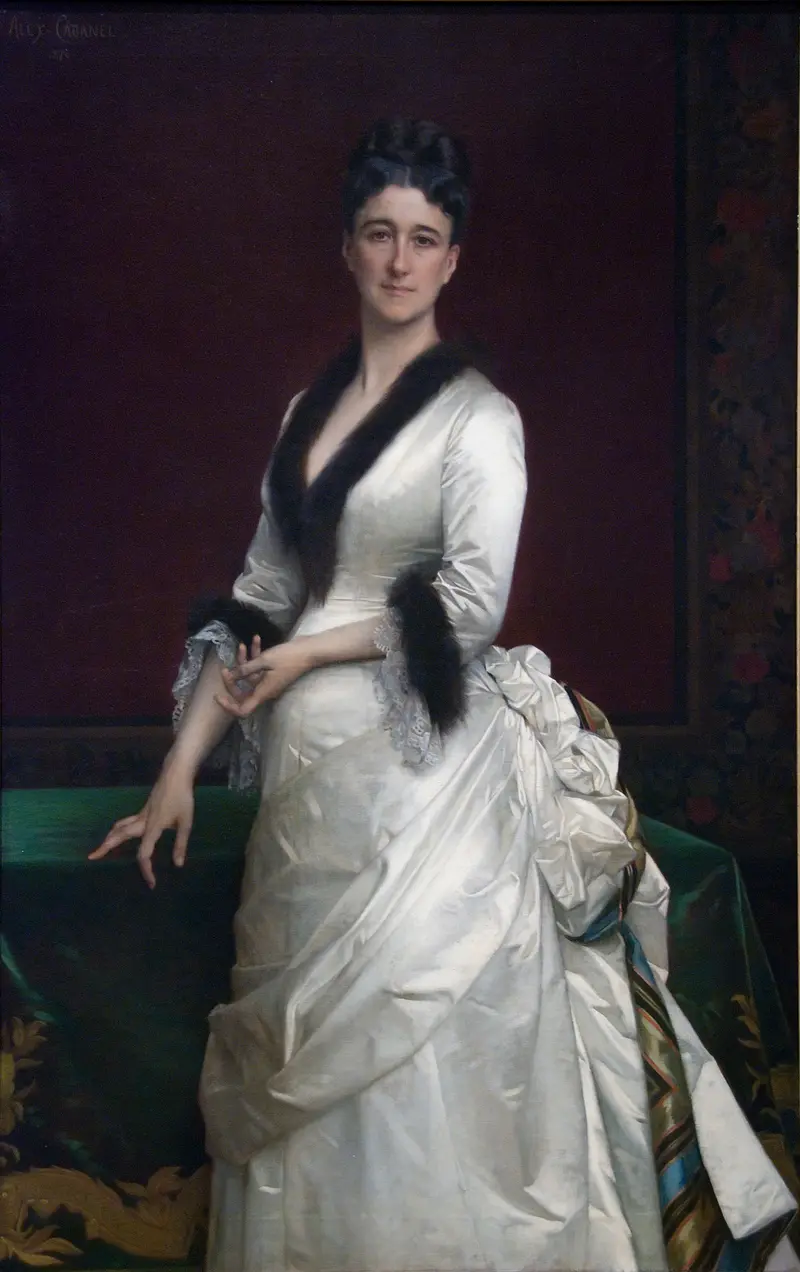
Catharine Lorillard Wolfe (1828–1887)
Alexandre Cabanel
La Comtesse De Keller (marquise de Saint Yves d'Alveydre)
Alexandre Cabanel





