
The Daughter of Jephthah — History & Facts
In 1879, Alexandre Cabanel returned to the biblical story of Jephthah’s daughter, a subject that had haunted artists for centuries, but he did so at a moment when French academic painting was at its height and public taste was shifting. The tale, drawn from the Book of Judges, had been a source of fascination for its blend of triumph and tragedy, and Cabanel’s interpretation was exhibited at the Salon to considerable attention. Unlike earlier, more dramatic depictions, Cabanel’s version was noted for its quiet, contemplative mood, prompting contemporary critics to remark on the painting’s emotional restraint.
The work stands out for its focus on the psychological aftermath rather than the moment of sacrifice itself. The canvas captures Jephthah’s daughter at the threshold of her fate, surrounded by companions in a desolate, rocky landscape. She sits apart, her gaze lowered, hands clasped in resignation, while her friends mourn around her—one offers a wreath, another buries her face in her hands. The muted palette and soft light draw the viewer’s eye to the young woman’s calm dignity, contrasting with the agitation of her companions.
The chain at her wrist, a classical allusion, underscores her innocence and the inexorable nature of her doom. Compared to Carlo Cignani’s earlier, more theatrical treatment of the same subject, Cabanel’s approach is subdued, inviting reflection rather than spectacle. The precise early history of The Daughter of Jephthah remains unclear, as records of its initial patron or commission have not survived. What is certain is that the painting marks a late period in Cabanel’s career, when he was celebrated as a leading figure of the French academic tradition and a professor at the École des Beaux-Arts.
Like many of his works, it exemplifies the technical polish and narrative clarity prized by the Salon juries of the era. Today, the painting is held in a public collection, continuing to draw viewers into its quiet meditation on sacrifice and fate, and serving as a testament to the enduring power of biblical themes in nineteenth-century art.
More Artworks by Alexandre Cabanel
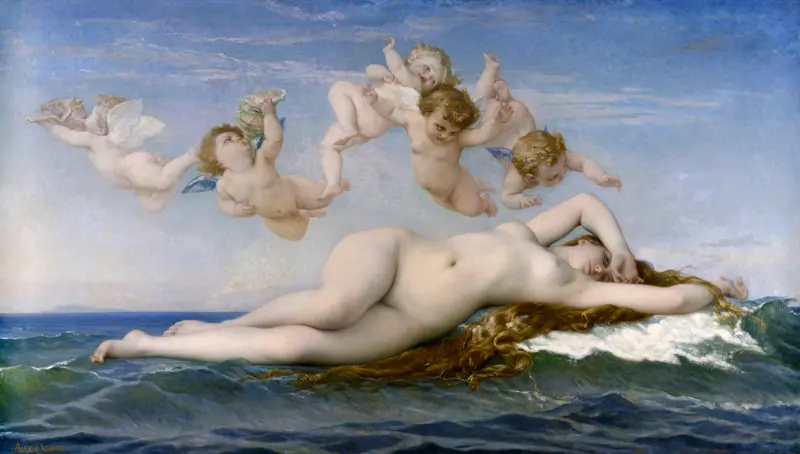
The Birth of Venus
Alexandre Cabanel
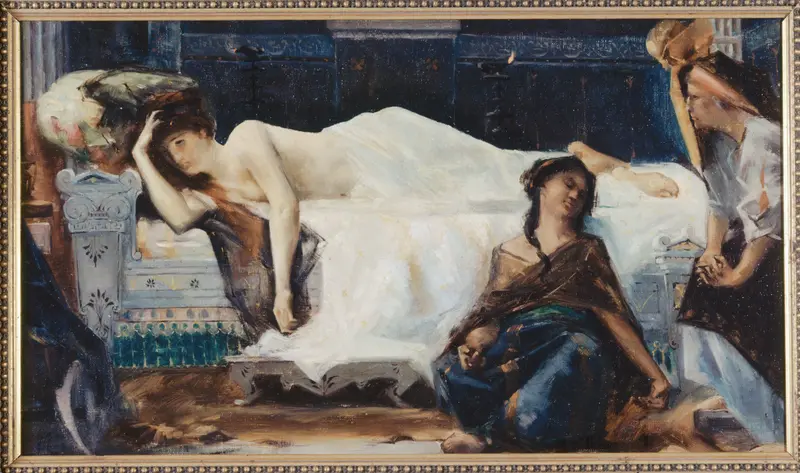
Phèdre
Alexandre Cabanel
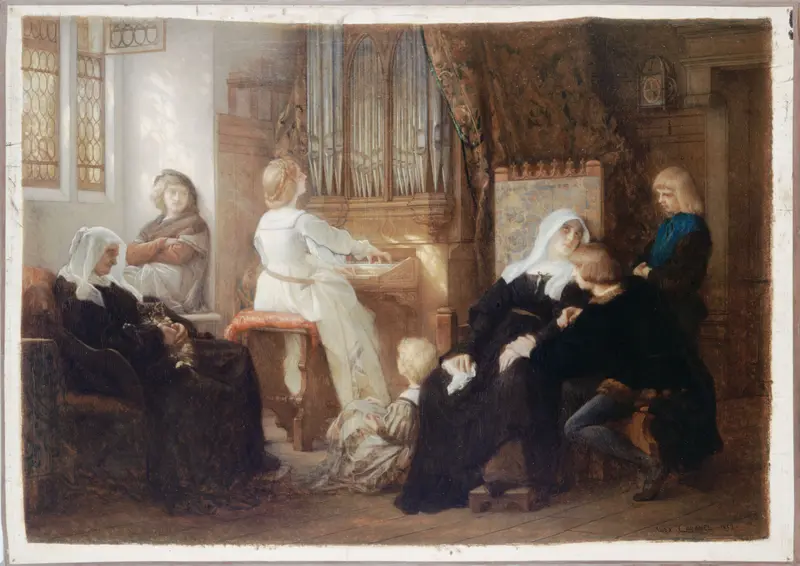
La veuve du maître de chapelle
Alexandre Cabanel
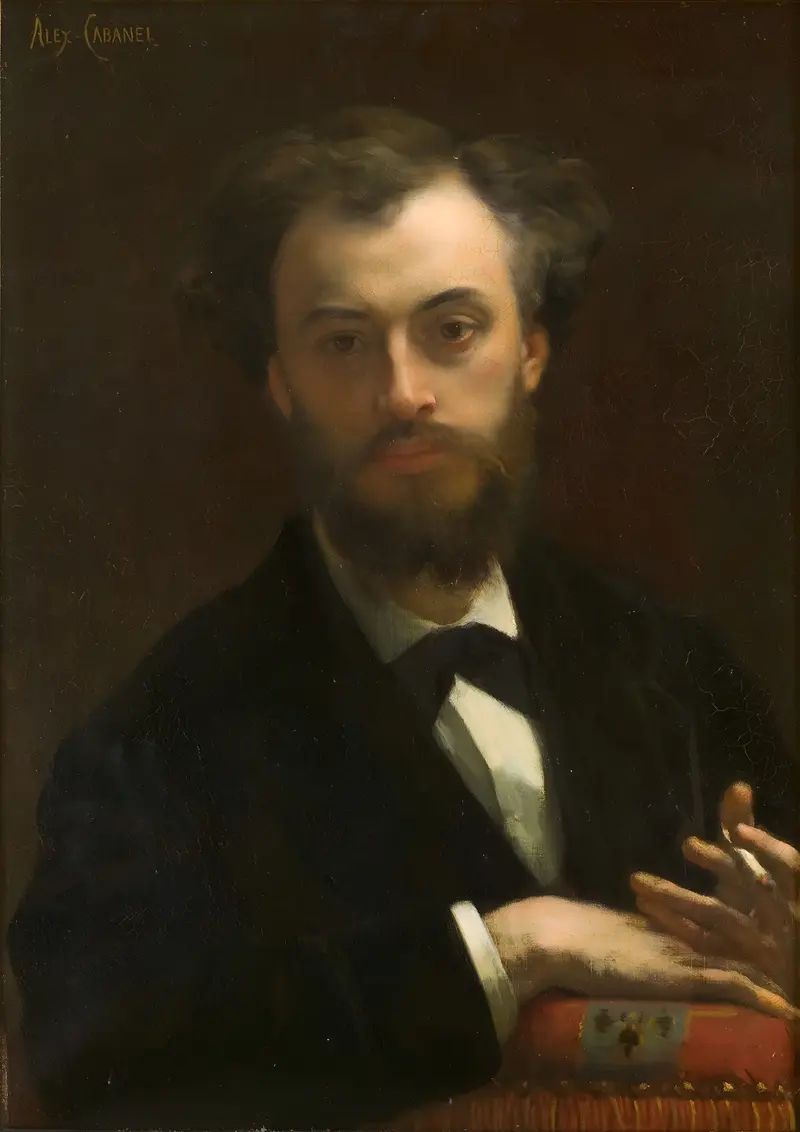
Portrait de M. Pierre Cabanel
Alexandre Cabanel
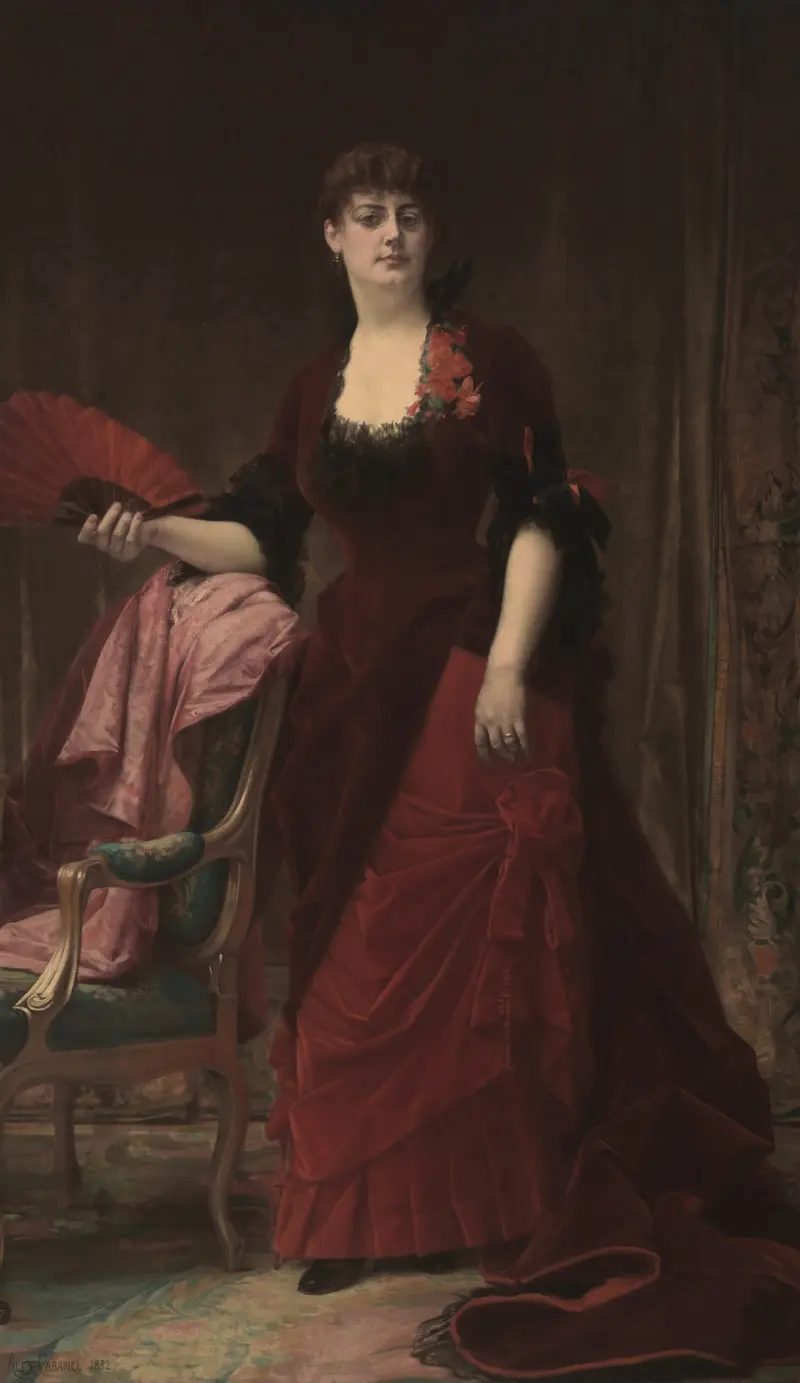
Portrait of Arabella Worsham (later Arabella Huntington)
Alexandre Cabanel
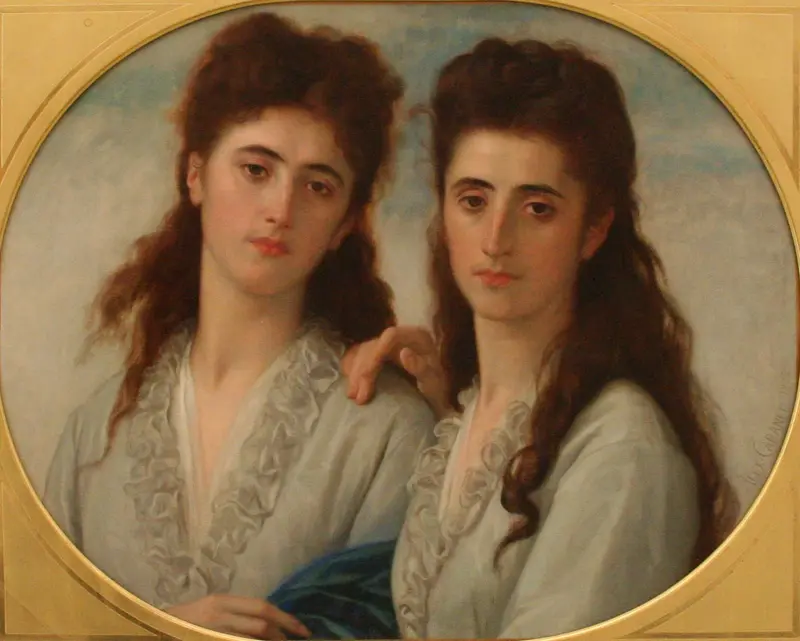
Portrait de mesdemoiselles Sophie et Berthe Cabanel
Alexandre Cabanel
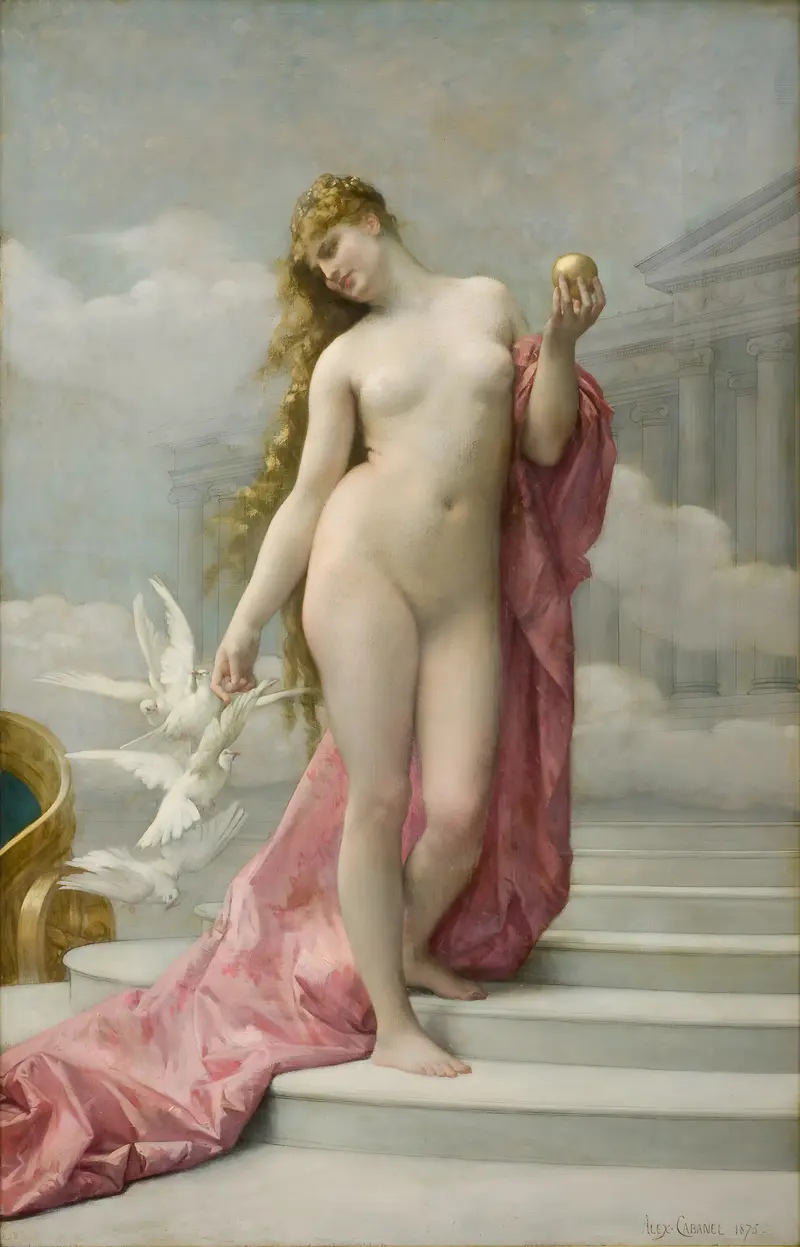
Vénus victorieuse
Alexandre Cabanel
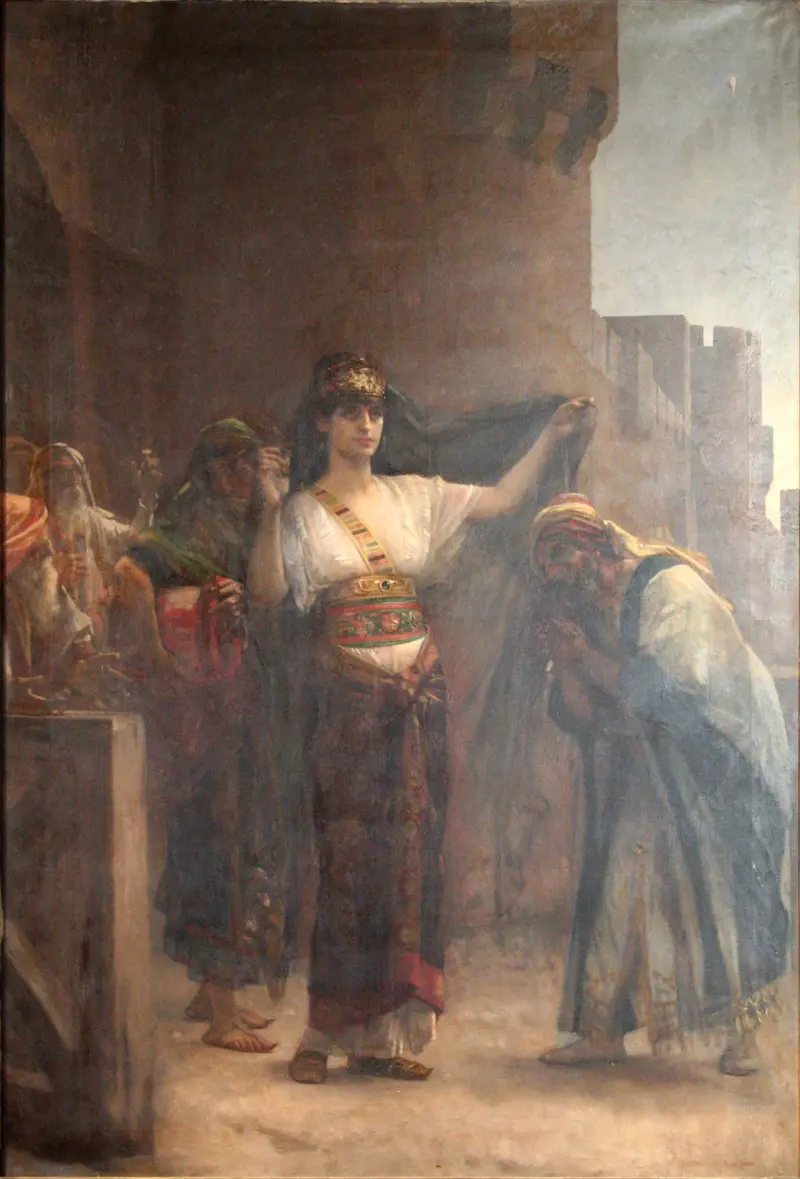
Judith
Alexandre Cabanel
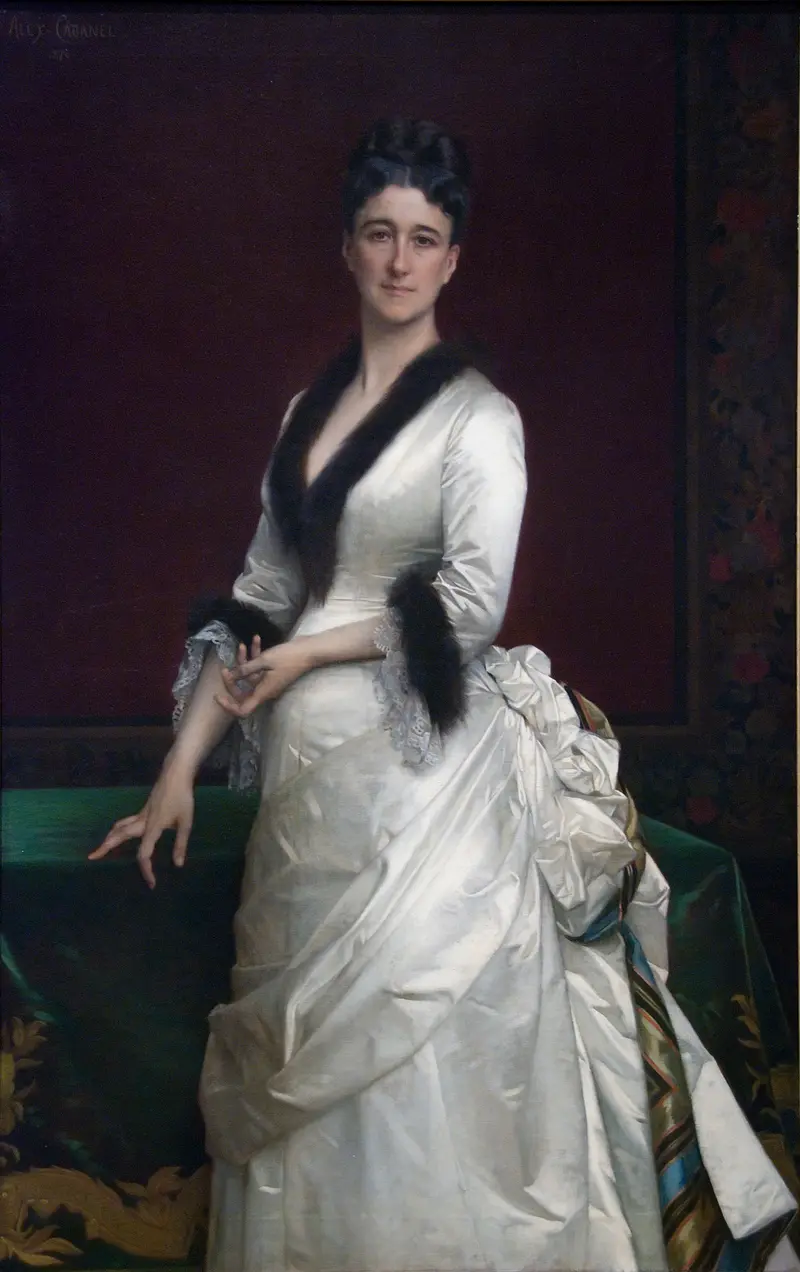
Catharine Lorillard Wolfe (1828–1887)
Alexandre Cabanel
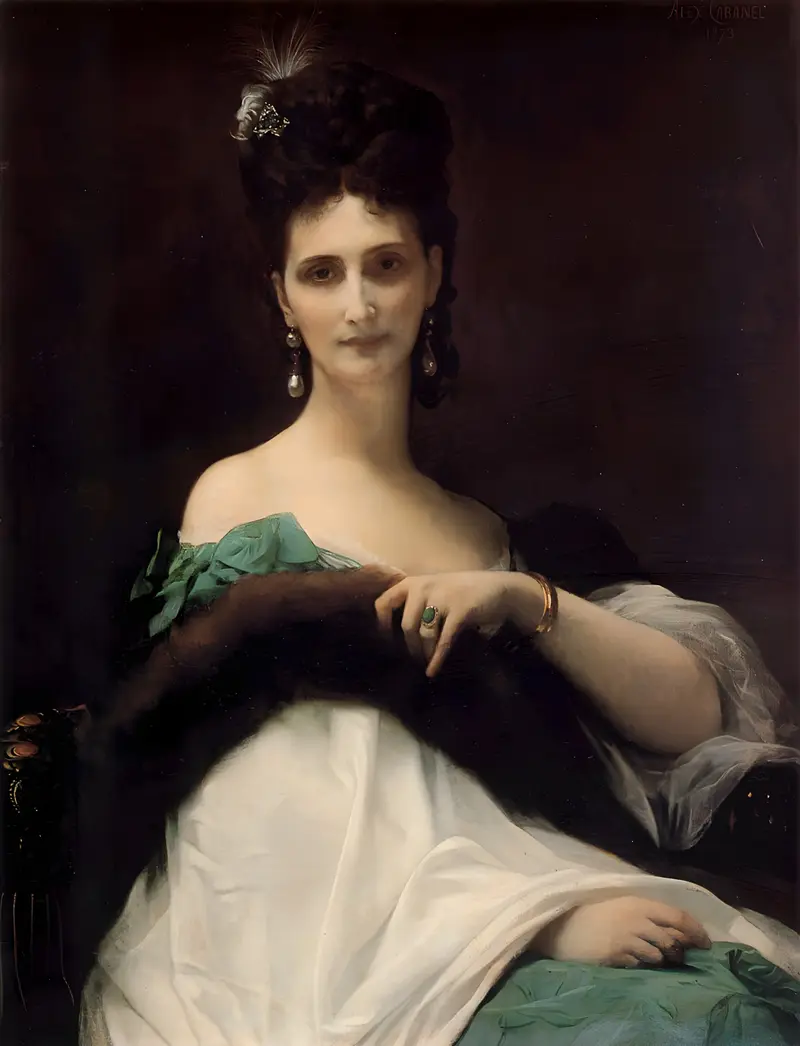
La Comtesse De Keller (marquise de Saint Yves d'Alveydre)
Alexandre Cabanel





