
La veuve du maître de chapelle — History & Facts
What first catches the eye in La veuve du maître de chapelle is the hush that seems to settle over the entire room, as if the painting itself were holding its breath. Alexandre Cabanel draws the viewer into a moment thick with unspoken emotion: the widow, draped in black and white, leans back in her chair, her face pale and distant, as if caught between worlds. Light pours in from the left, illuminating the figure at the organ—perhaps a daughter, her back straight, her hands poised on the keys—while shadows gather around the mourners.
The careful arrangement of hands—one clutching a handkerchief, another resting on a child’s shoulder—speaks of comfort and loss, each gesture a thread in the quiet tapestry of grief. The organ pipes rise behind them, silent witnesses to the scene, their vertical lines echoing the upright dignity of the figures. Painted in 1859, this work belongs to a moment in French art when historical genre scenes—rich in costume, detail, and psychological nuance—were prized by both public and private collectors. The painting’s mood and composition recall the broader 19th-century fascination with domestic rituals and the rituals of mourning, often set in interiors that blend the sacred and the everyday.
In the era of Cabanel, such works were not merely decorative; they were invitations to reflect on the cycles of life and death, the endurance of family, and the consolations of music and faith. Today, the painting resides in the Paris Musées collection, a quiet testament to a time when art sought not only to show, but to console. Let your eyes linger on the play of light and shadow, and see how each figure carries a piece of the story.
More Artworks by Alexandre Cabanel
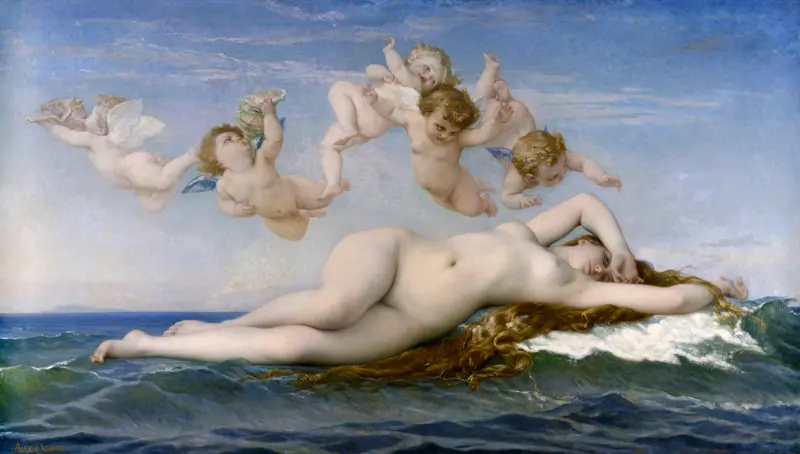
The Birth of Venus
Alexandre Cabanel
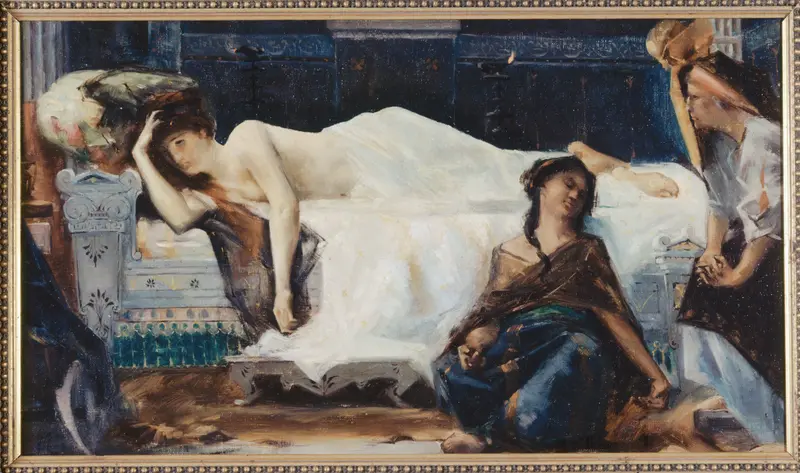
Phèdre
Alexandre Cabanel
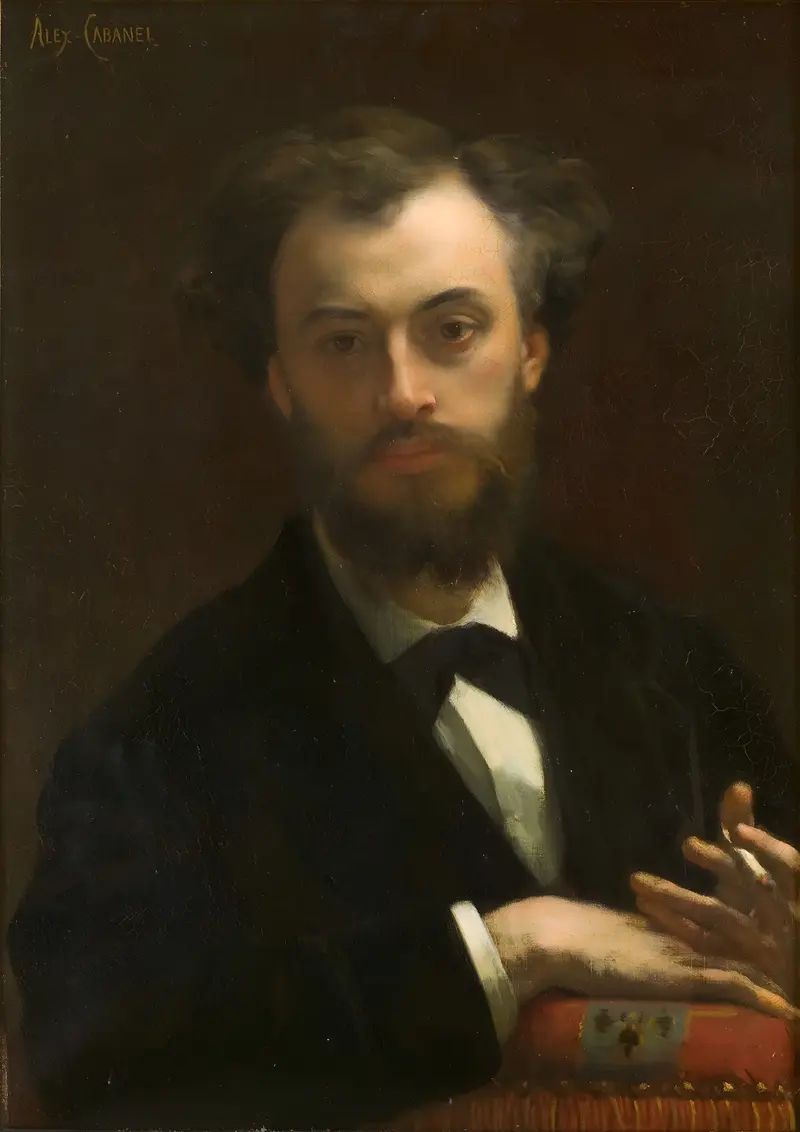
Portrait de M. Pierre Cabanel
Alexandre Cabanel
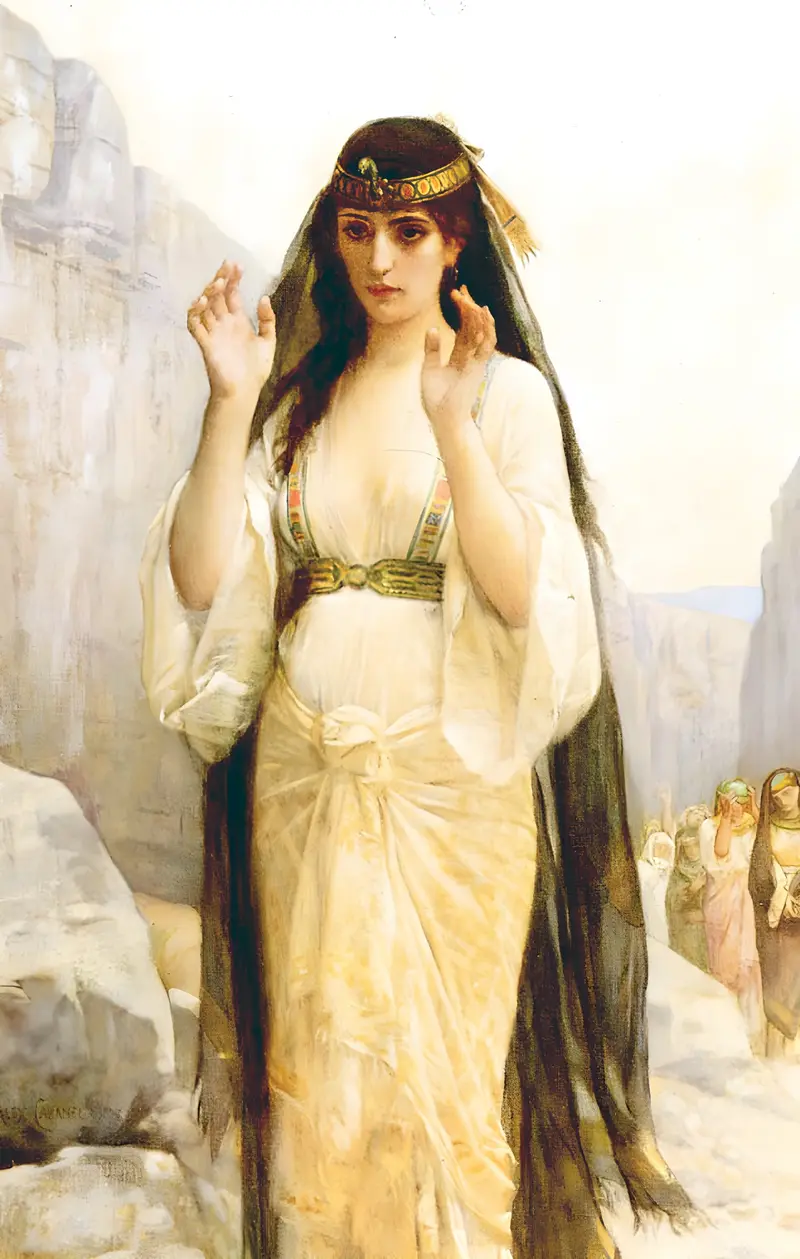
The Daughter of Jephthah
Alexandre Cabanel
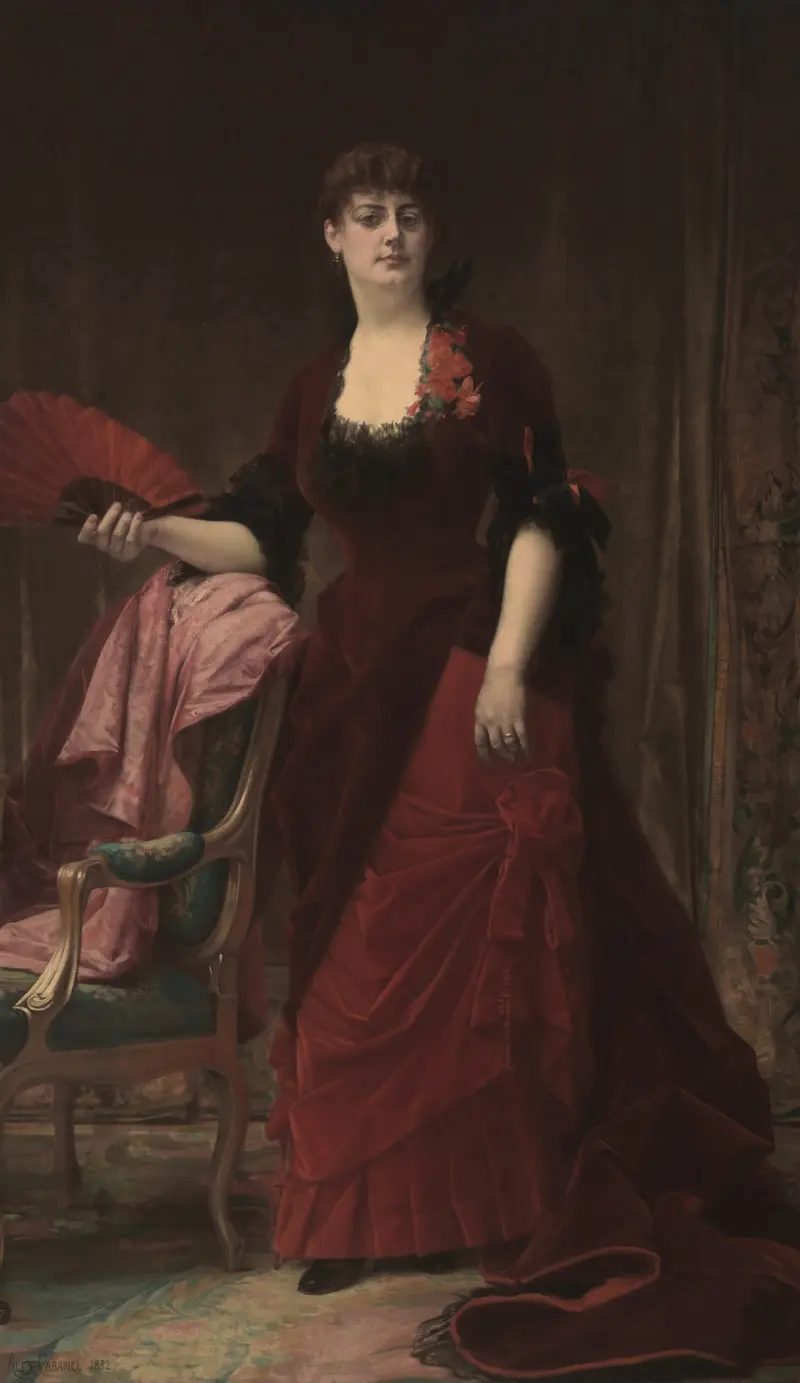
Portrait of Arabella Worsham (later Arabella Huntington)
Alexandre Cabanel
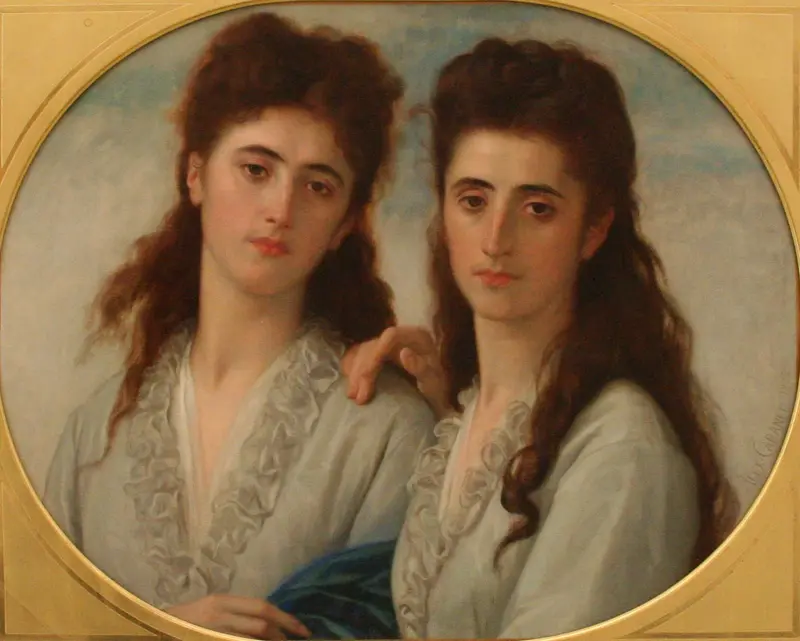
Portrait de mesdemoiselles Sophie et Berthe Cabanel
Alexandre Cabanel
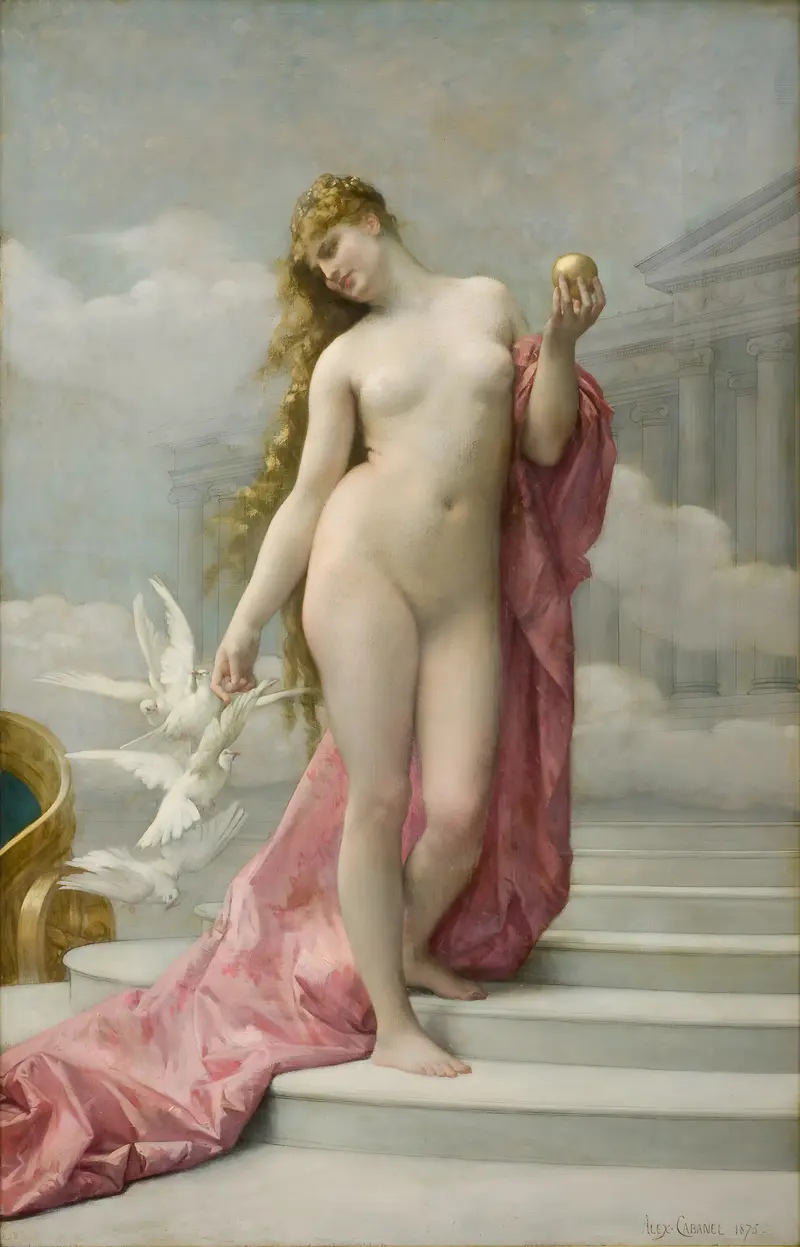
Vénus victorieuse
Alexandre Cabanel
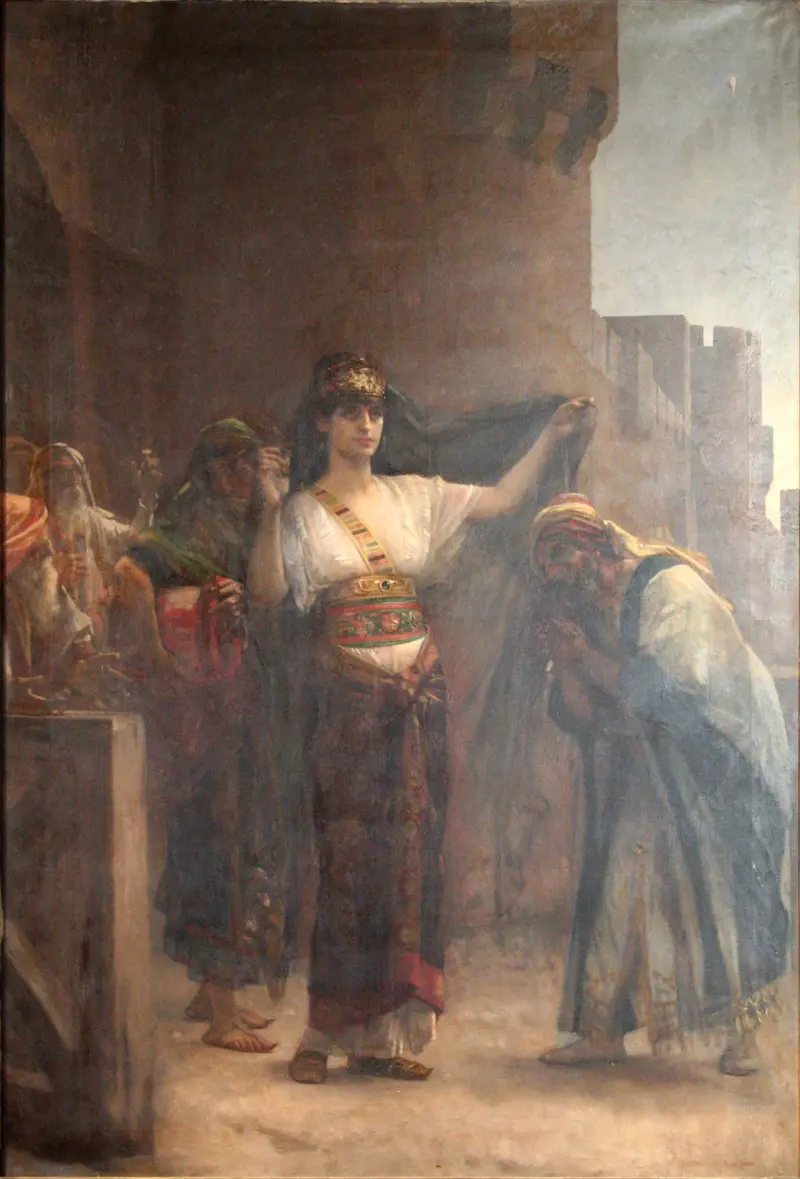
Judith
Alexandre Cabanel
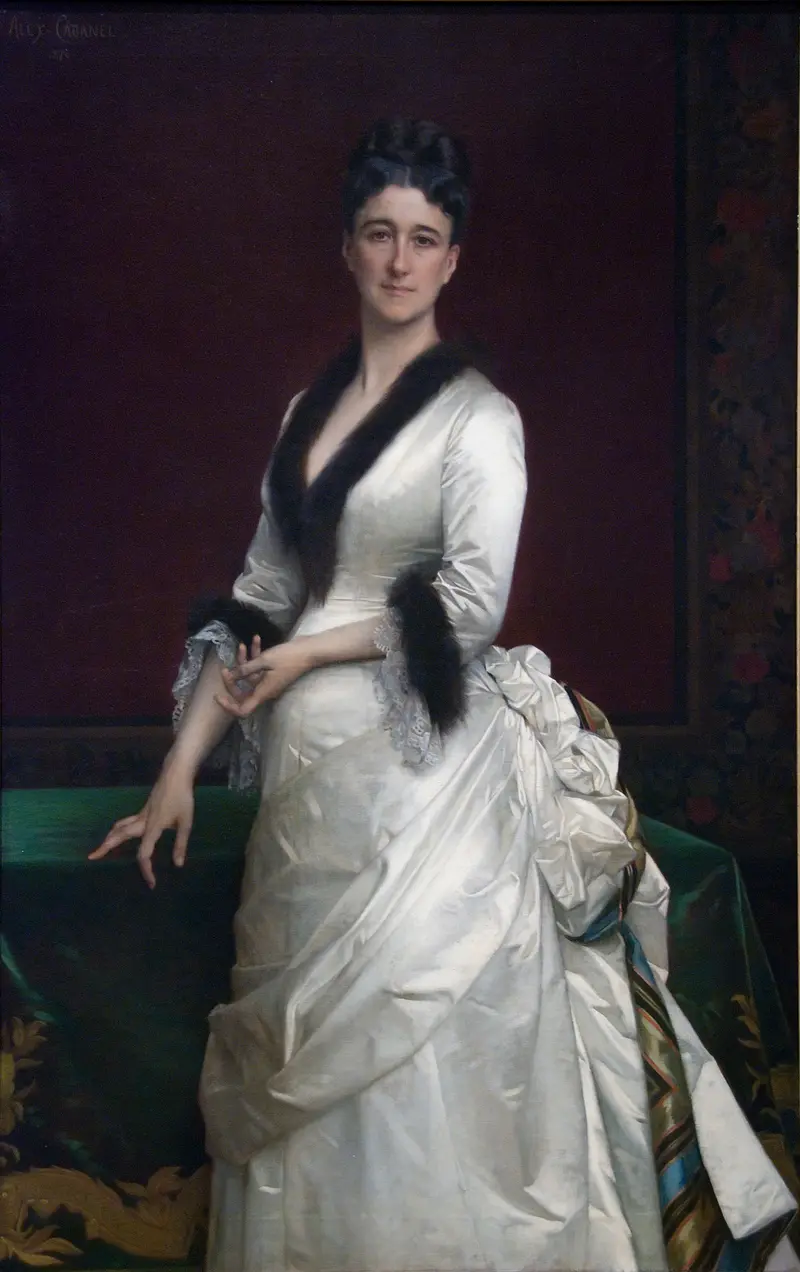
Catharine Lorillard Wolfe (1828–1887)
Alexandre Cabanel
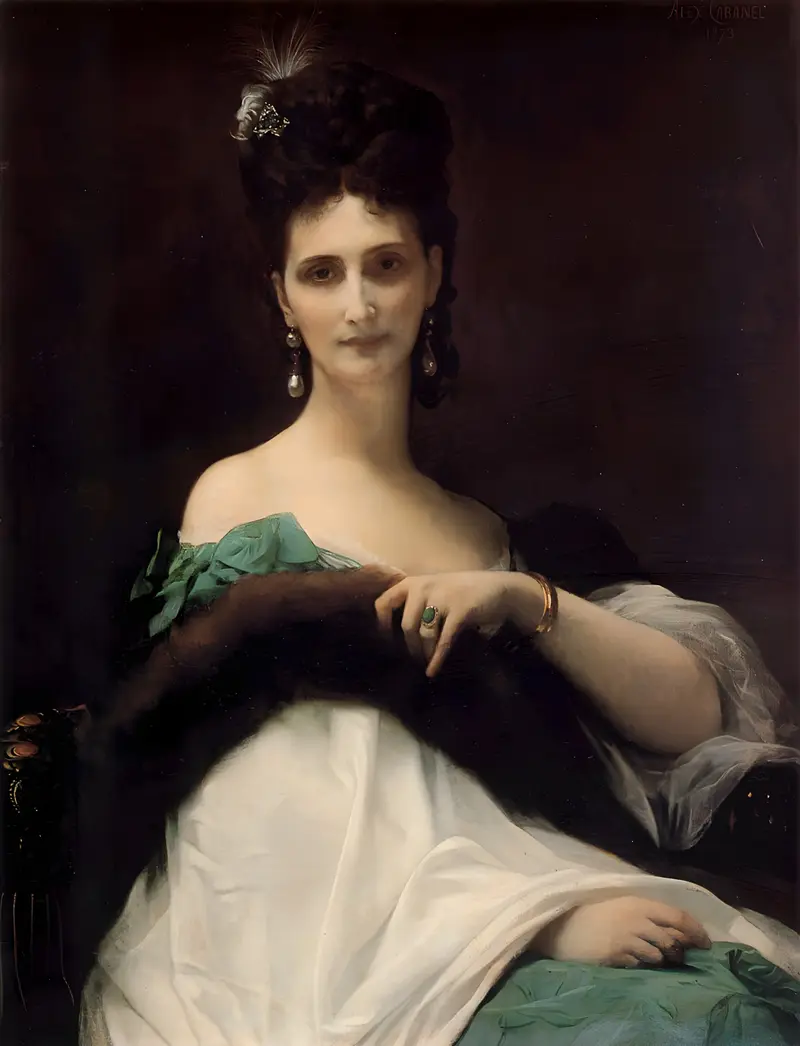
La Comtesse De Keller (marquise de Saint Yves d'Alveydre)
Alexandre Cabanel
More Genre Scene Art

Banquet of the Officers of the St George Civic Guard
Frans Hals

Rembrandt and Saskia in the Scene of the Prodigal Son
Rembrandt van Rijn

Bal du moulin de la Galette
Pierre-Auguste Renoir

Quadrille at the Moulin Rouge
Henri de Toulouse-Lautrec

A Burial at Ornans
Gustave Courbet

When Will You Marry?
Paul Gauguin