
Saint John the Baptist Reclining — History & Facts
In the final year of his turbulent life, Caravaggio painted Saint John the Baptist Reclining, a work that has sparked debate for centuries over its intended meaning and even its attribution. Painted in 1610, just months before the artist's mysterious death, this canvas stands out for its sensuality and ambiguity, prompting scholars to question whether it truly represents the Baptist or a more personal, enigmatic figure. The painting’s provenance is shadowy—no contemporary records mention it, and its earliest documented appearance is long after Caravaggio’s death.
Its languid pose and striking naturalism have led some to speculate it was never meant for a church, but rather for a private collector fascinated by the artist’s bold approach. Here, the young John reclines on a draped red cloth, his body half-turned in a pose more reminiscent of a Roman river god than an ascetic prophet. The only clear sign of his identity is the reed cross lying loosely at his side, a subtle nod to his future as Christ's forerunner. His gaze is downcast, lost in thought, while the play of light across his bare torso highlights both his physicality and vulnerability.
Unlike earlier depictions—such as Leonardo da Vinci’s Saint John the Baptist, where the saint gestures heavenward—Caravaggio’s John is earthbound, introspective, and ambiguous. The absence of the traditional camel-hair garment and the wilderness setting further distance this figure from conventional iconography, inviting viewers to ponder the boundary between sacred and profane. The painting’s journey through history has been as mysterious as its subject. Its early ownership is unclear, and for years, its attribution to Caravaggio was questioned, with some suggesting it was the work of a follower or imitator.
Today, most experts accept it as an authentic late work by the artist, noting its bold brushwork and psychological depth as hallmarks of his mature style. Saint John the Baptist Reclining now resides in the Galleria Borghese in Rome, where it stands as a testament to Caravaggio’s enduring ability to unsettle and fascinate. Created at the end of a life marked by exile and violence, the painting captures both the artist’s restless spirit and his relentless pursuit of truth in the human form.
More Artworks by Caravaggio
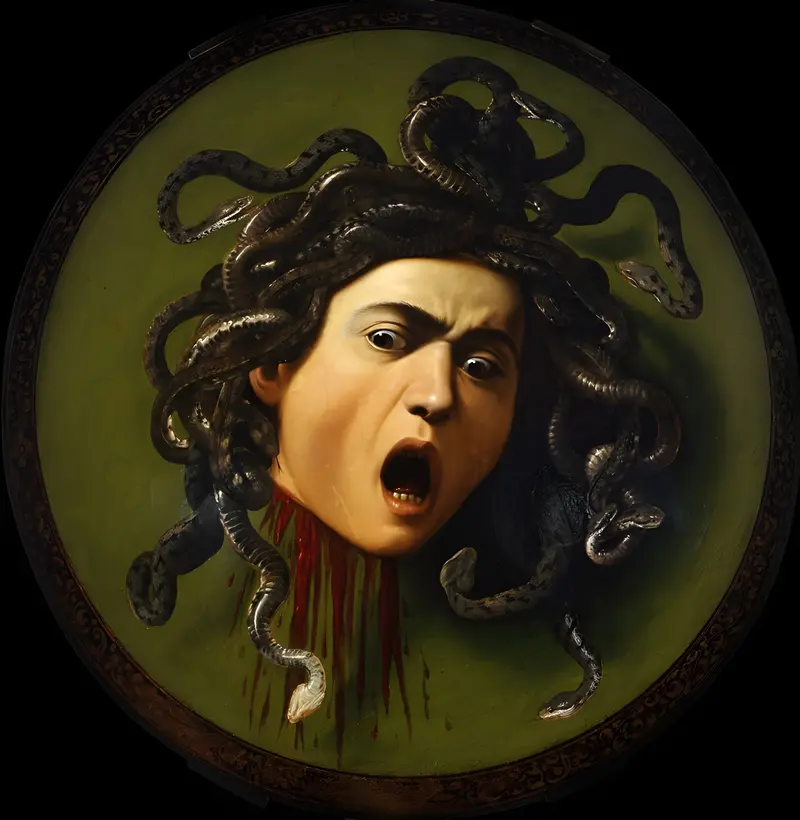
Medusa
Caravaggio
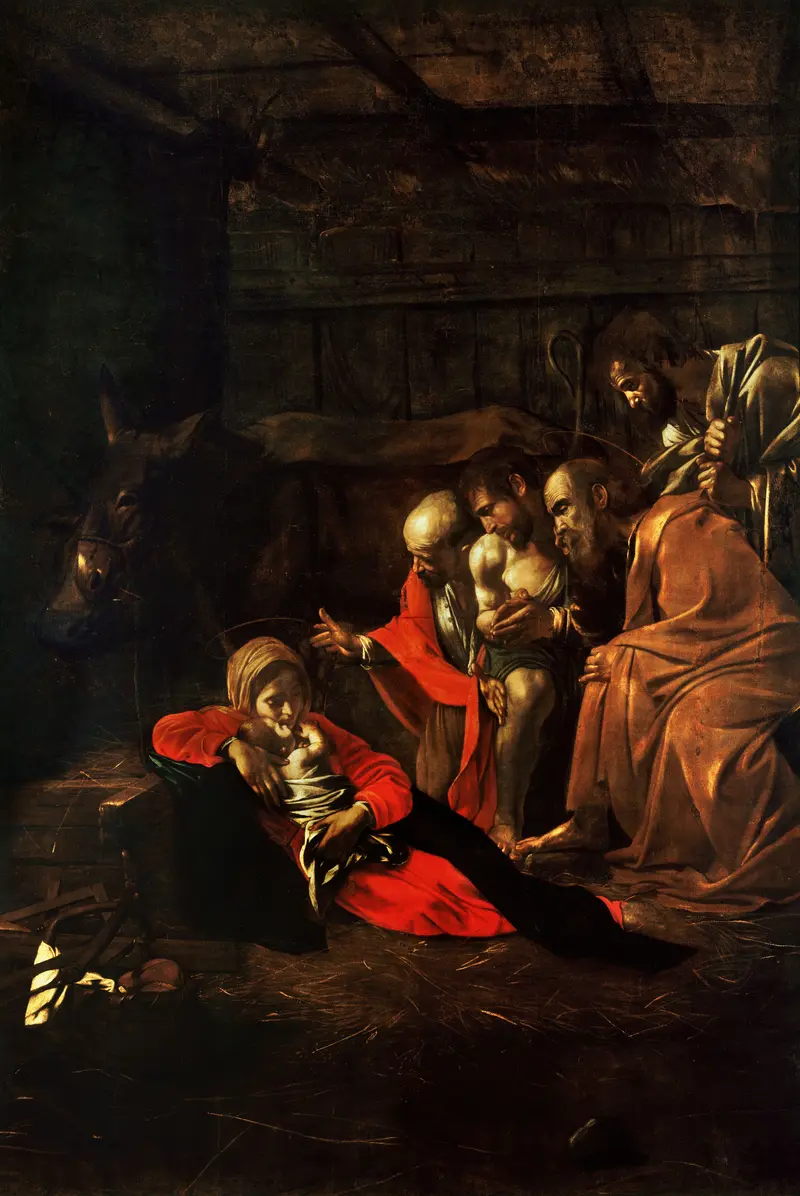
Adoration of the Shepherds
Caravaggio
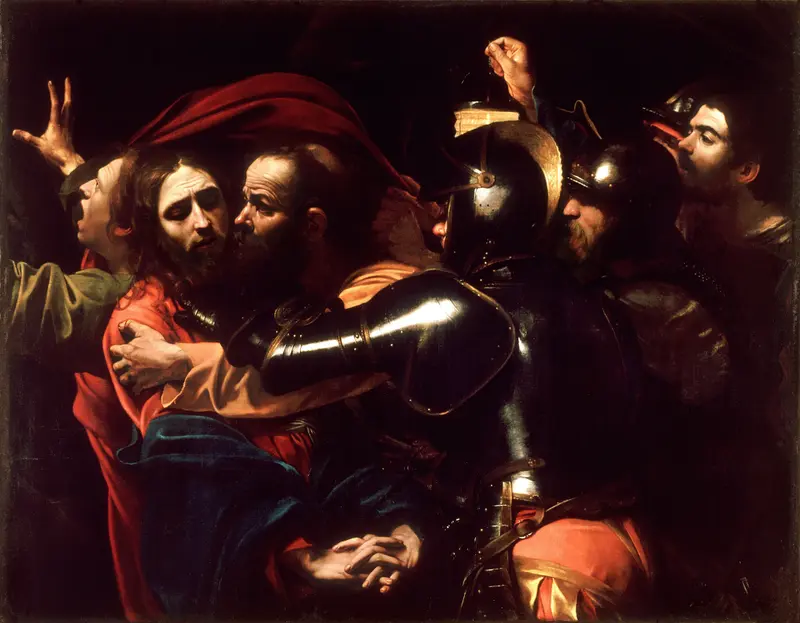
The Taking of Christ
Caravaggio
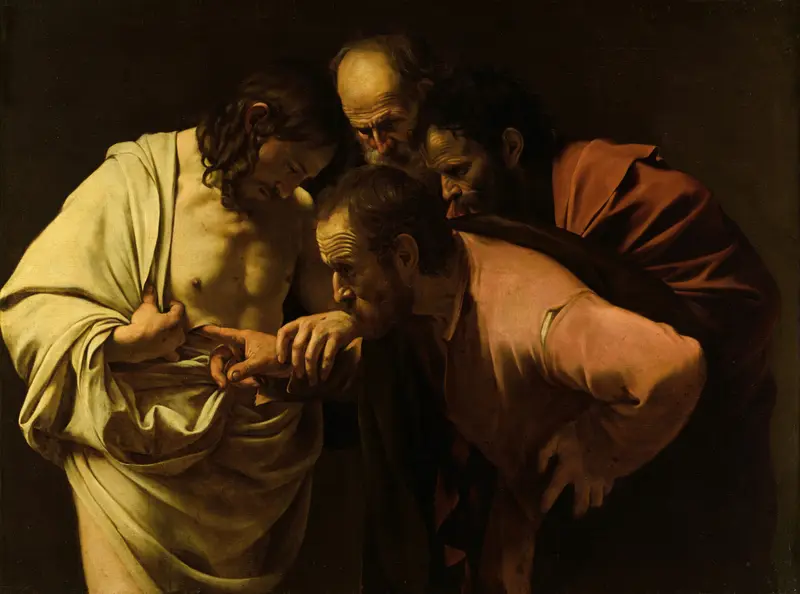
The Incredulity of Saint Thomas
Caravaggio
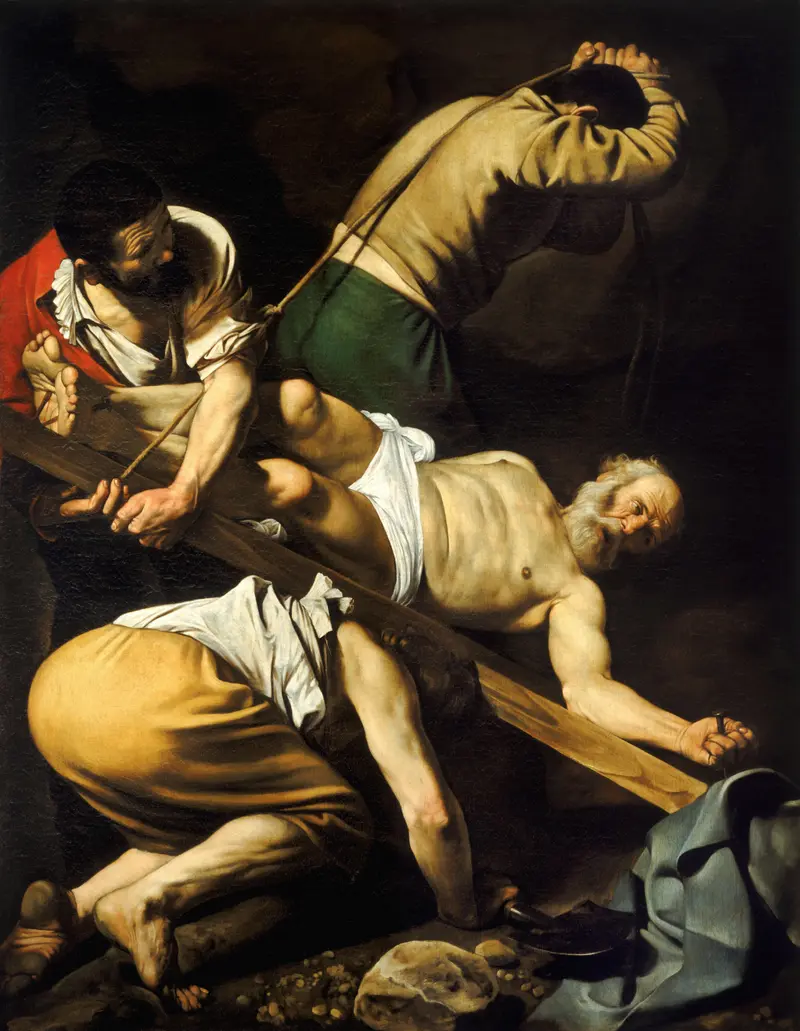
Crucifixion of Saint Peter
Caravaggio
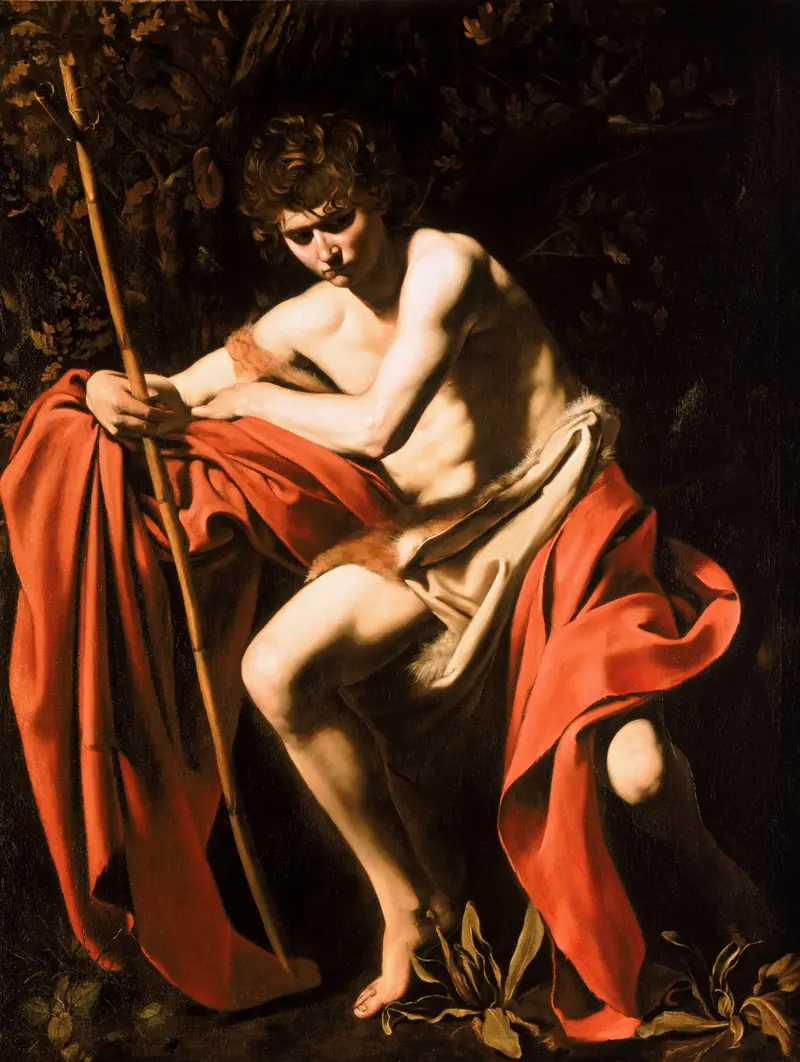
Saint John The Baptist In The Wilderness
Caravaggio

Saint Matthew and the angel
Caravaggio
The Inspiration of Saint Matthew
Caravaggio

Conversion on the Way to Damascus
Caravaggio
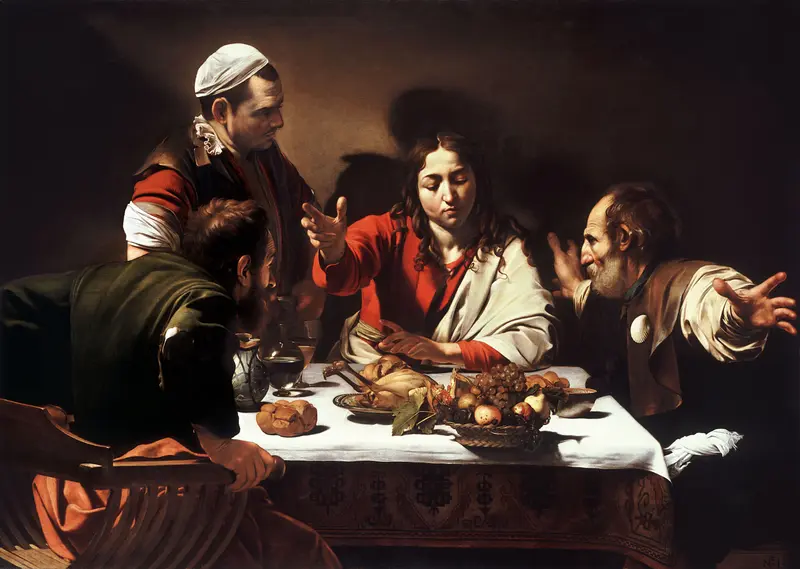
Supper at Emmaus
Caravaggio





