
Saint Mark Preaching in Alexandria — History & Facts
When the Scuola di San Marco in Venice commissioned Saint Mark Preaching in Alexandria from Giovanni Bellini and his workshop around 1500, they demanded not just a painting, but a spectacle: a vision of Venice’s own patron saint, set in the dazzling, cosmopolitan heart of the ancient world. The result was a vast, teeming canvas that became a kind of manifesto for Venice’s self-image as the new Alexandria—open to East and West, a crossroads of faith and commerce. This painting is remarkable not only for its scale and ambition, but for the way it fuses the sacred and the worldly, the biblical and the contemporary, in a single, crowded piazza. Bellini chooses the moment when Saint Mark, Venice’s adopted evangelist, stands before a diverse crowd in Alexandria, his right hand raised in blessing and persuasion.
The architecture behind him is an imaginative blend of Egyptian grandeur and Venetian splendor, with domes and minarets echoing the skyline of Bellini’s own city. The crowd is a tapestry of faces: Greeks, Egyptians, Venetians in turbans and flowing robes, merchants and pilgrims, all listening intently or caught in private conversations. A lion—symbol of Saint Mark—rests at his feet, anchoring the scene in Venetian identity.
Unlike the stark drama of Tintoretto’s later Saint Mark Saving a Slave, Bellini’s vision is civic and ceremonial, a celebration of peaceful encounter rather than miraculous intervention. The painting’s journey has been as complex as the city it celebrates. Originally created for the Scuola di San Marco, it was the collaborative effort of Bellini and his assistants, including the young Titian, whose hand some scholars detect in the lively crowd. Over centuries, the panel suffered damage and restoration, and debates have continued over the precise contributions of each artist.
Today, Saint Mark Preaching in Alexandria is housed in the Accademia in Venice, where it stands as a testament to the city’s golden age and to Bellini’s late style—where the boundaries between East and West, past and present, are as fluid as the waters of the lagoon.
More Artworks by Giovanni Bellini
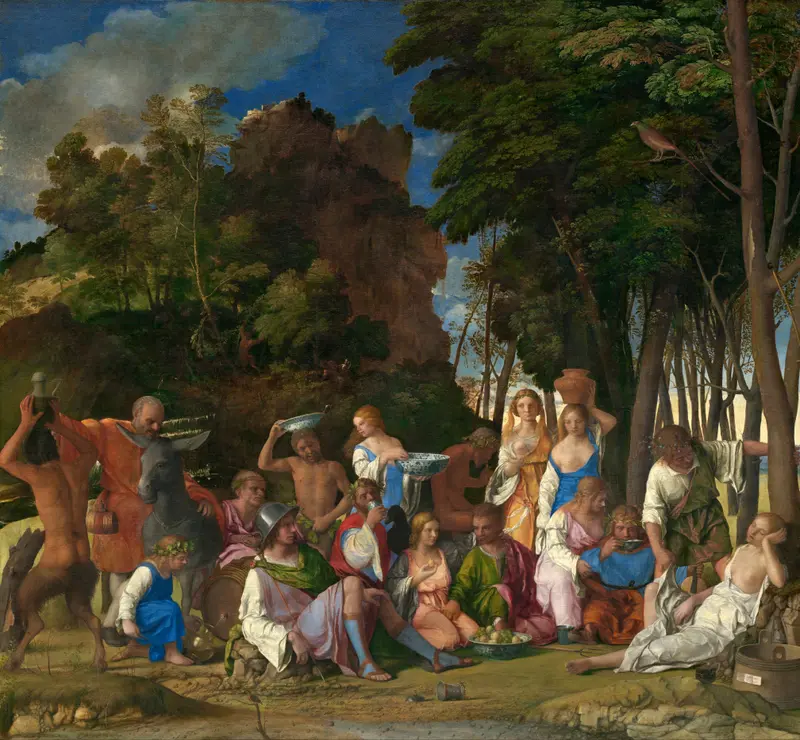
The Feast of the Gods
Giovanni Bellini

Madonna and Child enthroned with Saints and Angels
Giovanni Bellini
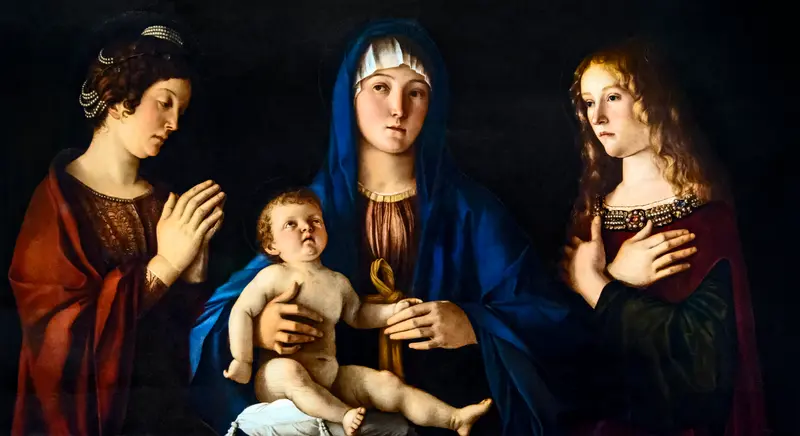
Madonna and Child between Saints Catherine and Mary Magdalene
Giovanni Bellini
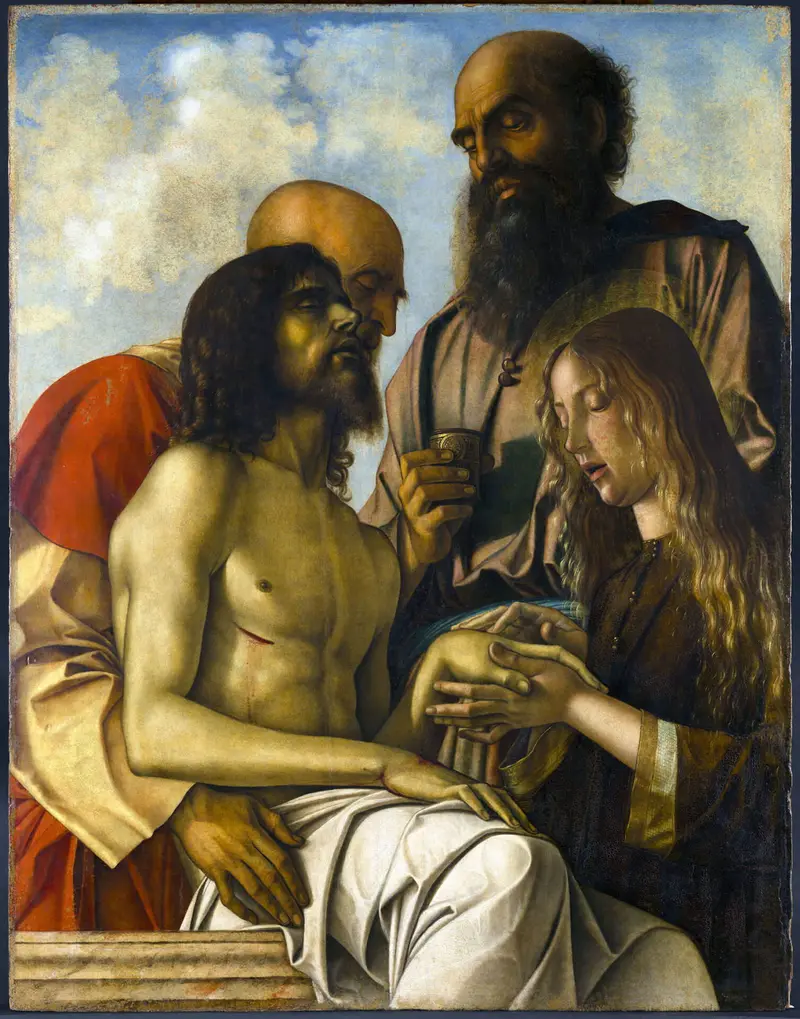
Lamentation over the Dead Christ
Giovanni Bellini
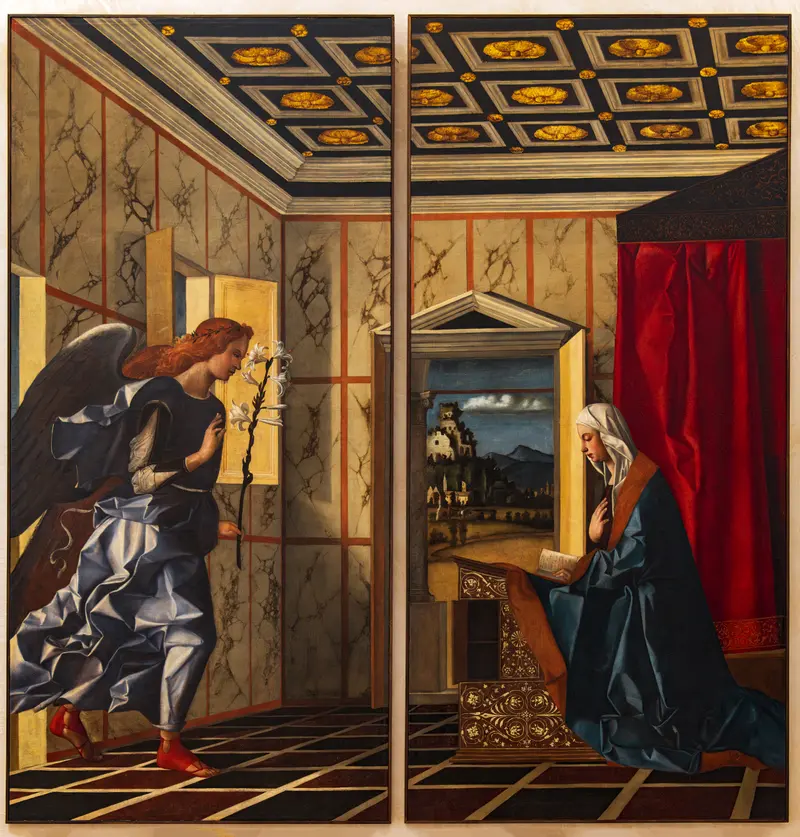
Annunciation
Giovanni Bellini
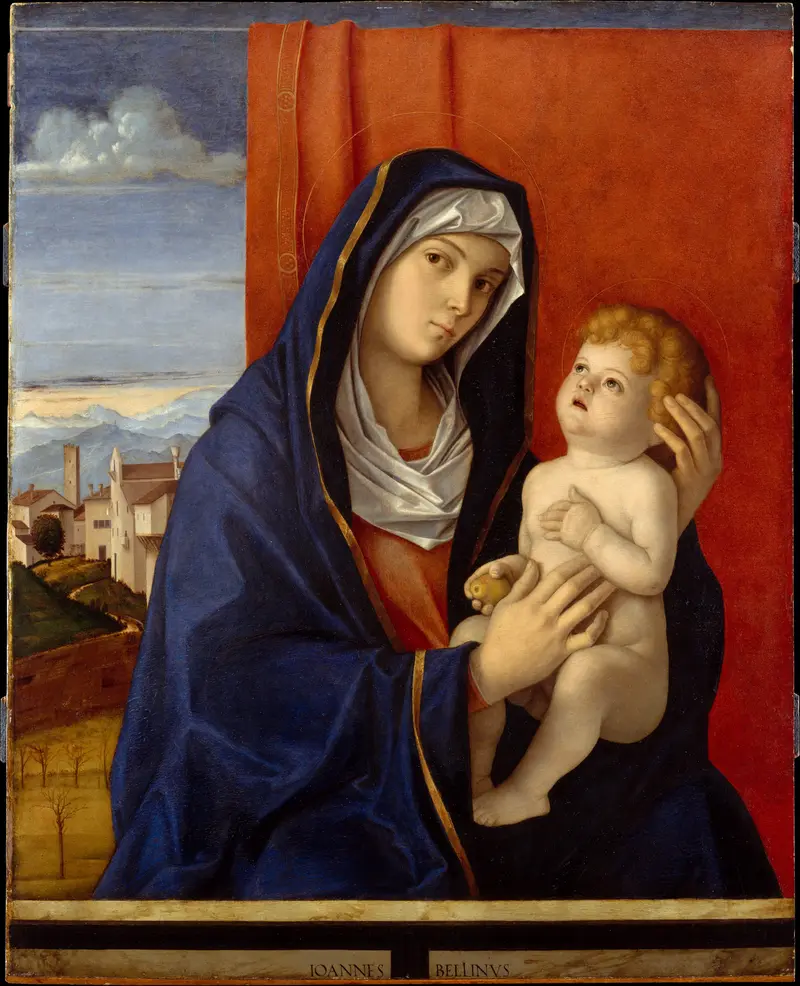
Madonna and Child
Giovanni Bellini
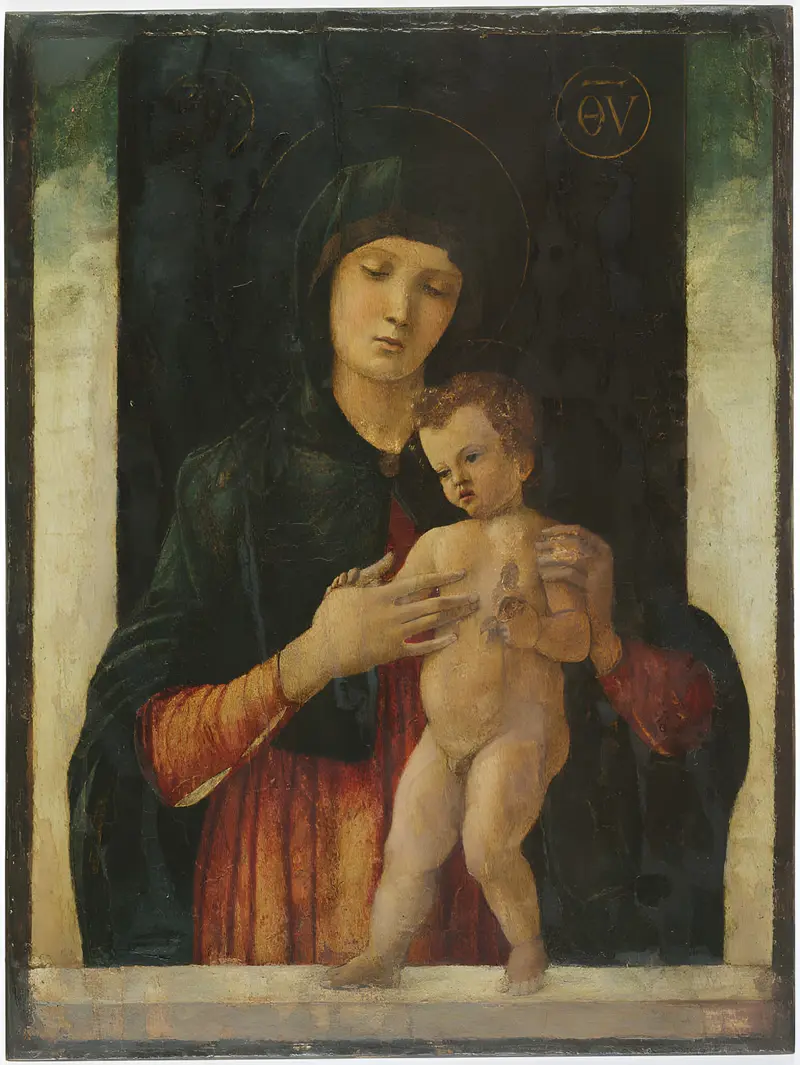
The Virgin and Child
Giovanni Bellini
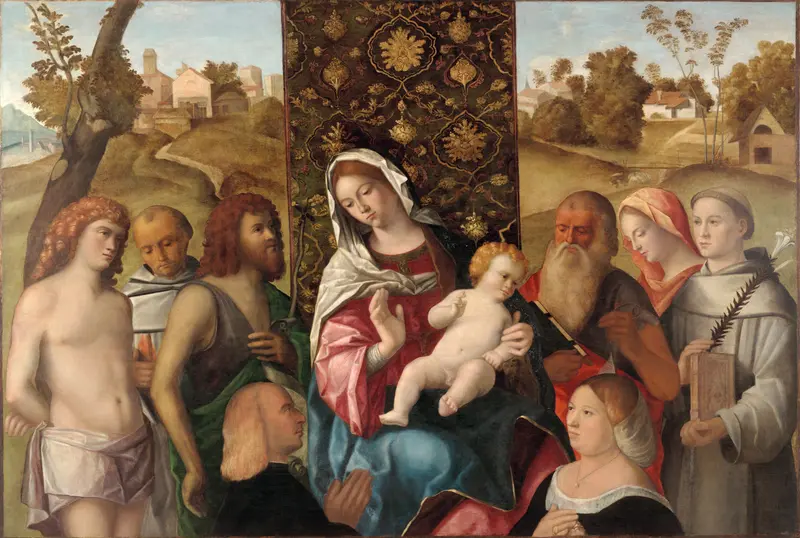
Virgin and Child with Saints Sebastian, Francis, John the Baptist, Jerome, an unidentified female saint, Saint Anthony of Padua and two donors
Giovanni Bellini
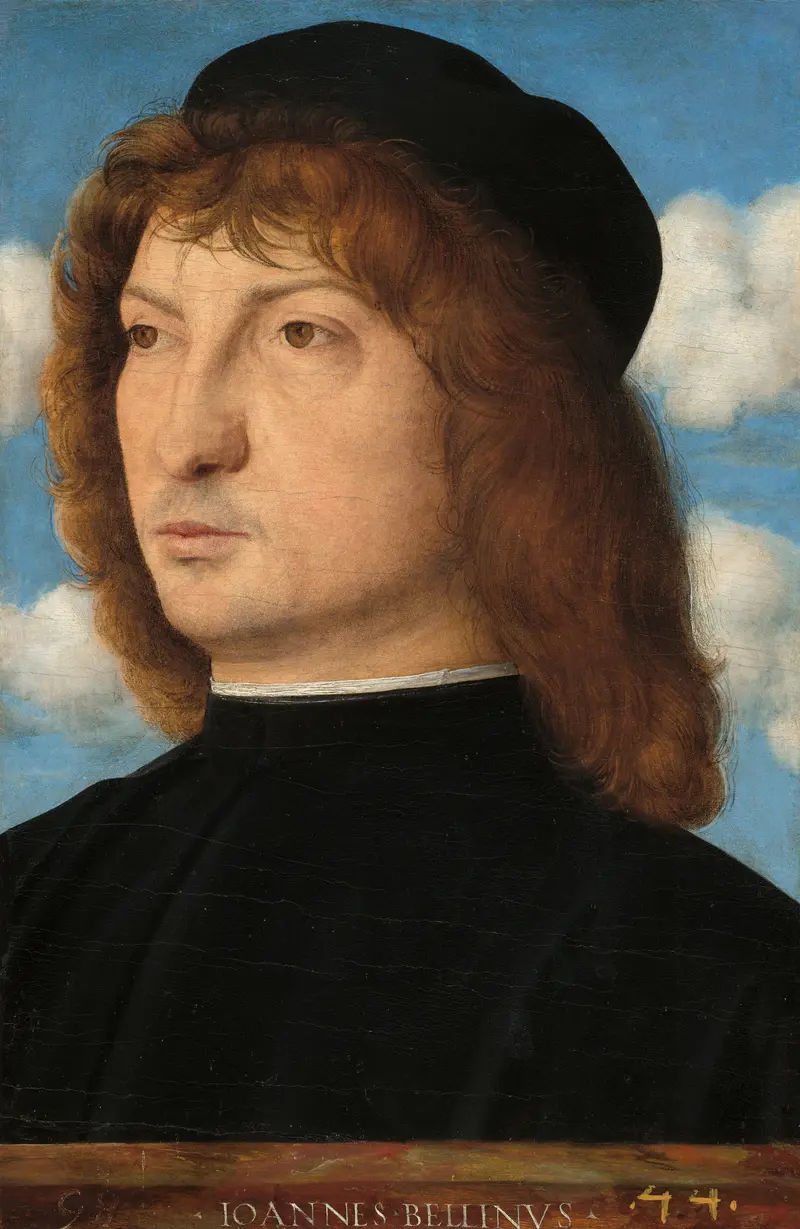
Portrait of a Venetian Gentleman
Giovanni Bellini
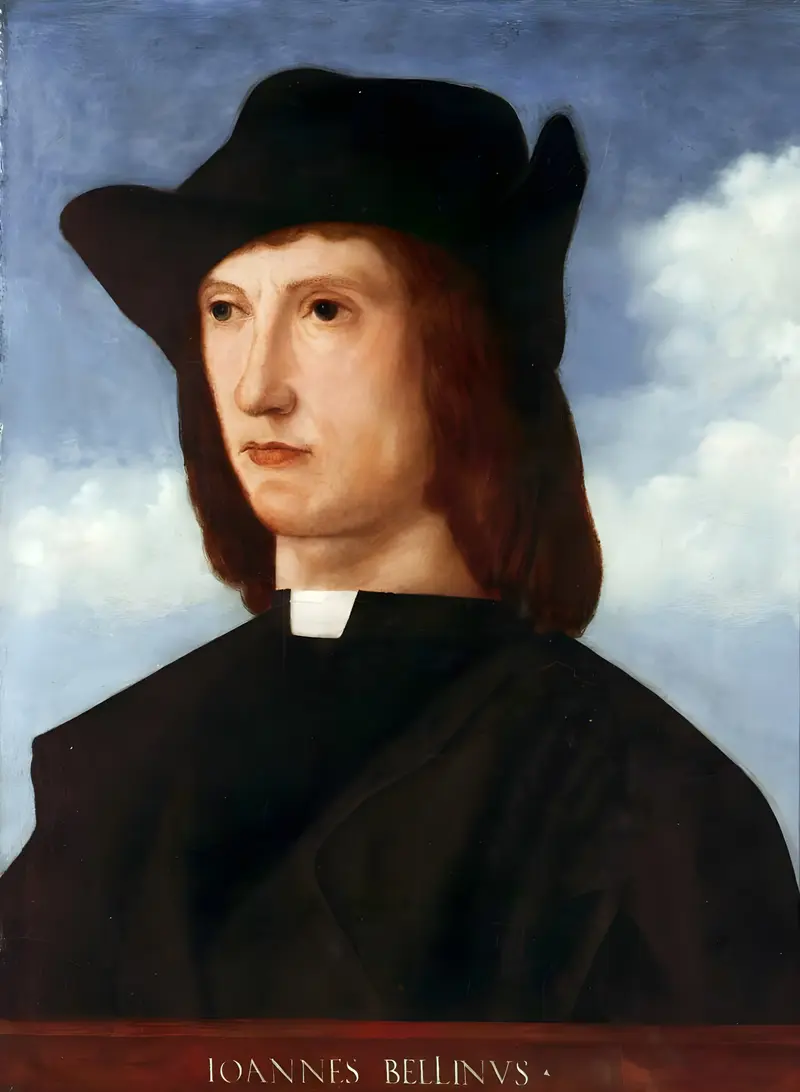
Portrait of a Young Man
Giovanni Bellini





