
Saint Sebastian Tended by the Holy Women — History & Facts
What first arrests the eye in Saint Sebastian Tended by the Holy Women is not the suffering of the martyr, but the hush that falls over the scene—a moment suspended between agony and care. The body of Sebastian, pale and luminous against the darkness, draws the viewer into his ordeal, but it is the gentle, almost surgical attention of the women that commands the true drama. One woman leans in, intent on removing an arrow, her hands steady and practical, while the other, robed in deep red, offers a vessel—perhaps oil or balm—her gaze meeting ours with a quiet gravity.
Above, a pair of cherubs hover, one holding the martyr’s palm of victory, their presence a whisper of hope in the shadowed air. Painted in 1621, this work by Jusepe de Ribera belongs to the early years of the Spanish Baroque, when artists sought to bring sacred stories into the viewer’s world with raw immediacy. Ribera’s stark contrasts of light and shadow, the tenebrism inherited from Caravaggio, heighten the physicality of Sebastian’s body and the tactile reality of the women’s care. Such images were commissioned for churches and private devotion alike, intended to inspire both compassion and emulation in their beholders.
While history has kept few traces of this particular canvas’s journey, its presence in a modern collection invites us to linger over the interplay of pain and mercy, and to notice how Ribera’s brush turns martyrdom into an act of human tenderness.
More Artworks by Jusepe de Ribera

Saint Francis of Paola
Jusepe de Ribera

Penitent Saint Peter
Jusepe de Ribera
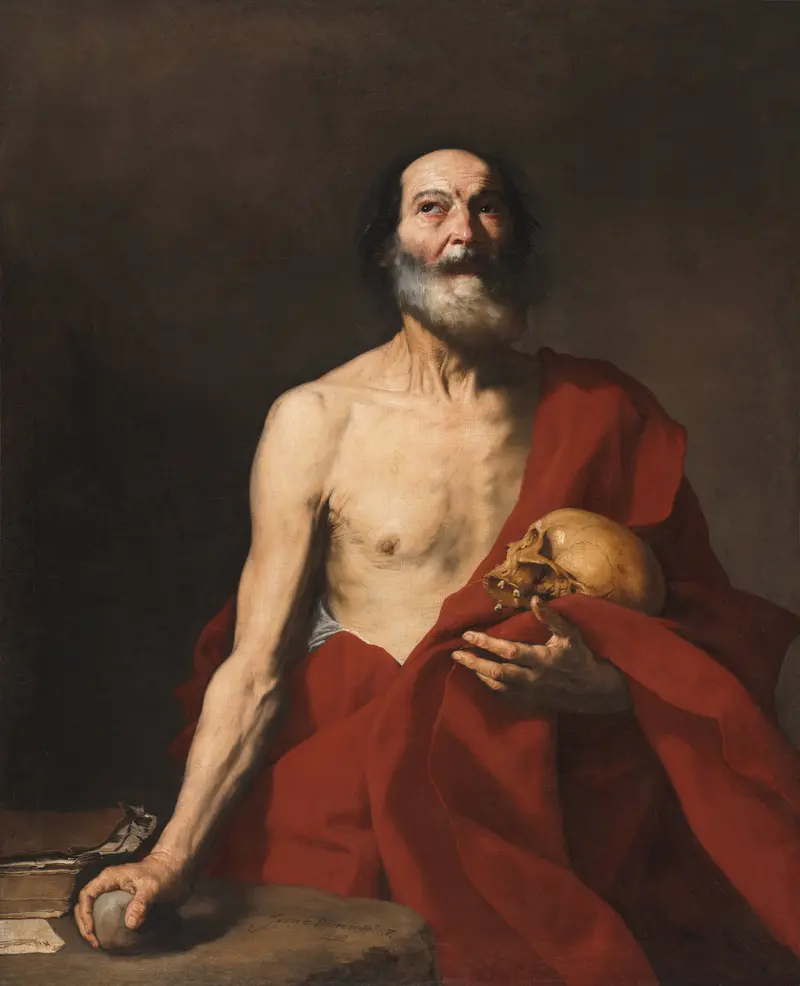
Saint Jerome
Jusepe de Ribera
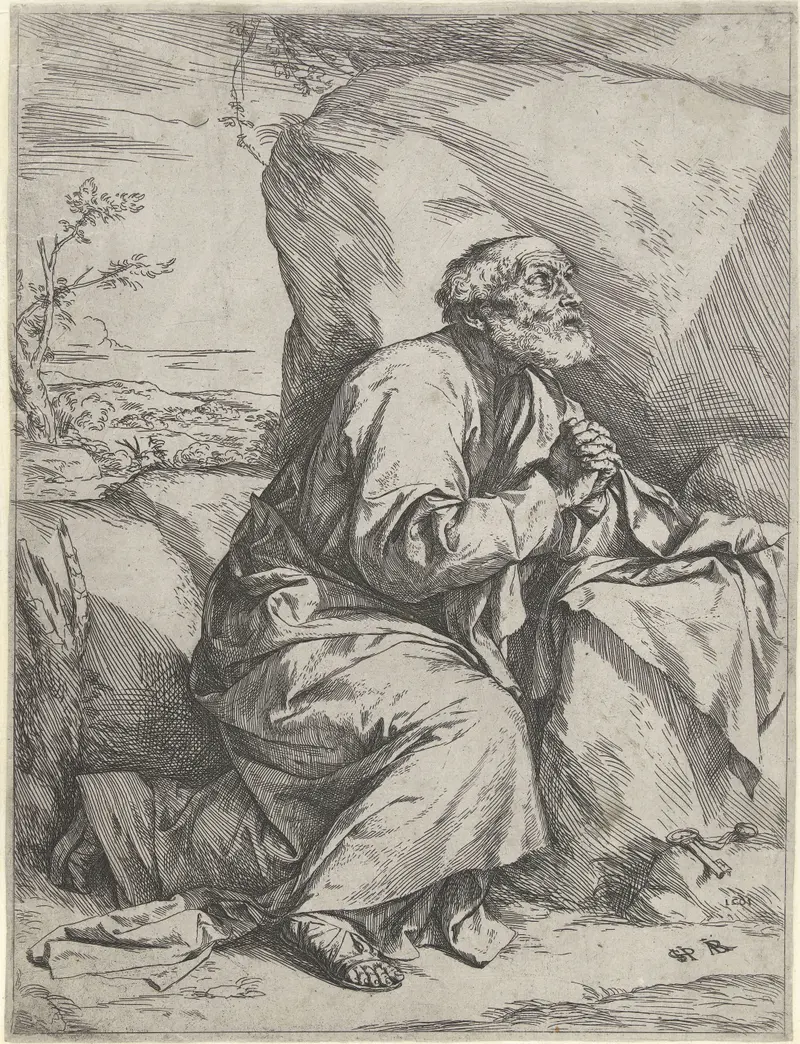
Boetvaardige Petrus
Jusepe de Ribera
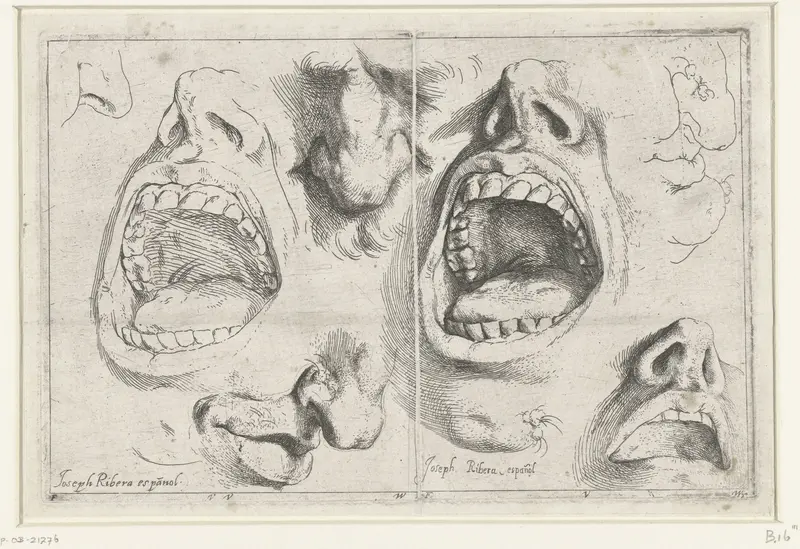
Studies van neus en mond
Jusepe de Ribera
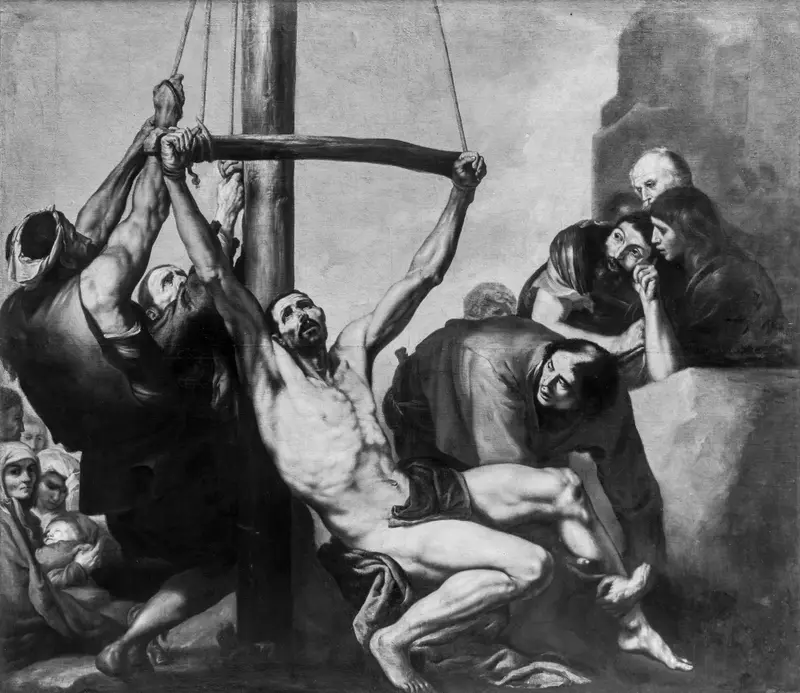
The Martyrdom of Saint Bartholomew
Jusepe de Ribera
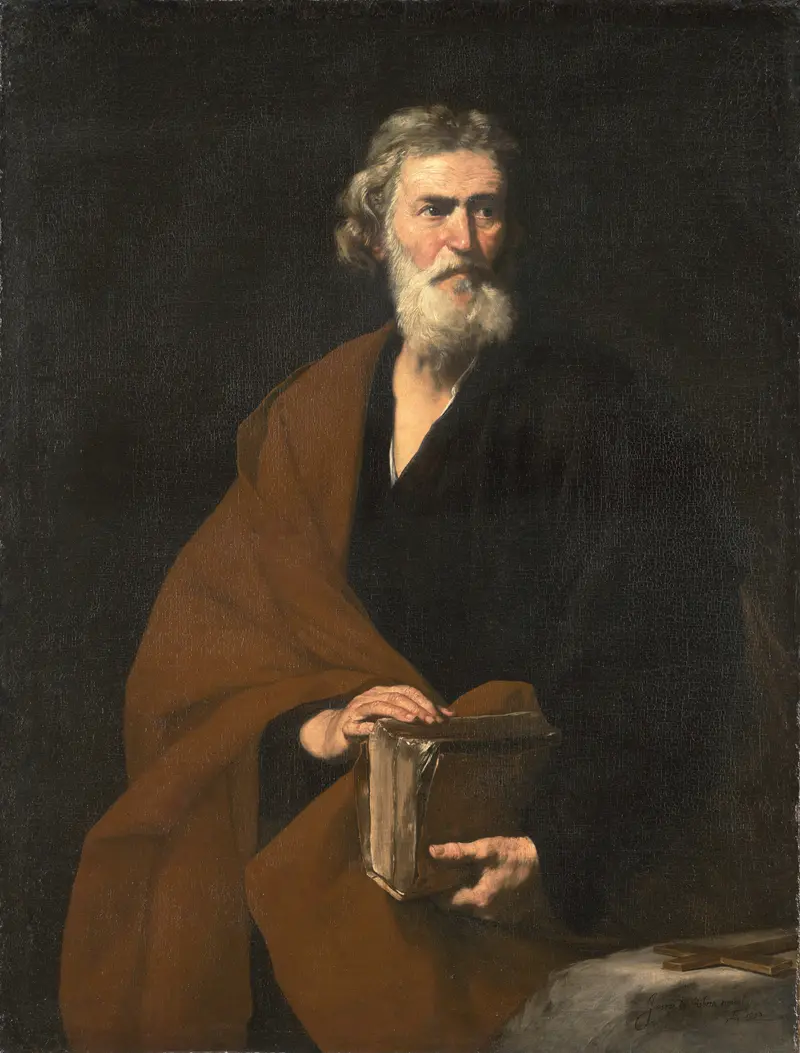
Saint Matthew
Jusepe de Ribera
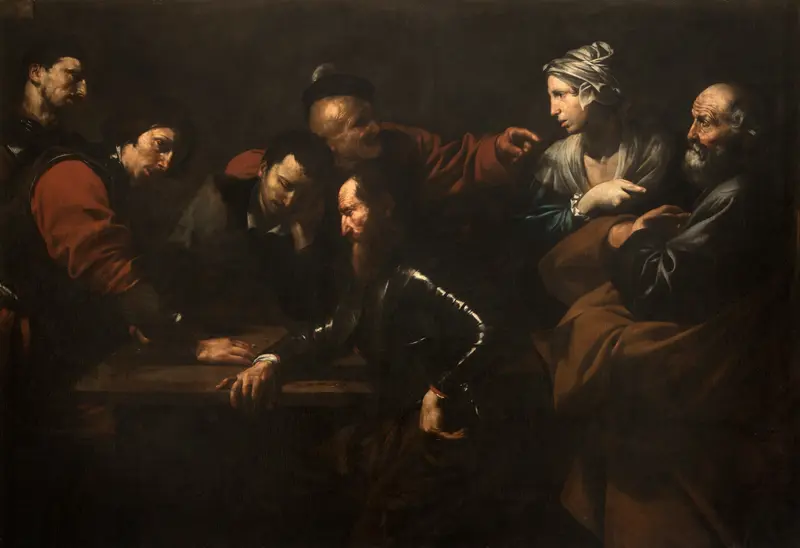
The Denial of Saint Peter
Jusepe de Ribera
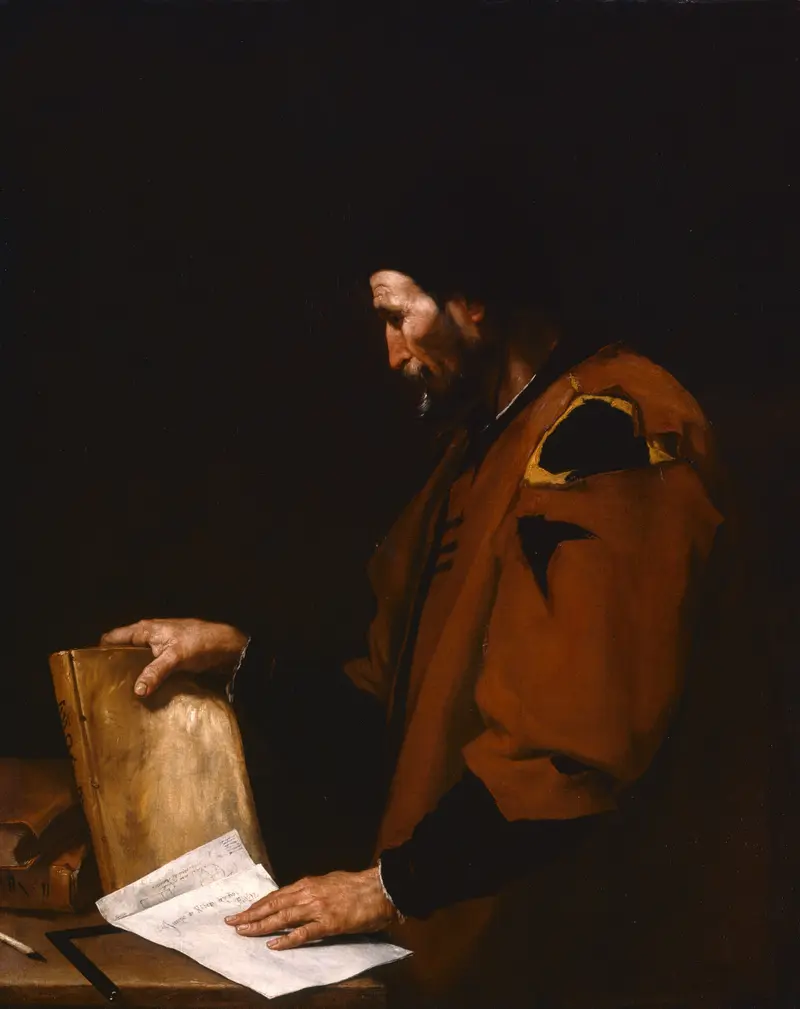
Aristotle
Jusepe de Ribera
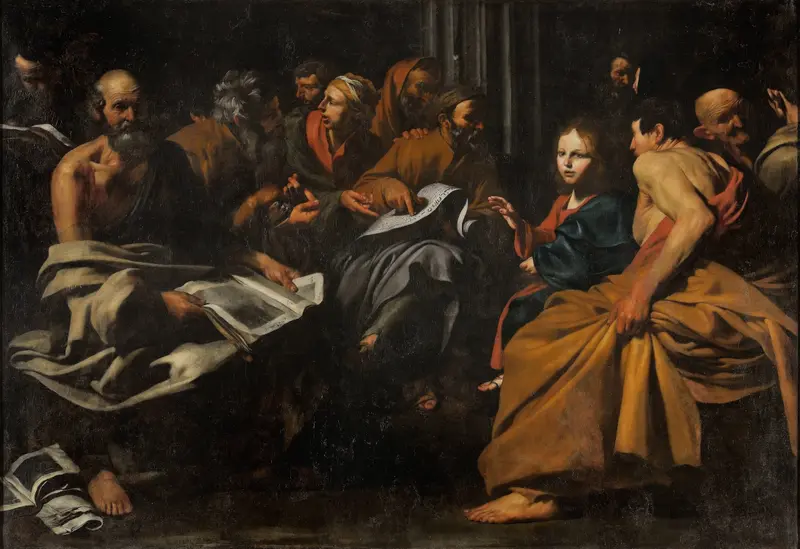
Christ among the doctors
Jusepe de Ribera





