
Saint-Étienne-du-Mont in Parijs — History & Facts
Where does light end, and longing begin? In Saint-Étienne-du-Mont in Parijs, the veil between the sacred and the profane is drawn taut, capturing a moment where serenity meets an unsettling undercurrent of violence. Look to the left, where the intricate architecture of the church rises, its gothic spires piercing the atmosphere like unsheathed swords. Notice how the light cascades through the stained glass, splashing colors onto the stone below, illuminating the solemn figures gathered in prayer. The contrast between the warm glow and the cold stone evokes a sense of both solace and unease, enveloping the viewer in a visual dialogue between safety and threat. Delve deeper into the shadows, where the edges blur and figures seem to merge with the walls, hinting at the transient nature of existence.
The juxtaposition of light and dark not only highlights the sacredness of the space but also suggests an underlying tension—a reflection of the societal anxieties of the time. This interplay of beauty and potential violence serves as a reminder of the fragility of peace, inviting viewers to explore their own emotions entwined within the church’s serene facade. Etienne Bosch created this artwork between 1873 and 1931, a time marked by rapid change and social turmoil in Europe. As modernism began to redefine the art world, Bosch found his voice amidst the shifts, drawing inspiration from both the historic and the contemporary.
His choice of subject reflects a fascination with the duality of sacred spaces, capturing the essence of a community grappling with both faith and an ever-looming violence in the backdrop of a changing society.
More Artworks by Etienne Bosch
Browse all →
Gezicht op de achterkant van de Notre Dame in Parijs Notre Dame
Etienne Bosch
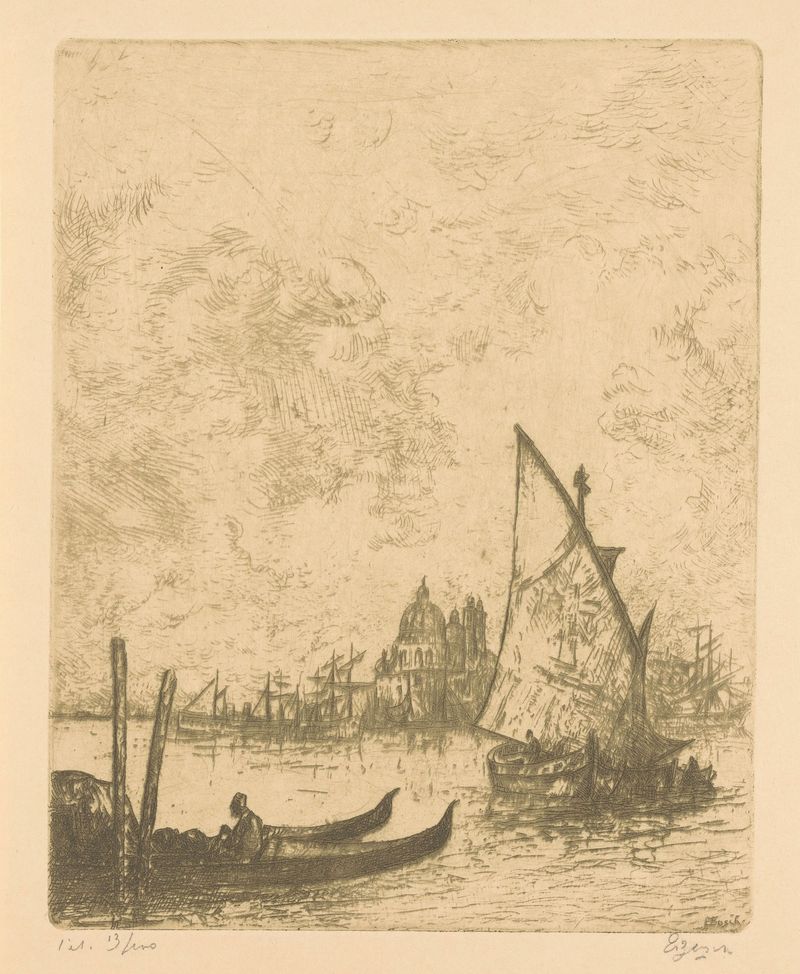
Venetië
Etienne Bosch

Amsterdamse poort te Haarlem
Etienne Bosch

Le Palatin Rome
Etienne Bosch

Landschap bij Rome
Etienne Bosch
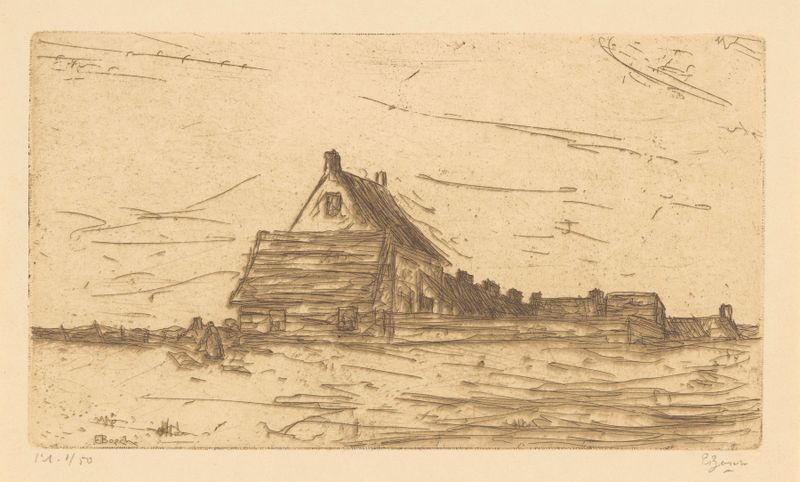
Boerenwoning
Etienne Bosch

Scheveningen
Etienne Bosch
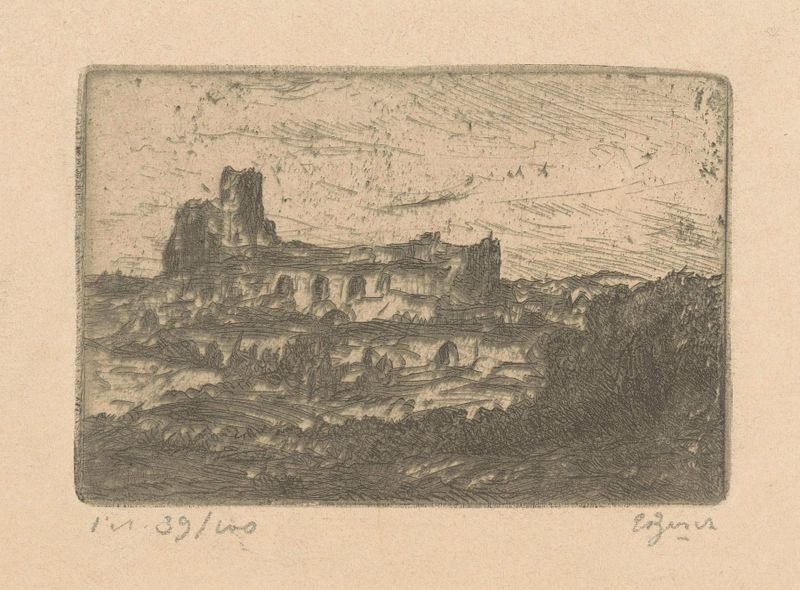
Ruïne Rome
Etienne Bosch
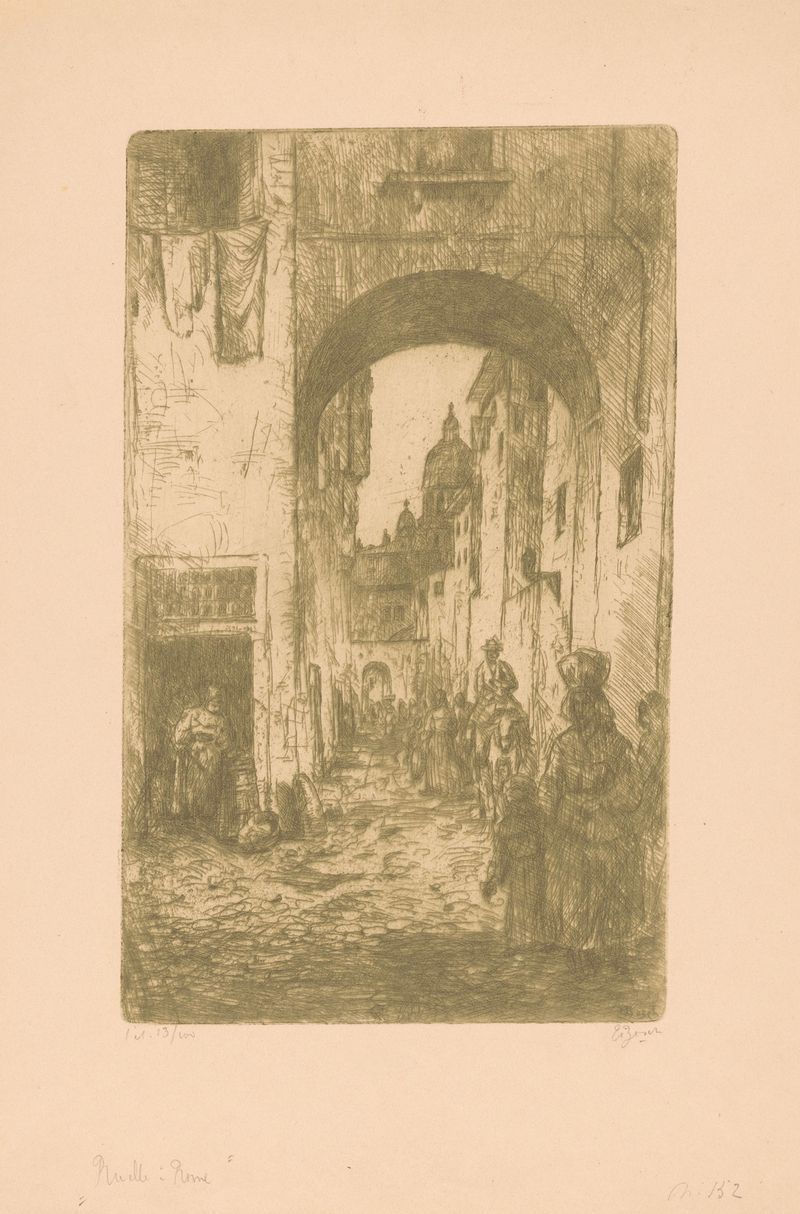
Ruelle, Rome
Etienne Bosch
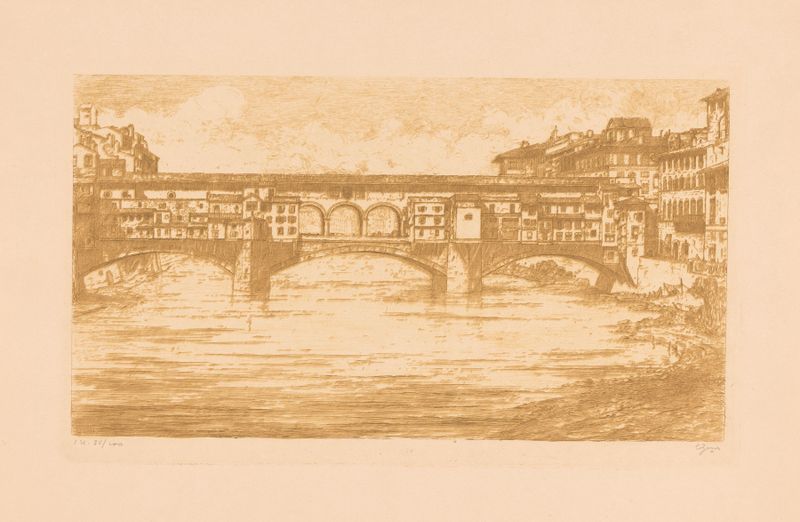
Ponte Vecchio in Florence
Etienne Bosch
More Architecture Art
Browse all →
The statue of Liberty
Frédéric Auguste Bartholdi

View of Houses in Delft, Known as ‘The Little Street’
Johannes Vermeer

View of Houses in Delft, Known as ‘The Little Street’
Johannes Vermeer

The Cathedral in Rouen. The portal, Grey Weather
Claude Monet

The yellow house
Vincent van Gogh

The Church in Auvers-sur-Oise, View from the Chevet
Vincent van Gogh