
Saints Christopher, Jerome and Louis of Toulouse — History & Facts
When Giovanni Bellini painted Saints Christopher, Jerome and Louis of Toulouse in 1513, he was approaching the end of a long and influential career, yet this work stands out for its unusual assembly of saints—a grouping not commonly found together in Venetian altarpieces. The painting was created during a period of great change in Venice, as the city’s churches and confraternities sought new devotional images to match evolving religious sensibilities. While the original patron is not definitively known, the selection of these three saints hints at a commission by a Franciscan institution, given the presence of Saint Louis of Toulouse, himself a Franciscan bishop.
The painting’s date places it among Bellini’s last known works, a time when he was still innovating even as younger artists like Titian were rising to prominence. In this serene gathering, Bellini captures a moment of quiet interaction: Saint Christopher, the giant ferryman, stands at the left, his staff and muscular frame signaling his legendary feat of carrying Christ across the river. At the center, Saint Jerome, the great translator of the Bible, is absorbed in contemplation, his red cardinal’s robe and lion companion marking his scholarly and ascetic life. To the right, Saint Louis of Toulouse, youthful and gentle, wears a bishop’s mitre and Franciscan habit, symbolizing his renunciation of royal privilege for a life of piety.
The soft, golden light unifies the trio, and the landscape behind them opens to a tranquil sky—an approach reminiscent of Bellini’s own San Zaccaria Altarpiece, where saints appear both grounded and touched by divine calm. Each saint’s attributes—Christopher’s staff, Jerome’s lion, Louis’s episcopal garments—invite the viewer to read their stories through the objects at their side. The physical history of Saints Christopher, Jerome and Louis of Toulouse is less well documented than some of Bellini’s major altarpieces, but it is typical of the devotional panels produced for Venetian churches in the early 16th century. Over the centuries, works like this have often been moved, repurposed, or even split up as church interiors were renovated or religious orders suppressed.
Today, the painting is recognized as a late testament to Bellini’s enduring skill and his ability to harmonize figures and landscape in a single, contemplative space. Its careful preservation allows us to appreciate how, even in his final years, Giovanni Bellini continued to shape the direction of Venetian painting, bridging the world of the early Renaissance and the innovations that would follow.
More Artworks by Giovanni Bellini
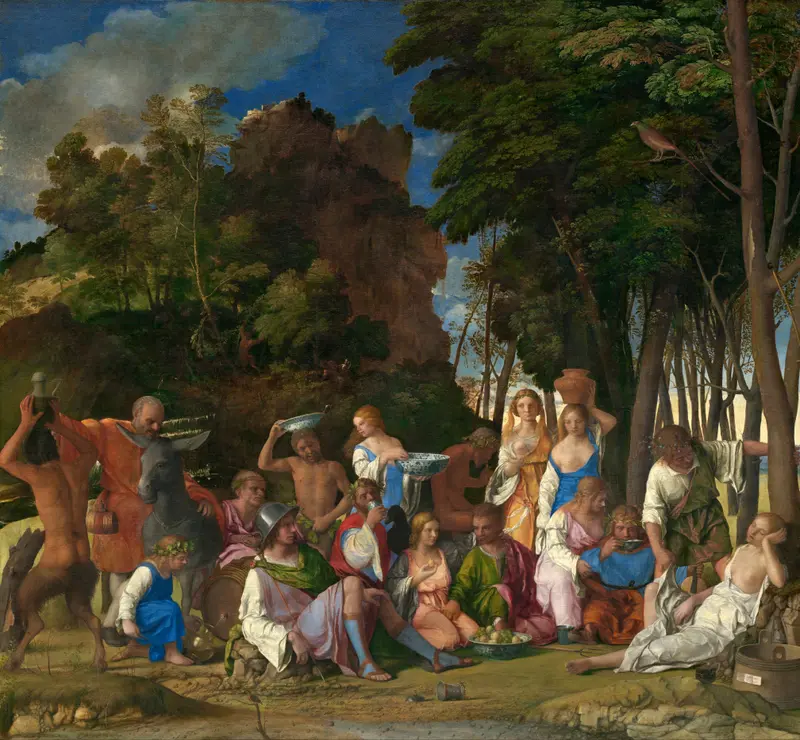
The Feast of the Gods
Giovanni Bellini

Madonna and Child enthroned with Saints and Angels
Giovanni Bellini
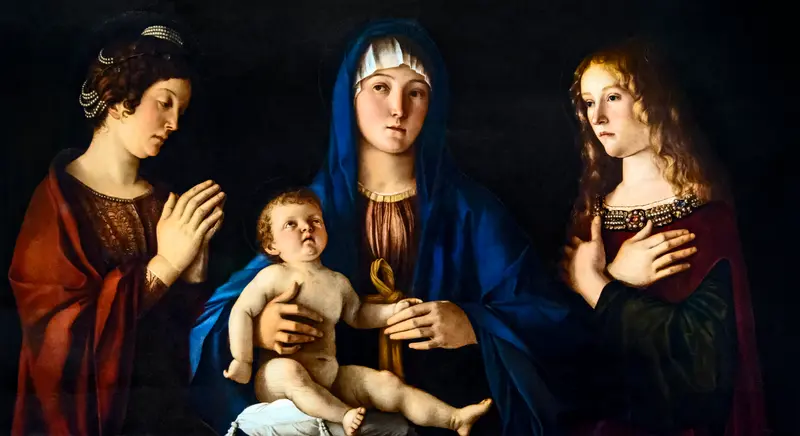
Madonna and Child between Saints Catherine and Mary Magdalene
Giovanni Bellini
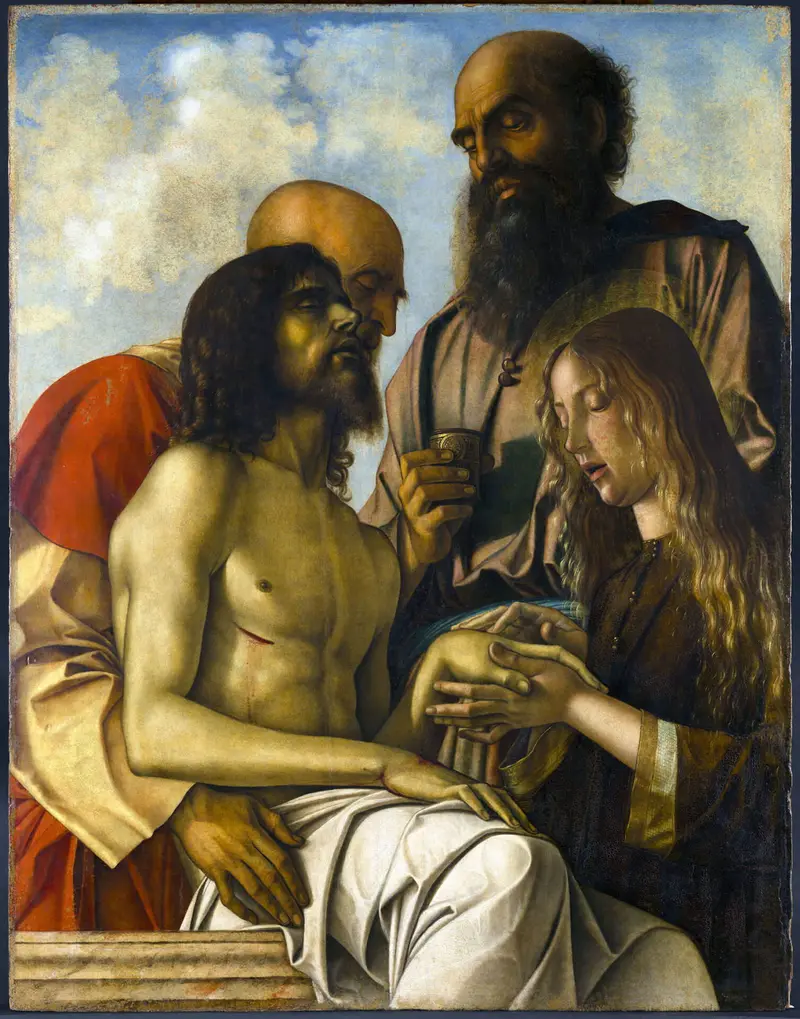
Lamentation over the Dead Christ
Giovanni Bellini
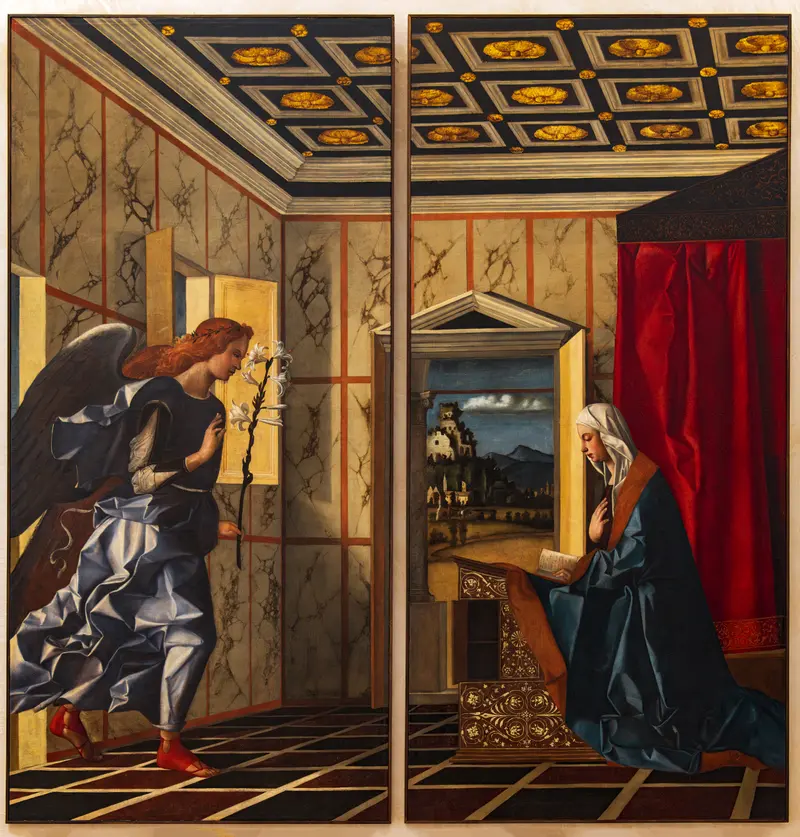
Annunciation
Giovanni Bellini
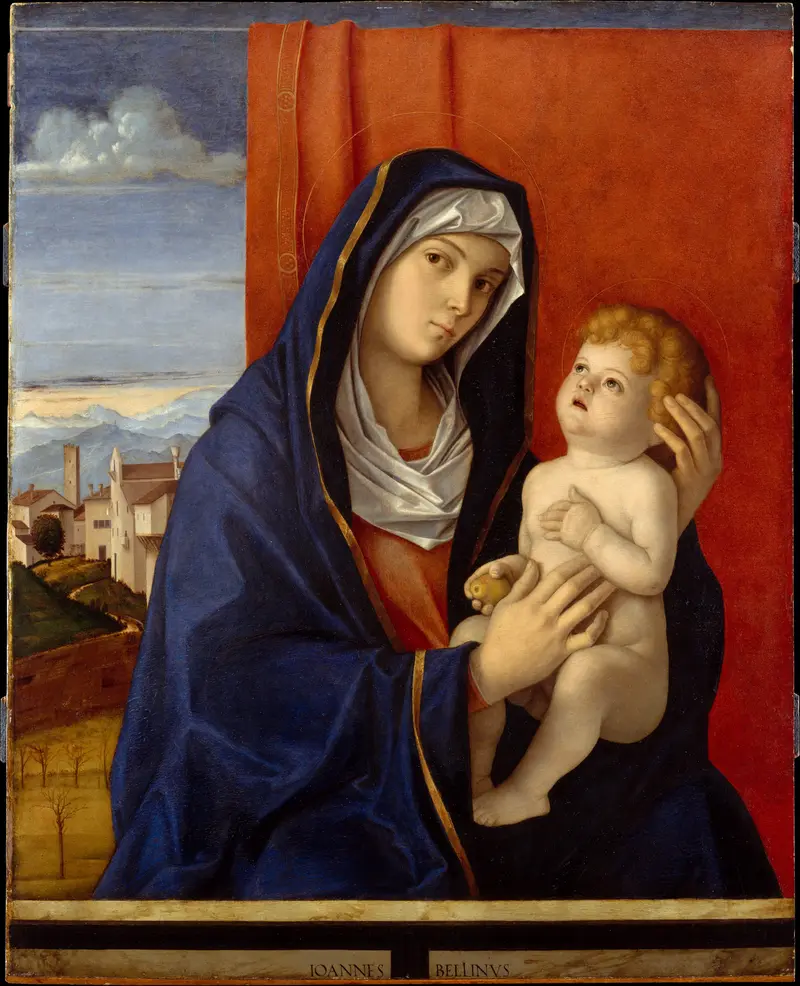
Madonna and Child
Giovanni Bellini
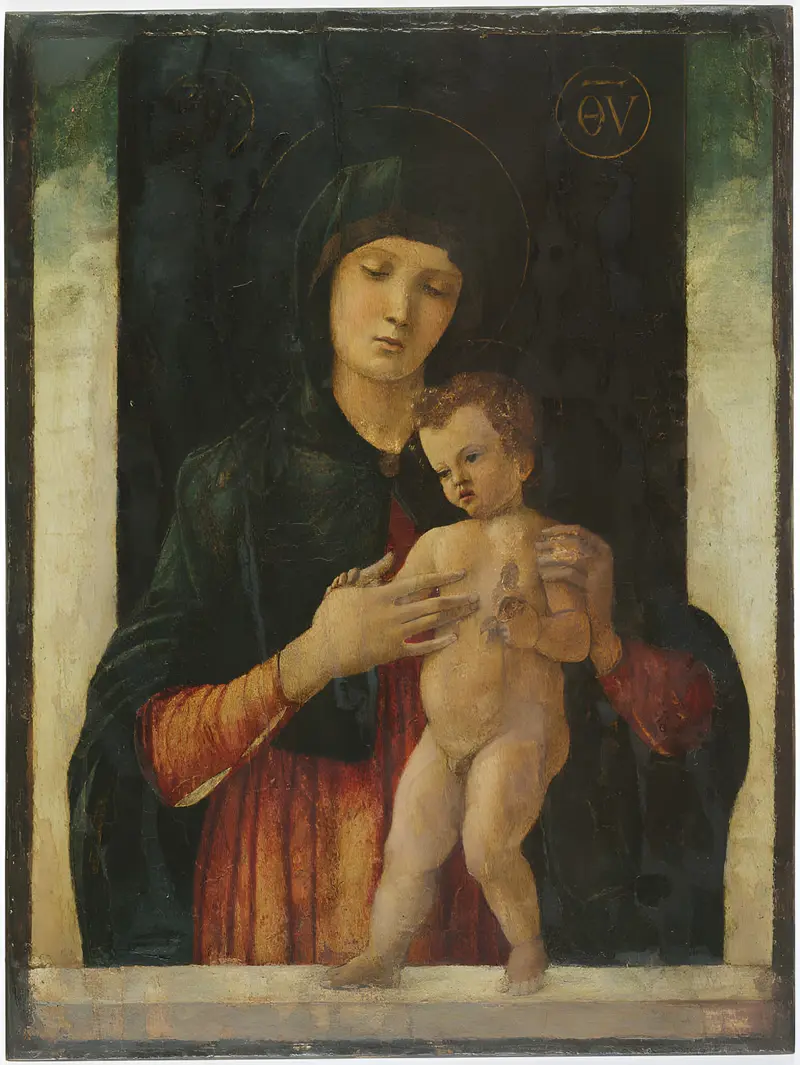
The Virgin and Child
Giovanni Bellini
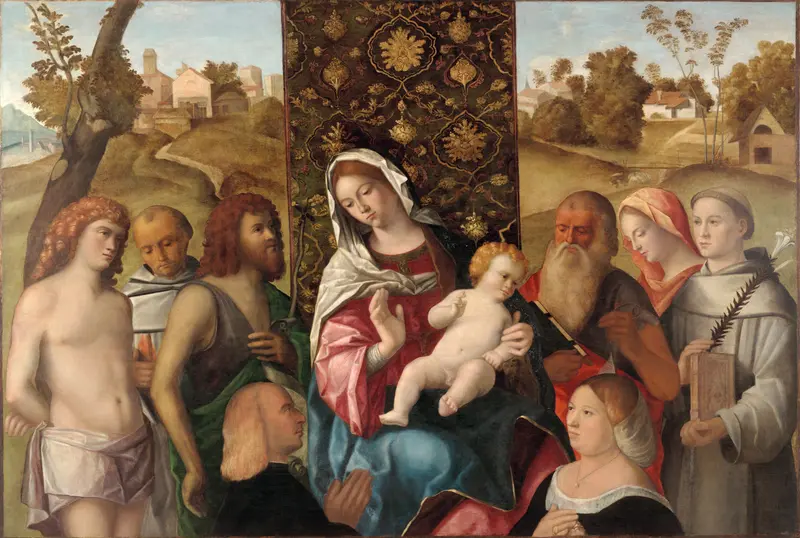
Virgin and Child with Saints Sebastian, Francis, John the Baptist, Jerome, an unidentified female saint, Saint Anthony of Padua and two donors
Giovanni Bellini
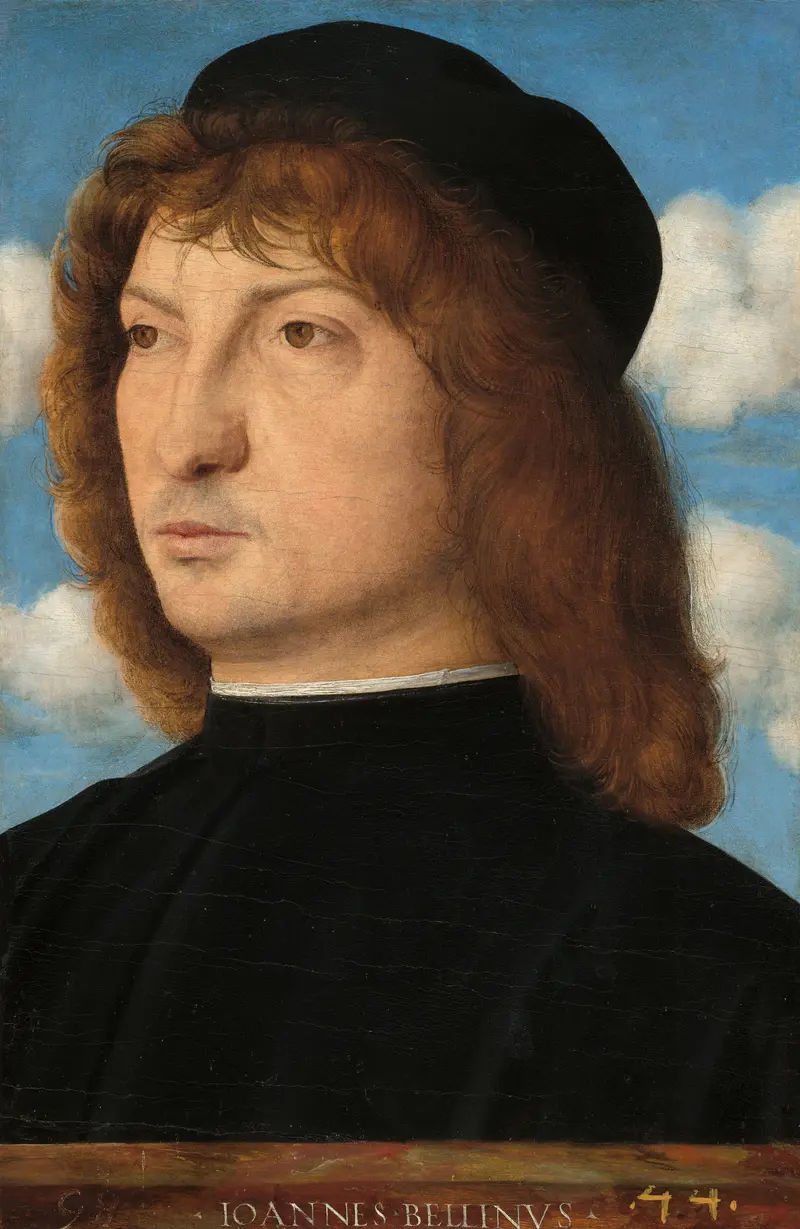
Portrait of a Venetian Gentleman
Giovanni Bellini
Portrait of a Young Man
Giovanni Bellini





