
Salomon ontvangt de koningin van Sheba — History & Facts
In the hushed space of Salomon ontvangt de koningin van Sheba, melancholy whispers through the intricate lines and subdued tones, inviting contemplation on the weight of royal encounters. Focus on the rich tapestry of detail that envelops the scene: the delicate patterns of textiles draping the figures, the ethereal expressions etched on their faces. Notice how the light dances across the queen’s opulent garments, illuminating her regal presence against the muted backdrop. The interplay of shadows and highlights creates a serene yet charged atmosphere, emphasizing the gravity of the moment as two powerful figures engage in a silent exchange. The emotional tension lies in the contrast between the queen's confident poise and Solomon's contemplative demeanor, evoking themes of wisdom and longing.
Each figure embodies a world of emotions—the queen’s curiosity clashing with Solomon’s introspection. The intricacies of their surroundings serve not just as decoration but as a reflection of their inner states, with nature symbolizing both beauty and the passage of time, hinting at the fleeting nature of pride and power. In 1642, Wenceslaus Hollar was immersed in a world of artistic exploration in England, having fled the Thirty Years' War in his native Prague. This period marked a transition in his style, as he sought to capture the emotional depth of human experience.
Influenced by the baroque movement, he meticulously rendered this piece, aiming to convey profound narratives through his detailed engravings, establishing a new discourse between art and storytelling.
More Artworks by Wenceslaus Hollar
Browse all →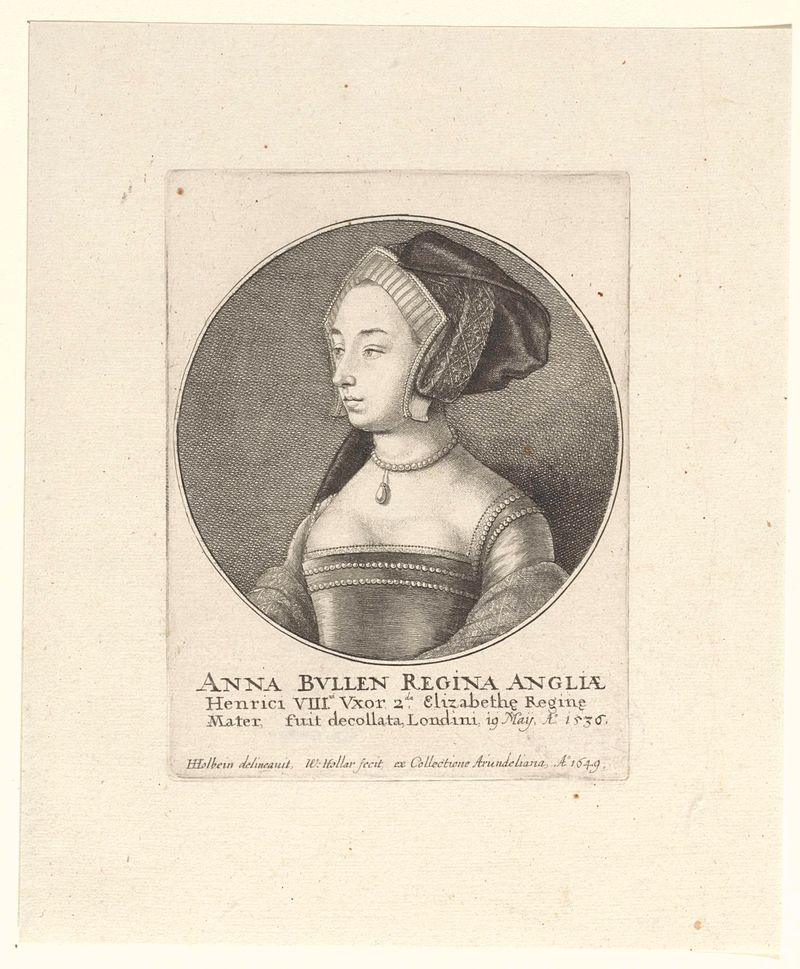
Portret van Anna Boleyn, koningin van Engeland
Wenceslaus Hollar
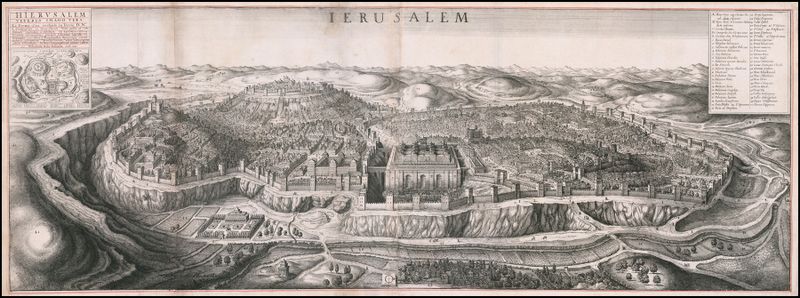
Bird’s eye view of Jerusalem
Wenceslaus Hollar
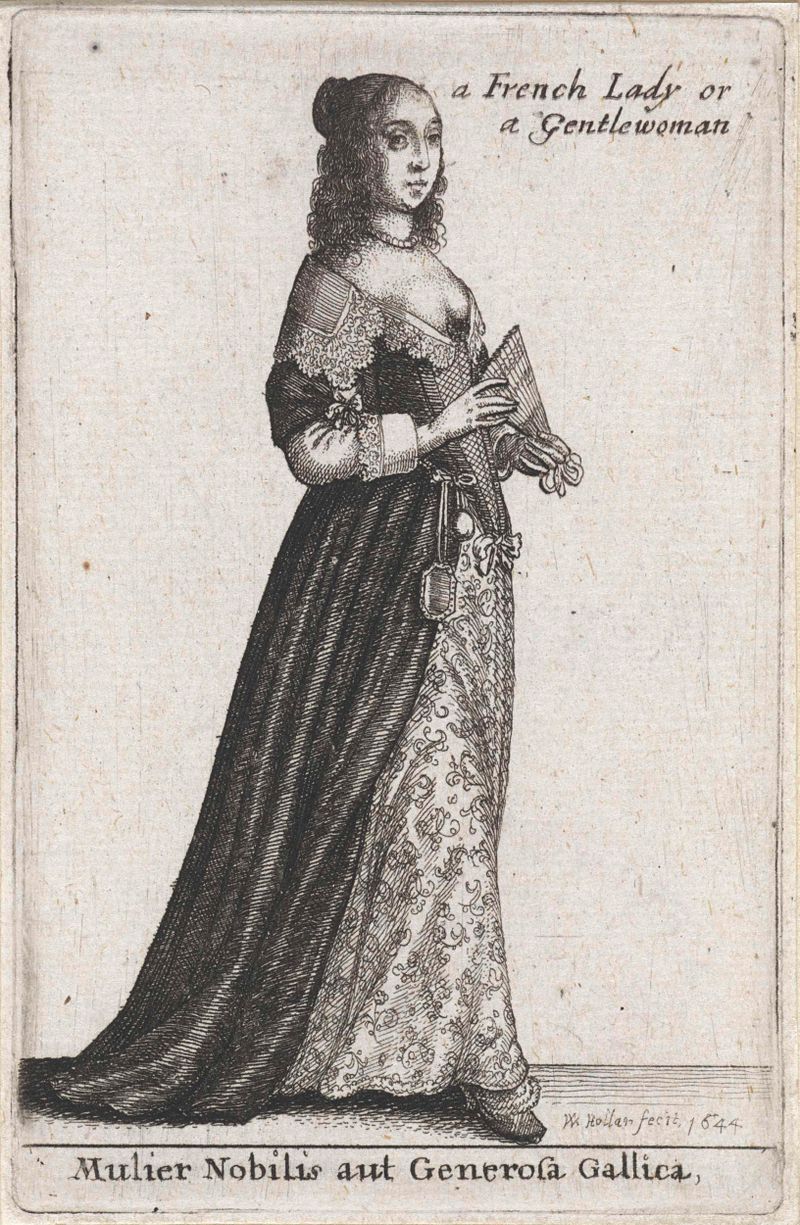
Mulier Nobilis aut Generosa Gallica / a French Lady or Gentlewoman
Wenceslaus Hollar
Titelprent voor: Ornatus Muliebris Anglicanus
Wenceslaus Hollar
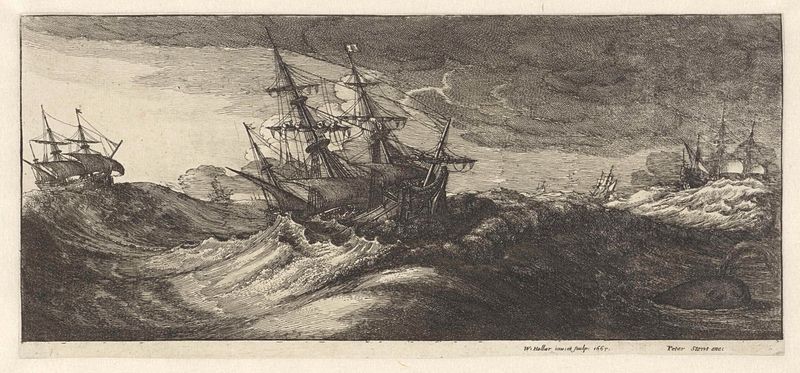
Oorlogsschepen en een walvis in een zeestorm
Wenceslaus Hollar
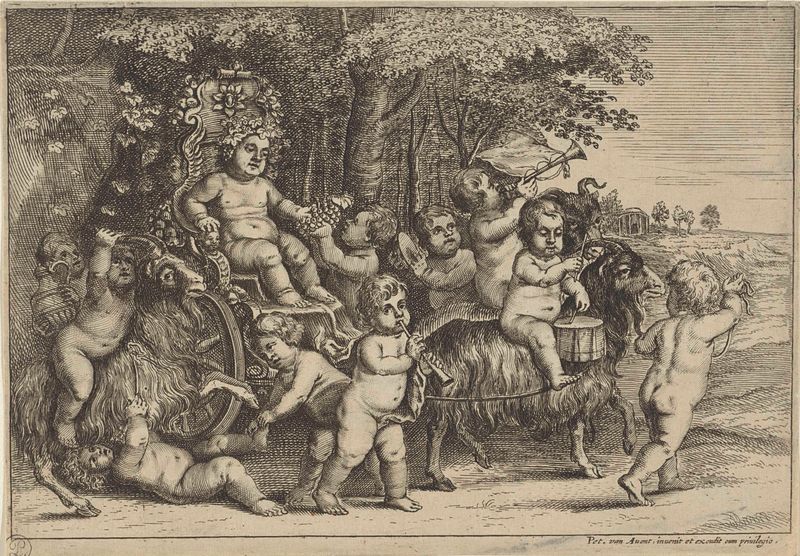
Optocht van bacchant en jongetjes op geiten
Wenceslaus Hollar
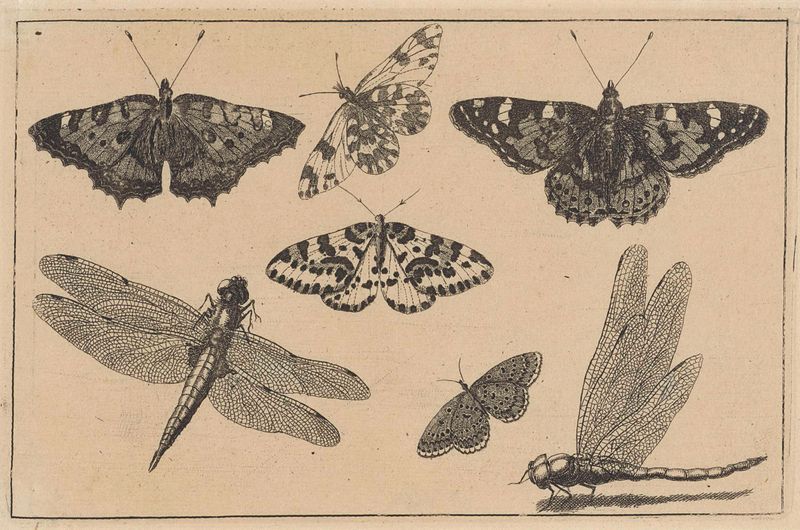
Twee libellen en vijf vlinders
Wenceslaus Hollar
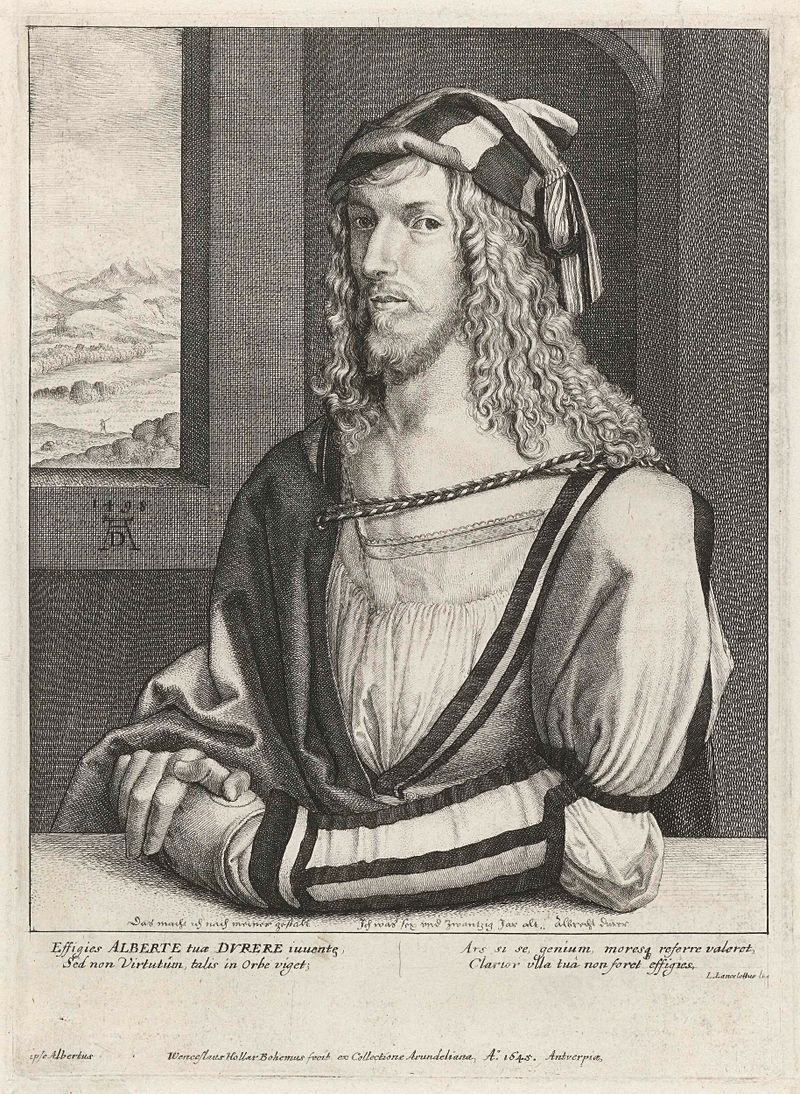
Portret van Albrecht Dürer
Wenceslaus Hollar
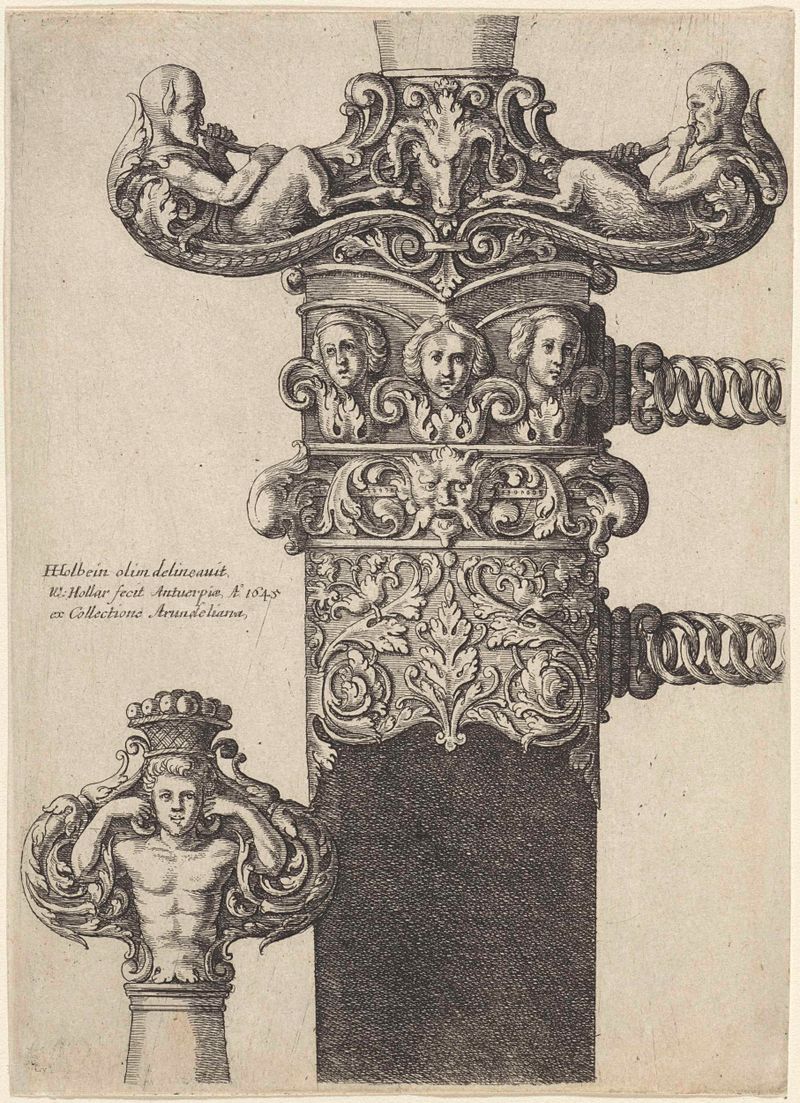
Ornamenteel ontwerp voor een dolk
Wenceslaus Hollar
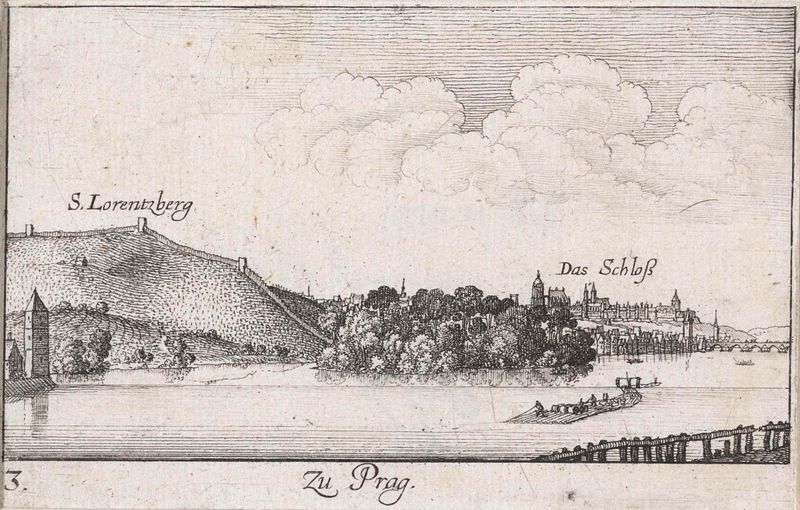
Gezicht op Praag vanaf de Moldau
Wenceslaus Hollar
More Historical Art
Browse all →
The Night Watch Militia Company of District II under the Command of Captain Frans Banninck Cocq
Rembrandt van Rijn

Lincoln Memorial
Henry Bacon

The Third of May 1808
Francisco de Goya

Isaac and Rebecca, Known as ‘The Jewish Bride’
Rembrandt van Rijn

The Charge of the Mamelukes (1814)
Francisco de Goya

De vier ruiters van de apocalyps
Albrecht Dürer