
Salvation Army, Sandwich — History & Facts
What secret hides in the quiet of the canvas? In Salvation Army, Sandwich, the stillness of the scene invites contemplation, revealing layers of insight with the lightest of brushstrokes. Look to the center where figures, draped in somber attire, congregate in an intimate yet distant circle. The subtle palette of greys and whites creates a muted backdrop, allowing the occasional touch of color in their garments to punctuate the atmosphere. Notice how the gentle light bathes their faces, illuminating the textures of their clothing while evoking an air of solemnity.
This careful interplay of shadow and illumination draws the viewer’s eye toward both the collective and the individual. What unfolds within this composition is a juxtaposition of connection and isolation. The figures, though grouped together, appear caught in their own thoughts, suggesting a shared experience laden with unspoken stories. The viewer may sense an emotional tension, as if the very air vibrates with unsaid revelations about faith, struggle, and community.
The small details—like the way one figure holds a pamphlet, or the soft curl of hair against a forehead—speak of personal narratives woven tightly into the fabric of the scene. Between 1887 and 1892, the artist created this work while living in London, an era marked by his evolving style and growing reputation. Amidst the backdrop of the Art Nouveau movement, he sought to explore the human condition through his delicate portrayal of everyday subjects. At this time, Whistler was deeply engaged in themes of social commentary, reflecting the struggles of the working class and the complexities of modern life.
More Artworks by James Abbott McNeill Whistler
Browse all →
Nocturne in Blue and Silver
James Abbott McNeill Whistler
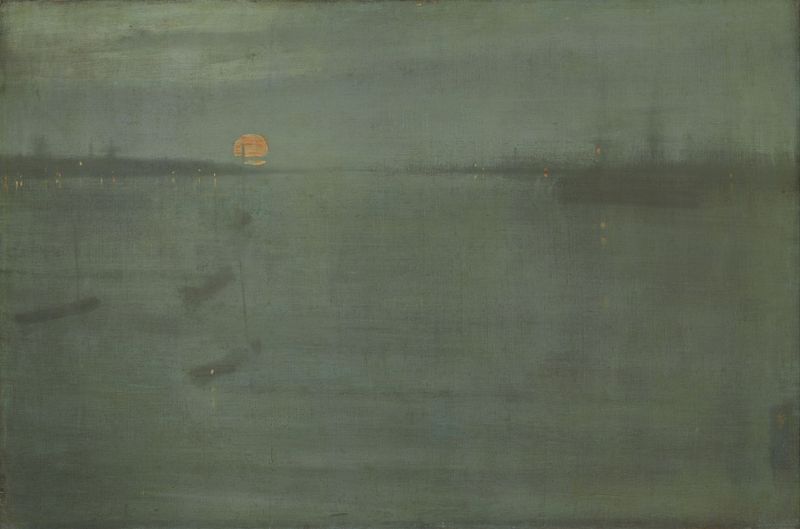
Nocturne: Blue and Gold–Southampton Water
James Abbott McNeill Whistler
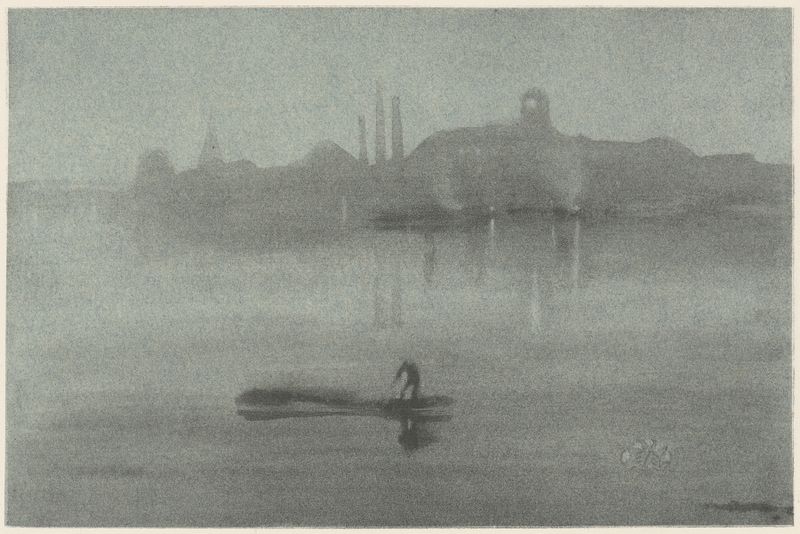
Nocturne
James Abbott McNeill Whistler
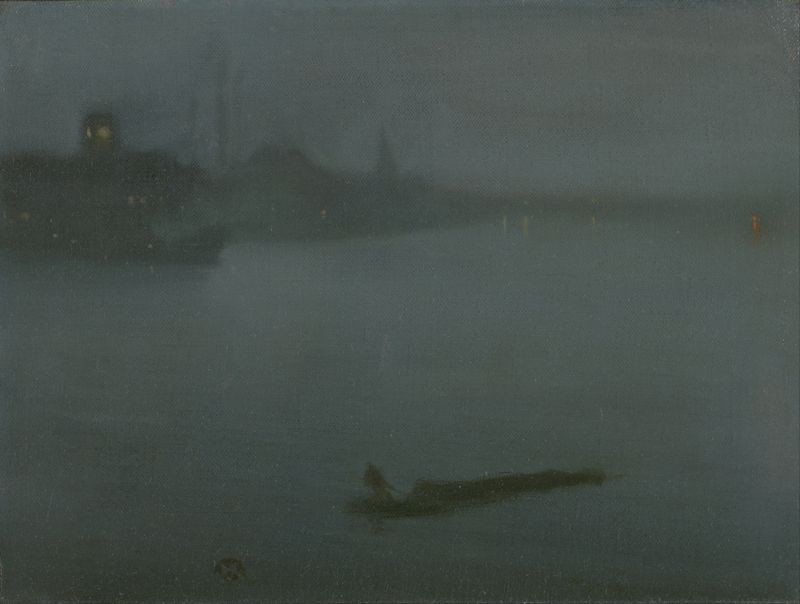
Nocturne in Blue and Silver
James Abbott McNeill Whistler
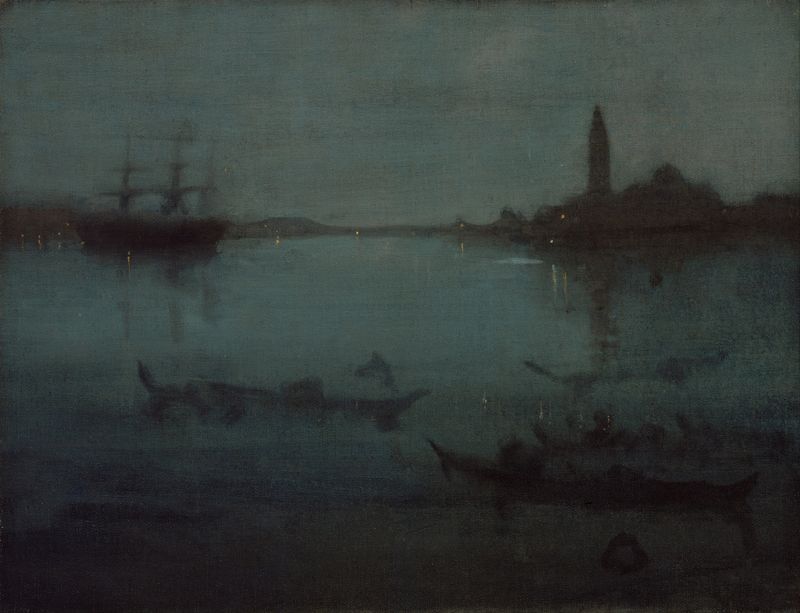
Nocturne in Blue and Silver- The Lagoon, Venice
James Abbott McNeill Whistler
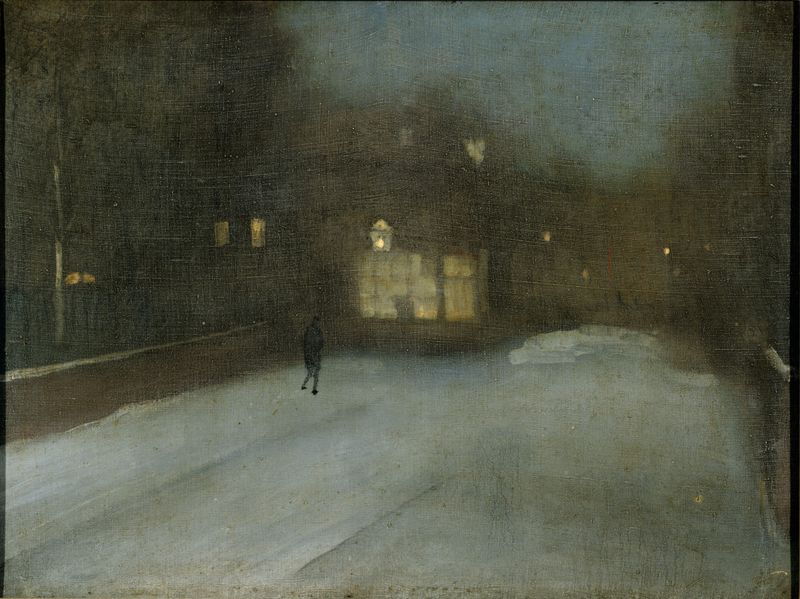
Nocturne in Grey and Gold: Chelsea Snow
James Abbott McNeill Whistler
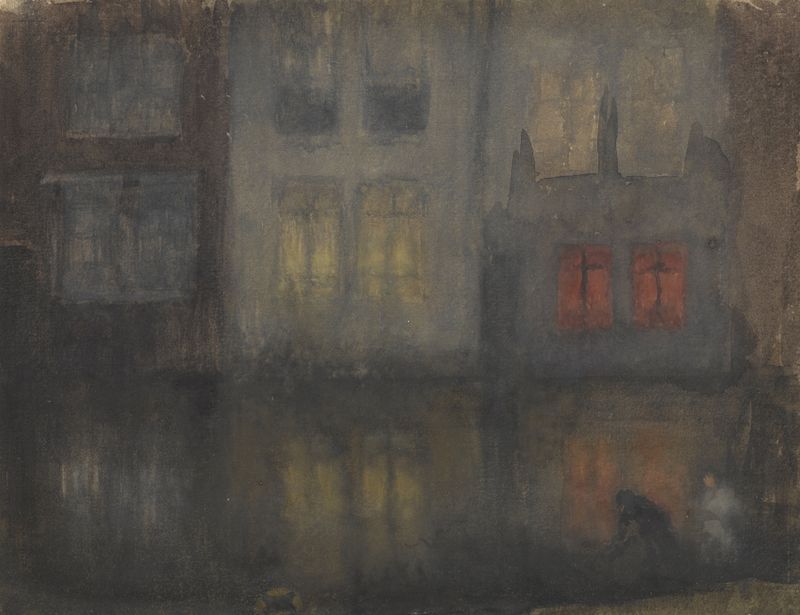
Nocturne: Black and Red—Back Canal, Holland
James Abbott McNeill Whistler
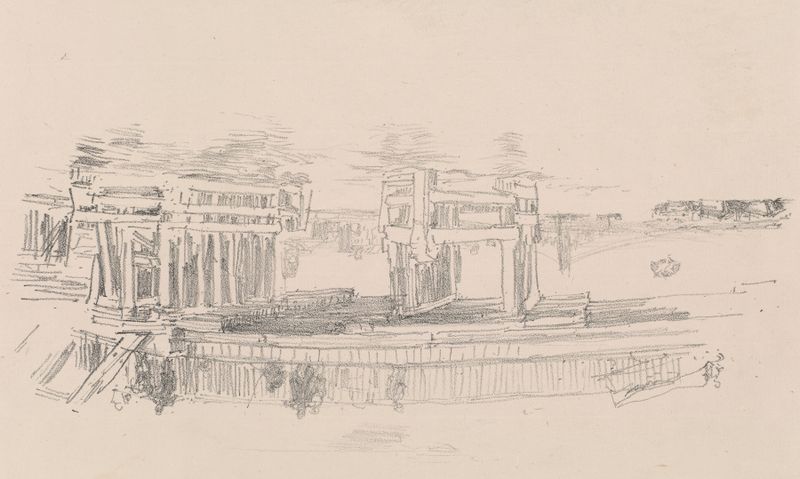
Old Battersea Bridge
James Abbott McNeill Whistler

Nocturne: Blue and Silver–Battersea Reach
James Abbott McNeill Whistler
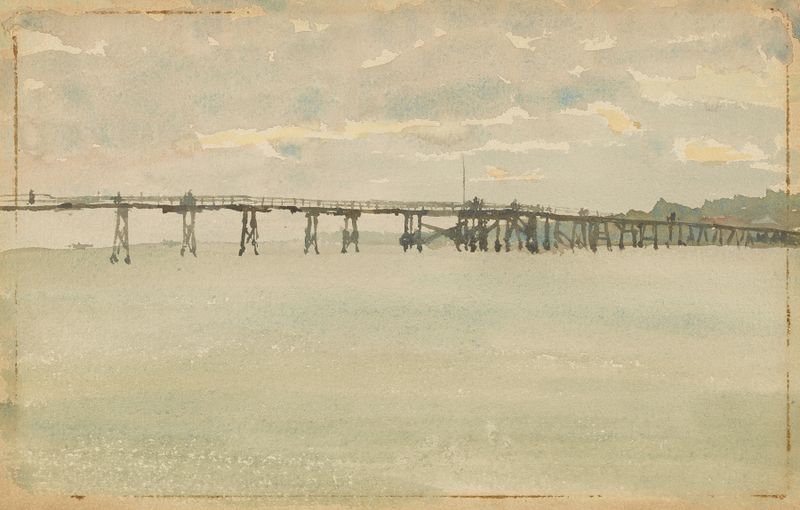
Grey and Silver–Pier, Southend
James Abbott McNeill Whistler





