
Samson and Delilah — History & Facts
What catches the eye first in Samson and Delilah by Jusepe de Ribera is the tension coiled in Delilah’s outstretched arm, her hand raised as if to command or ward off, while the drama unfolds around her. The sleeping Samson, rendered with heavy limbs and a vulnerable sprawl, is the silent center of a scene alive with betrayal. Ribera’s use of red chalk draws the viewer’s attention to the flesh and fabric, marking the path from Samson’s exposed body to the conspirators’ intent faces.
The gesture of the figure cutting Samson’s hair is precise and almost tender, in stark contrast to the violence implied by the soldiers readying themselves in the background. The palette is restrained, but the interplay of line and wash gives the moment a sense of immediacy, as if the story is still unfolding before us. Created between 1620 and 1626, this work belongs to a period when biblical and mythological subjects were in high demand among collectors and religious institutions alike, especially in Catholic Spain and Italy. Artists like Ribera were sought after for their ability to bring such stories to visceral life, often emphasizing the raw humanity and psychological complexity of their characters.
Drawings and works on paper such as this were prized not only as preparatory studies for larger paintings but also as finished objects for private contemplation. While the details of this particular drawing’s early history remain obscure, its survival in a collection today invites us to look closely at how artists of the early seventeenth century grappled with the themes of power, vulnerability, and deception. Every line and gesture here is an invitation to linger, to read the story in the faces and hands before moving on.
More Artworks by Jusepe de Ribera

Saint Francis of Paola
Jusepe de Ribera

Penitent Saint Peter
Jusepe de Ribera
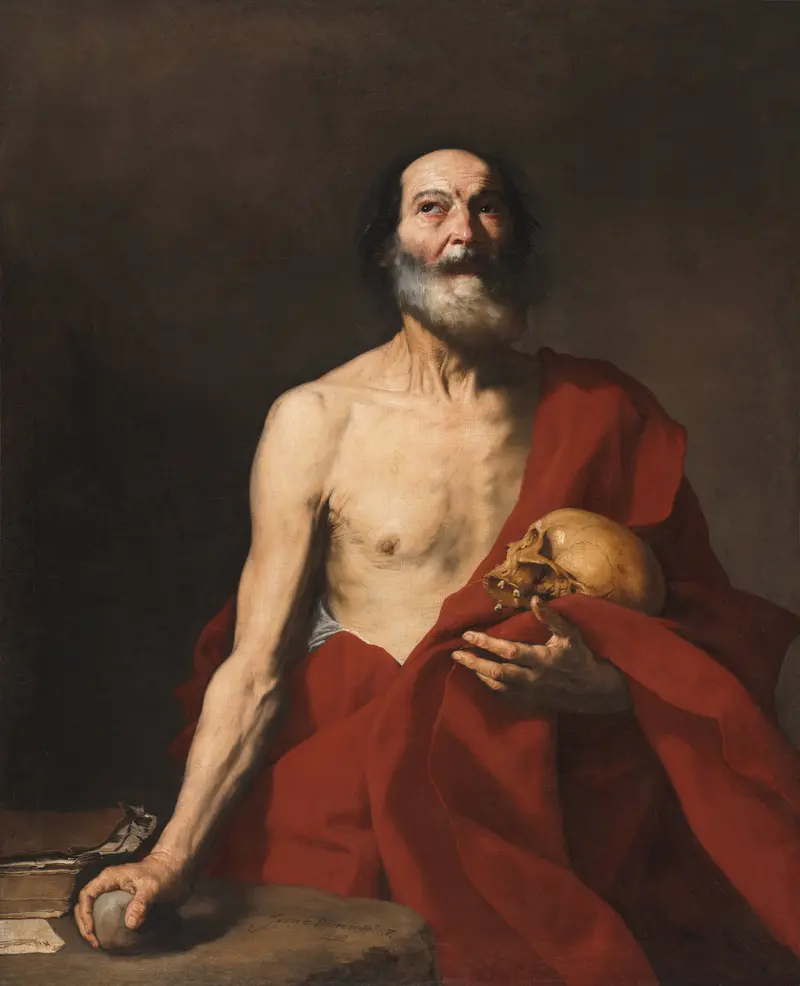
Saint Jerome
Jusepe de Ribera
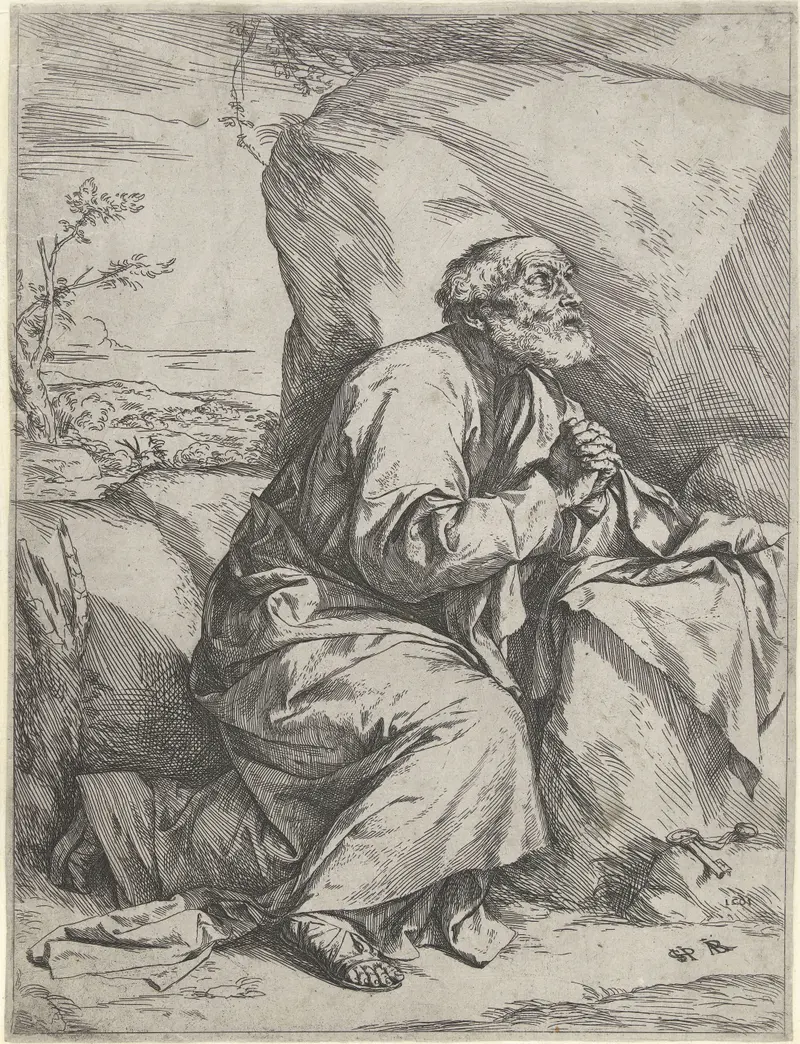
Boetvaardige Petrus
Jusepe de Ribera
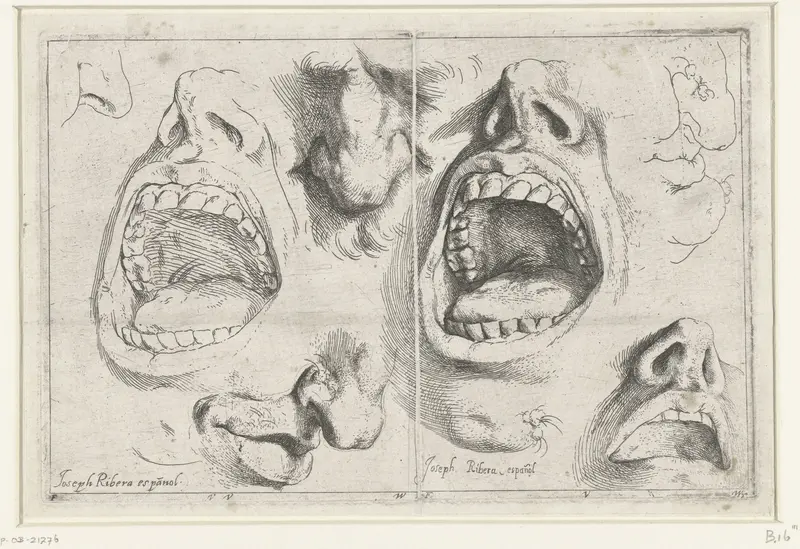
Studies van neus en mond
Jusepe de Ribera
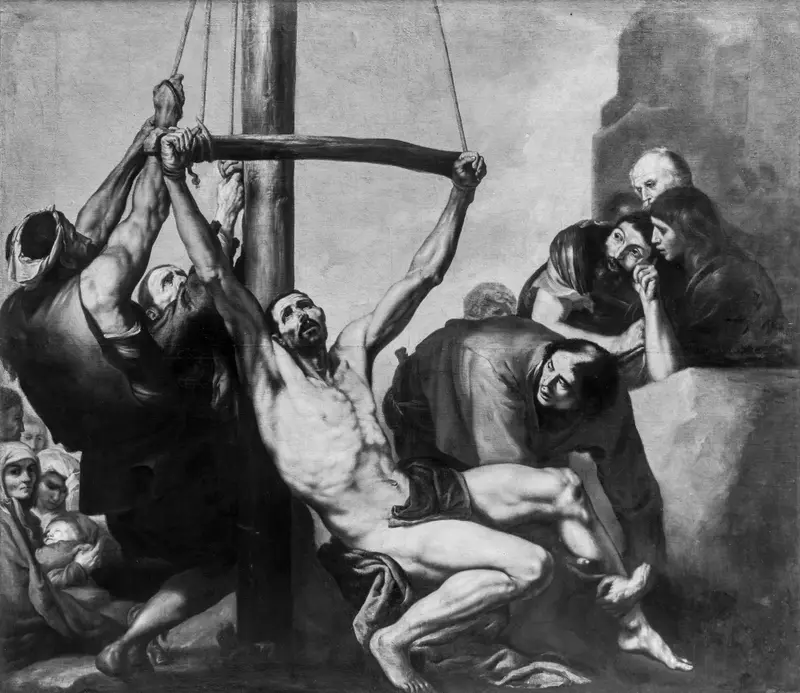
The Martyrdom of Saint Bartholomew
Jusepe de Ribera
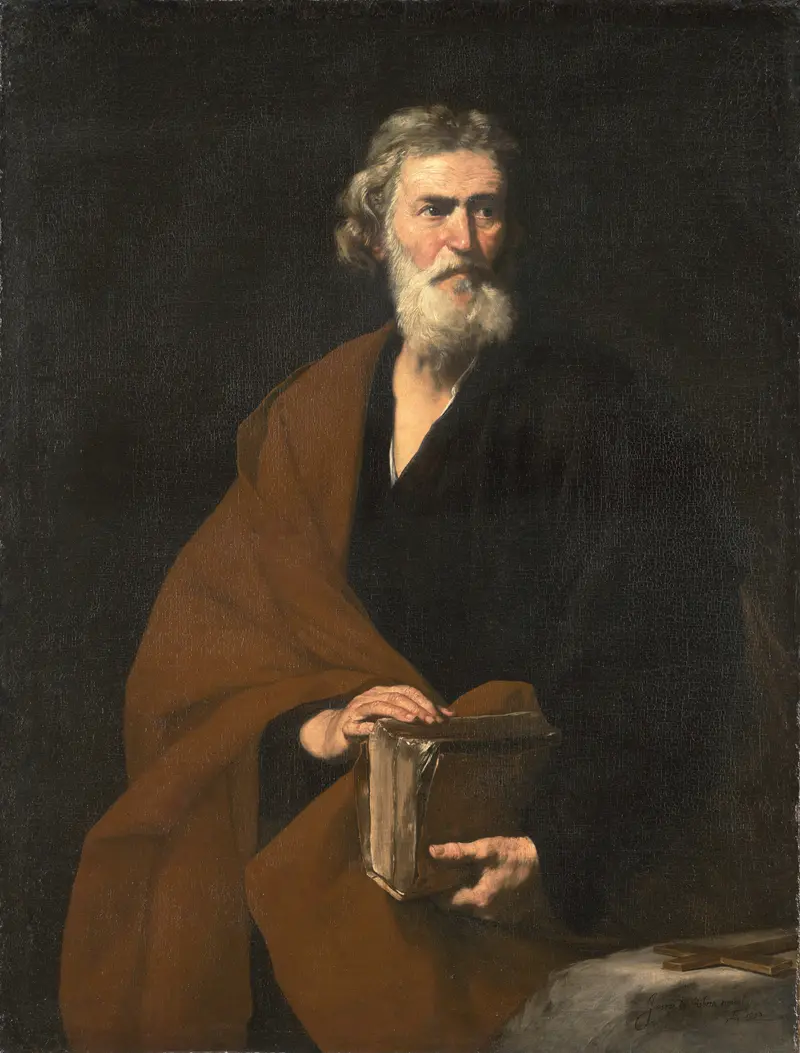
Saint Matthew
Jusepe de Ribera
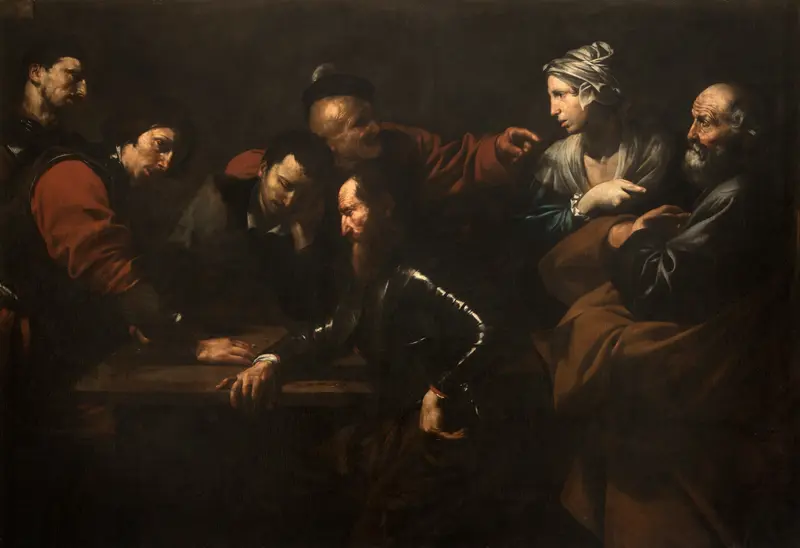
The Denial of Saint Peter
Jusepe de Ribera
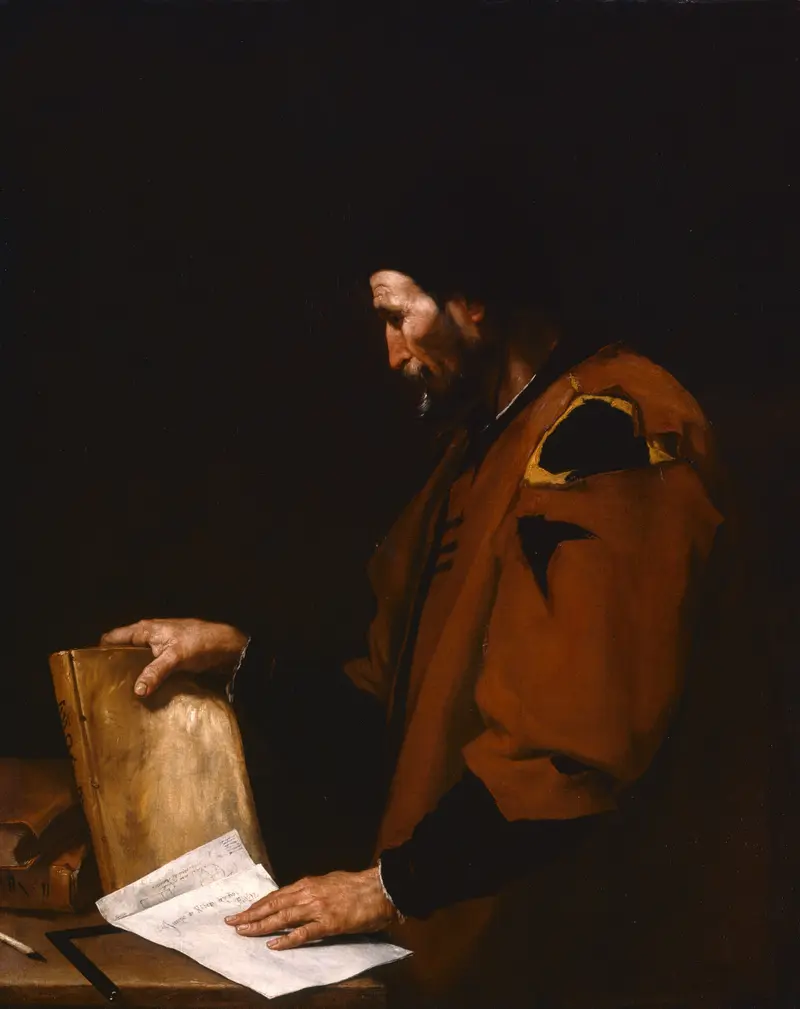
Aristotle
Jusepe de Ribera
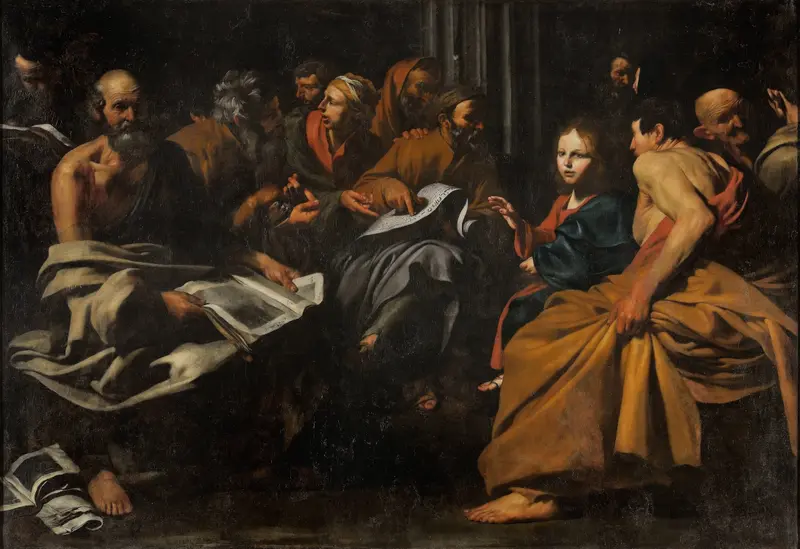
Christ among the doctors
Jusepe de Ribera





