
San Zaccaria Altarpiece — History & Facts
When San Zaccaria Altarpiece was unveiled in 1505 in the church of San Zaccaria in Venice, it marked a quiet revolution in Venetian painting. For the first time, the sacred figures seemed to share the same luminous space as the worshippers before them, thanks to Giovanni Bellini’s pioneering use of oil paints and his subtle orchestration of light. The painting’s calm, almost musical harmony of color and form was so admired that, according to the 16th-century writer Marcantonio Michiel, it was considered "the most beautiful and harmonious altarpiece in Venice." Its serenity and realism set a new standard for devotional art in the city. At the heart of the scene, the Virgin Mary sits enthroned beneath a grand arch, the Christ Child resting quietly on her lap.
Flanking her are saints deeply venerated in Venice: Saint Peter with his keys, Saint Catherine with her broken wheel, Saint Lucy holding her martyr’s palm, and Saint Jerome reading. Above, a gentle light filters through the painted apse, bathing the figures and the marble in a soft glow that blurs the line between the painted world and the real chapel. A single angel sits before the throne, playing a lira da braccio, inviting the viewer into the sacred music of the moment.
Unlike earlier altarpieces, such as those by Vivarini, Bellini’s saints do not interact; instead, they share a silent, contemplative space, embodying the Renaissance ideal of sacra conversazione—a holy conversation without words. Commissioned for the Benedictine nuns of San Zaccaria, the altarpiece remained in its original chapel for centuries, surviving the Napoleonic suppression of Venetian monasteries in the early 19th century, though it was briefly taken to Paris by French troops before being returned. The painting stands as a high point in Bellini’s long career, created when he was in his seventies and already recognized as the leading painter of Venice. Today, it still hangs in the San Zaccaria church, where visitors can see it in the soft, natural light for which it was designed.
Its subtle depth and harmony continue to influence artists and captivate viewers, just as they did five hundred years ago.
More Artworks by Giovanni Bellini
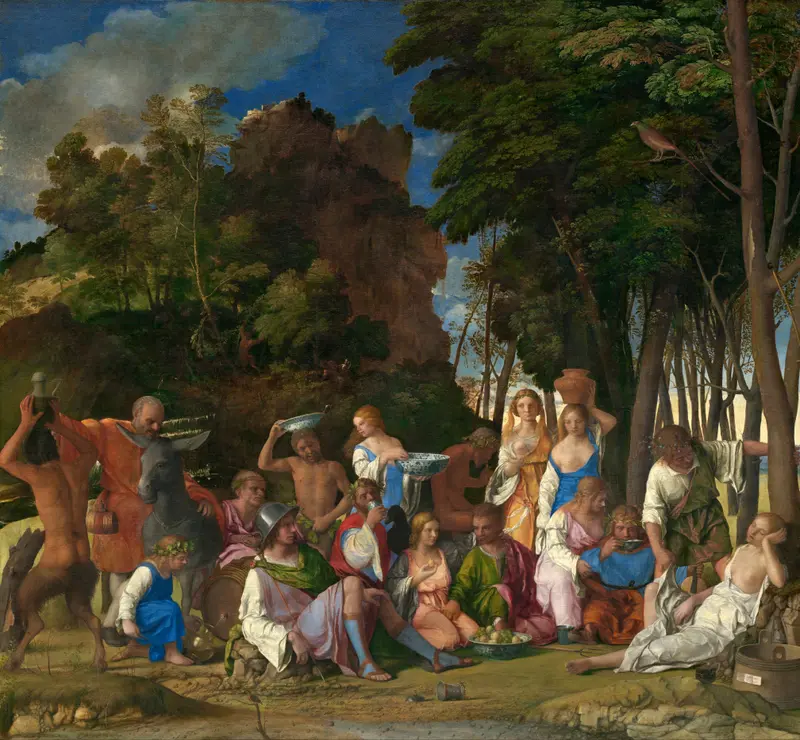
The Feast of the Gods
Giovanni Bellini

Madonna and Child enthroned with Saints and Angels
Giovanni Bellini
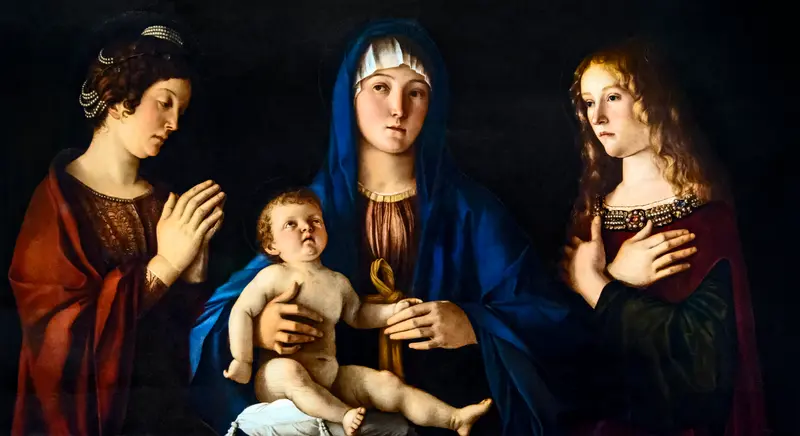
Madonna and Child between Saints Catherine and Mary Magdalene
Giovanni Bellini
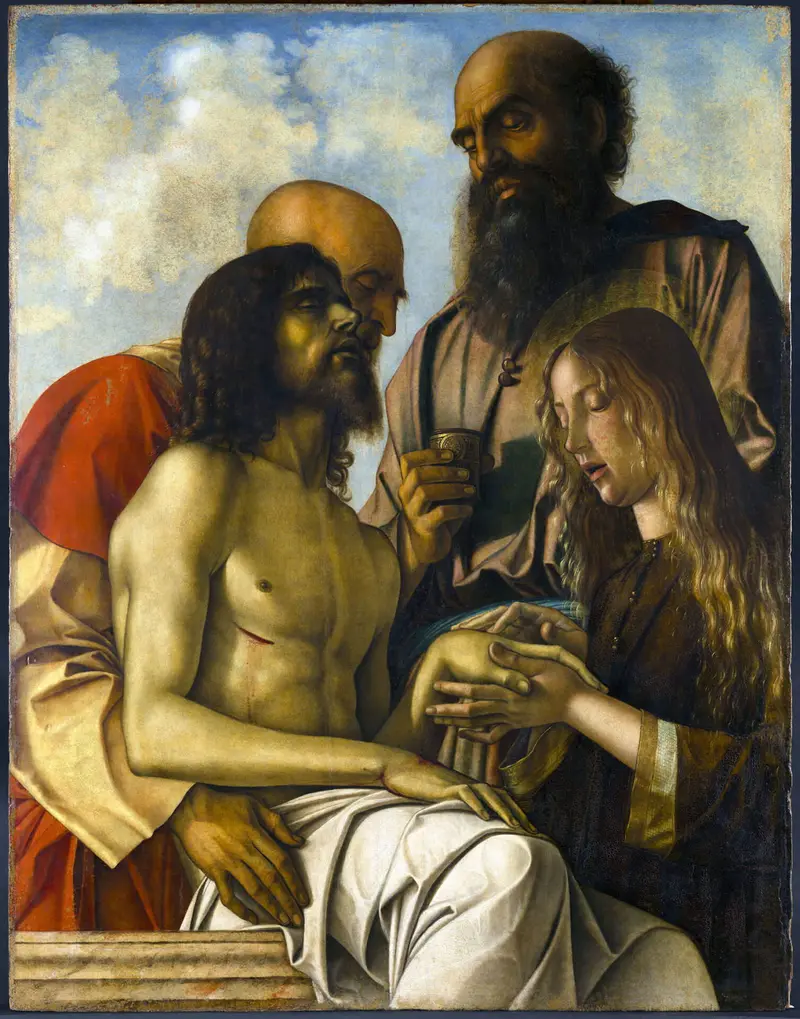
Lamentation over the Dead Christ
Giovanni Bellini
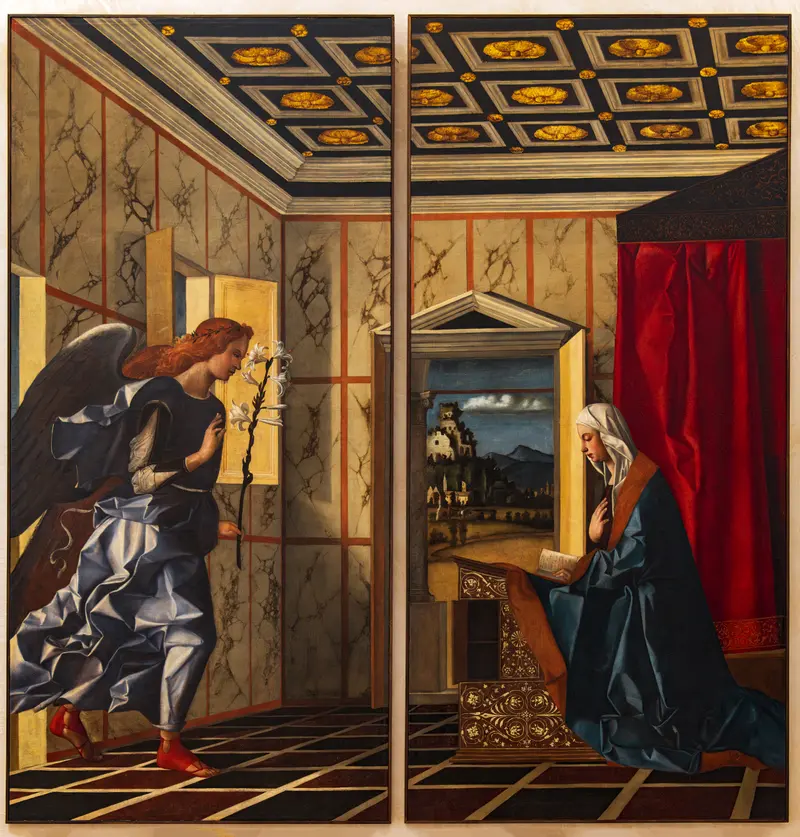
Annunciation
Giovanni Bellini
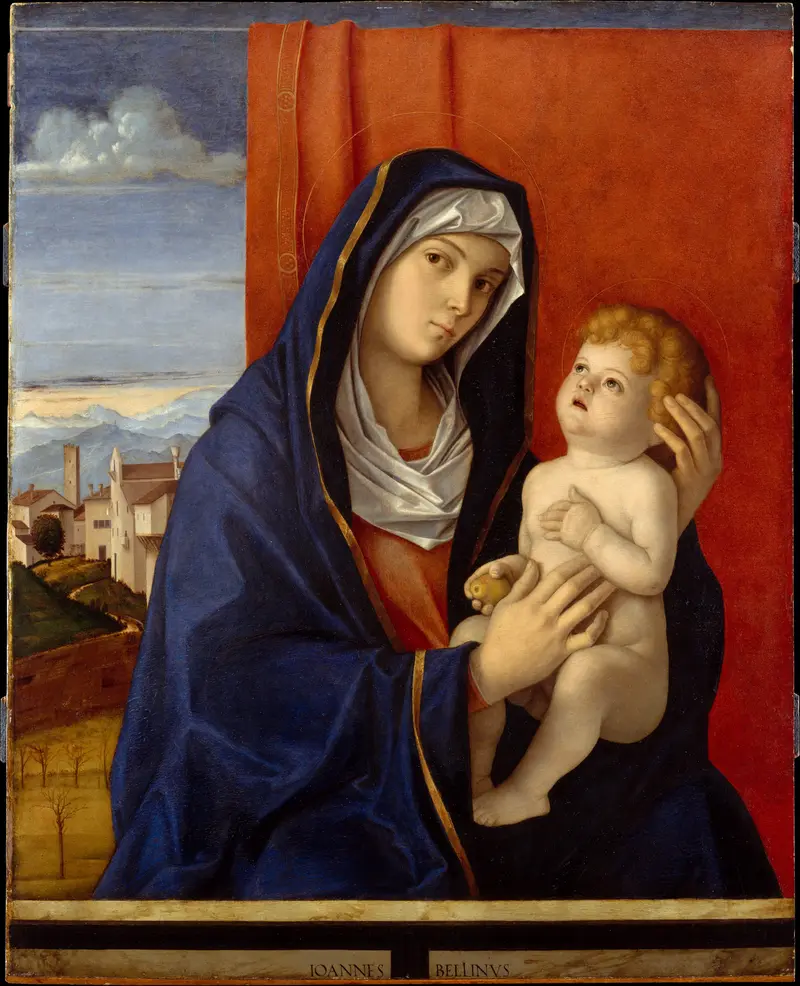
Madonna and Child
Giovanni Bellini
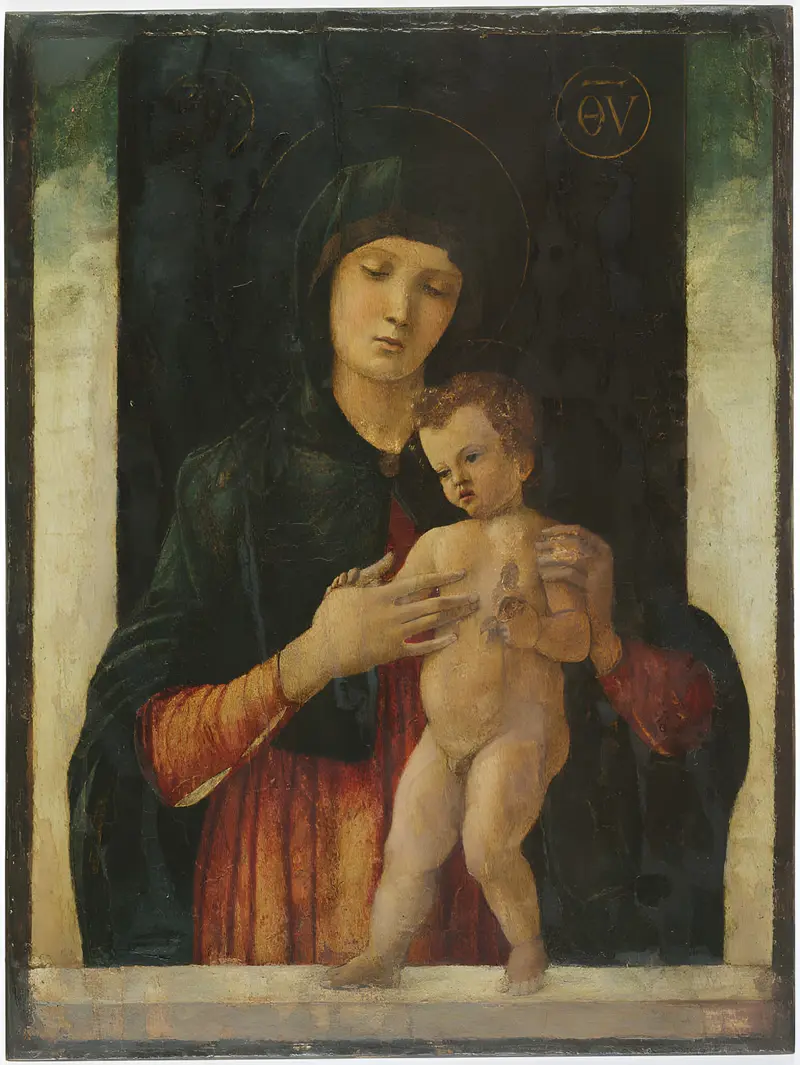
The Virgin and Child
Giovanni Bellini
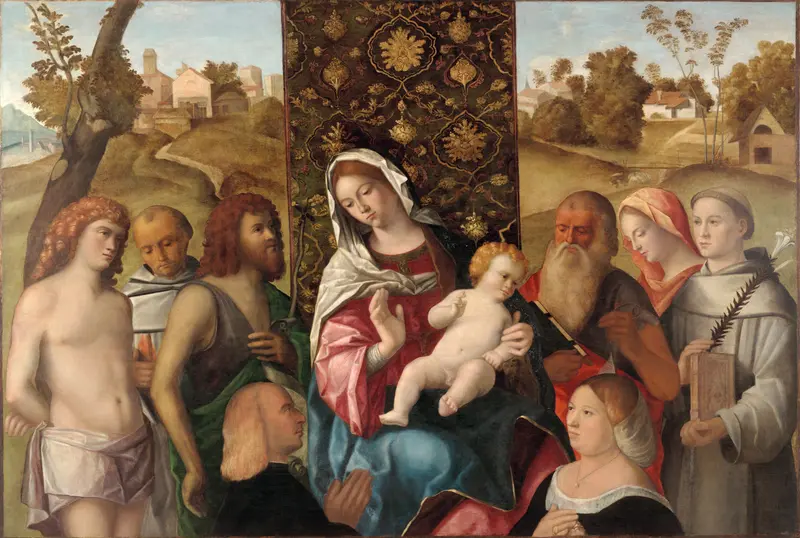
Virgin and Child with Saints Sebastian, Francis, John the Baptist, Jerome, an unidentified female saint, Saint Anthony of Padua and two donors
Giovanni Bellini
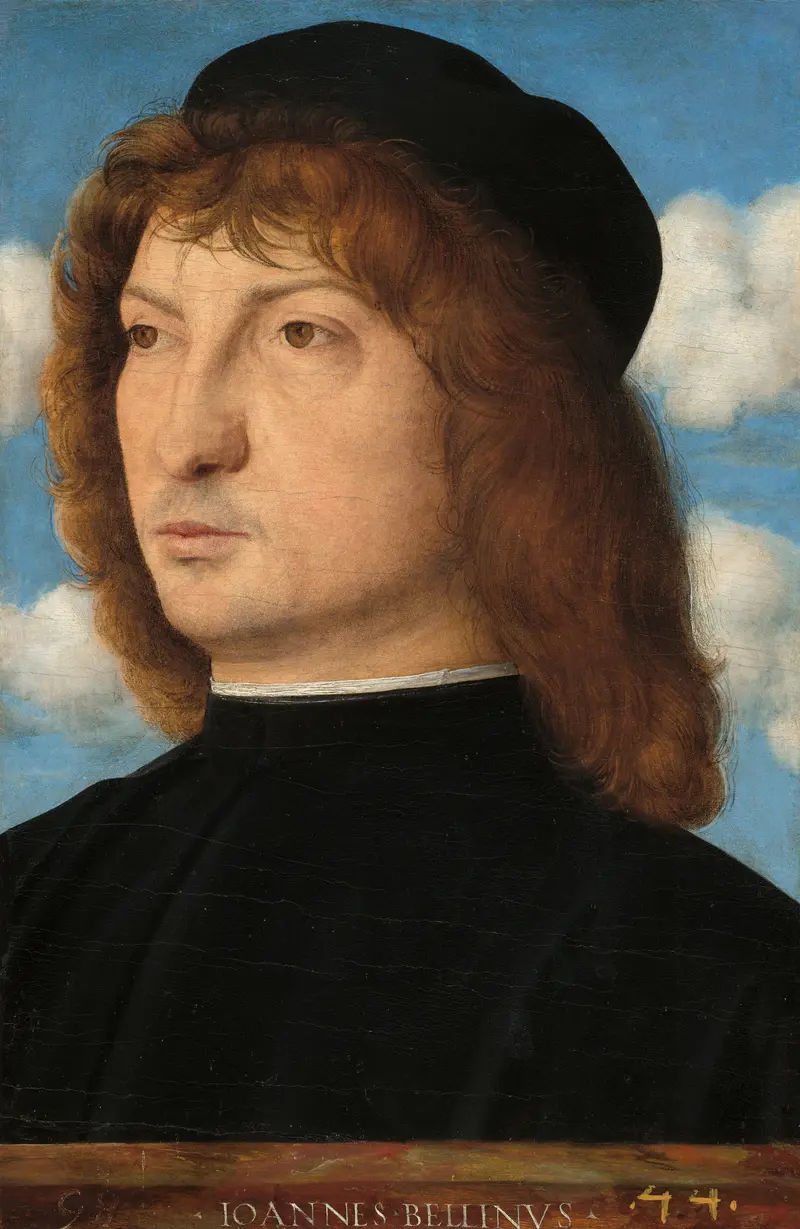
Portrait of a Venetian Gentleman
Giovanni Bellini
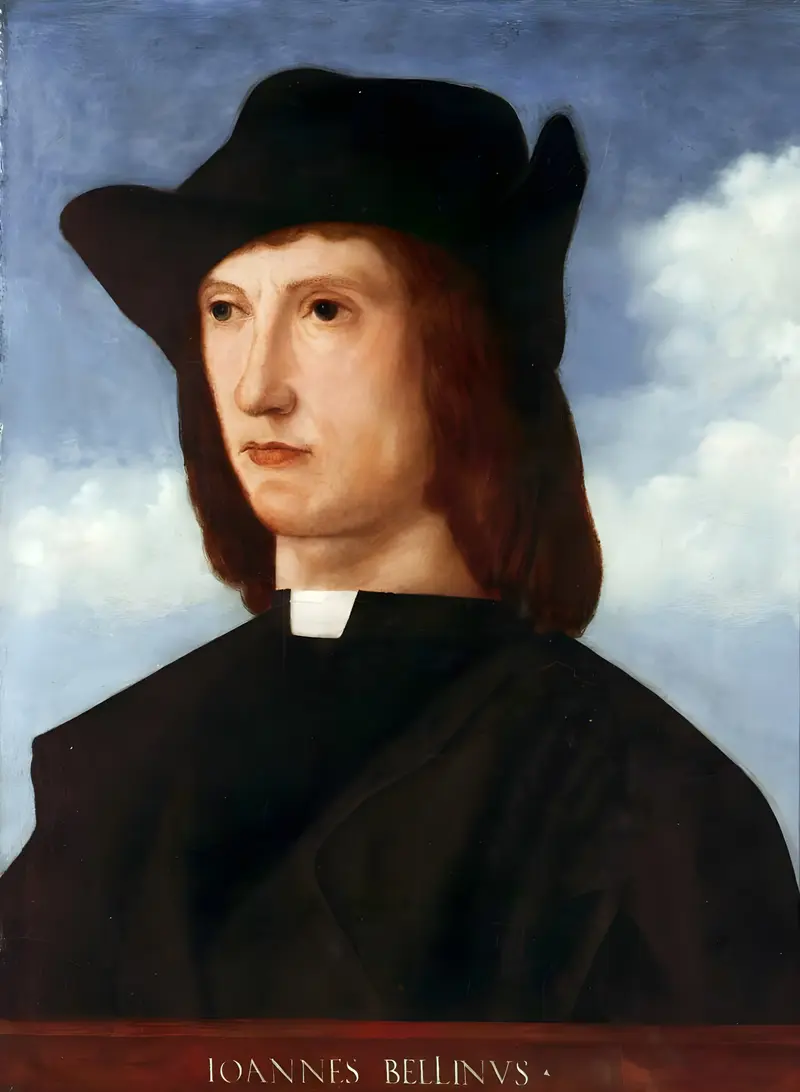
Portrait of a Young Man
Giovanni Bellini





