
Sant'Ambrogio Altarpiece — History & Facts
When Sandro Botticelli painted the Sant'Ambrogio Altarpiece around 1470, he was still a young artist, yet already attracting the attention of Florence’s most influential families. The altarpiece’s original home was the church of Sant’Ambrogio, a modest parish that found itself at the center of a heated debate: some records suggest the commission was a gesture of gratitude for surviving a plague outbreak, while others believe it was a mark of local pride in the city’s patron saints. What is certain is that this early work helped establish Botticelli’s reputation, setting him on the path to becoming one of the leading painters of the Florentine Renaissance. At the heart of the altarpiece, the Madonna sits enthroned, serenely holding the Christ Child as a cluster of saints gathers around her.
Botticelli selects a moment of quiet reverence: Saint Ambrose, the church’s namesake, stands to the left, his bishop’s staff and open book signaling his wisdom and authority. On the opposite side, Saint John the Baptist points toward Christ, his gesture echoing his role as forerunner and witness. The delicate gold halos, the intricate brocade of the Virgin’s robe, and the symmetrical arrangement all speak to a world of order and divine presence.
Compared to Fra Filippo Lippi’s more intimate Madonnas, Botticelli’s composition here is formal, almost architectural, yet the faces glow with his signature grace. The journey of the Sant'Ambrogio Altarpiece mirrors the fate of many Florentine church treasures. Removed from its original setting during the Napoleonic suppressions, it eventually entered the collection of the Uffizi Gallery, where it remains today. Scholars have long debated the precise dating and authorship of some figures, noting the hand of assistants in certain areas—a common practice in Botticelli’s workshop.
As an early work, it reveals the young artist’s debt to his teacher Fra Filippo Lippi, but also hints at the elegance and emotional depth that would define his later masterpieces. Today, it stands as a testament to the ambitions of a rising painter and the faith of a Florentine community.
Sources: Wikidata Q1761496 · Wikipedia: Sant'Ambrogio Altarpiece (Botticelli) · Image source (Wikimedia Commons)
More Artworks by Sandro Botticelli
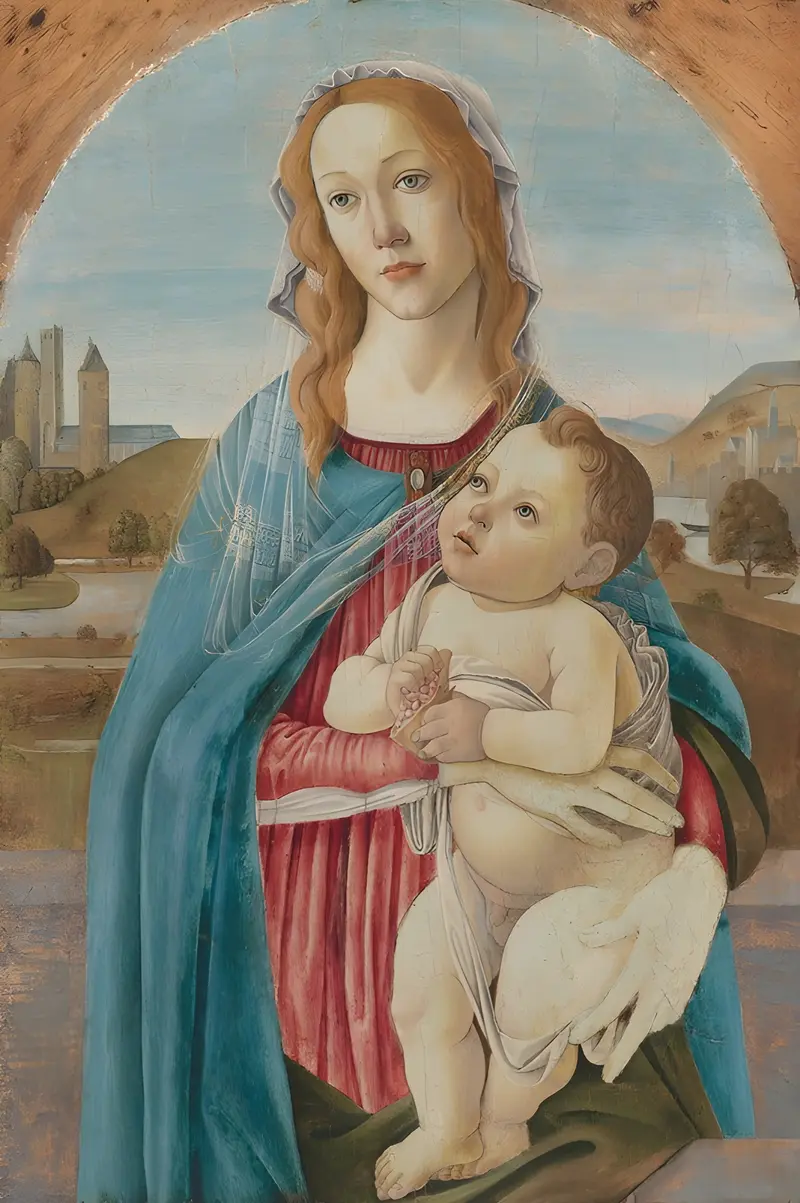
Virgin and Child
Sandro Botticelli
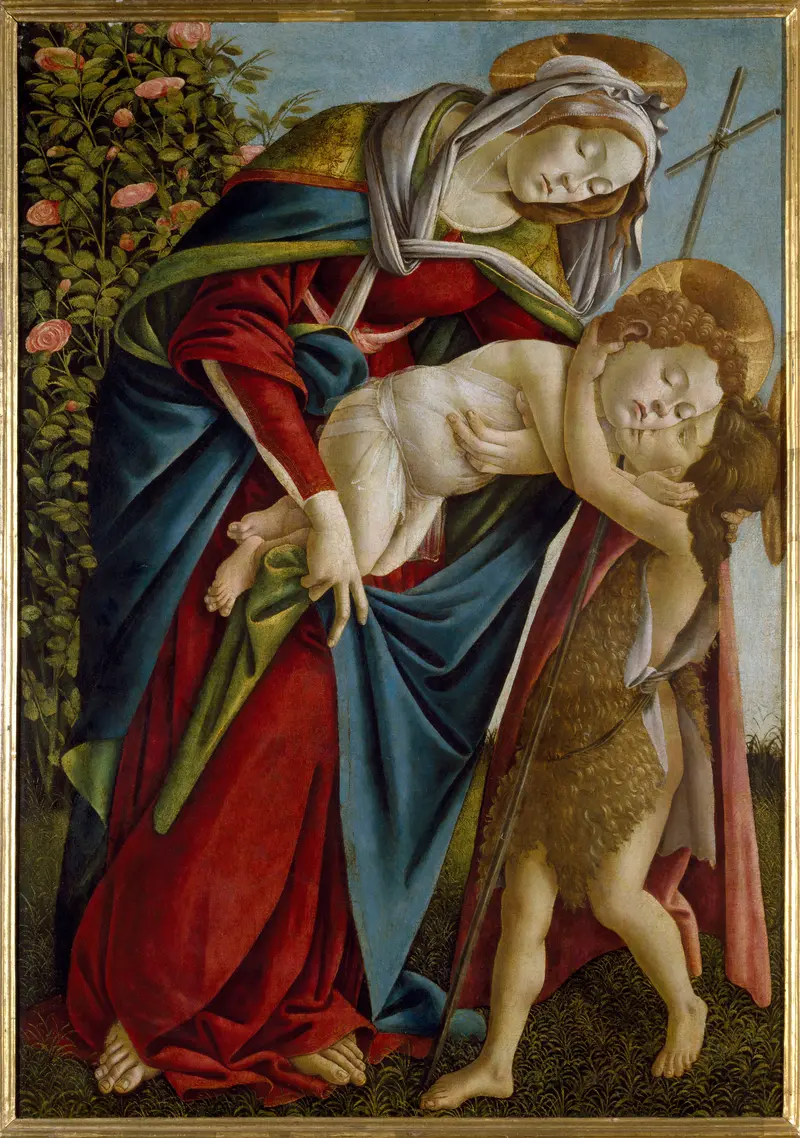
Madonna and Child and the Young St John the Baptist
Sandro Botticelli
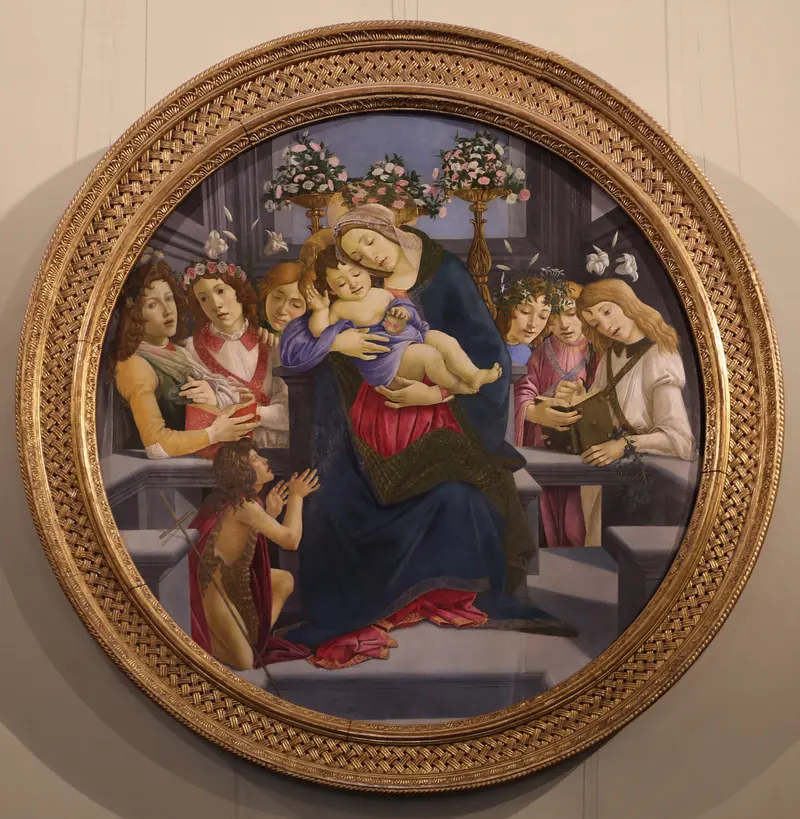
Madonna and Child with six angels and Saint John the Baptist as Child
Sandro Botticelli
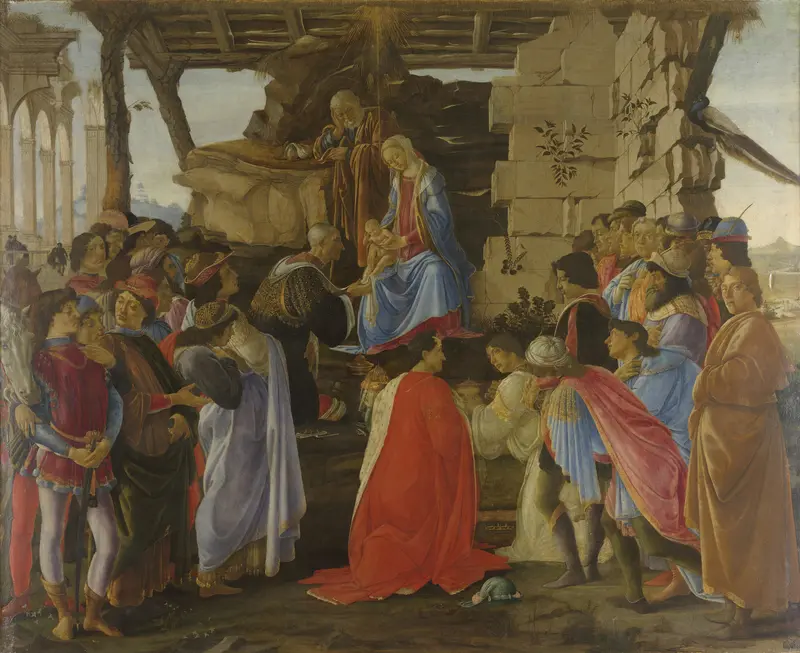
Adoration of the Magi
Sandro Botticelli

Virgin and Child with the Young Saint John the Baptist
Sandro Botticelli
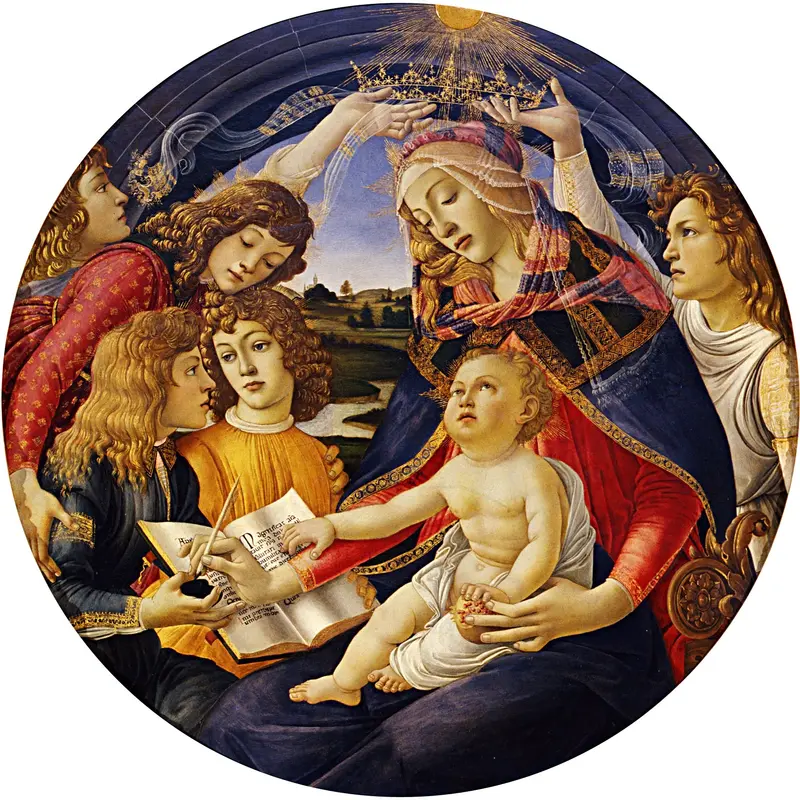
Madonna of the Magnificat
Sandro Botticelli
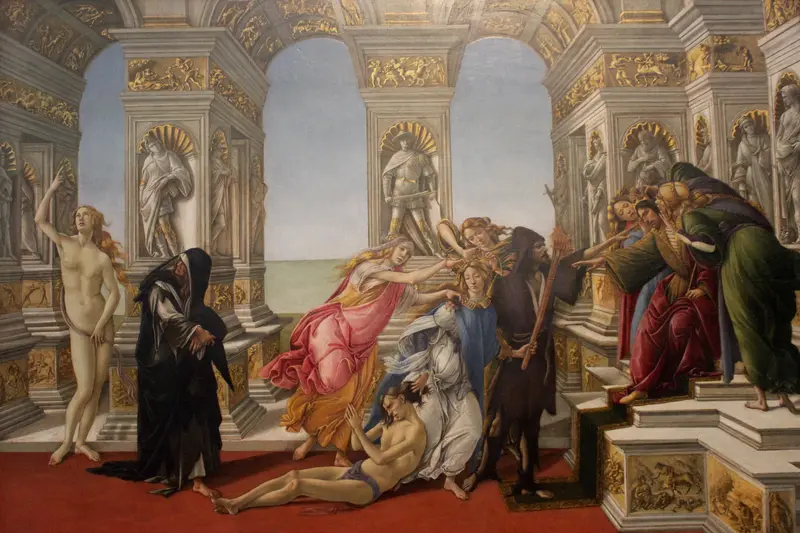
Calumny of Apelles
Sandro Botticelli
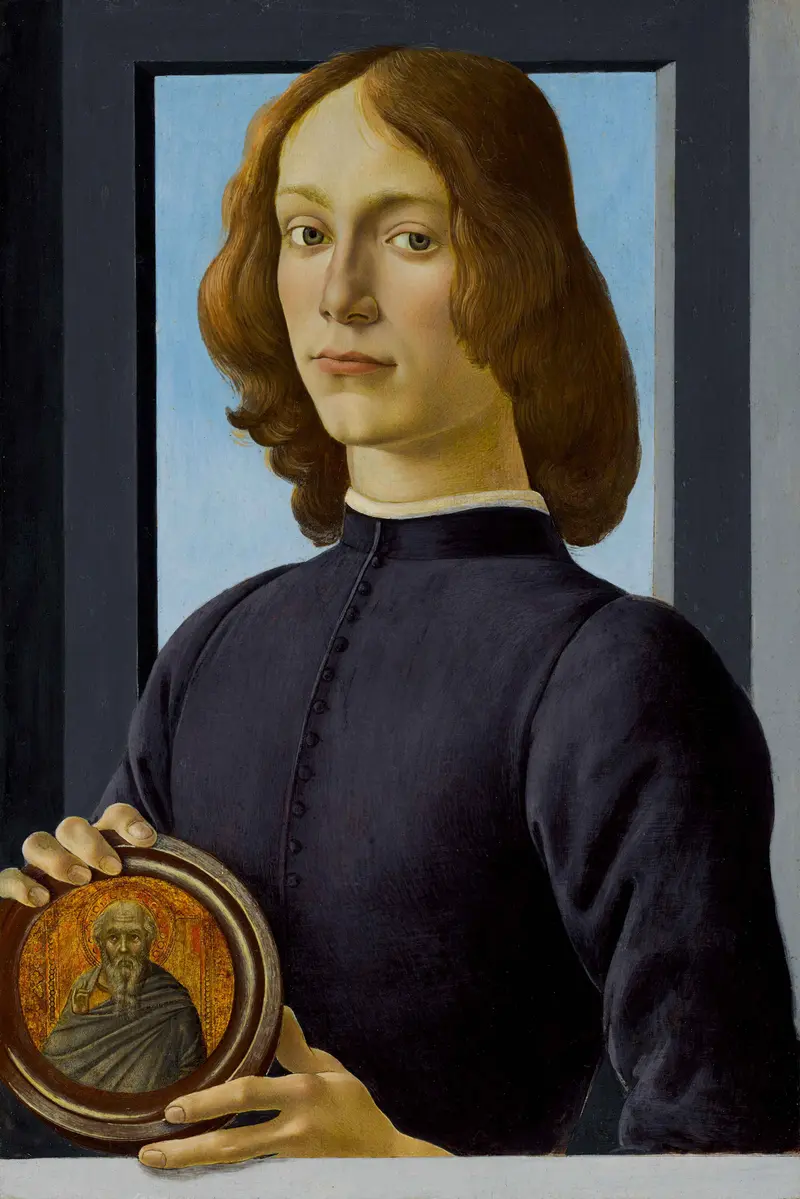
Portrait of a young man holding a roundel
Sandro Botticelli

The Trinity with Saint Mary Magdalene and Saint John the Baptist, the Archangel Raphael and Tobias
Sandro Botticelli
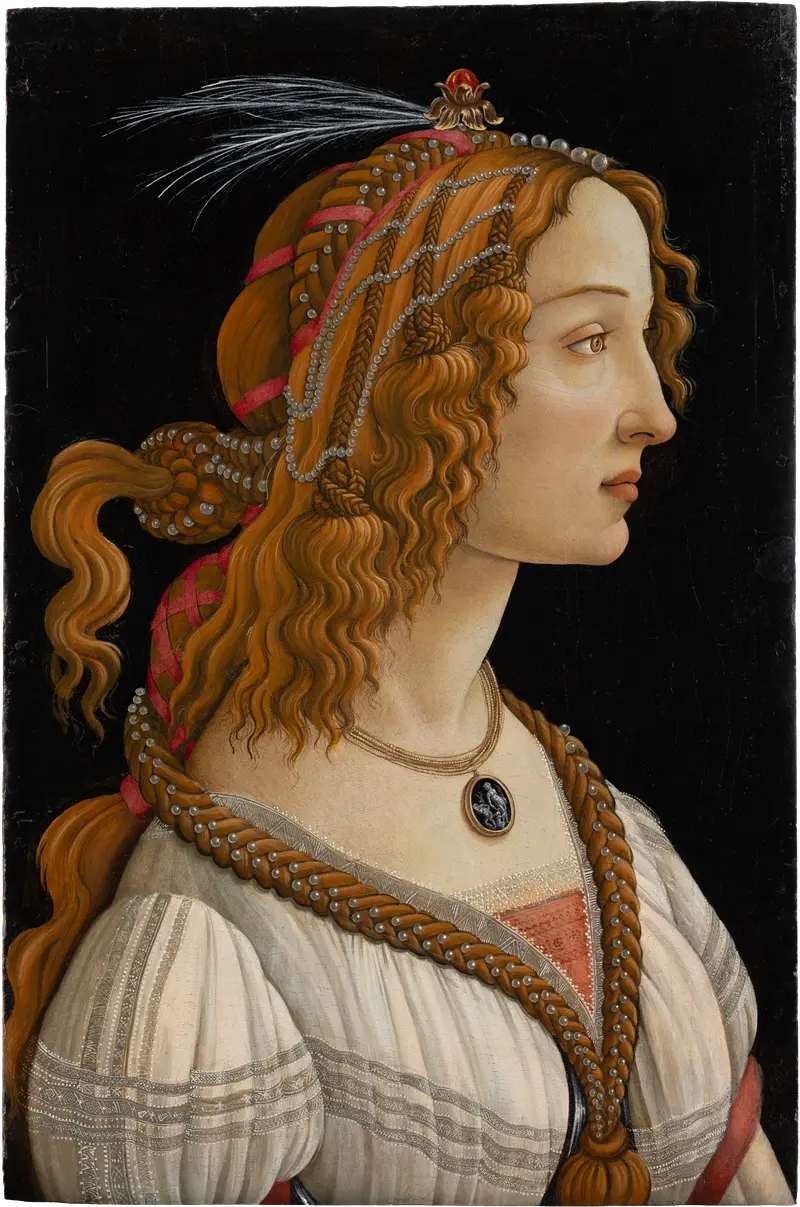
Idealized Portrait of a Lady (Portrait of Simonetta Vespucci as Nymph)
Sandro Botticelli





