
Sargans — History & Facts
In Sargans, the rhythm of movement pulses through the canvas, transforming stillness into a living memory. The painting invites the viewer to explore the dynamic interplay of light and shadow, where each detail seems to whisper stories of life unfolding in the Swiss landscape. Focus first on the central castle, its imposing structure rendered with meticulous precision. Notice how the warm ochres and soft greys of the stone evoke a sense of stability, while the swirling clouds above contrast with the serene surroundings.
As your eyes travel outward, the valleys and hills breathe beneath an expansive sky, each brushstroke hinting at the gentle winds that caress the scene. Wagner’s choice of palette creates a dialogue between the solidity of the castle and the ethereal quality of the landscape, emphasizing the relationship between man-made structures and the natural world. Yet, it’s the small details that reveal deeper insights. Look closely at the figures in the foreground, their slight movements suggesting stories untold, a fleeting moment captured at the cusp of action.
The interplay of light across the land conveys not just time, but the essence of life itself—a reminder of the daily rhythms that orchestrate existence. This harmony of man and nature resonates with the viewer, hinting at the balance and tension present in their coexistence. During the years 1840 to 1844, Wagner painted Sargans while living in an era marked by Romanticism's embrace of nature and emotion. In a time of political upheaval and artistic exploration, he drew inspiration from the picturesque landscapes of Switzerland, capturing not only the geographical beauty but also the emotional weight of his subjects.
This piece reflects the artist's dedication to portraying the sublime, bridging the gap between the tangible and the ineffable.
More Artworks by Johann Friedrich Wagner
Browse all →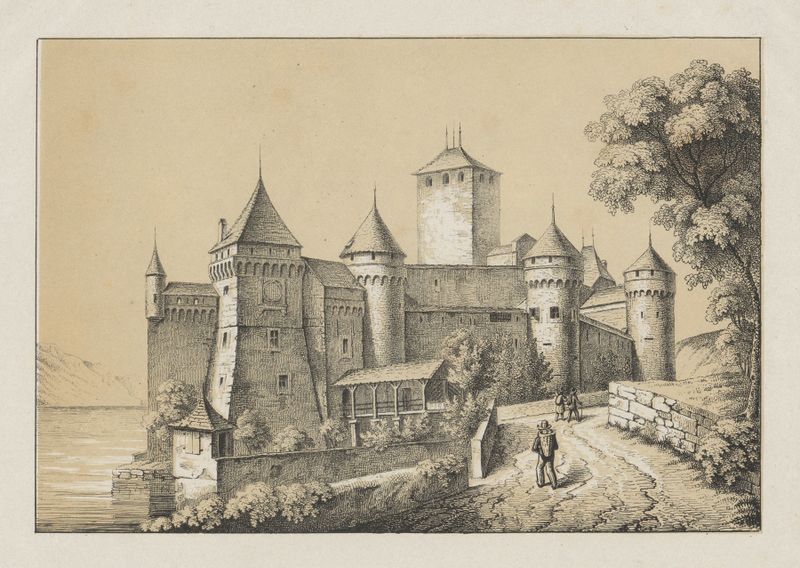
Chillon
Johann Friedrich Wagner

Valangin
Johann Friedrich Wagner
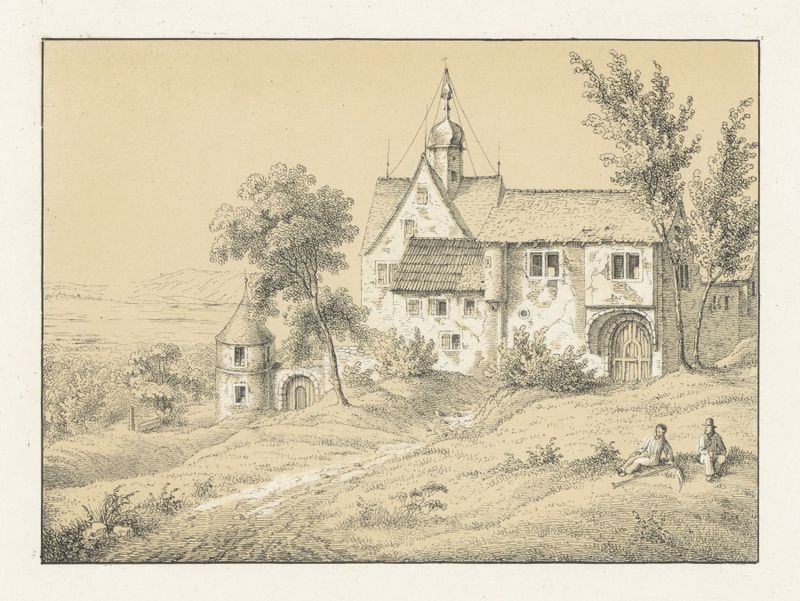
Greifenstein
Johann Friedrich Wagner

Vorburg
Johann Friedrich Wagner
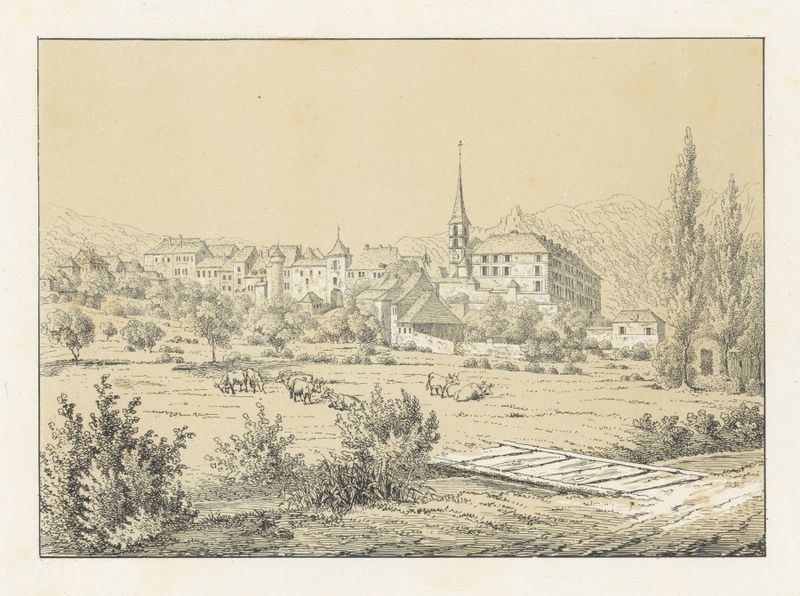
Delémont
Johann Friedrich Wagner

Pleujouse
Johann Friedrich Wagner

Challay
Johann Friedrich Wagner
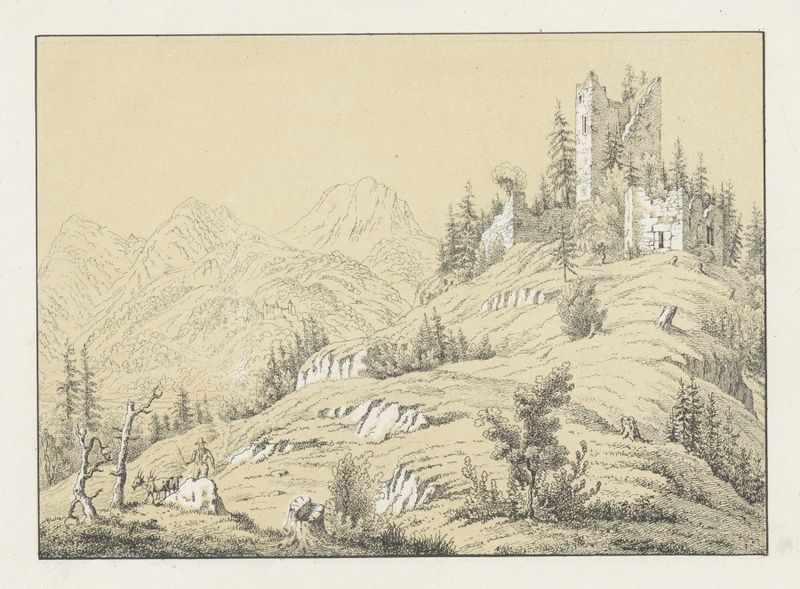
Mont Salvant
Johann Friedrich Wagner
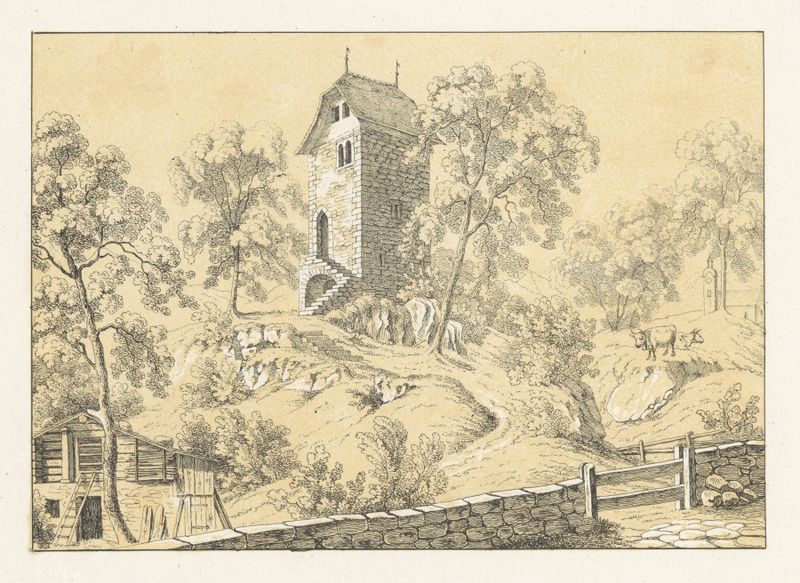
Aha. Od. Untere Burg von Sarnen
Johann Friedrich Wagner
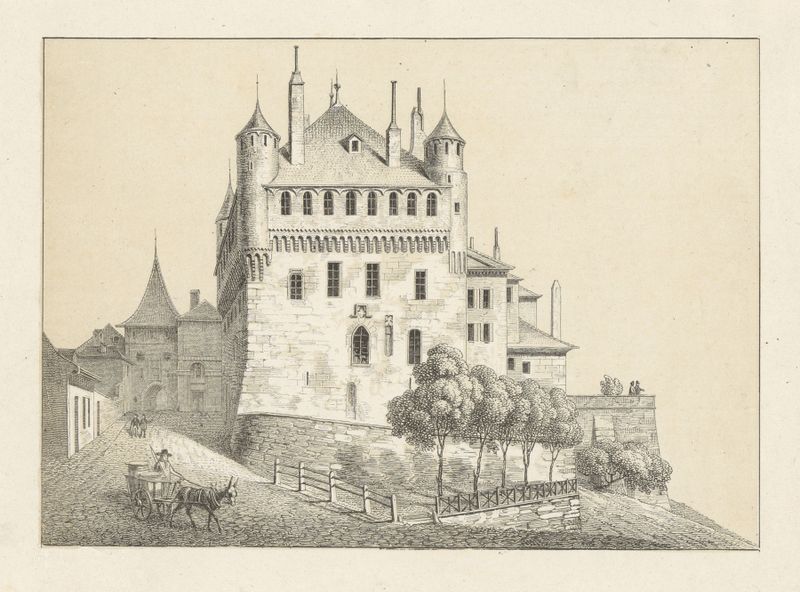
Lausanne
Johann Friedrich Wagner





