
Saxon Chapel in Coningsborough Castle — History & Facts
Could a single brushstroke hold eternity? The transient beauty of a moment captured in time speaks to the legacies we leave behind; perhaps this is what one feels gazing upon the serene depiction of a chapel nestled in a stronghold of history. Look to the left at the gentle arch of the Saxon Chapel, its stone facade bathed in warm sunlight. Notice how Fielding's delicate brushwork reveals the intricate textures of the weathered stones, each stroke adding character and depth. The soft hues of green and blue in the surrounding foliage contrast with the robust browns and grays of the structure, inviting the viewer to explore the harmonious relationship between nature and human creation. Beneath the painting’s tranquil veneer lies a tension between fragility and endurance.
The chapel, though seemingly sturdy, hints at the passage of time, evoking thoughts about what remains after centuries have passed. The interplay of light and shadow suggests moments of prayer and reflection, imbuing the scene with a sense of quiet reverence. These nuances speak to the dualities of heritage: the celebration of history and the inevitable decay that follows. In 1825, Fielding painted this work while immersed in the artistic milieu of early 19th-century England, a time marked by a revival of interest in Gothic architecture and historical sites.
The Romantic movement was gaining momentum, and artists of the period often sought to evoke emotion through nature and historical themes. Fielding, known for his detailed landscapes and architectural studies, captured a moment of stillness within the chaos of a rapidly changing world.
More Artworks by Theodore Henry Adolphus Fielding
Browse all →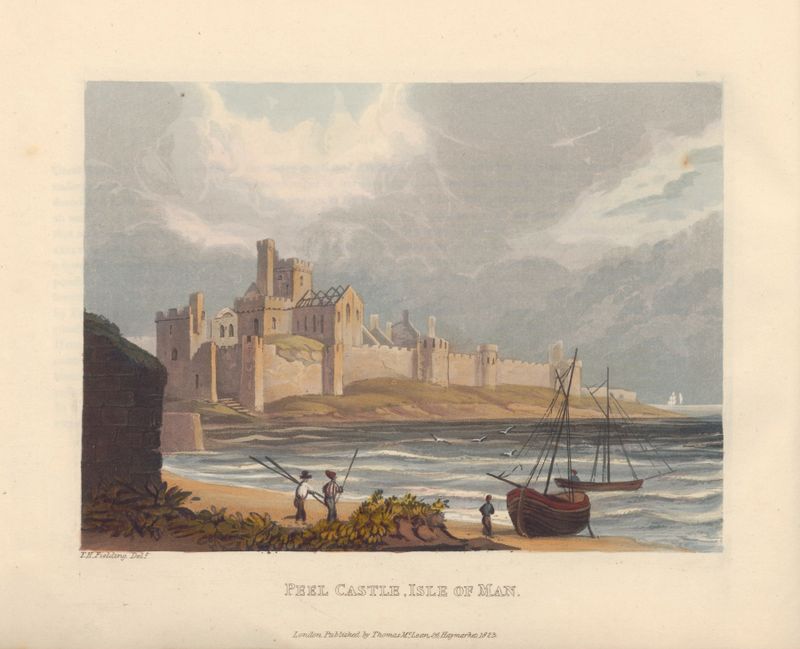
Peel Castle, Isle of Man
Theodore Henry Adolphus Fielding
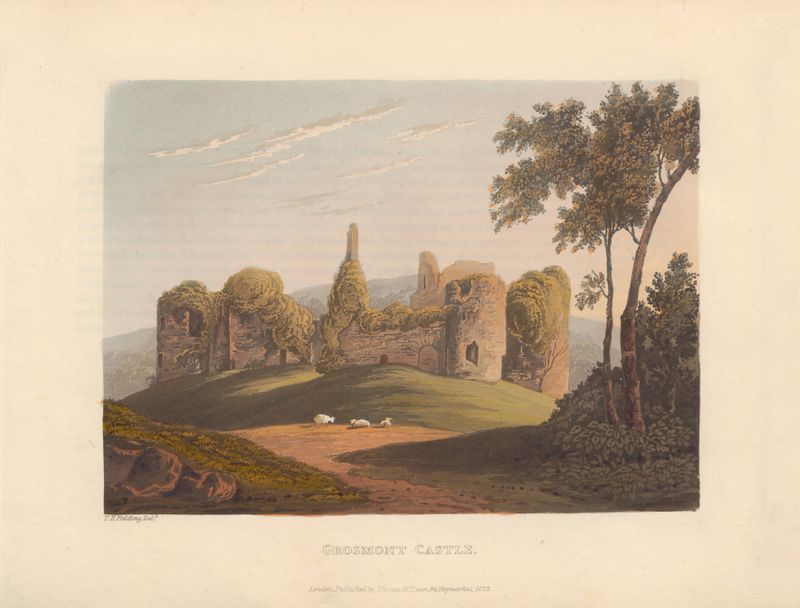
Grosmont Castle
Theodore Henry Adolphus Fielding
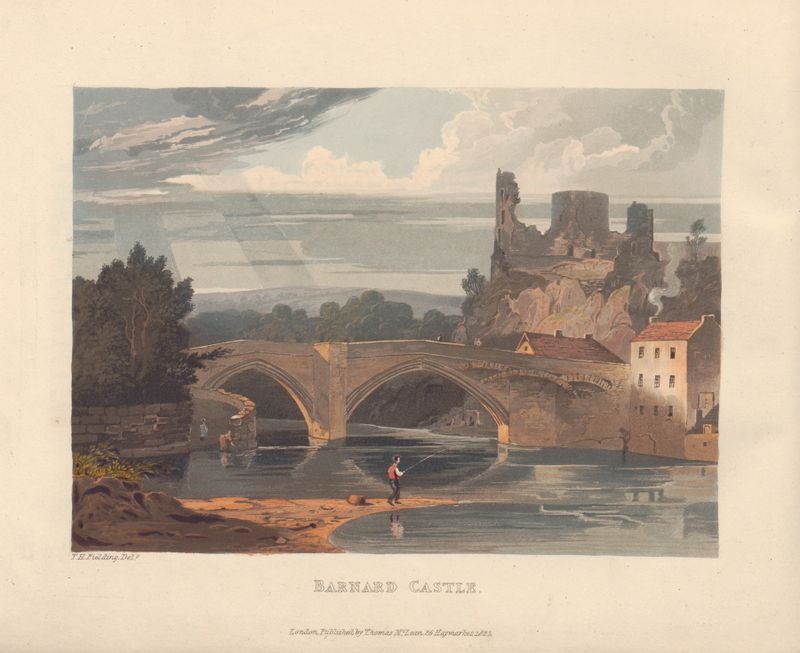
Barnard Castle
Theodore Henry Adolphus Fielding
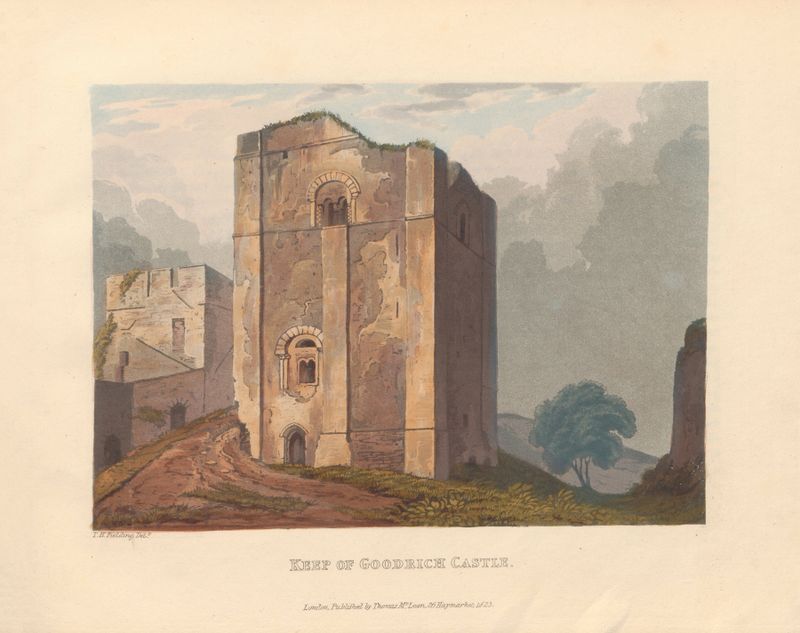
Keep of Goodrich Castle
Theodore Henry Adolphus Fielding
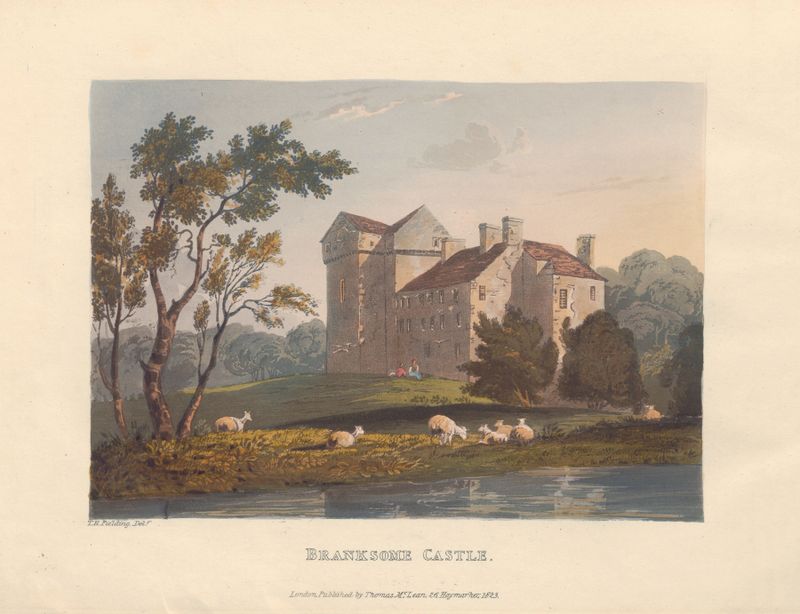
Branksome Castle
Theodore Henry Adolphus Fielding
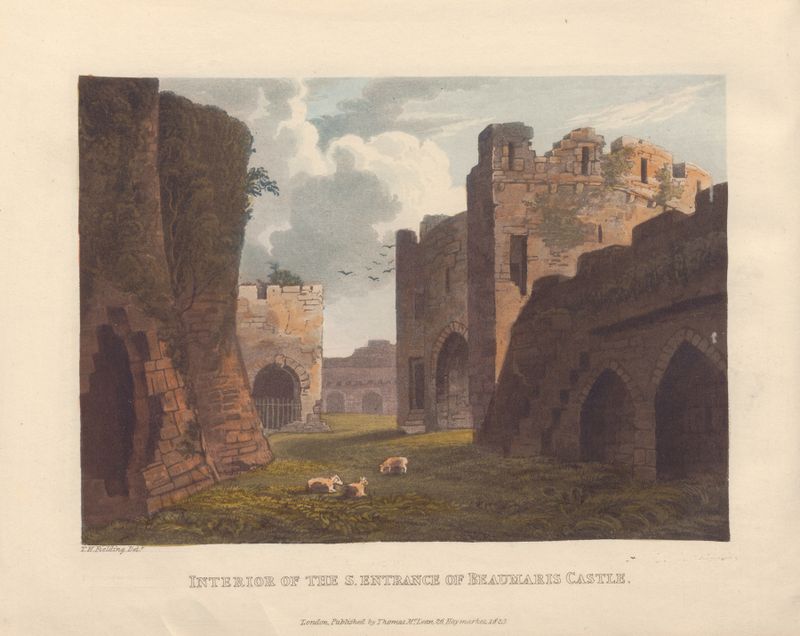
Interior of the south entrancce of Beaumaris Castle
Theodore Henry Adolphus Fielding
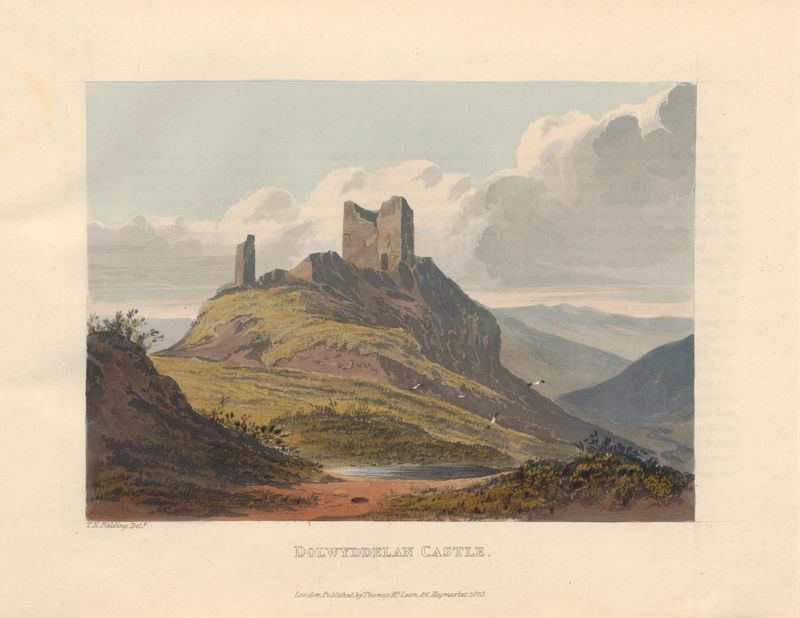
Dolwyddelan Castle
Theodore Henry Adolphus Fielding
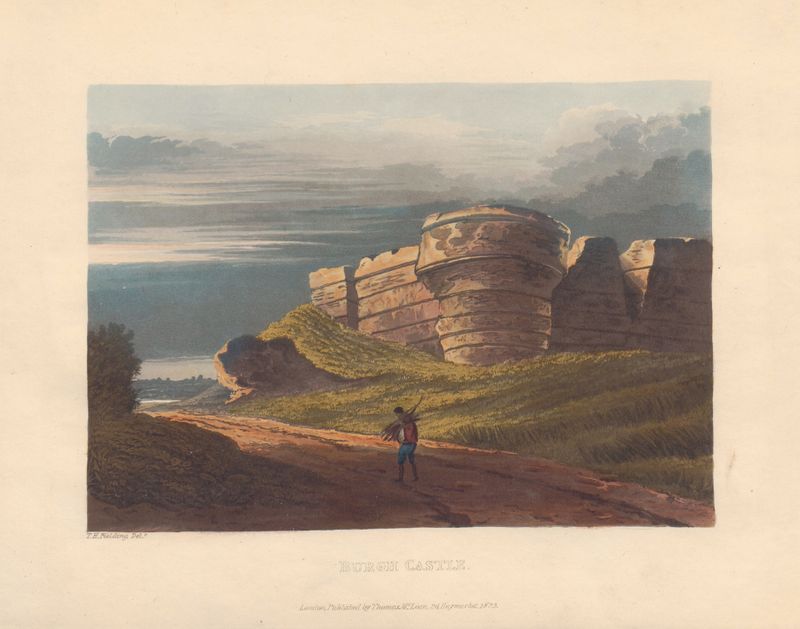
Burgh Castle
Theodore Henry Adolphus Fielding
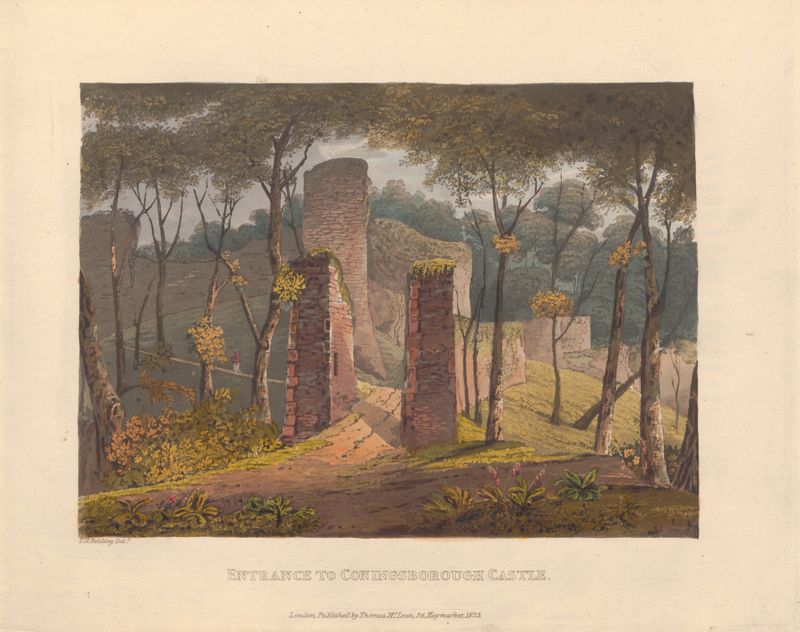
Entrance to Coningsborough Castle
Theodore Henry Adolphus Fielding
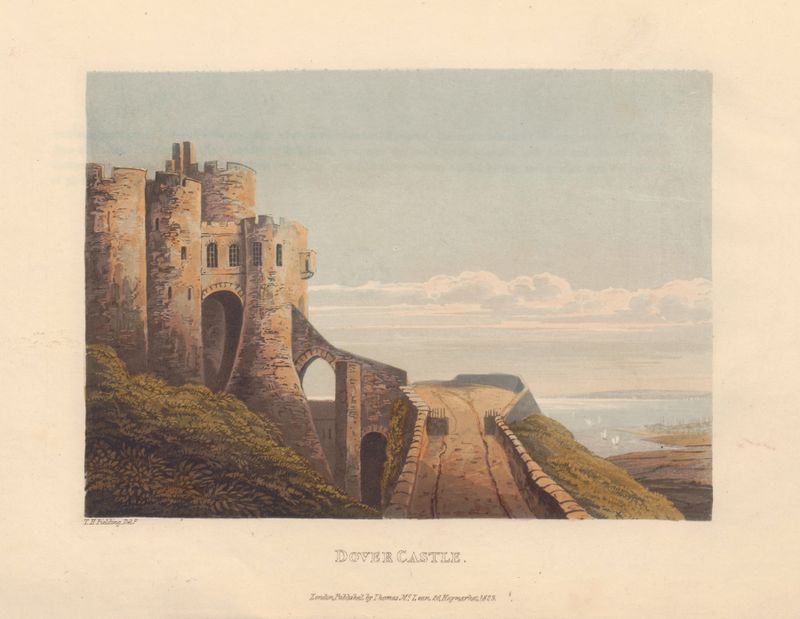
Dover Castle
Theodore Henry Adolphus Fielding
More Architecture Art
Browse all →
The statue of Liberty
Frédéric Auguste Bartholdi

View of Houses in Delft, Known as ‘The Little Street’
Johannes Vermeer

View of Houses in Delft, Known as ‘The Little Street’
Johannes Vermeer

The Cathedral in Rouen. The portal, Grey Weather
Claude Monet

The yellow house
Vincent van Gogh

The Church in Auvers-sur-Oise, View from the Chevet
Vincent van Gogh