
Scarlet Ibis — History & Facts
The eye is immediately caught by a bird so red it seems almost impossible, its curved bill poised as if in mid-conversation with its quieter, earth-toned companion. The Scarlet Ibis by John James Audubon does not just present a specimen; it stages a moment of encounter. The ibis’s vivid plumage is rendered with such intensity that it commands the foreground, while the more subdued bird, perhaps a juvenile or a different species altogether, stands sentinel on a rock, its posture wary yet calm.
The watery horizon and distant islets pull the gaze outward, but the drama is here, in the contrast of color, the echo of those long, elegant legs, and the careful, almost theatrical arrangement of the two birds. Audubon’s attention to the curl of a claw or the glint in an eye is not just scientific—it is storytelling. Created between 1827 and 1838, this plate belongs to the legendary Birds of America, a project that changed the way people saw the natural world. In the early nineteenth century, such works were both art and evidence, commissioned by collectors and naturalists eager to catalogue the wild abundance of the Americas.
Audubon’s images, now held by the University of Pittsburgh, are windows into an age of exploration and ambition, when the boundaries between science and art blurred. The Scarlet Ibis stands as a record of a time when seeing—and showing—nature was itself an act of discovery. Let your eyes linger on the details: each feather, each shadow, is a trace of that restless, searching age.
More Artworks by John James Audubon
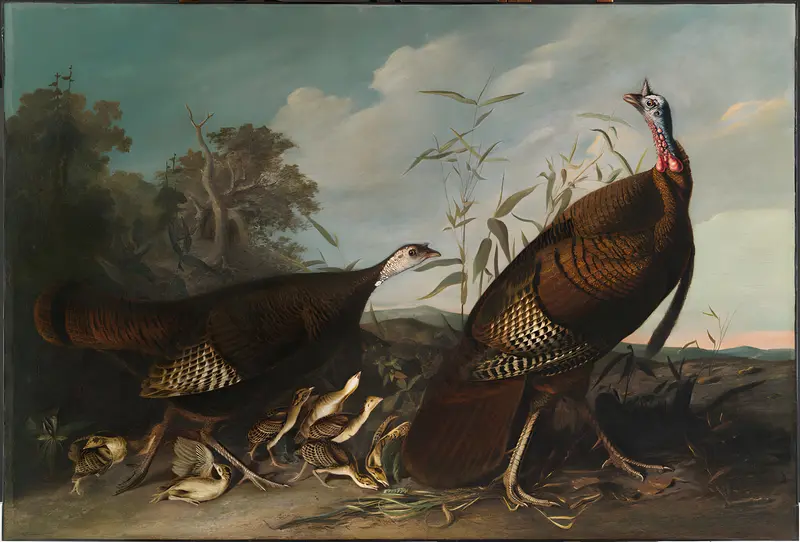
Wild Turkey Cock, Hen, and Chicks
John James Audubon
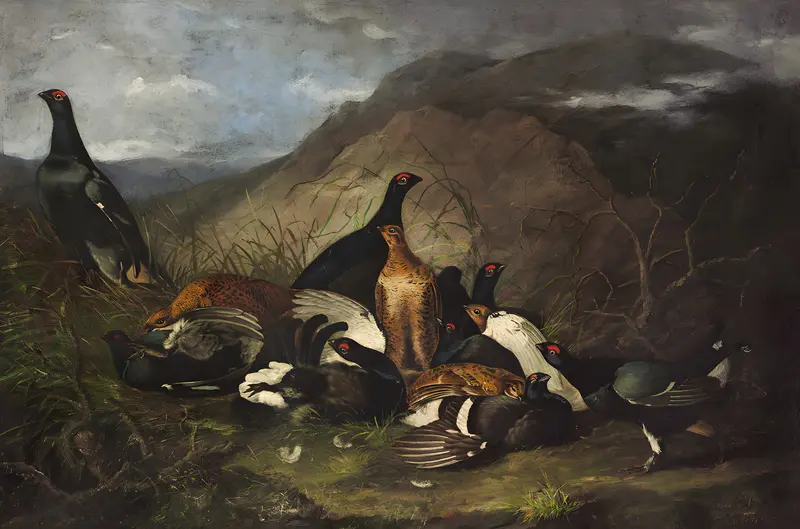
Scottish Black Grouse, Cocks and Hens
John James Audubon
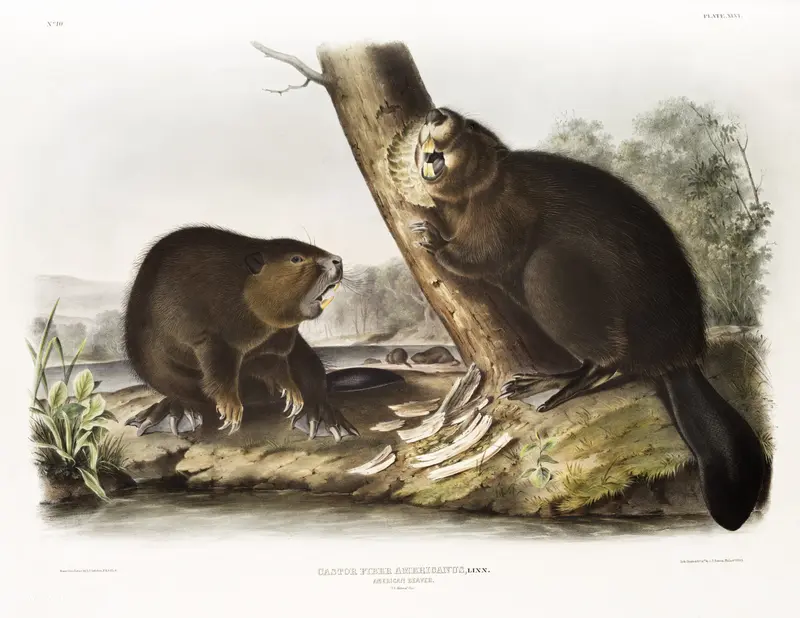
American Beaver
John James Audubon
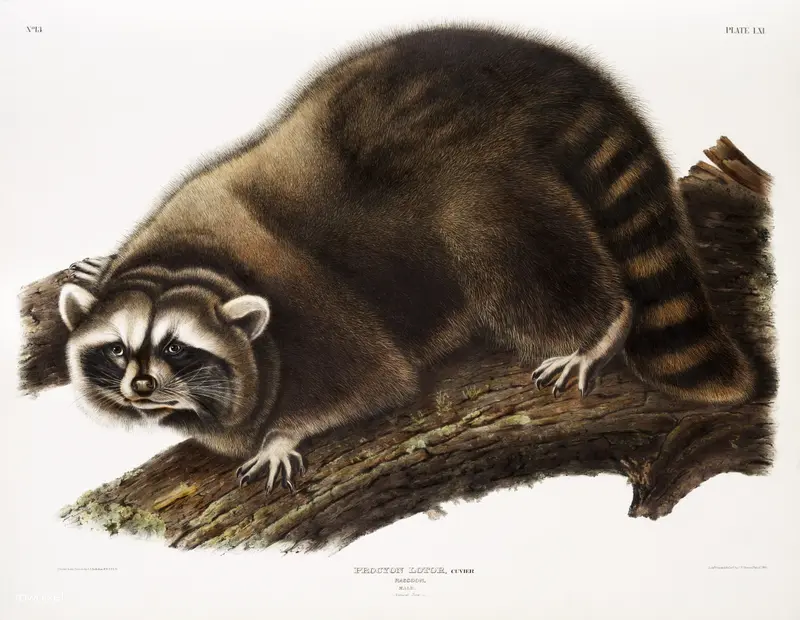
Raccoon
John James Audubon

Magnificent Frigatebird
John James Audubon
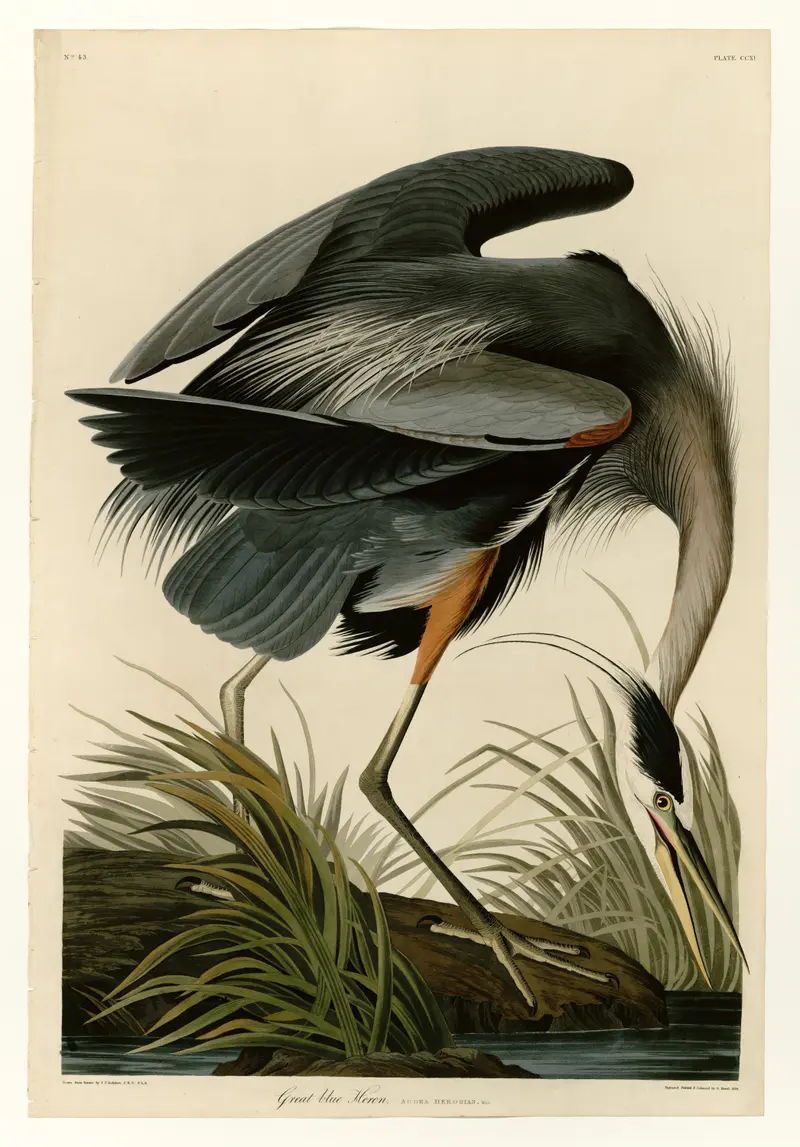
Great Blue Heron
John James Audubon
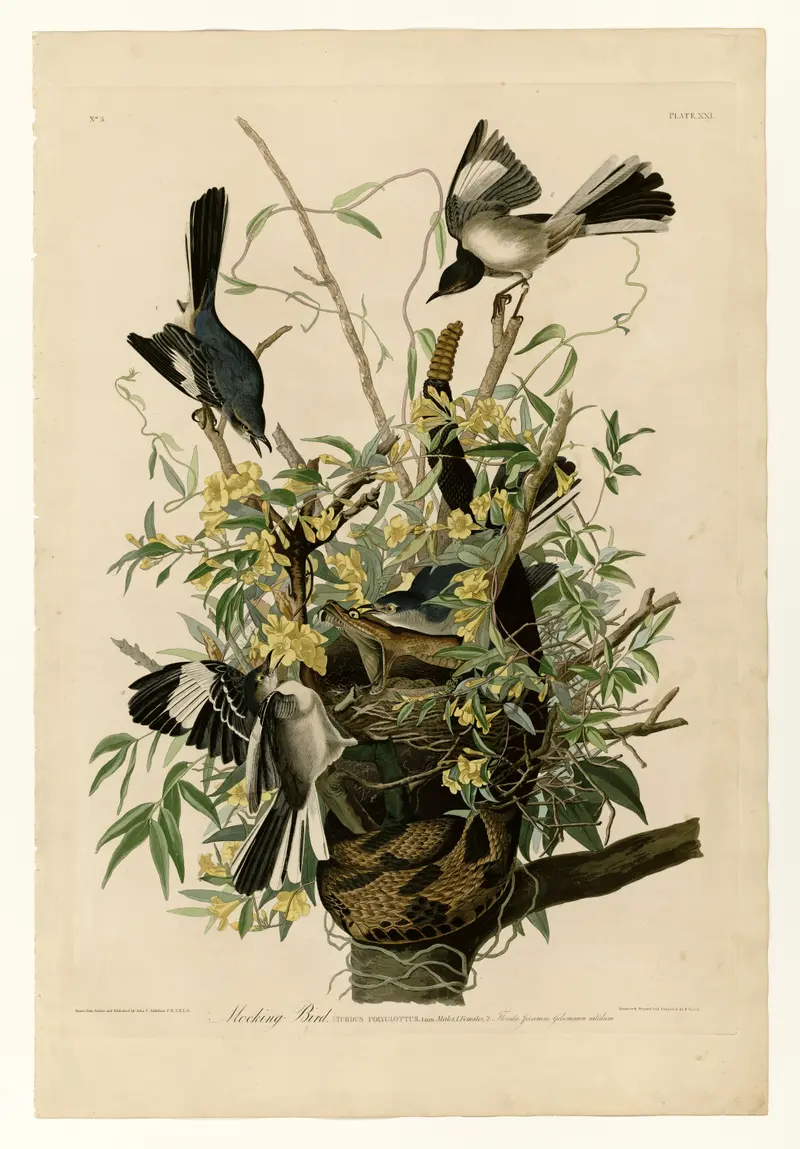
Northern Mockingbird
John James Audubon
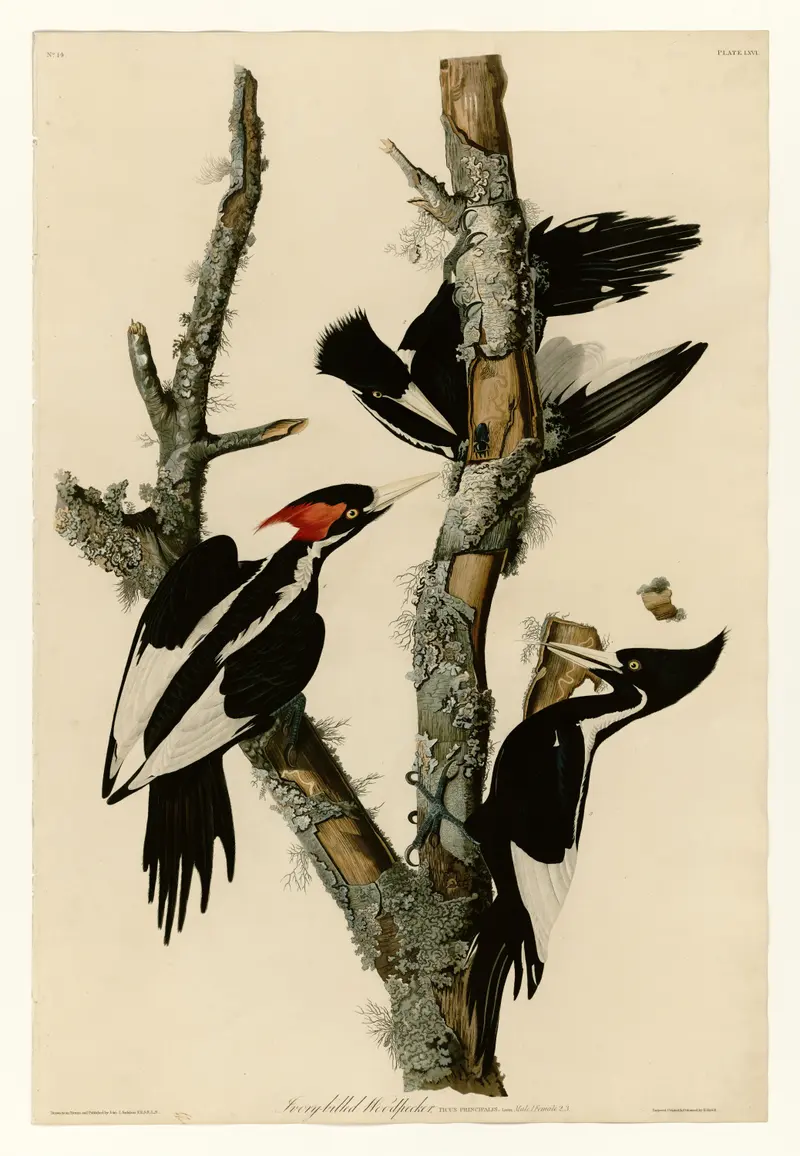
Ivory-billed Woodpecker
John James Audubon
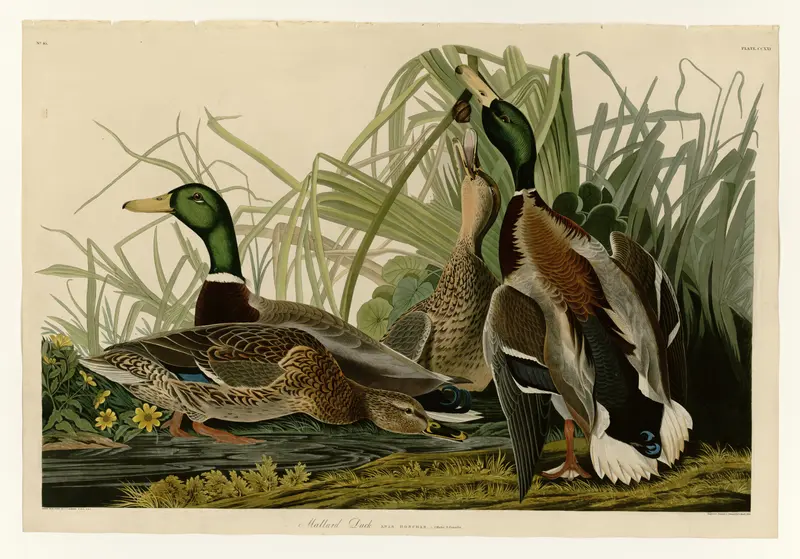
Mallard
John James Audubon
Ruby-throated Hummingbird
John James Audubon





