
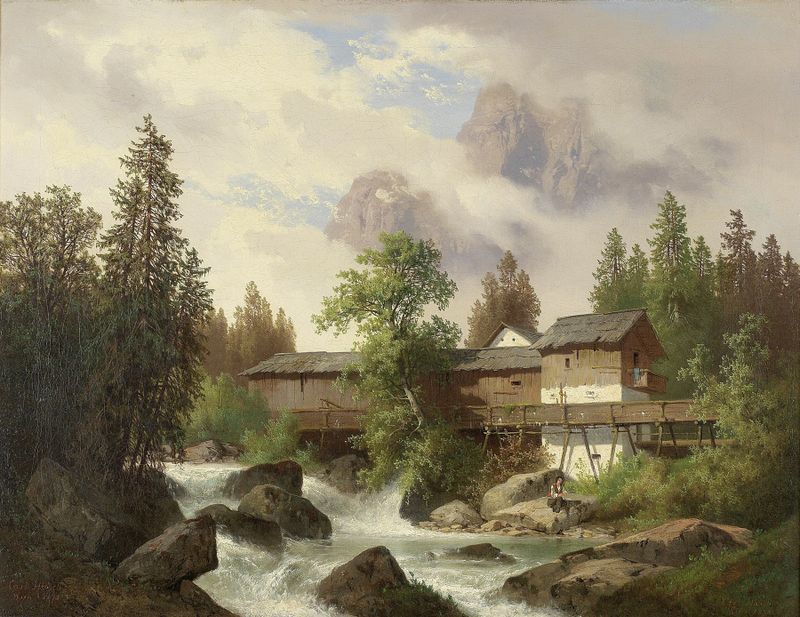
Scene By The Waldbachstrub Near Hallstatt — History & Facts
In this serene moment captured by the artist, an ethereal balance hangs in the air, where nature whispers secrets, and the weight of tranquility settles softly on the viewer's heart. Focus on the gentle convergence of land and water at the bottom of the canvas, where the reflections ripple like fragile thoughts. The cool, muted palette of greens and blues envelops the scene, inviting a sense of calm. Notice how the light dances off the surface of the water, illuminating the delicate textures of leaves and stones, creating a harmonious dialogue between the earth and its mirrored images. In this artwork, the interplay of shadow and light reveals deeper themes of connection and solitude.
The trees, stoic yet inviting, stand as guardians of this secluded space, while the water symbolizes the flow of time, reflecting the tranquility and the stillness of nature. Each brushstroke serves to highlight the beauty found in balance — between presence and absence, action and stillness. Created in the late 19th century, this piece belongs to a period of burgeoning impressionism, a movement that sought to capture fleeting moments in nature. Hasch, residing in Europe amidst an artistic revival, aimed to depict the subtleties of light and atmosphere, influenced by his contemporaries who turned their gaze toward the outside world.
The artist's tranquil portrayal of Hallstatt’s surroundings embodies not only the spirit of the time but also his personal quest for harmony within the chaos of life.
More Artworks by Carl Hasch
Browse all →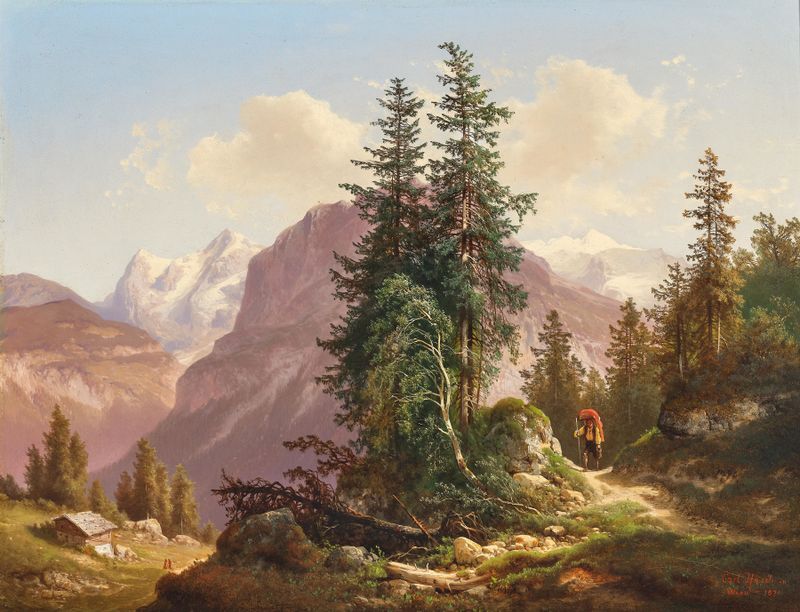
Der Eiger, der Mönch und der Silberhorn in der Schweiz
Carl Hasch

Gebirgsbach in der Ramsau
Carl Hasch

Jäger im Hochgebirge
Carl Hasch
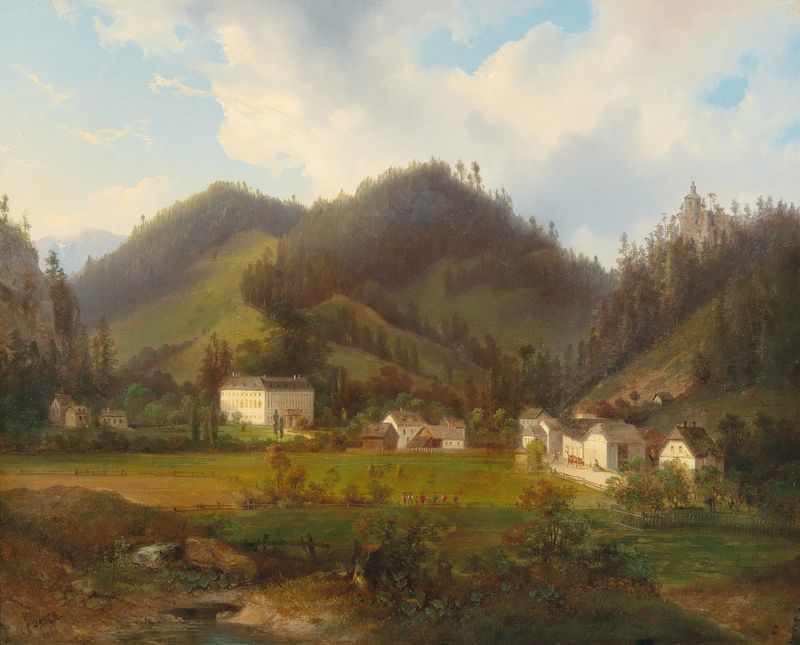
View of Schloss Gutenstein
Carl Hasch
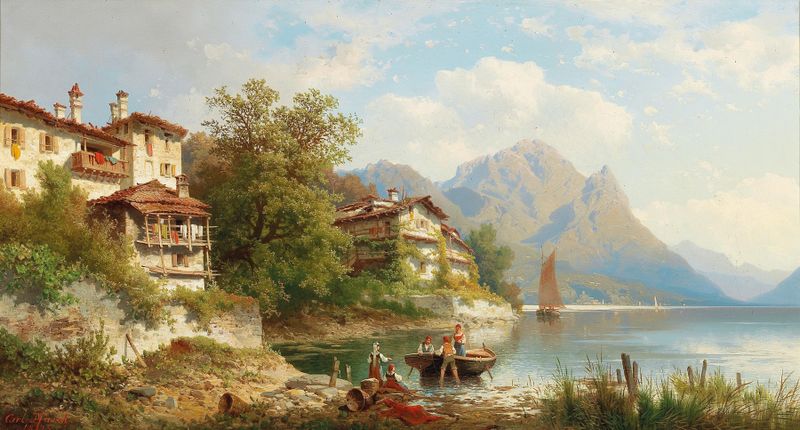
Motiv aus Gandria am Lago di Lugano
Carl Hasch

Waldmühle bei Windischgarsten
Carl Hasch

Waterfall
Carl Hasch

Am Seebach in Prag
Carl Hasch
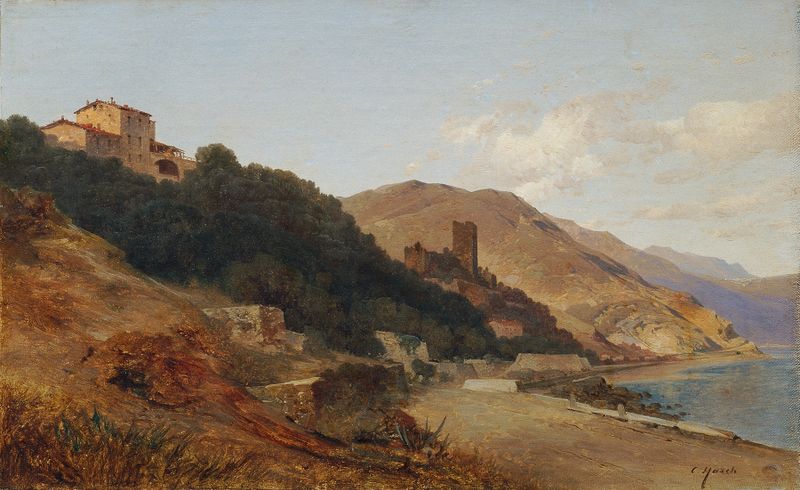
Italienische Abendlandschaft
Carl Hasch
Landschaft mit Sägemühle
Carl Hasch





