
Scheveningen — History & Facts
No other painting by Jules Schmalzigaug is more closely tied to his lifelong fascination with movement and light than Scheveningen. The seaside town of Scheveningen, near The Hague, was a favored destination for artists and holidaymakers alike in the early twentieth century, and Schmalzigaug visited several times during his Dutch sojourns. What makes this work particularly intriguing is that its date and medium remain uncertain, leaving scholars to piece together its place in the artist’s brief but restless career.
The painting’s very existence is a testament to Schmalzigaug’s restless search for new forms, as he moved between Belgium, Italy, and the Netherlands, absorbing the lessons of Futurism and Impressionism. In Scheveningen, Schmalzigaug captures the seaside at a moment when leisure and nature collide. The viewer’s eye is drawn to the sweeping lines that suggest the bustle of promenaders and the shimmering expanse of the North Sea. Unlike the placid beach scenes of Johan Barthold Jongkind or the sun-drenched views of Claude Monet, Schmalzigaug’s approach is more dynamic: forms dissolve into whorls of color, and the horizon blurs, as if the wind itself were painting.
The brushwork hints at figures in motion, parasols and sailboats, but never fixes them in place—an echo of the fleeting pleasures of a day at the shore. The light, fractured and restless, becomes the true subject, reflecting Schmalzigaug’s fascination with the energy of modern life. Little is known about the early history of Scheveningen, and it is not clear whether it was painted on commission or as part of Schmalzigaug’s personal explorations. The work’s uncertain provenance mirrors the artist’s own peripatetic existence, marked by travel and experimentation.
Today, Scheveningen is recognized as a rare glimpse into Schmalzigaug’s engagement with the Dutch landscape, standing apart from his more abstract, Italian-inspired compositions. Its presence in the online gallery allows new audiences to appreciate the artist’s distinctive vision, even as questions about its origins and technique remain open.
More Artworks by Jules Schmalzigaug

A View of Scheveningen
Jules Schmalzigaug
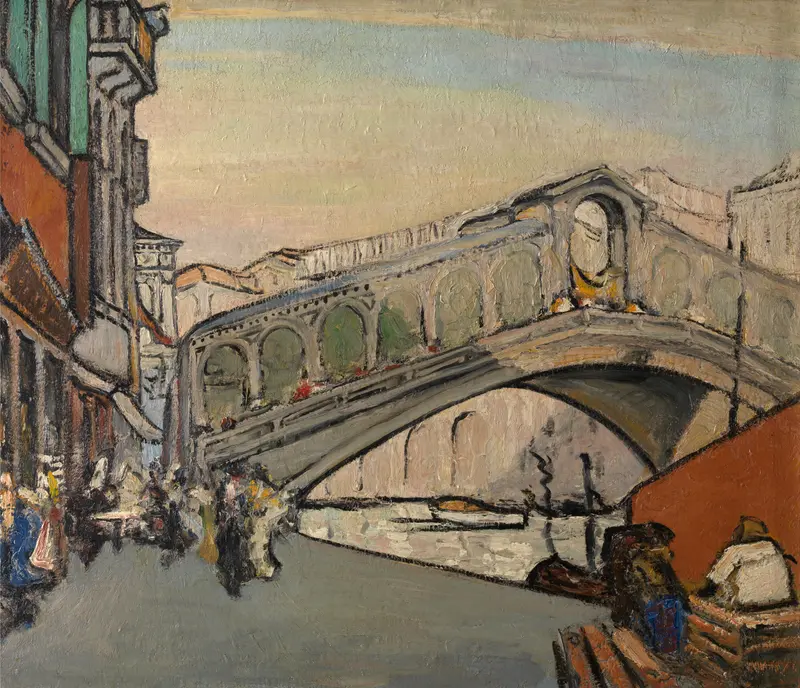
The Rialto Bridge in Venice
Jules Schmalzigaug

Abstract Bouquet
Jules Schmalzigaug
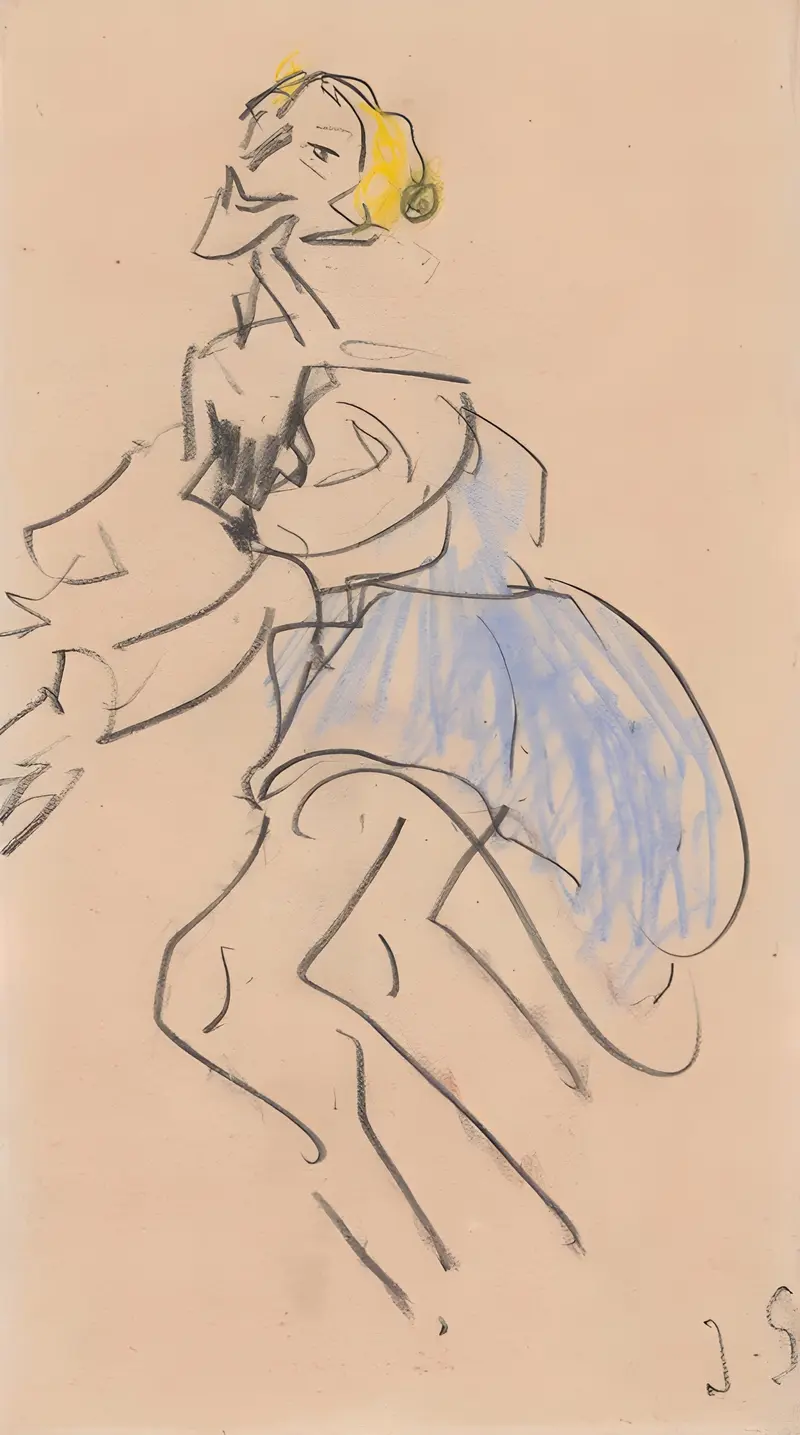
Dancer
Jules Schmalzigaug
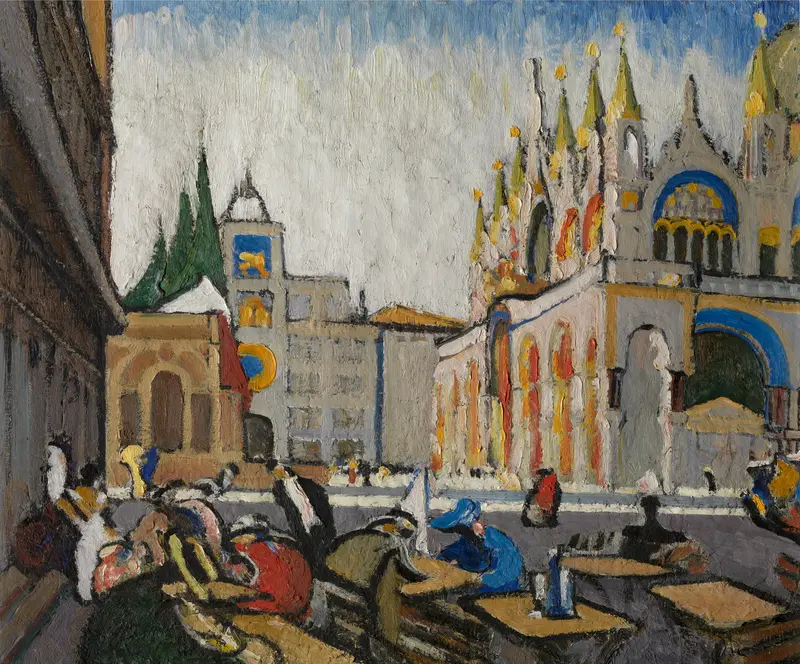
San Marco from the Piazetta
Jules Schmalzigaug
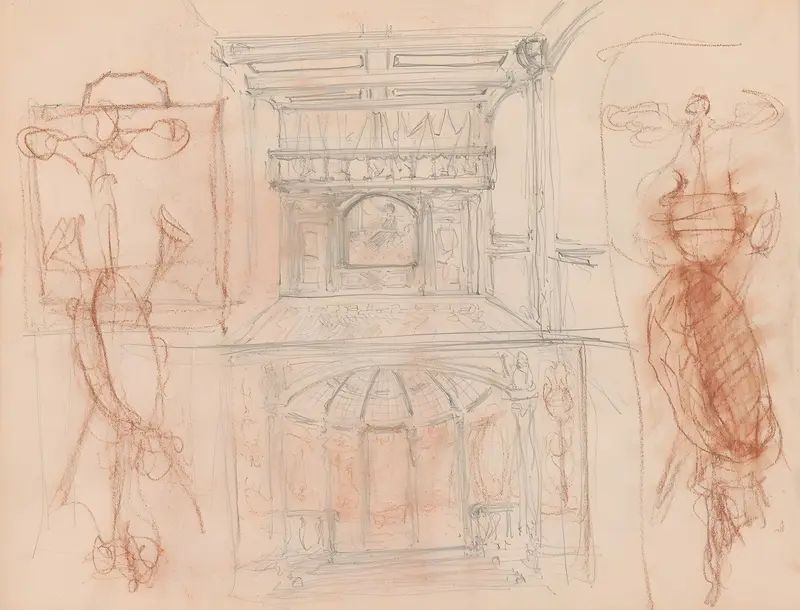
Architectural Elements
Jules Schmalzigaug
Blue, Red and Yellow Figures
Jules Schmalzigaug
Chiesa dei Gesuati in Venice
Jules Schmalzigaug
Café-chantant
Jules Schmalzigaug
Backyard
Jules Schmalzigaug





