
Schönbrunn — History & Facts
What if silence could speak through light? In Schönbrunn, Oskar Laske captures a moment suspended in time, where the stillness of the landscape conveys a profound sense of rebirth and contemplation. The interplay of light and shadow invites us into a world that transcends mere representation, suggesting a deeper connection to nature and history. Look to the center of the canvas where the magnificent palace stands majestically against a backdrop of softly illuminated trees. The vibrant greens of the foliage contrast beautifully with the pale stone of the architecture, drawing your eye to the harmonious blend of the manmade and the organic.
Notice how the warm light spills across the scene, creating gentle reflections that dance on the surface of the water, hinting at new beginnings and the passage of time. Delve deeper, and you'll find hidden tensions within this serene landscape. The rigid lines of the palace juxtapose the fluidity of nature, symbolizing the delicate balance between cultural heritage and the raw beauty of the earth. The artist’s choice of colors evokes a wistfulness, suggesting that beneath the tranquil surface, there lies an undercurrent of history and change, as if the landscape remembers the whispers of the past while eagerly embracing the future. Oskar Laske painted Schönbrunn in 1930 while living in Austria, a time marked by political and social upheaval in Europe.
This period saw a growing interest in the intersection of modernity and tradition, as artists sought to reconcile their heritage with the evolving world around them. Laske's work reflects this sentiment, capturing the essence of a historic site in a moment of quiet reflection, inviting viewers to consider their own relationship with the past and the promise of renewal.
More Artworks by Oskar Laske
Browse all →
Faschingsumzug am Stock im Eisen Platz
Oskar Laske

Schönbrunn (Winter)
Oskar Laske
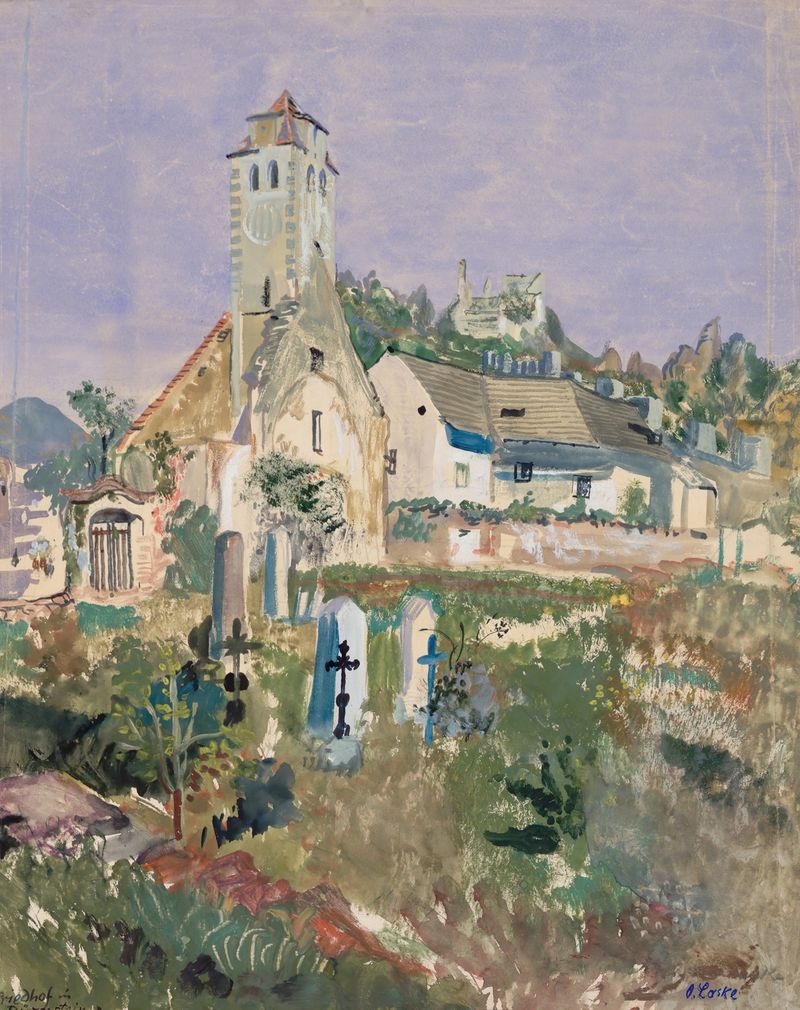
Friedhof in Dürnstein
Oskar Laske

Pratermotiv an der alten Donau
Oskar Laske

Frühjahrsnebel in Niederösterreich
Oskar Laske

Begräbnis des Wiener Bürgermeisters Dr. Karl Lueger
Oskar Laske

Maria Theresien-Denkmal mit Blick gegen das Burgtor
Oskar Laske
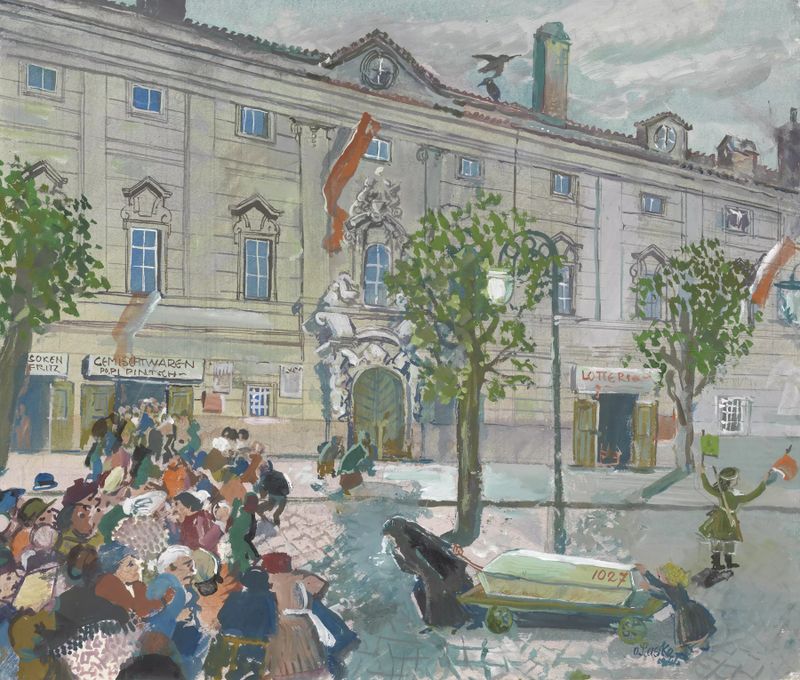
Wiener Straßenbild vom Mai 1945
Oskar Laske

Winterlandschaft in Pressbaum
Oskar Laske

Ansicht von Positano
Oskar Laske





