
School Time — History & Facts
A sun-drenched afternoon envelops a small schoolhouse, the warm glow spilling through the open windows. Children gather in lively clusters, their laughter punctuating the stillness of the countryside. The teacher stands poised at the front, a figure of calm authority amid the joyful chaos, her eyes scanning the room, ready to shape curious minds. Look to the left at the cluster of children, their faces animated with youthful energy.
Notice how the sunlight dances off their hair, illuminating their innocence and enthusiasm. The composition balances the classroom’s rustic charm against the palpable eagerness of its occupants, with soft earth tones harmonizing with bursts of brighter colors, drawing the viewer's eye toward the vibrant life within the confines of the schoolhouse. In the midst of this scene, there's a duality at play—between childhood innocence and the looming responsibilities of adulthood. The surroundings, marked by simplicity, symbolize a sacred space of learning and rebirth, where each child’s potential is nurtured.
The subtle tension between light and shadow mirrors the challenges that lie ahead, suggesting that education can illuminate paths to new beginnings, even in the face of uncertainty. Created around 1874, this work emerged during a transformative era for American education, as reforms began to take root and schoolhouses like this became vital centers for community growth. Winslow Homer, renowned for his depictions of American life, captured the essence of childhood exploration at a time when the nation was grappling with its identity, seeking to foster a future grounded in knowledge and opportunity.
More Artworks by Winslow Homer
Browse all →
The Gulf Stream
Winslow Homer
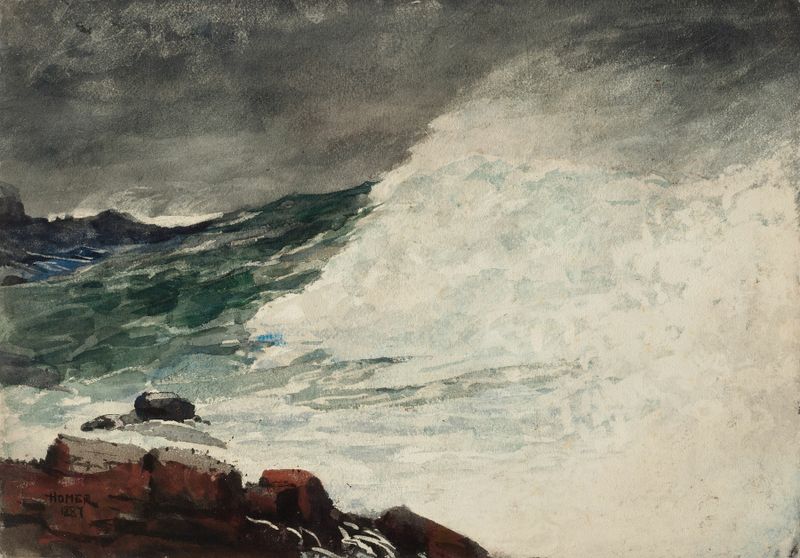
Prout’s Neck, Breaking Wave
Winslow Homer
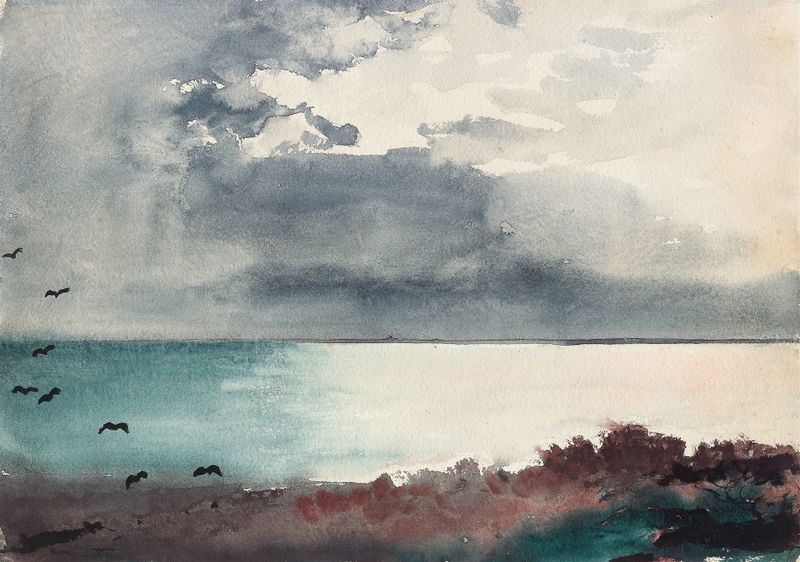
Breaking Storm, Coast of Maine
Winslow Homer
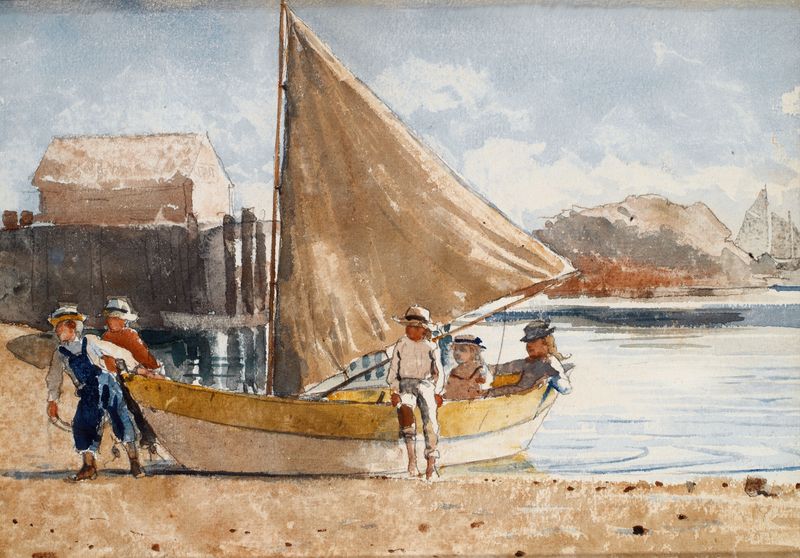
Summertime
Winslow Homer
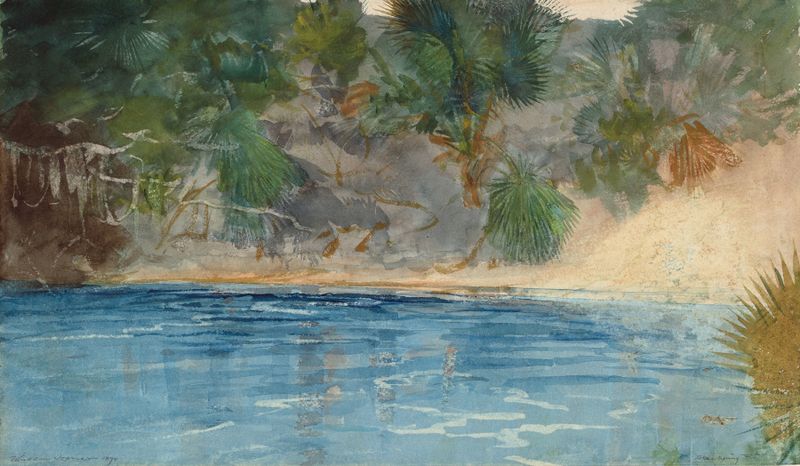
Blue Spring, Florida
Winslow Homer
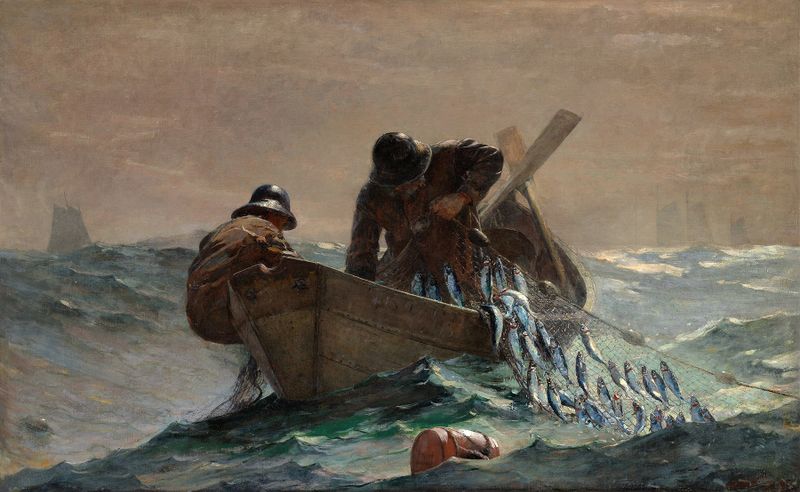
The Herring Net
Winslow Homer
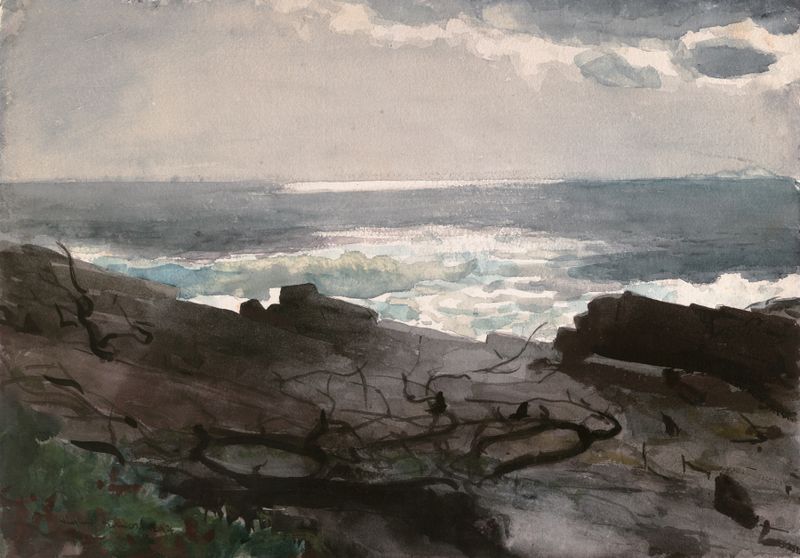
Sunshine and Shadow, Prout’s Neck
Winslow Homer
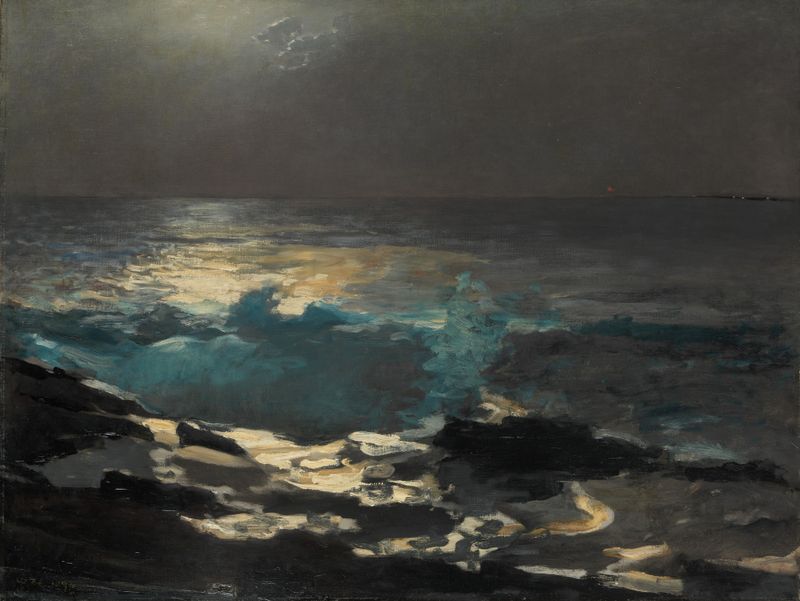
Moonlight, Wood Island Light
Winslow Homer
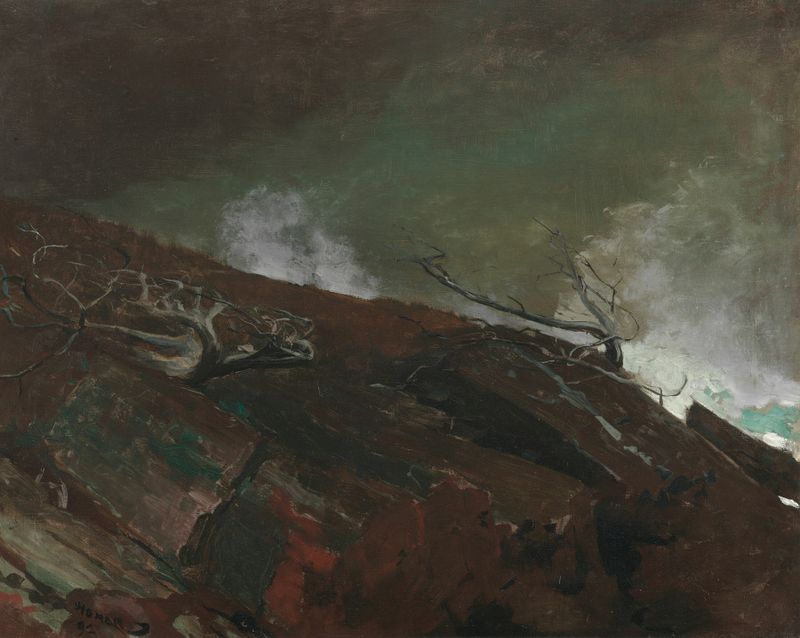
Coast of Maine
Winslow Homer
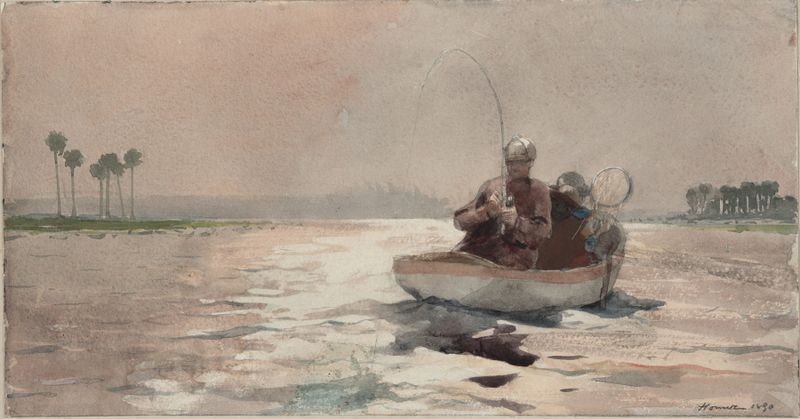
Bass Fishing – Florida
Winslow Homer





