
Schweizer Gebirgsfluß mit Steg — History & Facts
In the stillness of a Swiss landscape, where nature hums its secrets, a deep void of tranquility beckons. In this serene expanse, one might ponder the spaces between the brushstrokes, each whispering a story yet untold. Look to the left at the gentle curve of the river, its surface a mirror reflecting the surrounding mountains. The artist’s careful brushwork captures the flecks of light dancing upon the water, while the soft greens and browns of the earth blend harmoniously with the sky’s pale blues.
This masterful composition draws the eye along the winding path of the stream, leading to a quaint wooden bridge that invites contemplation over the quiet depths of this secluded haven. Delve deeper, and you'll find nuances that speak of duality — the interplay of stillness and motion, darkness and light. The bridge stands as a threshold, a symbol of transition from the known to the unknown, evoking feelings of both connection and isolation. The subtle shifts in color tone further emphasize this emotional tension, where the vibrancy of the landscape contrasts with the shadows lurking in the corners. In 1853, Johann Wilhelm Schirmer was immersed in the Romantic movement, painting this piece while living in Germany and drawing inspiration from the beauty of the Swiss Alps.
This period marked a growing interest in nature and the sublime, reflecting both personal longing and cultural shifts within the art world, as artists sought to capture the essence of landscapes and the emotional weight they carried.
More Artworks by Johann Wilhelm Schirmer
Browse all →
Waldlandschaft mit Blick auf Olevano und den Monte Cavo
Johann Wilhelm Schirmer
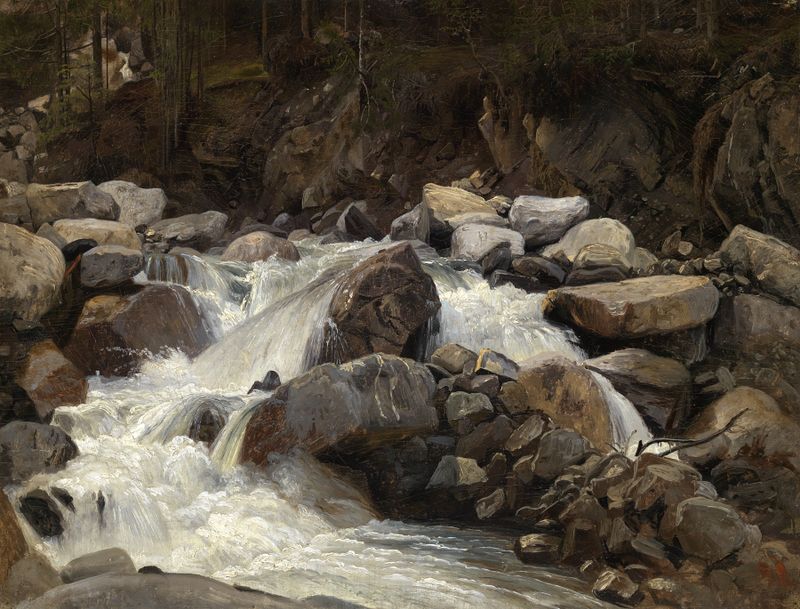
Schweizer Gebirgsbach
Johann Wilhelm Schirmer
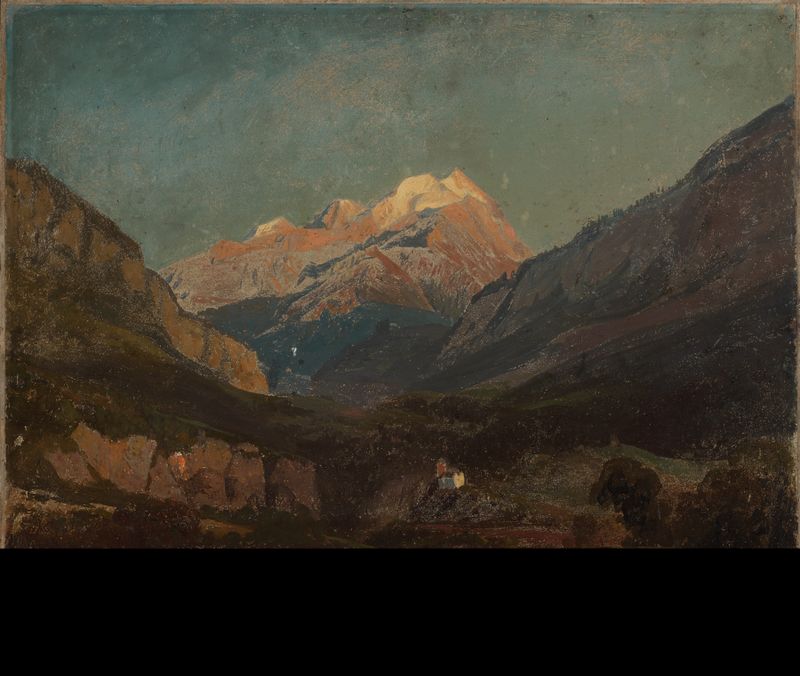
Schweizer Gebirgslandschaft mit Kapelle und fernem Schneegipfel
Johann Wilhelm Schirmer

Schweizer Gebirgslandschaft mit dem Piz Beverin im Hintergrund
Johann Wilhelm Schirmer

Waldinneres mit Hirschen am Wasser
Johann Wilhelm Schirmer

The Wetterhorn
Johann Wilhelm Schirmer

Partie aus der Römischen Campagna
Johann Wilhelm Schirmer

Felsabhang in der Schweiz
Johann Wilhelm Schirmer
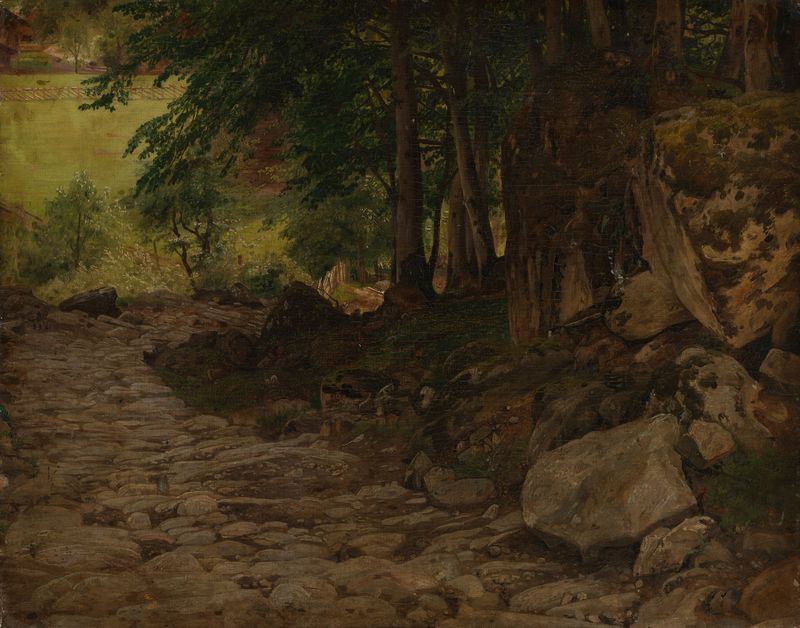
Felsweg in der Schweiz
Johann Wilhelm Schirmer
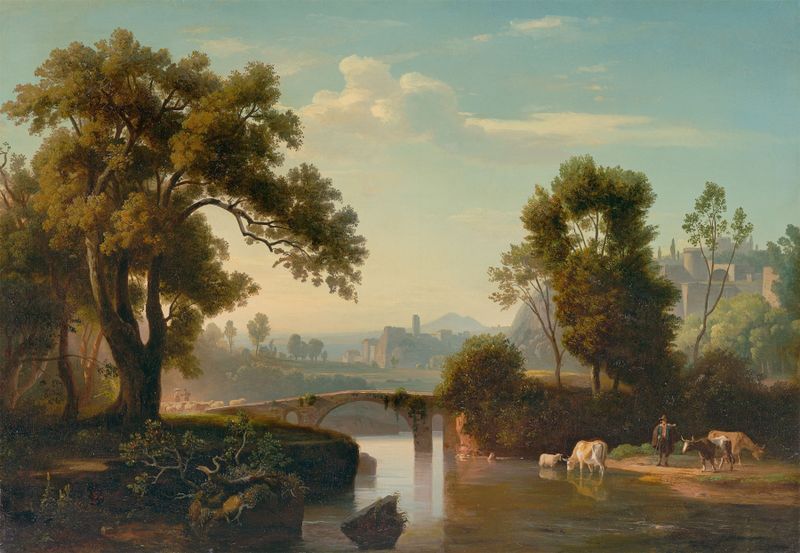
Italienische Landschaft mit Hirten
Johann Wilhelm Schirmer





