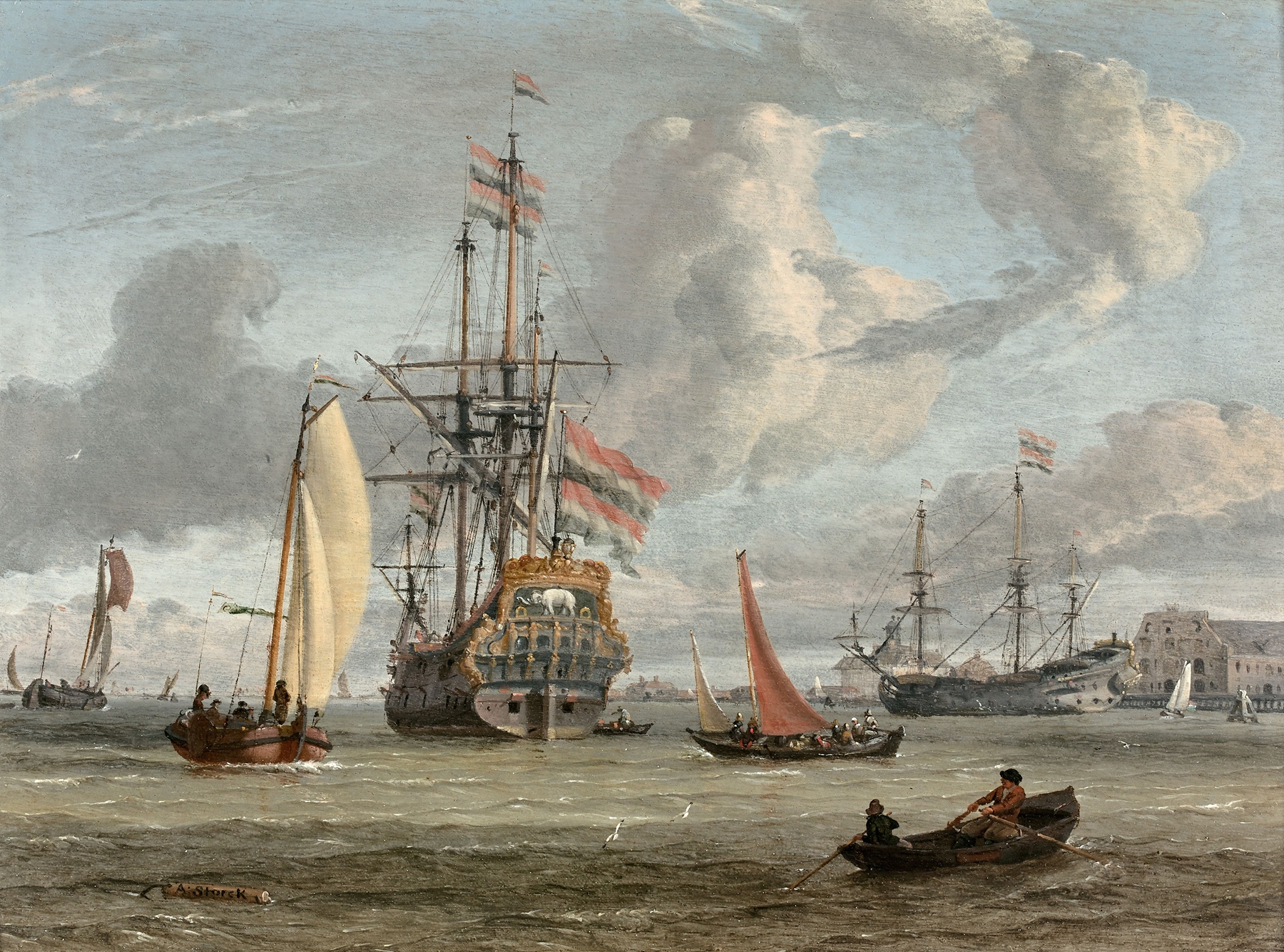
Scène de plage animée de personnages — History & Analysis
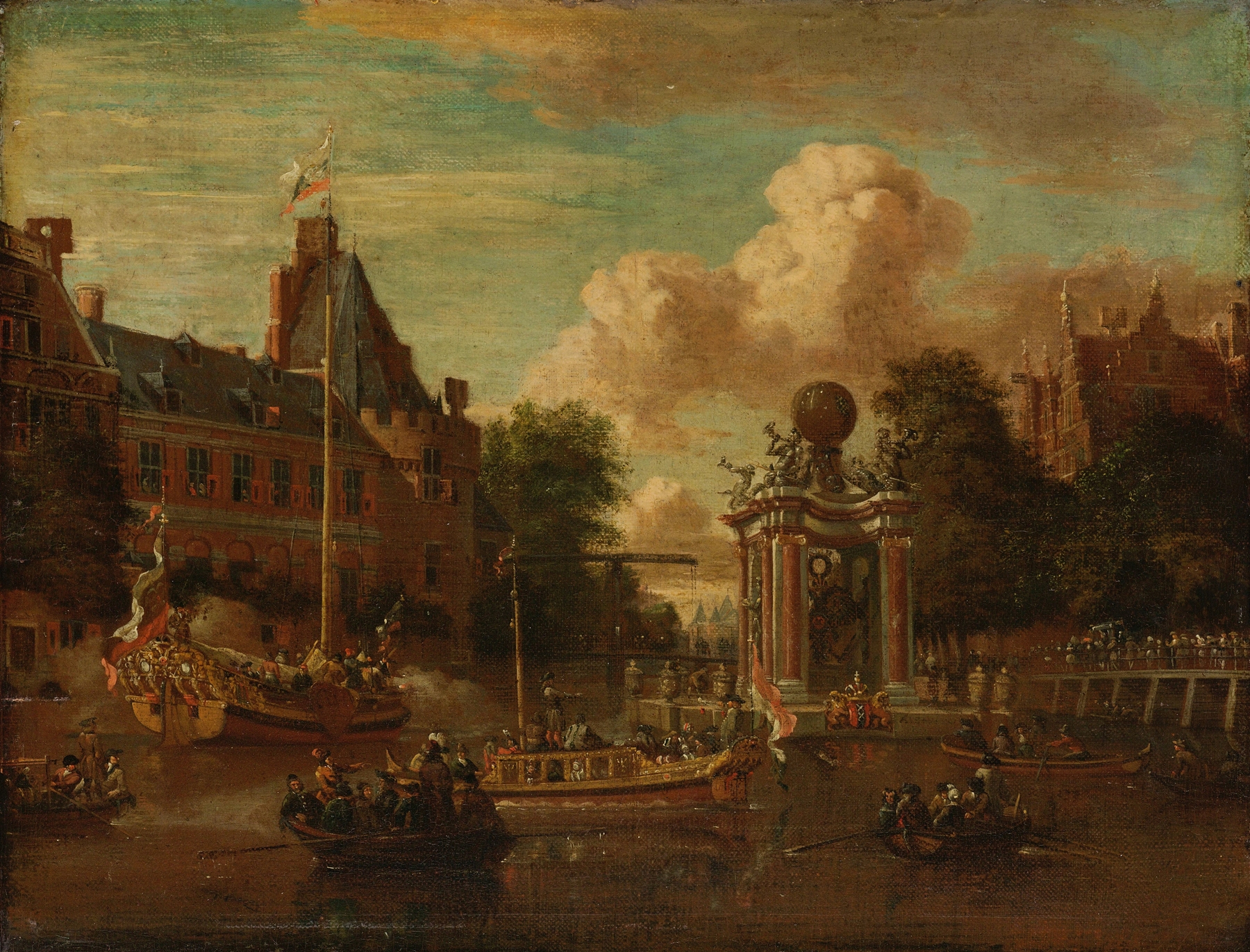
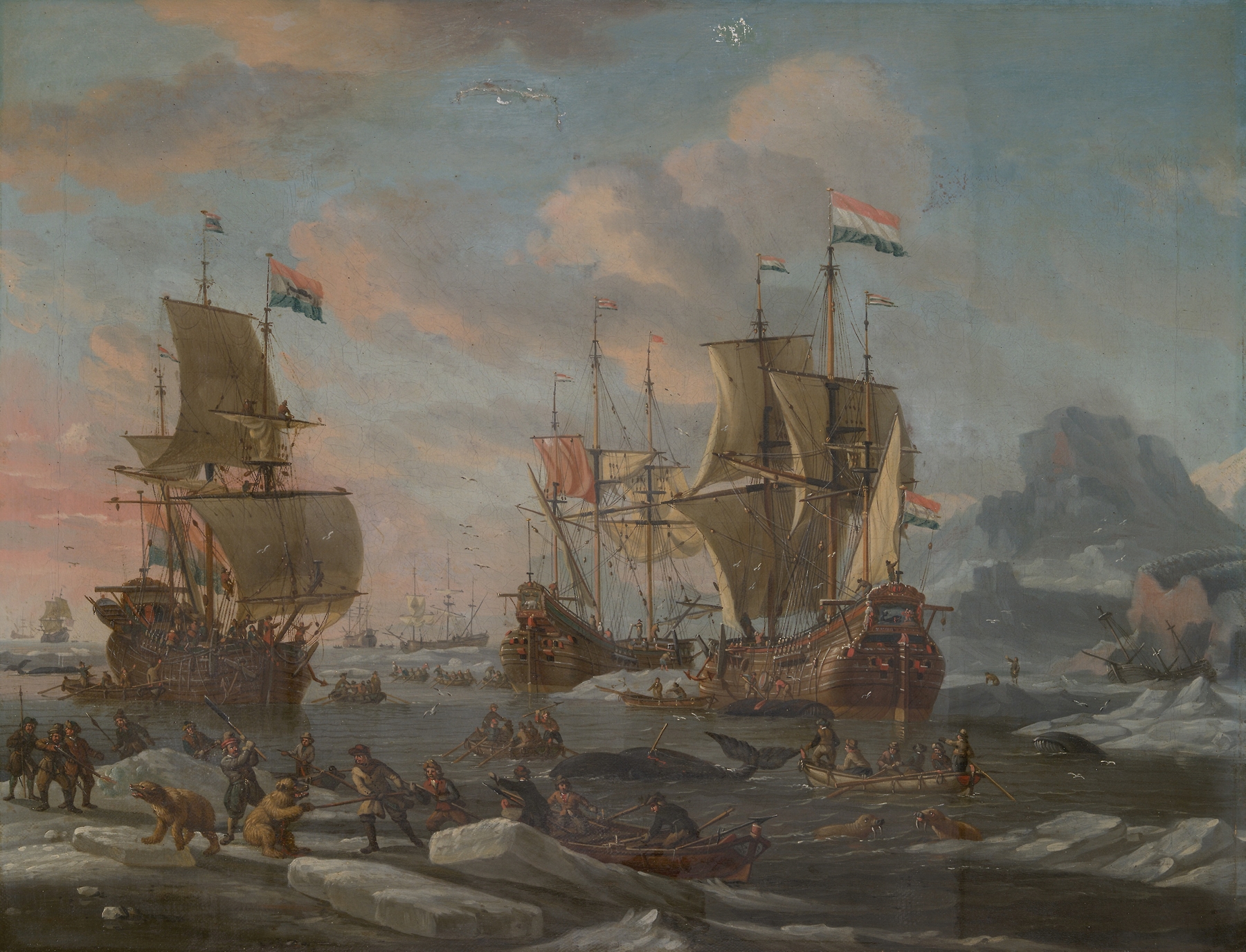
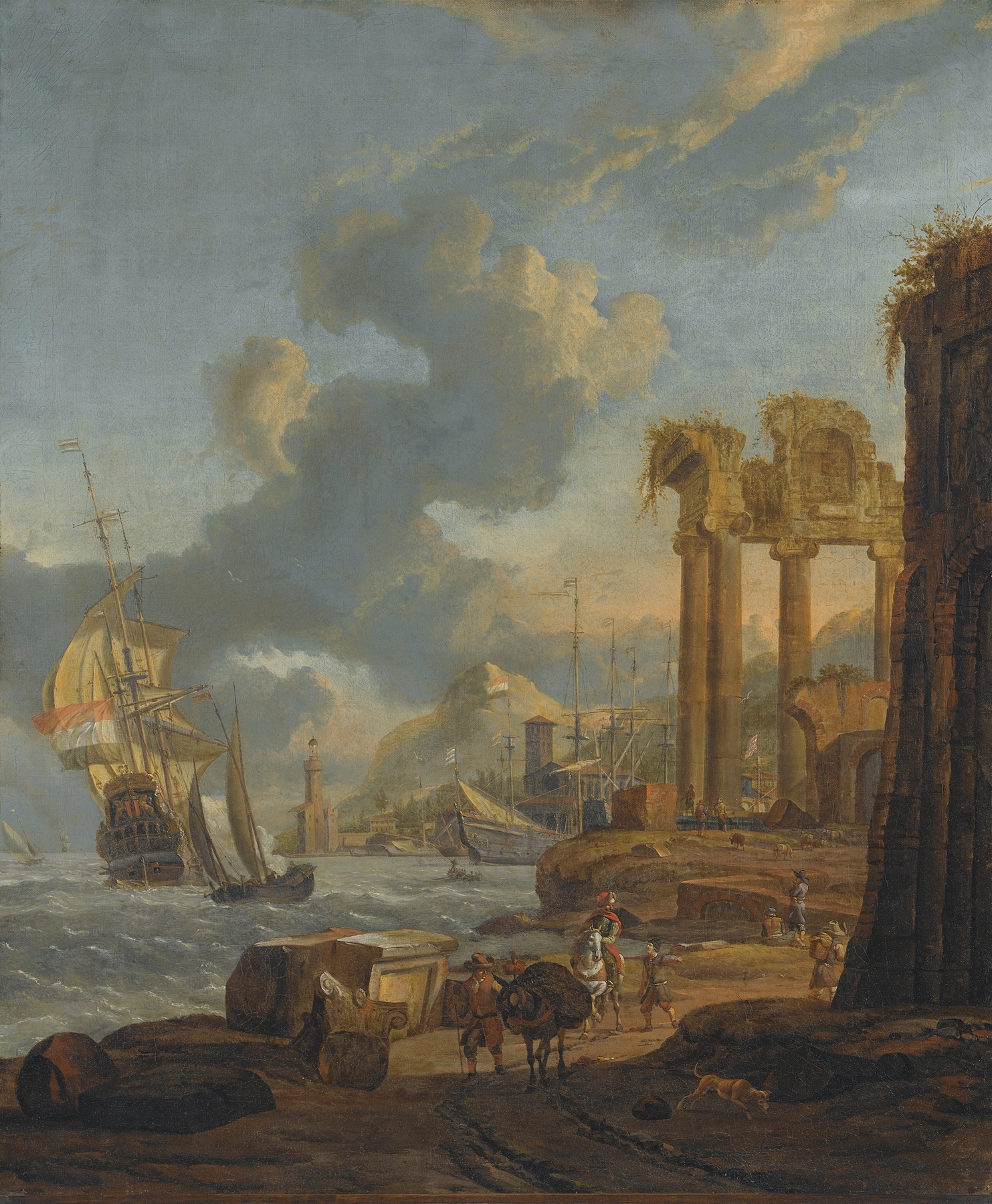
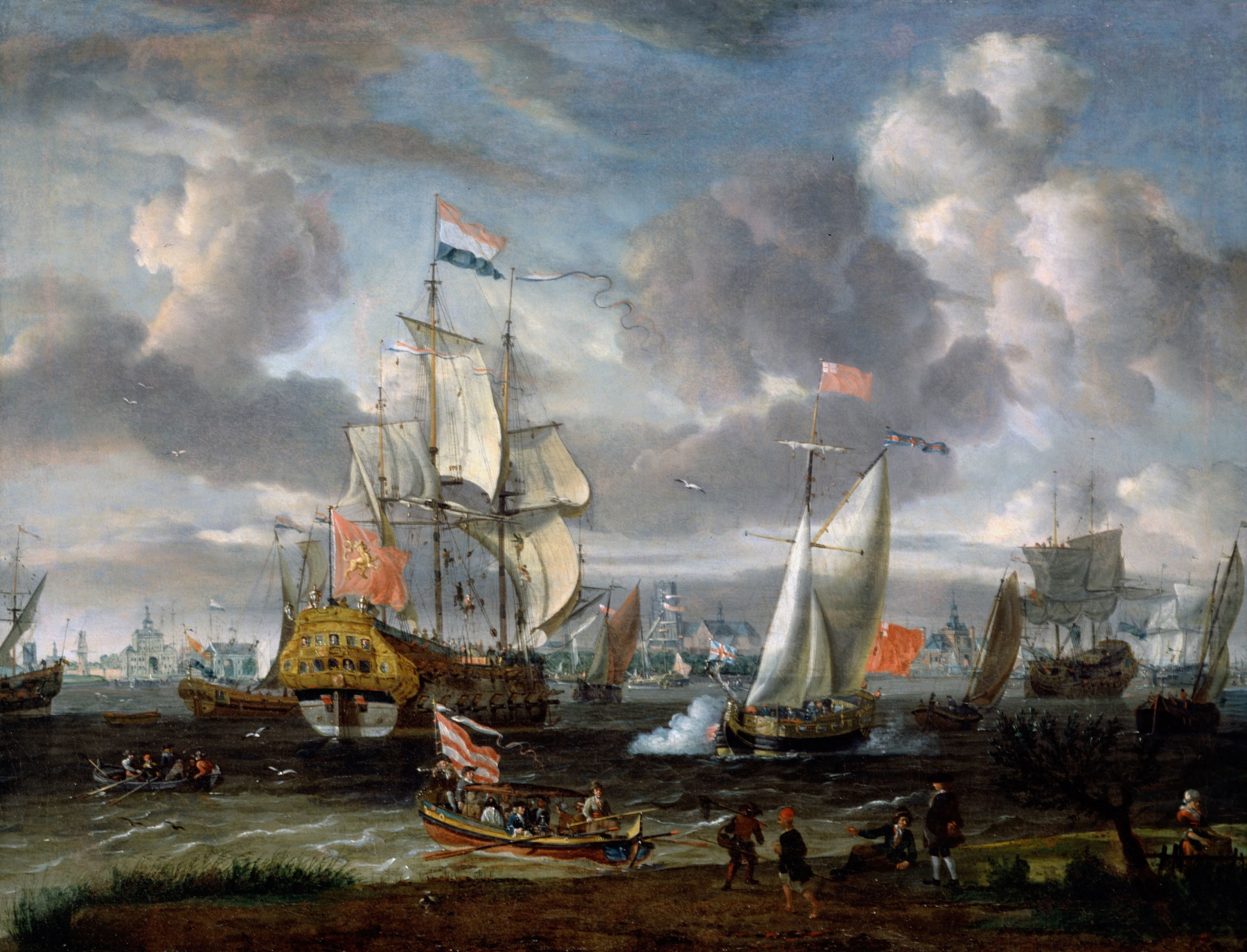
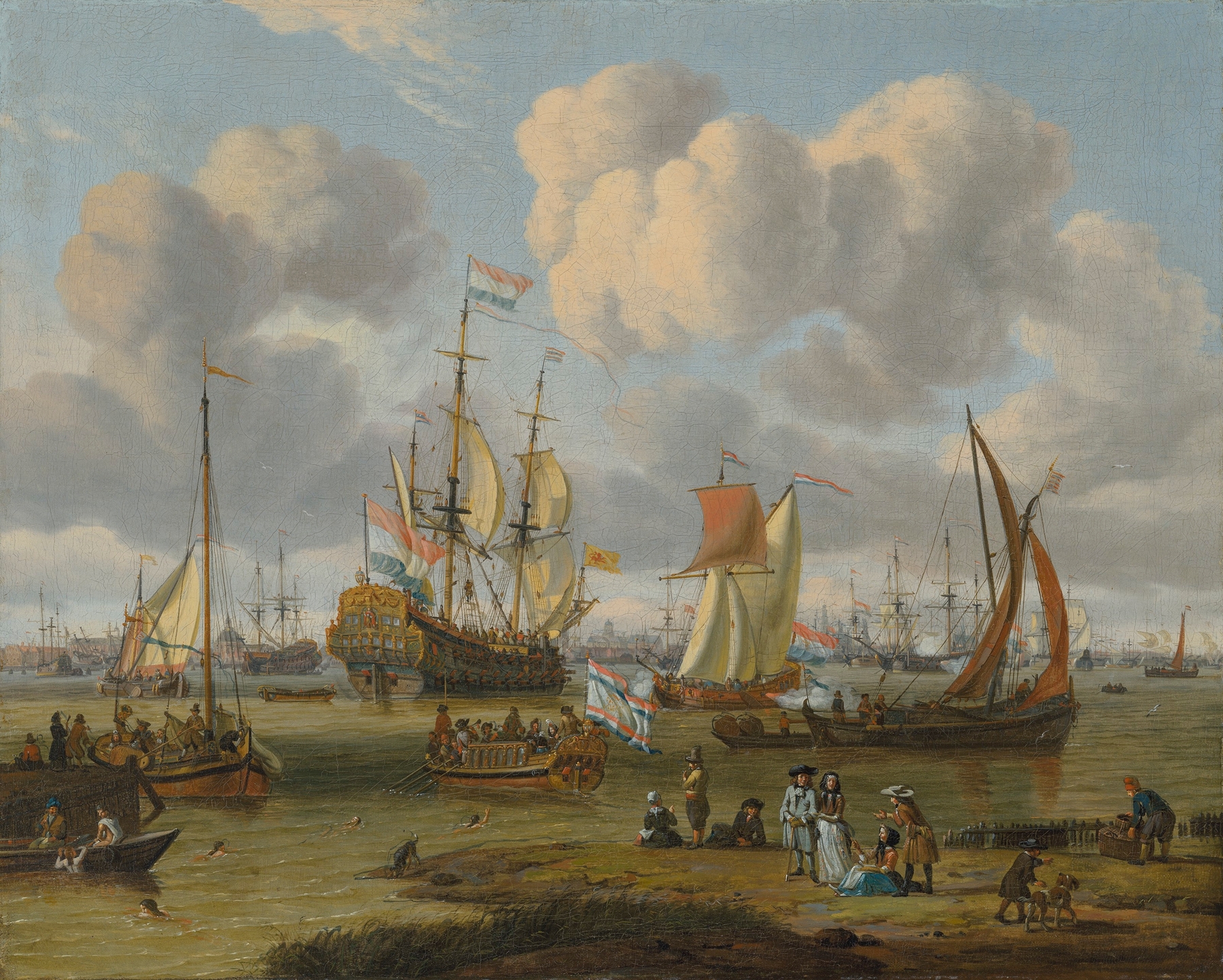
“To paint is to remember what time wants us to forget.” In the exuberance of color, a moment is captured, inviting us to dwell in memories that fade like summer heat. Focus on the vibrant palette that enlivens the canvas, where hues of azure and golden yellow blend harmoniously with the playful splashes of crimson and emerald. The lively beach scene draws you in, as figures frolic along the shore, their silhouettes woven into a tapestry of joyful movement. The artist’s brushstrokes create an atmosphere of warmth and nostalgia, each color pulsating with the energy of life, beckoning the viewer to feel the sun’s embrace.
Yet, beneath this surface of merriment lies a nuanced interplay of light and shadow. The contrasting tones hint at fleeting moments, as if each figure dances on the precipice of time, blissful yet ephemeral. Notice how the horizon line blurs, invoking a sense of endlessness, while the intricate details of costumes and expressions evoke both the joy of community and the solitude that often accompanies summer’s transience.
Abraham Storck painted this piece during a time when the Dutch Golden Age was flourishing, though the exact date remains unknown. As he captured the essence of leisure and festivity along the coast, he was also immersed in a world rich with maritime activity and cultural exchange, shaping the artistic landscape of his era. His work reflects not just individual merriment, but also a collective memory of joy, a vivid arresting snapshot of life.