
Sea and Cliffs — History & Facts
In the silence of the moment captured on the canvas, a deep melancholy settles over the landscape, inviting reflections on the passage of time and the beauty of nature’s solitude. Look to the left at the bold strokes of blue, where the sea churns against the majestic cliffs of soft ochre. The brushwork is both vigorous and tender, embodying the tumultuous yet serene relationship between the elements. Notice how the light dances across the water, creating glimmers that contrast with the somber hues of the rocky outcrop, hinting at both chaos and calmness intertwined. The cliffs, solid and unyielding, seem to stand sentinel over the ephemeral waves that lap against their base.
This juxtaposition of permanence and transience evokes a sense of longing, as if the cliffs are witnesses to the fleeting beauty of the sea. The layers of color and texture convey emotion: the warmth of the earth meets the coolness of the water, suggesting a dialogue between land and ocean, solitude and connection. In 1885, Renoir was exploring the coastal landscapes of France, a shift from his earlier focus on figure painting. This period marked a significant evolution in his artistic journey, as he sought to capture the vibrancy of nature in a way that reflected his inner emotional landscape.
Surrounded by a burgeoning Impressionist movement, he continued to experiment with light and color, allowing him to express a deeper sense of melancholy that resonates through this work.
More Artworks by Pierre-Auguste Renoir
Browse all →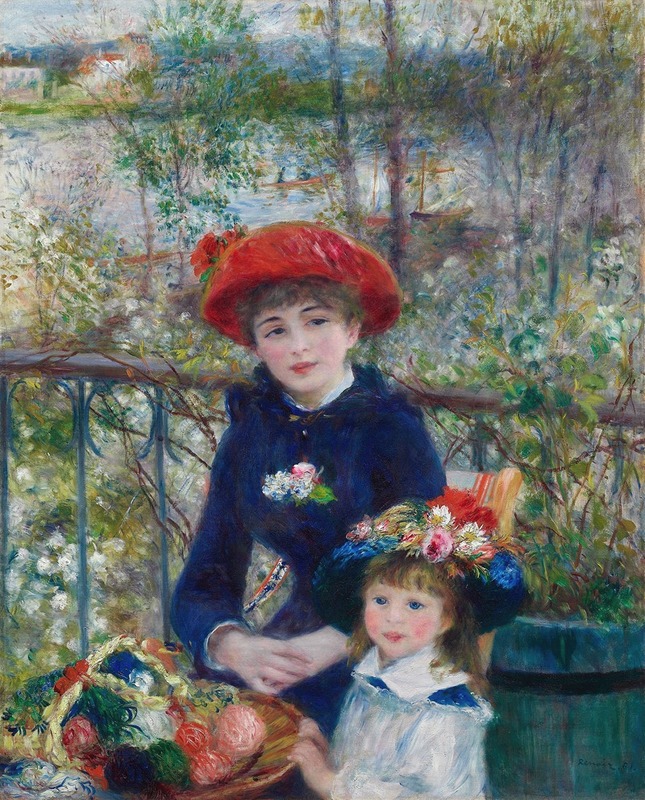
Two Sisters (On the Terrace)
Pierre-Auguste Renoir
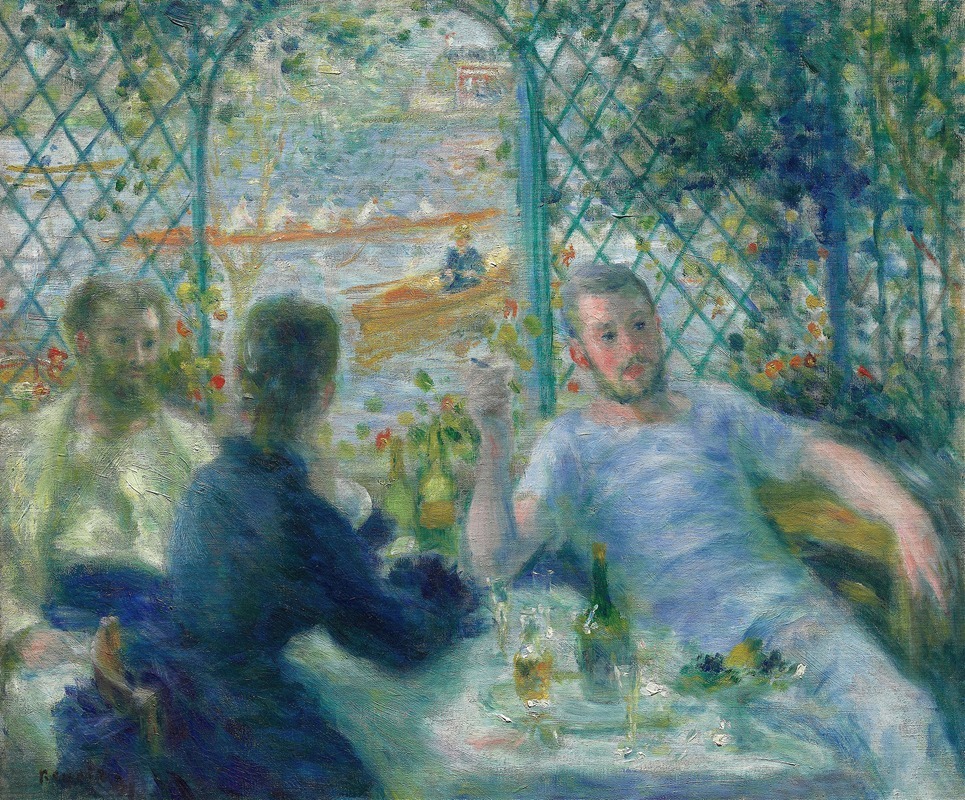
Lunch at the Restaurant Fournaise (The Rowers' Lunch)
Pierre-Auguste Renoir
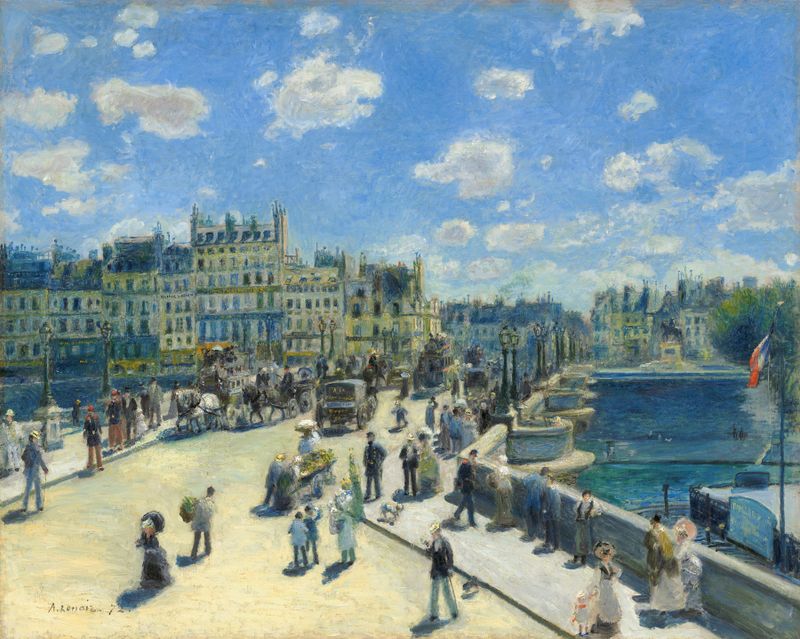
Pont Neuf, Paris
Pierre-Auguste Renoir
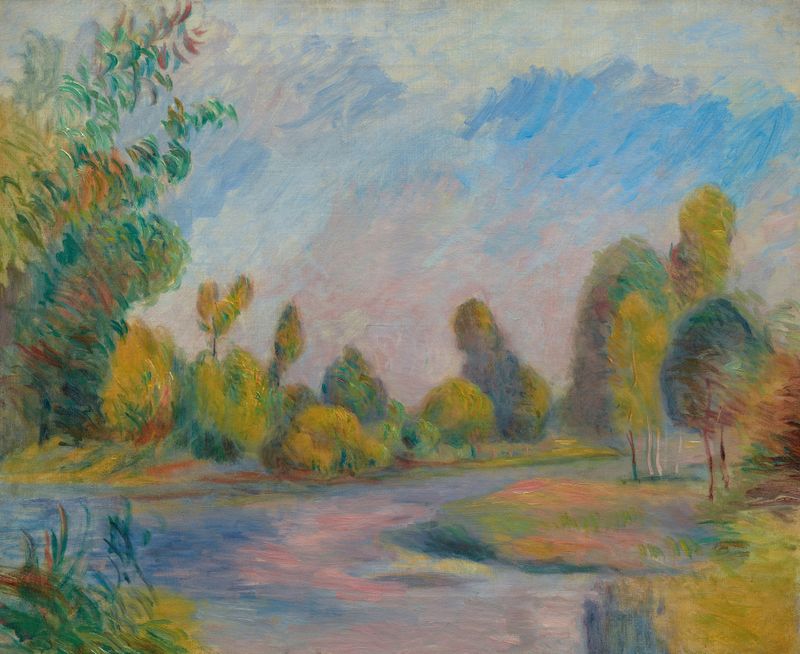
Au bord de la rivière
Pierre-Auguste Renoir

Near the Lake
Pierre-Auguste Renoir
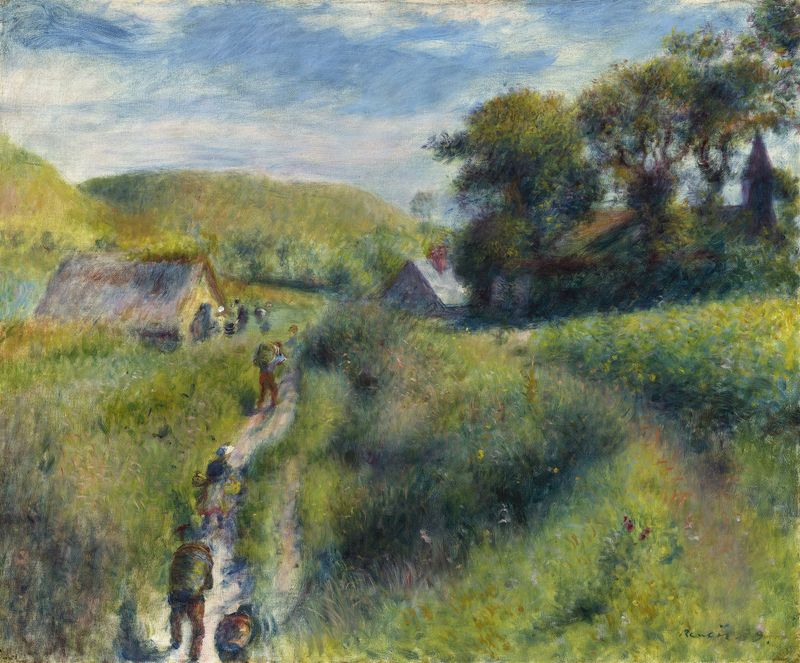
The Mussel Harvest
Pierre-Auguste Renoir

The Seine at Chatou
Pierre-Auguste Renoir
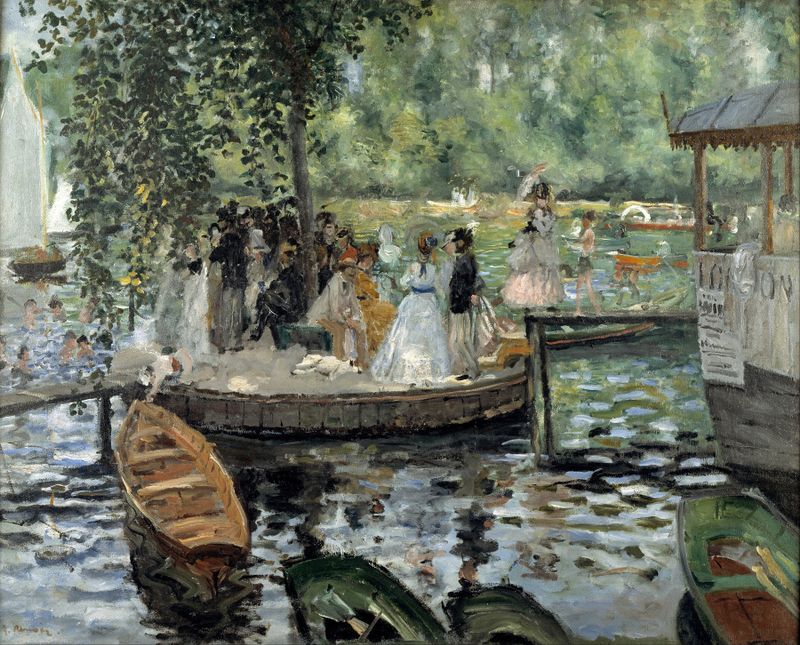
La Grenouillère
Pierre-Auguste Renoir
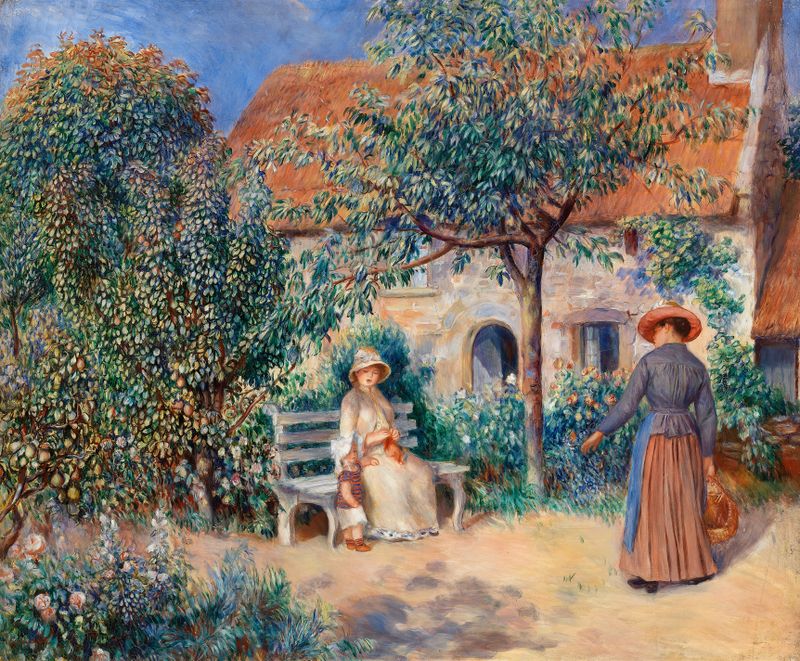
In Brittany (En Bretagne)
Pierre-Auguste Renoir
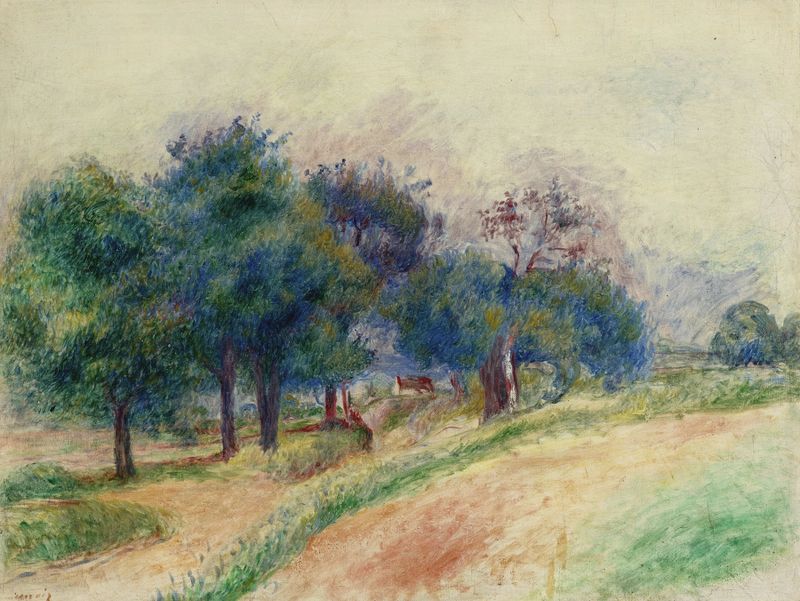
Paysage d’Essoyes
Pierre-Auguste Renoir





