
Sea Surf (the Sound) — History & Facts
What first seizes the eye in Sea Surf (the Sound) is the figure’s impossible poise between stone and water—a woman, half-shrouded in a luminous, clinging drapery, pressed against the cliff face while the torrent crashes below. Her exposed torso and the way her body arches back suggest both surrender and resistance, as if she is caught in a moment of transformation or enchantment. The vertical strings beside her, golden and taut, might be the suggestion of a harp or lyre, inviting the viewer to imagine music rising above the roar of the surf.
Light glances off her skin and the wet rocks, drawing the gaze upward from the churning water to the figure’s distant, almost trance-like expression. The palette is somber and cool, the rocks and water rendered with a heavy realism that grounds the mythic subject in the physical world. Painted in 1879, this work stands at the crossroads of late nineteenth-century Symbolism, a movement fascinated by myth, dream, and the supernatural. Artists like Arnold Böcklin often turned to ancient stories and invented legends, using the human body and landscape to evoke psychological states rather than literal events.
Such paintings were rarely simple decoration; they were intended for viewers hungry for meaning, often commissioned by private collectors who wanted to surround themselves with images that challenged and unsettled. Though little is recorded about this particular canvas’s early history, it survives today as part of a private collection, documented on February 5, 2019. In its brooding energy and enigmatic subject, the painting invites us to linger, searching the rocks and water for the story that lies just out of reach.
More Artworks by Arnold Böcklin

Die Toteninsel III
Arnold Böcklin
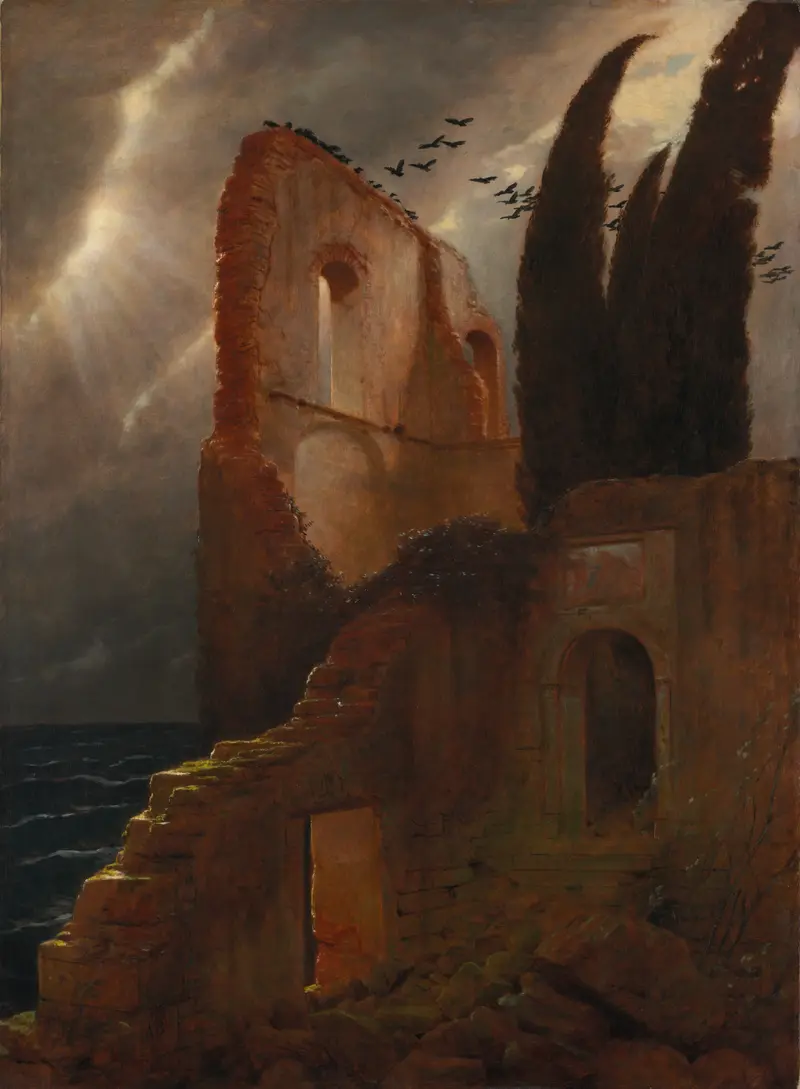
Ruin by the Sea
Arnold Böcklin
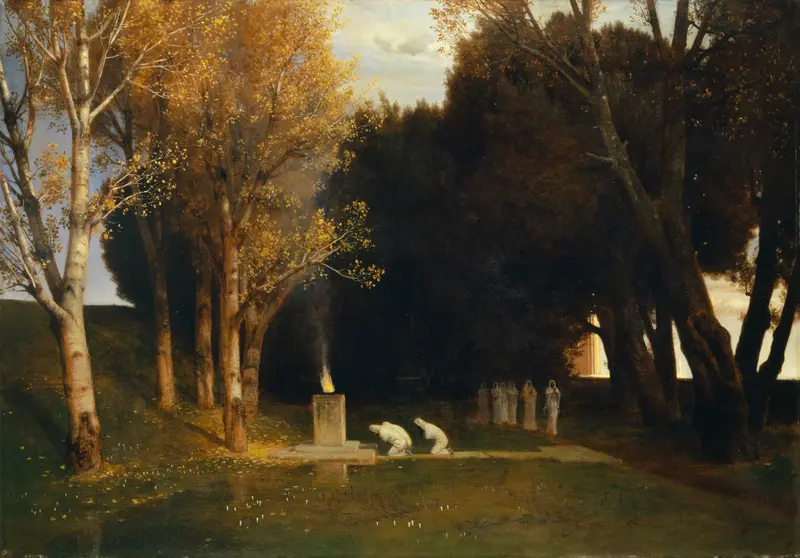
The Sacred Grove
Arnold Böcklin
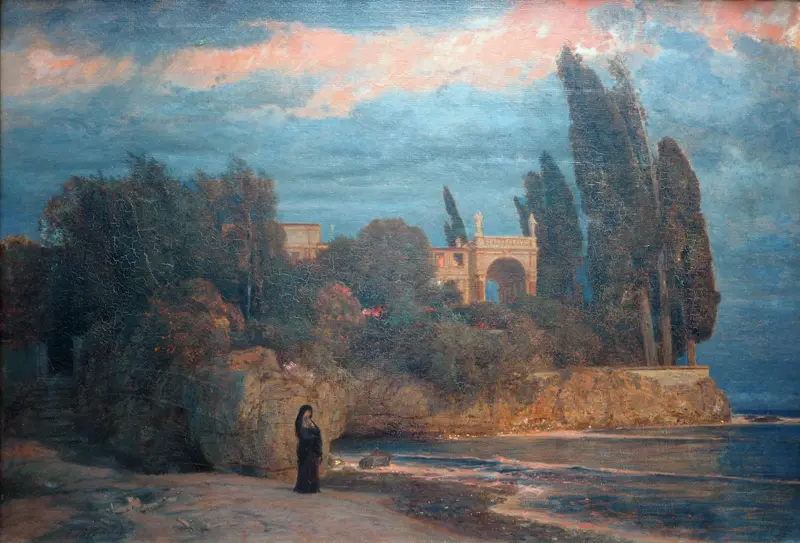
Villa by the Sea
Arnold Böcklin
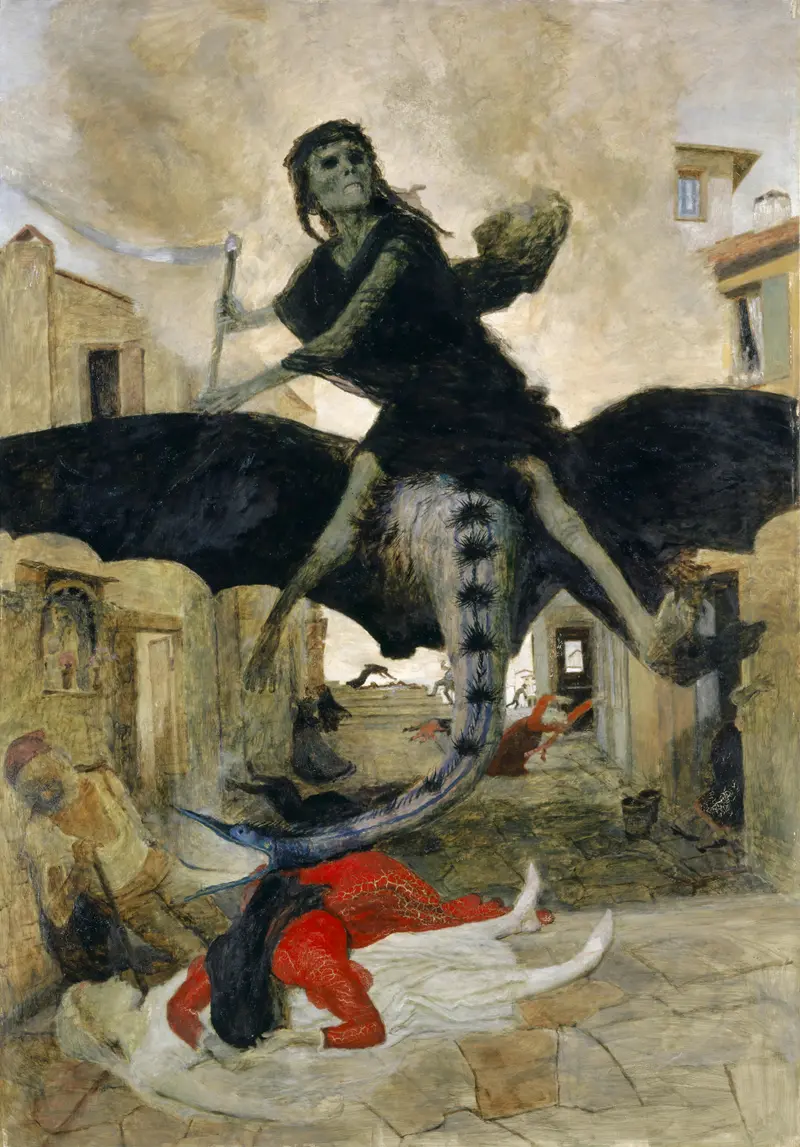
The Plague
Arnold Böcklin
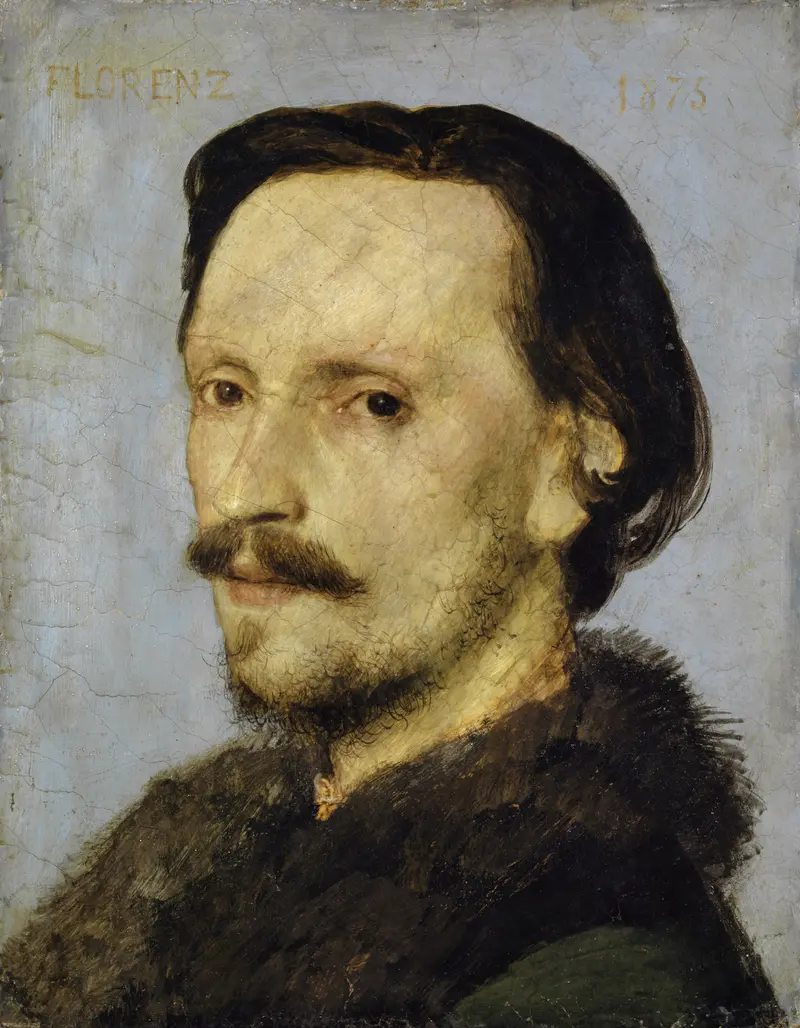
Böcklin Bildnis des Kunsthistorikers Adolph Bayersdorfer, 1875
Arnold Böcklin
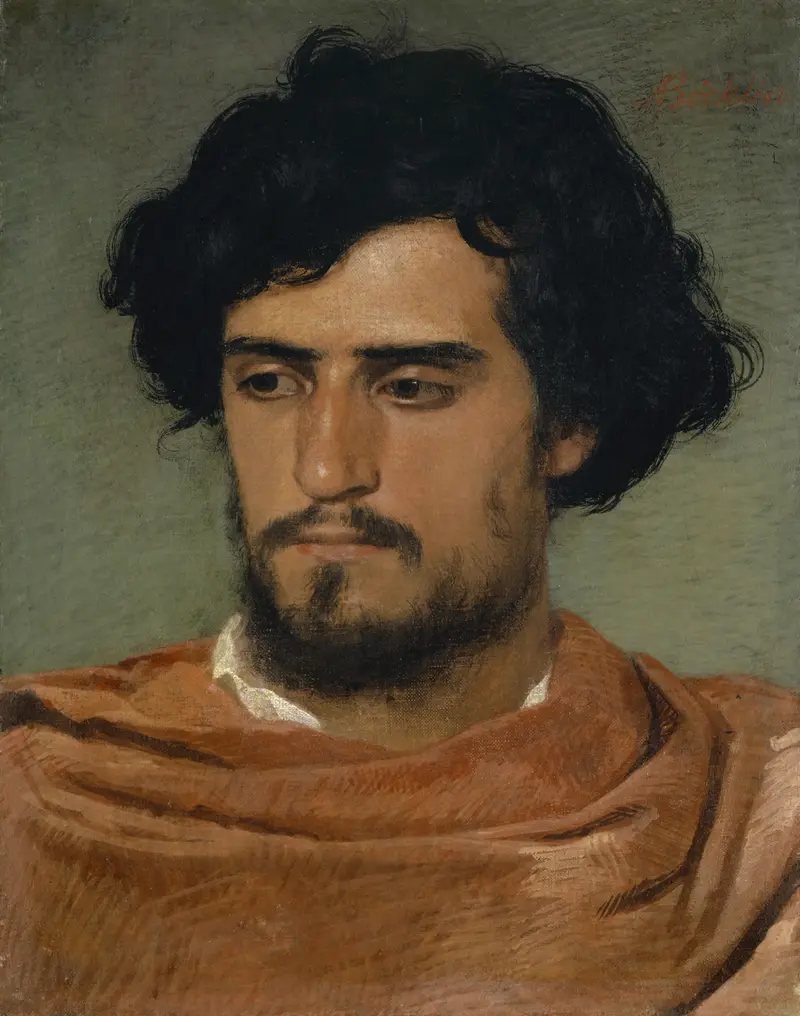
Head of a Roman
Arnold Böcklin
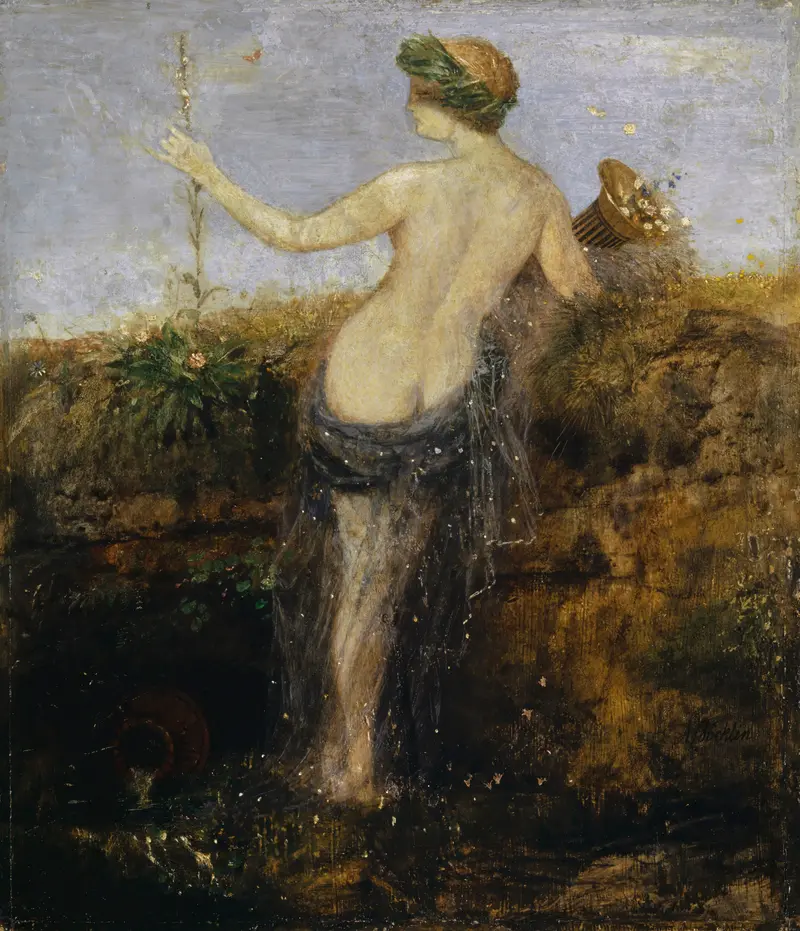
Nymphe with Horn of Plenty
Arnold Böcklin
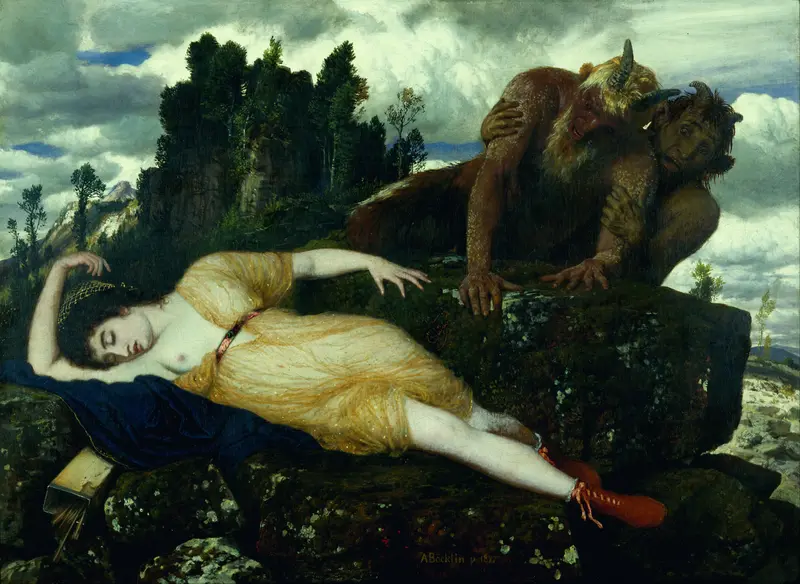
Sleeping Diana Watched by Two Fauns
Arnold Böcklin
Spring (Songs of Spring)
Arnold Böcklin





