
Seascape — History & Facts
Could a single brushstroke hold eternity? In Seascape, the waves and sky converge in an endless dialogue, inviting viewers to lose themselves in the vastness of the sea. This painting encapsulates a yearning for the infinite, an escape from the confines of the terrestrial world. Look to the horizon, where the tumultuous waves meet a brooding sky. Notice how Courbet masterfully uses shades of blue and grey to evoke both the majesty and volatility of nature.
The brushstrokes are varied—some soft and fluid, while others are sharp and aggressive—mirroring the unpredictable rhythm of the ocean. The composition draws your eye outward, as if urging you to embark on a journey beyond the canvas. Delve deeper into the swirling textures and the interplay of light and shadow. The turbulent sea suggests conflict, perhaps a reflection of inner turmoil or existential dread, while the distant horizon offers a glimmer of hope.
This tension creates a profound emotional depth, as viewers are left contemplating their own relationship with nature and the yearning for freedom beyond the horizon's edge. Courbet painted Seascape during a time when he was exploring realism and pushing the boundaries of traditional landscape painting. Created in the mid-19th century, likely between the late 1840s and early 1850s, he was challenging the academic conventions of his day, seeking to portray nature with raw honesty. His work echoed the broader art movement of the time, which aimed to reflect society's realities rather than idealized visions.
More Artworks by Gustave Courbet
Browse all →
Marine
Gustave Courbet
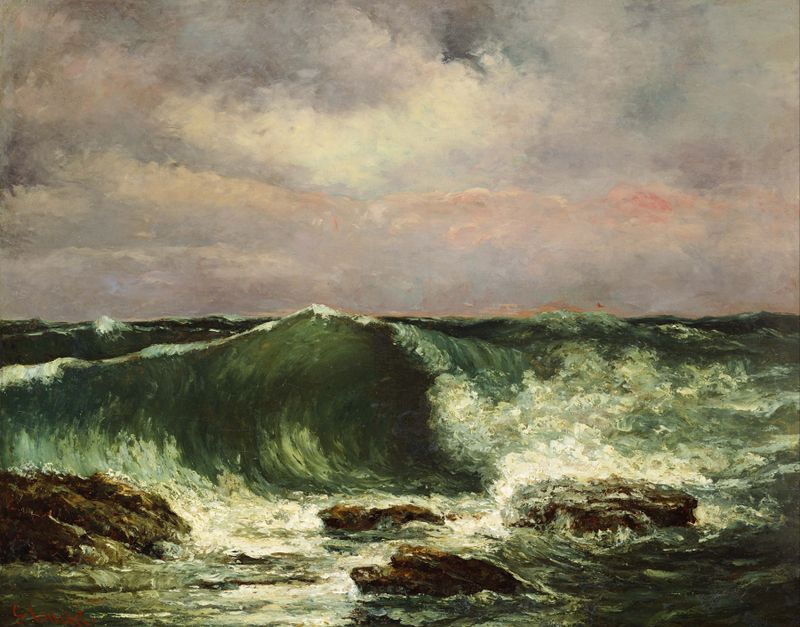
Waves
Gustave Courbet

Étretat; Les Falaises
Gustave Courbet
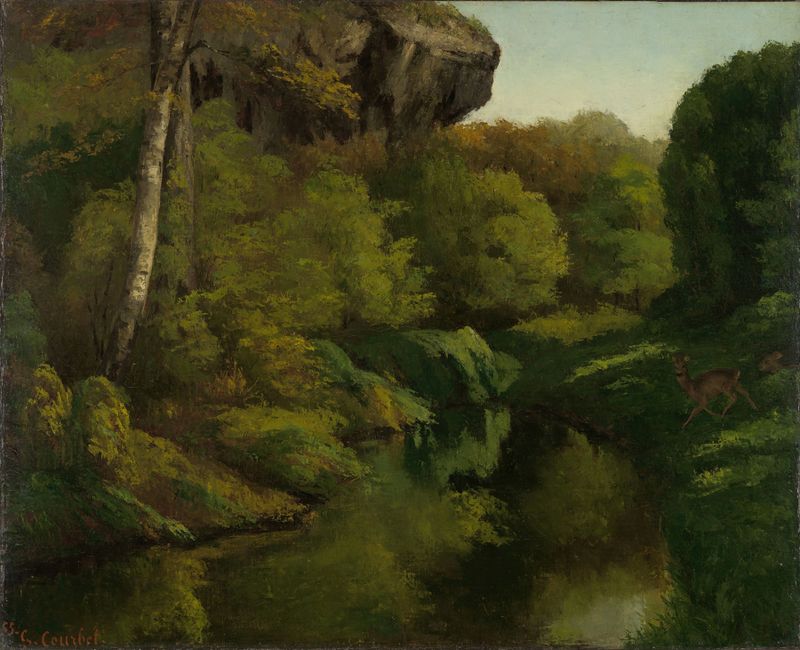
View in the Forest of Fontainebleau
Gustave Courbet
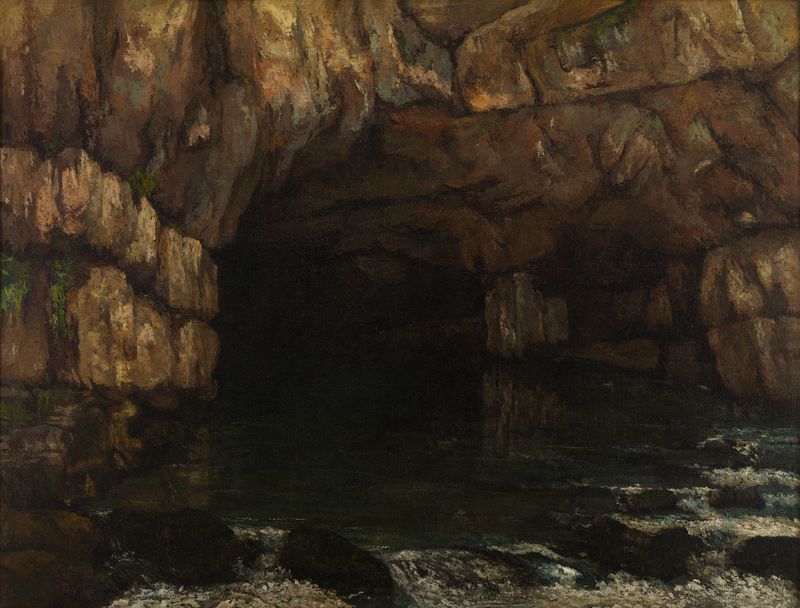
La source de la Loue (The Source of the Loue)
Gustave Courbet

Low Tide at Trouville
Gustave Courbet
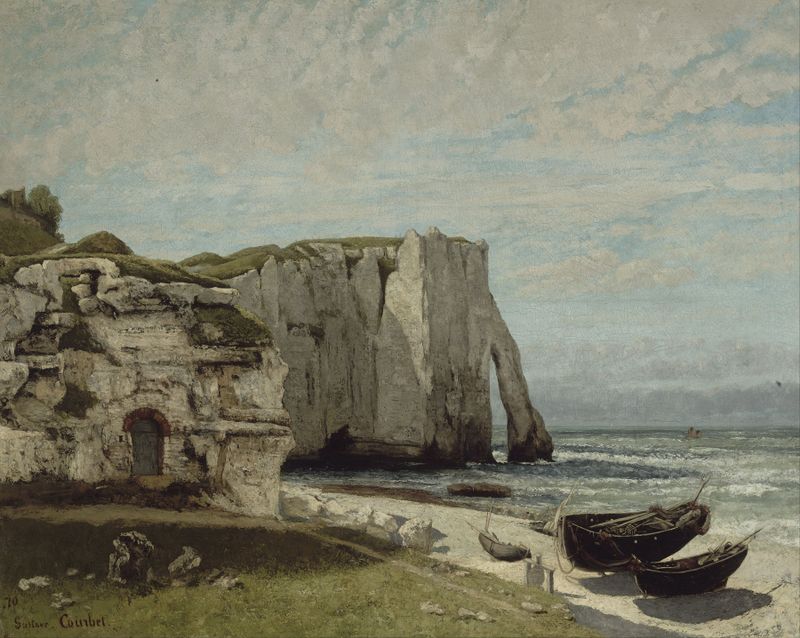
The Etretat Cliffs after the Storm
Gustave Courbet
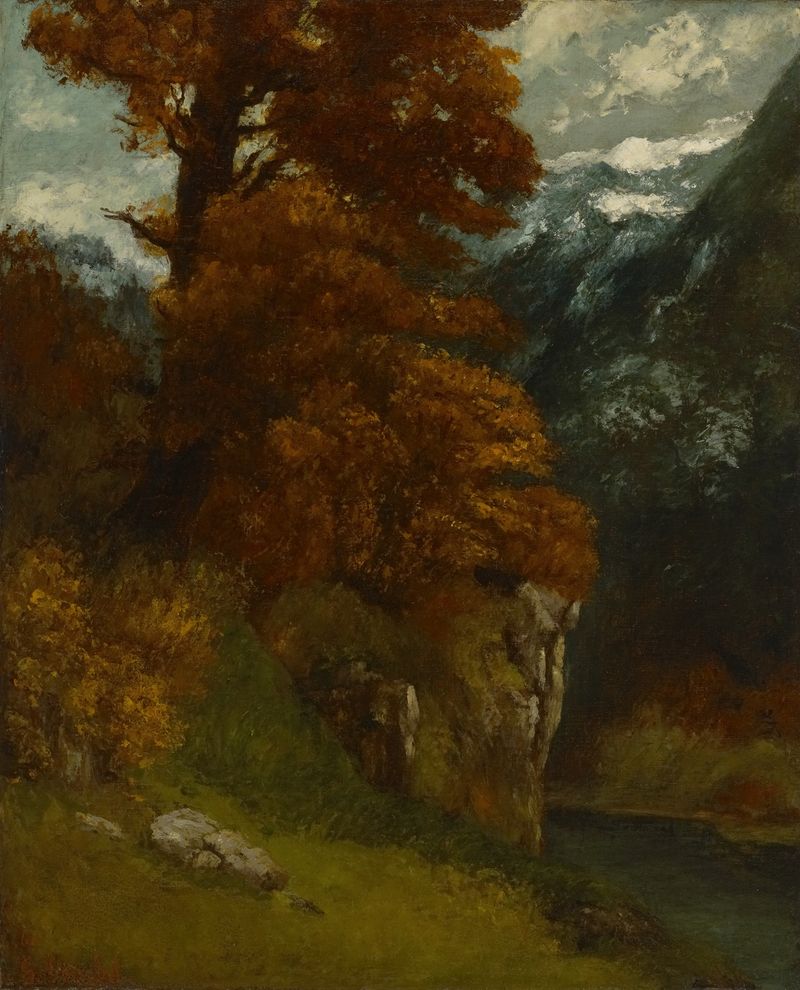
The Glen at Ornans (Bords du Doubs; Effet d’Automne)
Gustave Courbet
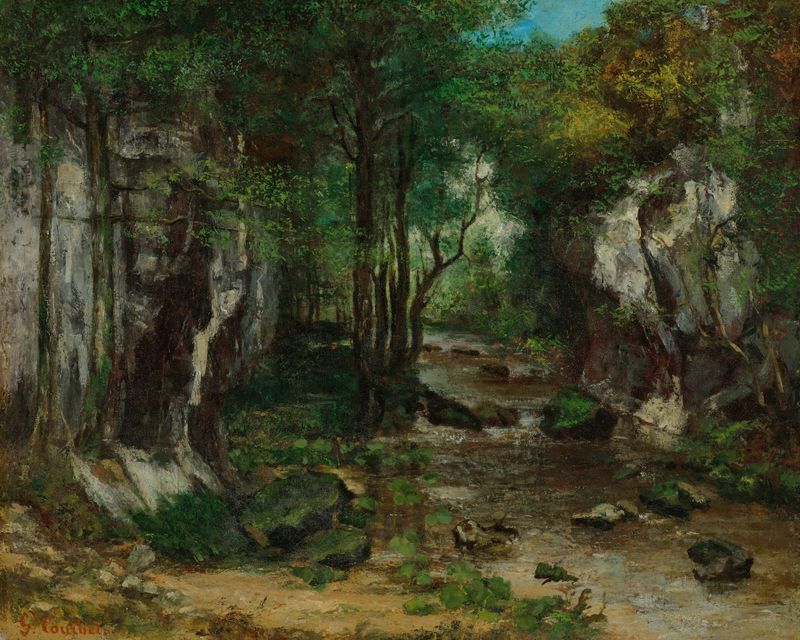
Le Ruisseau de Puits Noir
Gustave Courbet
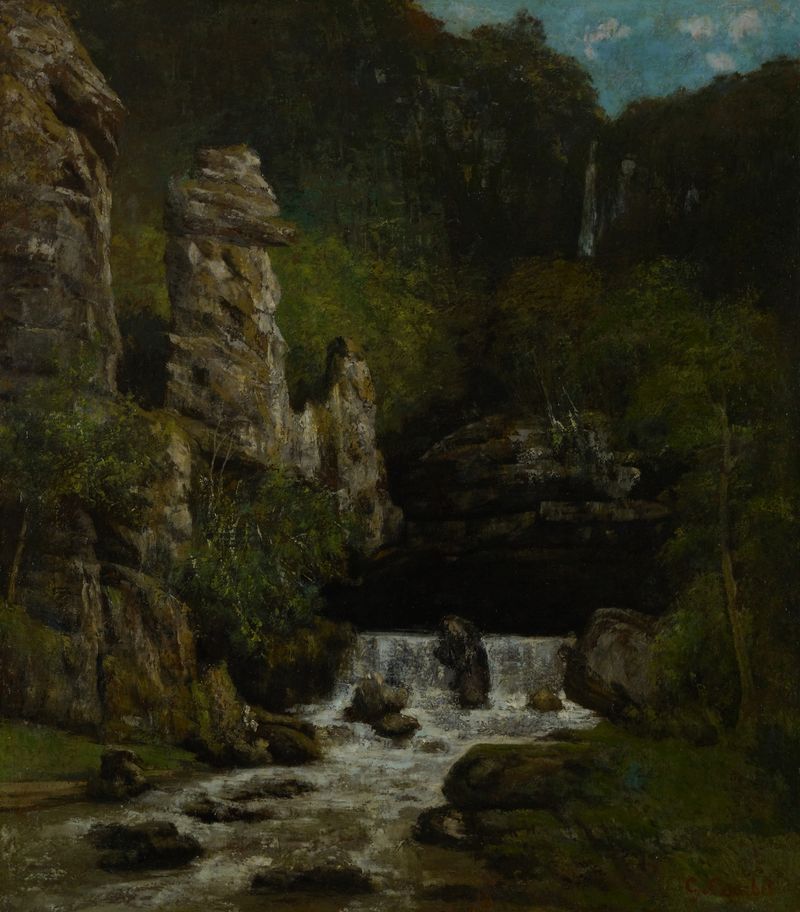
Landscape with a Waterfall
Gustave Courbet





