
Seashore: Grey and Black — History & Facts
A single mast rises like a marker in the haze, while the sea stretches out in bands of blue and green, refusing to yield any drama but its own quiet presence. In Seashore: Grey and Black, James McNeill Whistler pares the scene down to its essentials: a sweep of sand, a cluster of dark figures, a boat whose yellow sail feels almost sculpted from the paint itself. The eye is drawn first to the contrast between the muted sky and the sudden, weighty forms on the left, then to the subtle play of shadows and the suggestion of movement in the figures.
The palette is restrained, yet every brushstroke feels deliberate, guiding the viewer to sense the coolness of the air and the hush of the shore. Painted in 1897, this work belongs to a moment when artists like Whistler were pushing the boundaries of what a landscape could be—less a record of place, more a study in mood and memory. Such coastal scenes were rarely grand commissions; instead, they were often painted for private collectors or as personal meditations on nature’s shifting light. By the late nineteenth century, the world was changing fast: steamships, railways, and new leisure habits brought the seaside into the lives of many.
Yet history has kept few traces of this particular painting beyond its date and its home in the Hermitage Museum. What remains is the image itself, inviting us to linger in its quiet, unfinished world and to imagine the stories behind those blurred, anonymous figures.
More Artworks by James McNeill Whistler
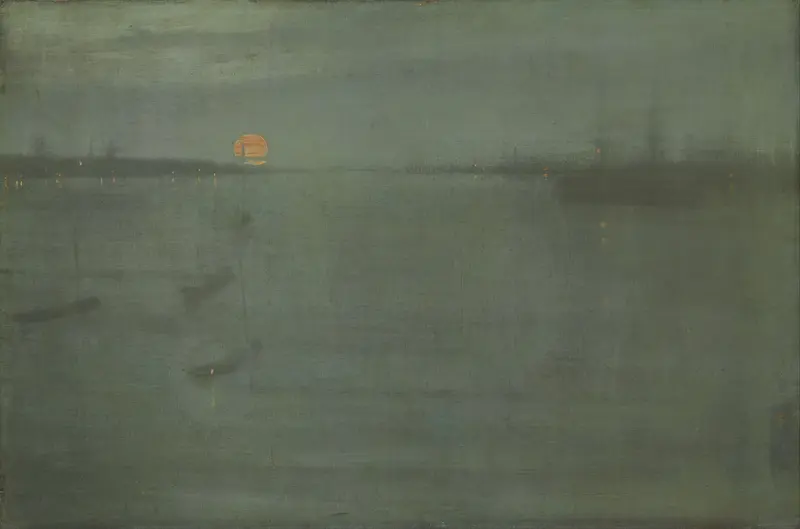
Nocturne: Blue and Gold—Southampton Water
James McNeill Whistler
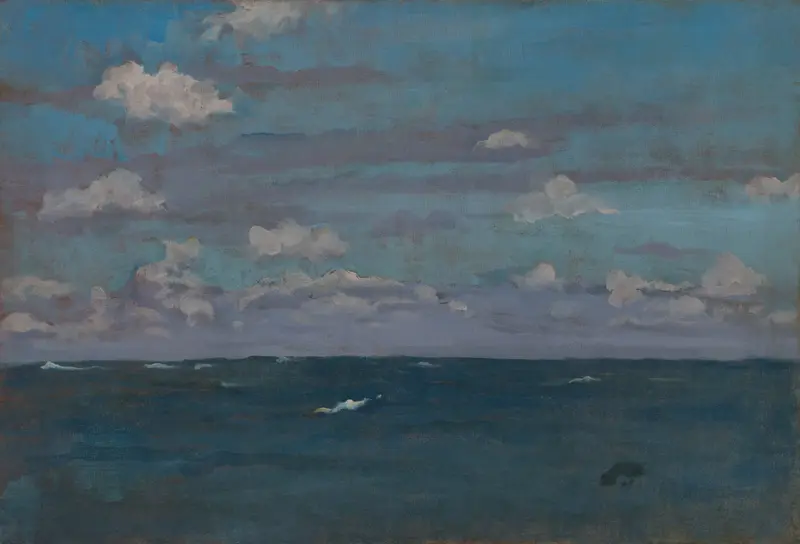
Violet and Silver—The Deep Sea
James McNeill Whistler
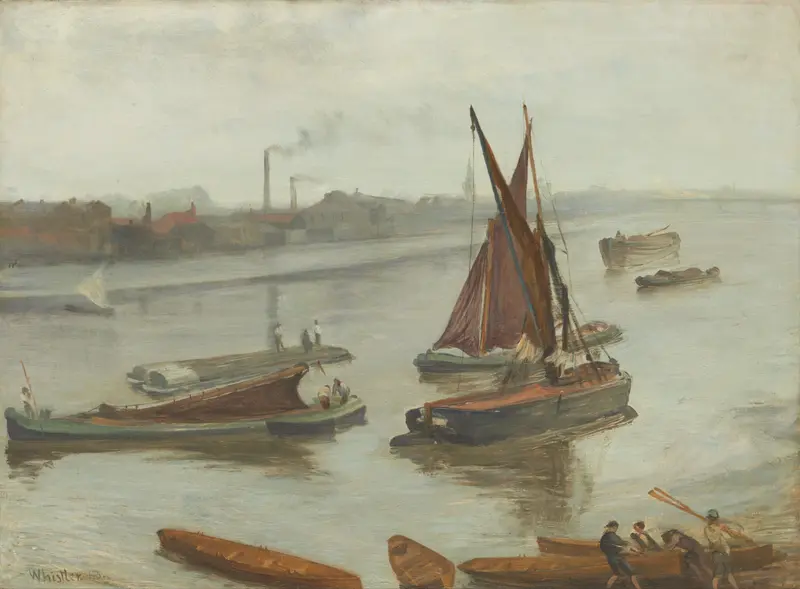
Grey and Silver: Old Battersea Reach
James McNeill Whistler
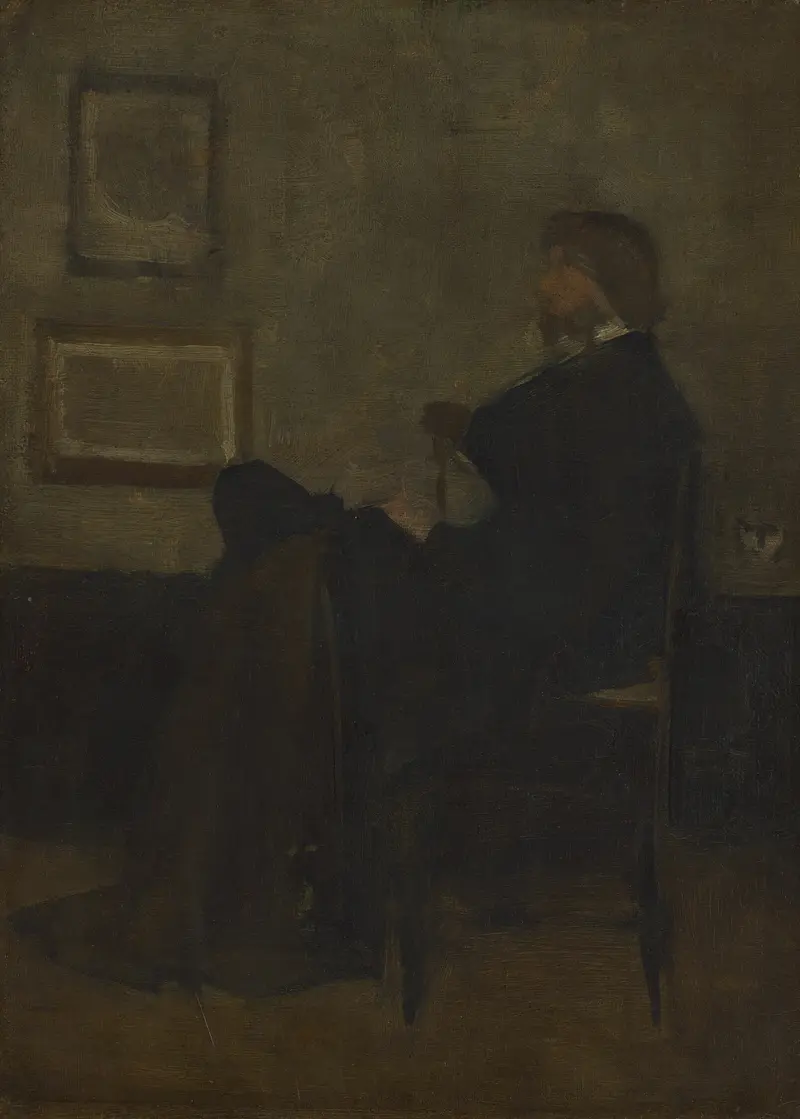
Study for "Arrangement in Grey and Black, No. 2: Portrait of Thomas Carlyle"
James McNeill Whistler
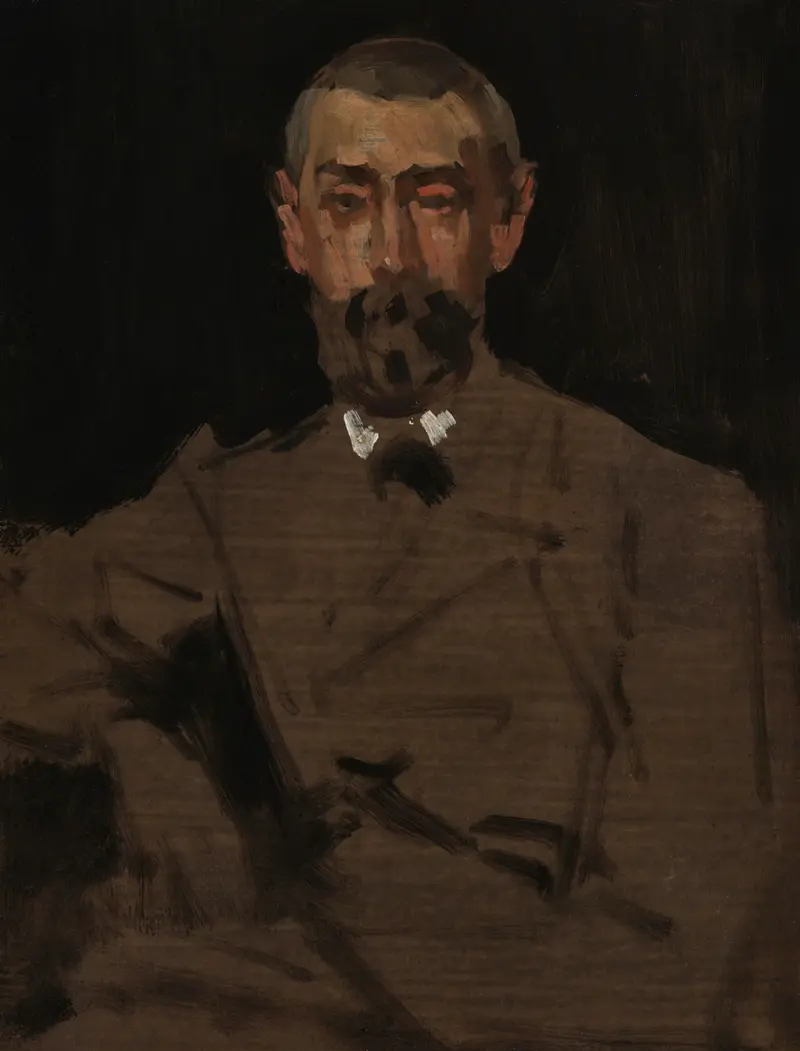
Portrait of M. R. Elden
James McNeill Whistler
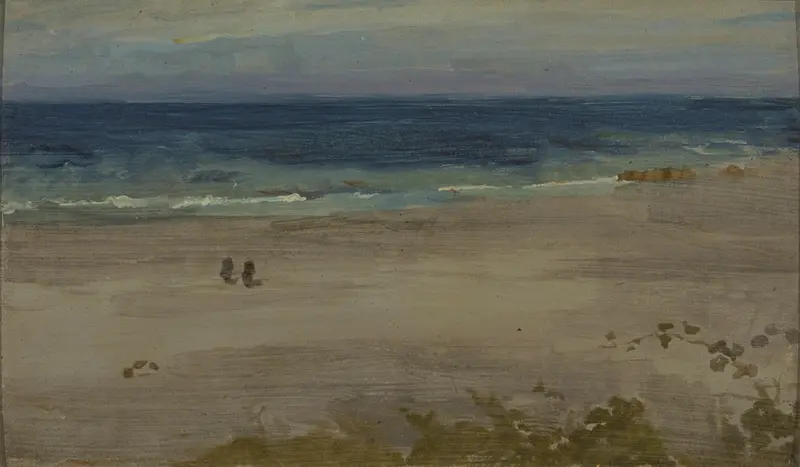
The Blue Sea
James McNeill Whistler
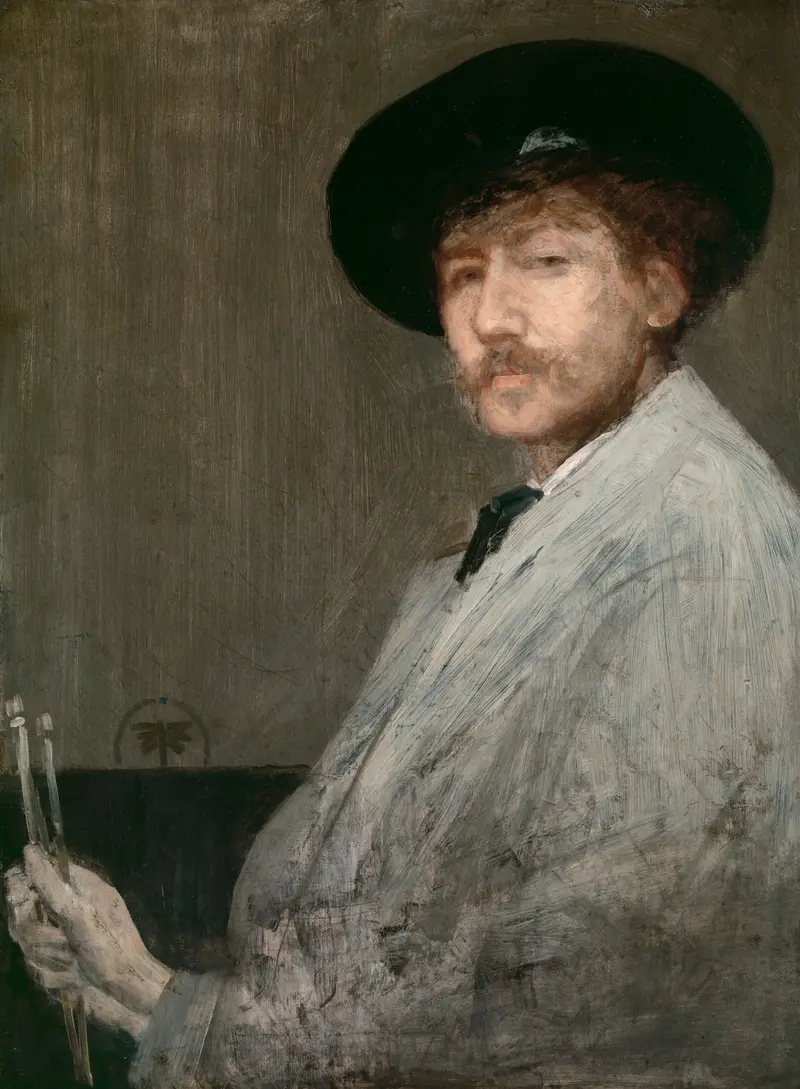
Arrangement in Gray: Portrait of the Painter
James McNeill Whistler
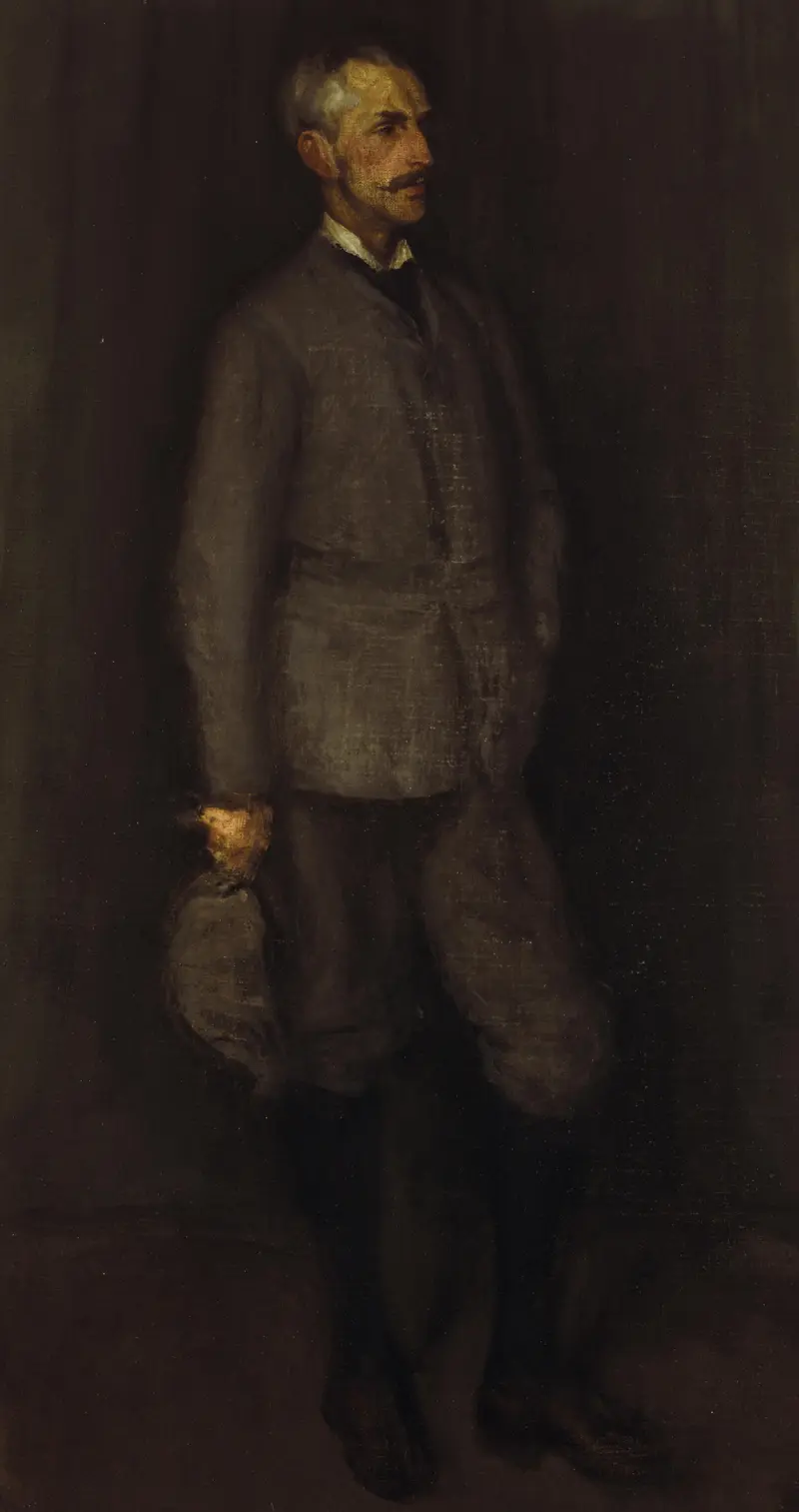
Arrangement in Grey and Green. Portrait of John James Cowan
James McNeill Whistler
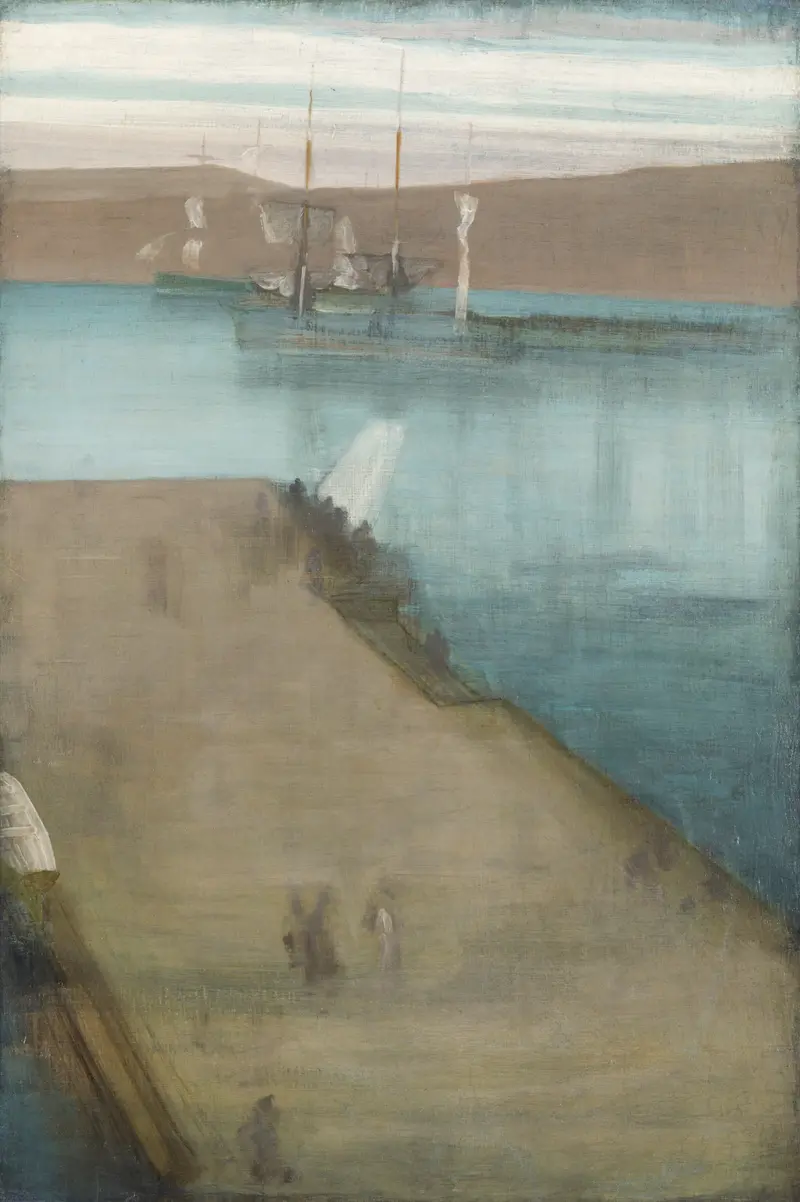
Valparaiso Harbor
James McNeill Whistler
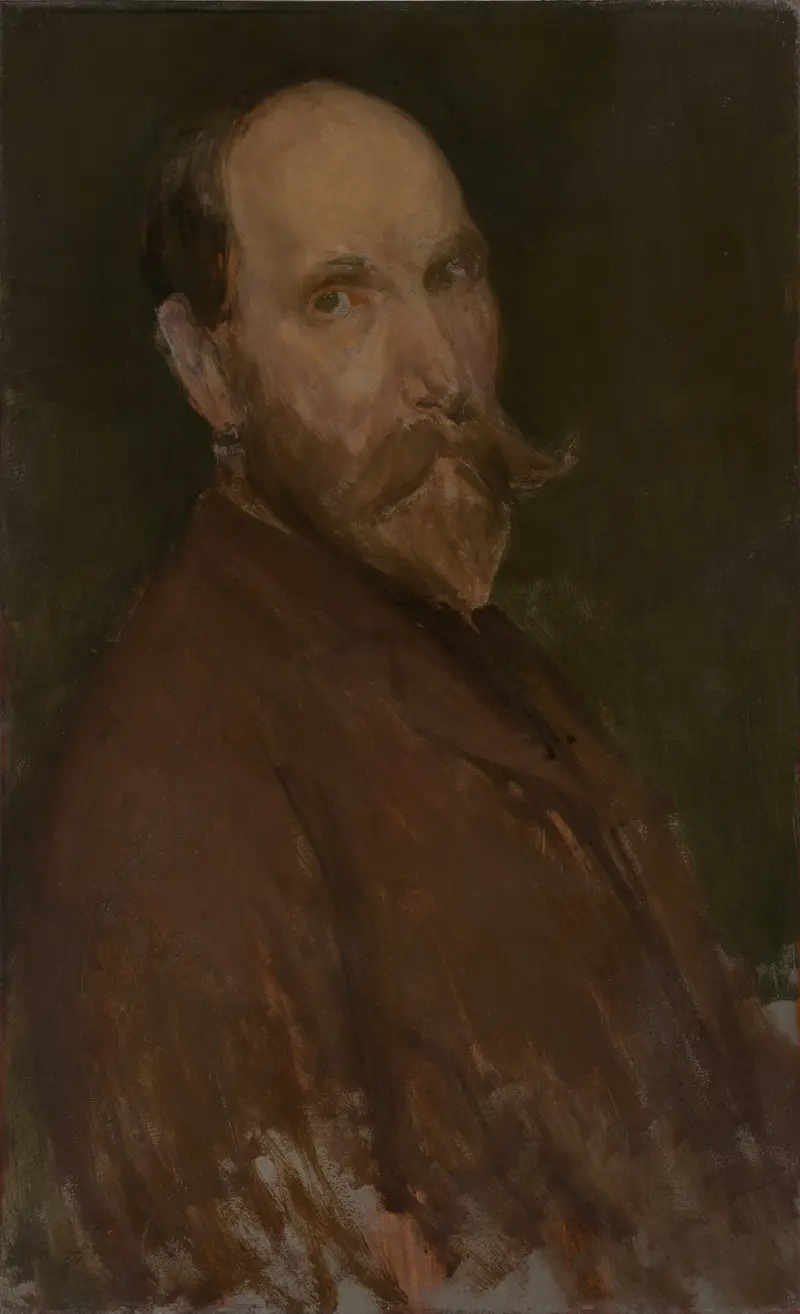
Charles Lang Freer
James McNeill Whistler





