
Self-Portrait as a Female Martyr — History & Facts
In Self-Portrait as a Female Martyr, Artemisia Gentileschi boldly blurs the boundary between artist and subject, offering a rare and deeply personal vision: herself, not as a painter at work, but as a saint enduring suffering. The painting stands as one of the earliest known examples in which a female artist uses her own likeness to embody a martyred woman, a gesture that has sparked ongoing debate among scholars. Was this a coded response to her own ordeals, or a calculated assertion of her place in a male-dominated art world? The work’s date, 1615, places it just a few years after the infamous trial of Agostino Tassi for her rape—a trauma that would echo throughout her career and artistic choices. The moment Gentileschi has chosen is one of quiet endurance rather than violent climax.
She gazes outward, her features unmistakably her own, framed by a white veil and simple dress, hands clasping a palm frond—the traditional symbol of martyrdom. There is no blood, no instruments of torture; instead, the drama lies in her steady gaze and the subtle tension of her posture. The light falls gently across her face, illuminating both vulnerability and resolve.
Unlike Caravaggio’s saints, who often writhe in agony, Gentileschi’s martyr meets the viewer’s eyes, inviting empathy and perhaps understanding. The chain around her neck and the palm in her hand mark her as a martyr, but her directness insists on her individuality. The physical history of Self-Portrait as a Female Martyr is less well documented than some of Gentileschi’s other works. Its early provenance remains uncertain, and the identity of its first patron is unknown—a common fate for many paintings by women artists of the early seventeenth century.
Today, it stands as a testament to Gentileschi’s innovation and her determination to carve out a space for herself in the world of Baroque painting. The painting’s attribution has never been seriously questioned, and it is now recognized as a pivotal work in her career, marking her transition from her Roman beginnings to the more independent, self-assured artist she would become in Florence and beyond.
More Artworks by Artemisia Gentileschi

Judith Beheading Holofernes
Artemisia Gentileschi
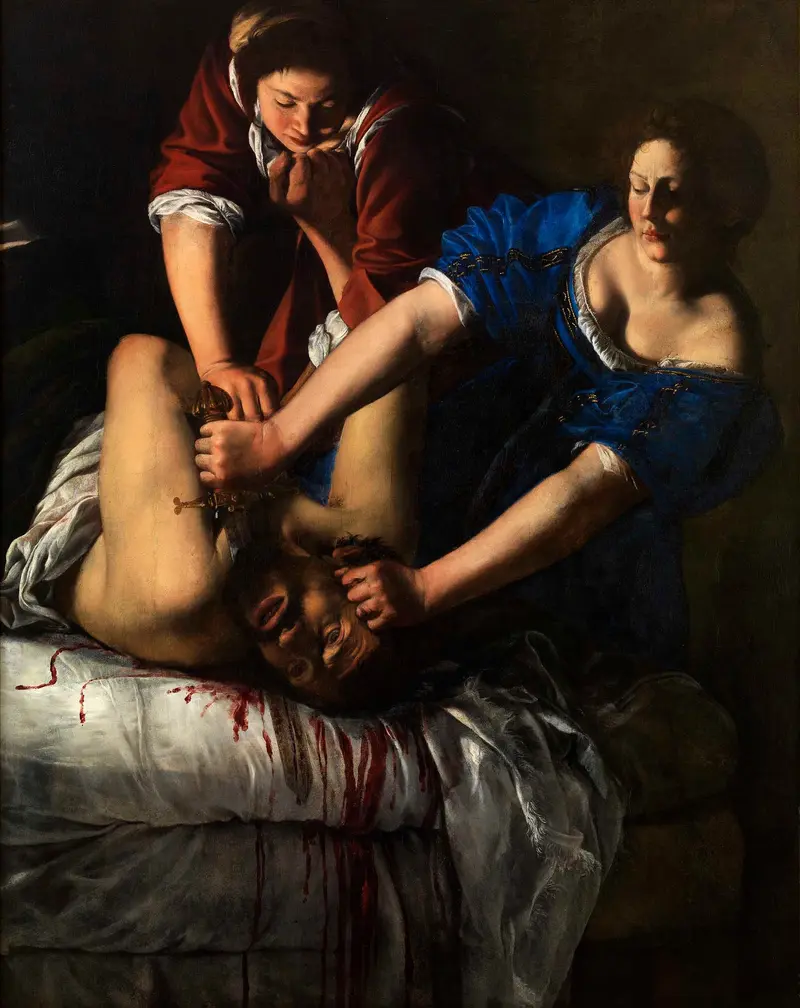
Judith Slaying Holofernes
Artemisia Gentileschi
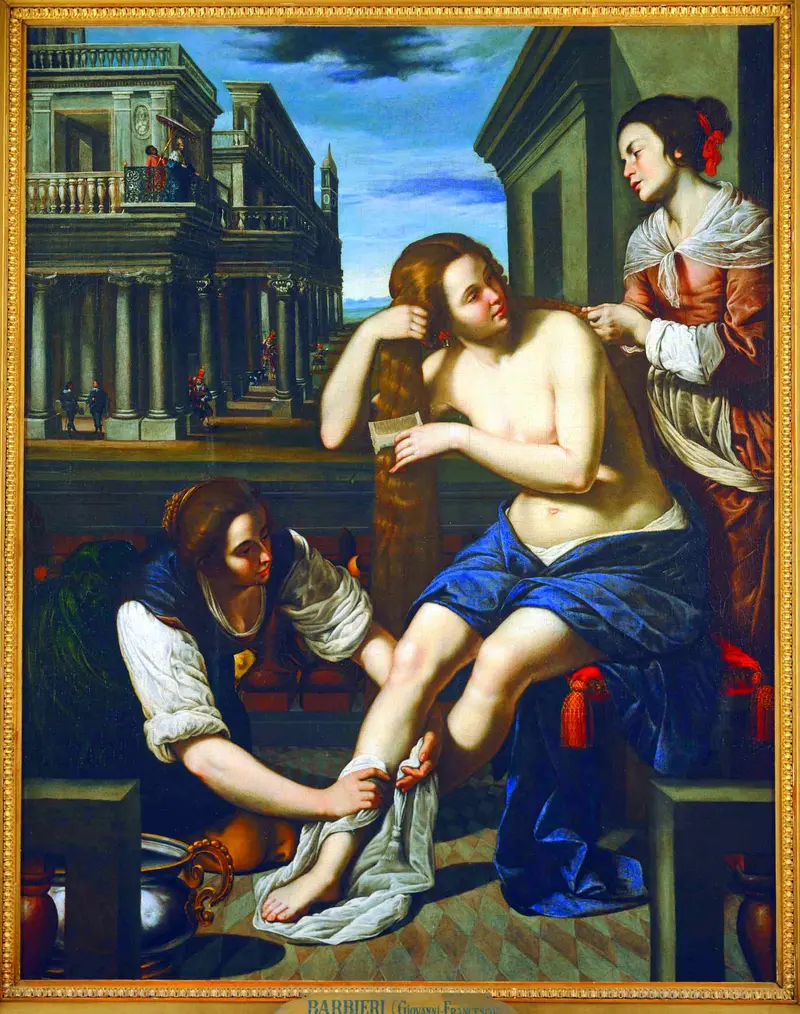
Bathsheba at Her Bath
Artemisia Gentileschi
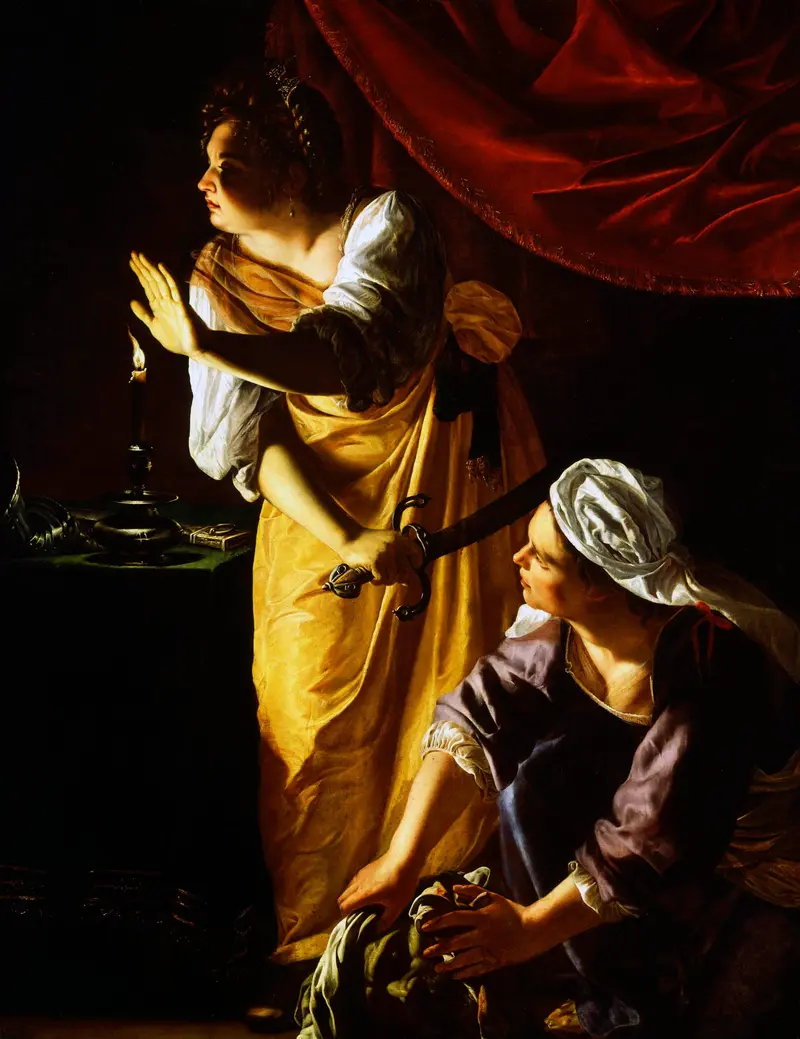
Judith and Maidservant with Head of Holofernes
Artemisia Gentileschi
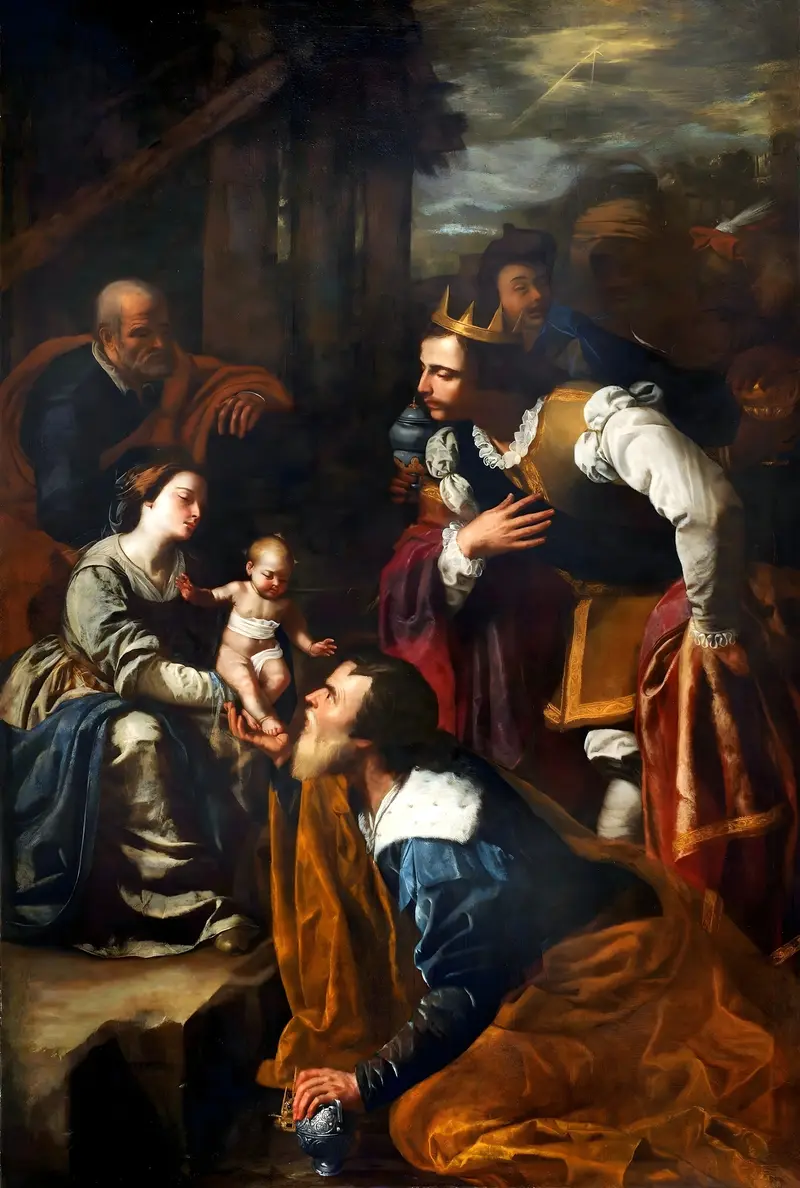
Adoration of the Magi
Artemisia Gentileschi
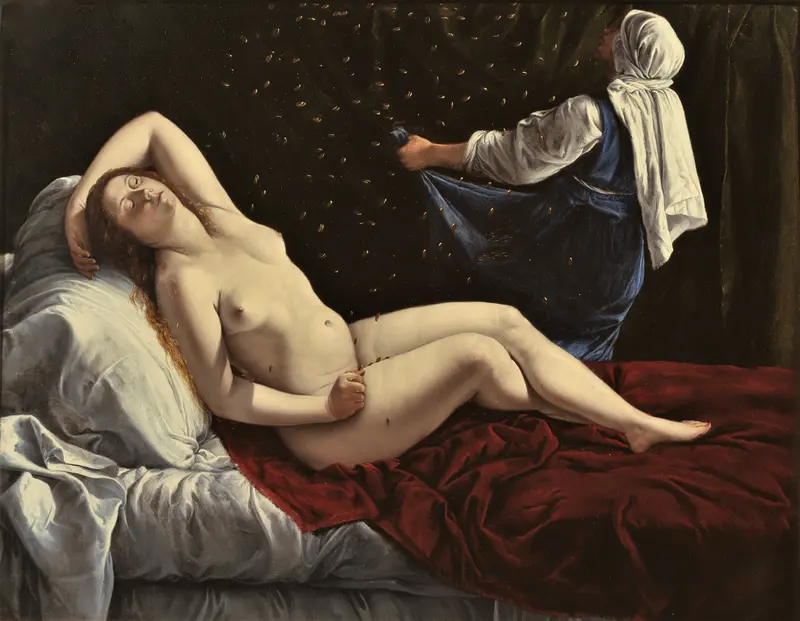
Danaë
Artemisia Gentileschi
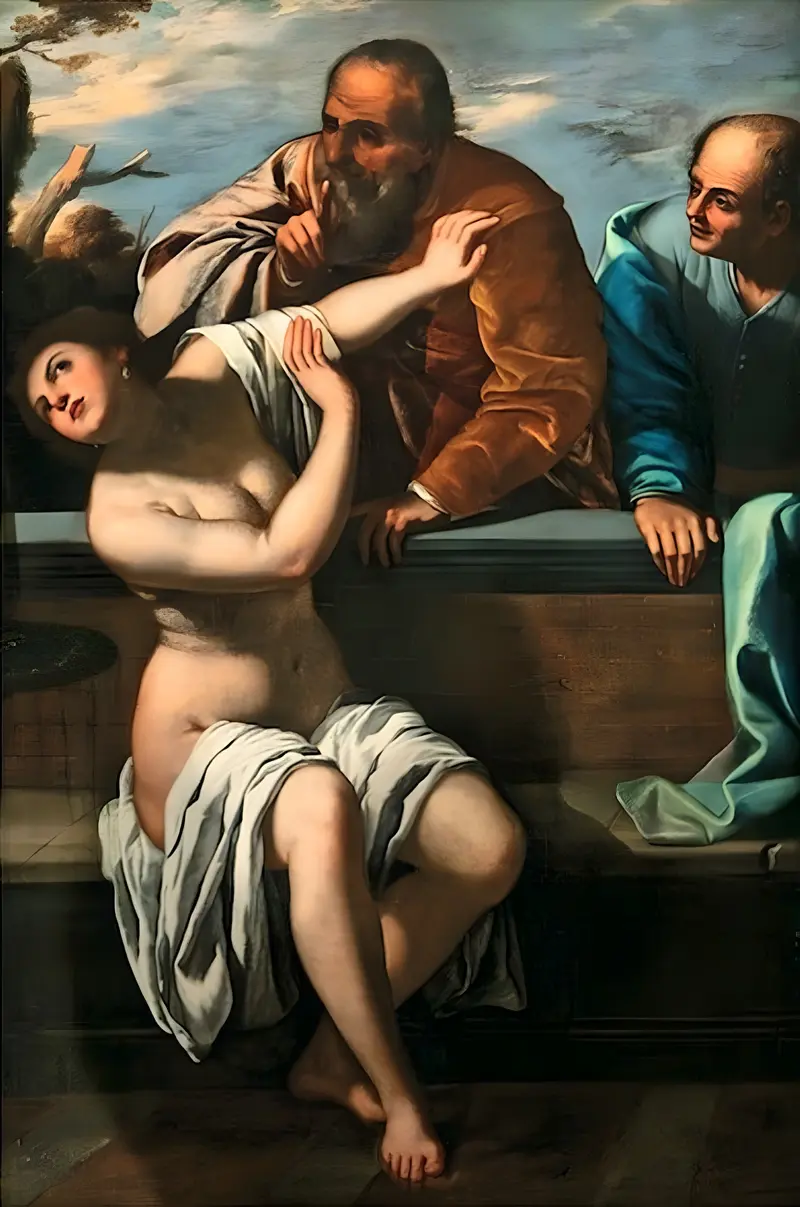
Susannah and the Elders
Artemisia Gentileschi

Judith and her Servant with the Head of Holofernes
Artemisia Gentileschi
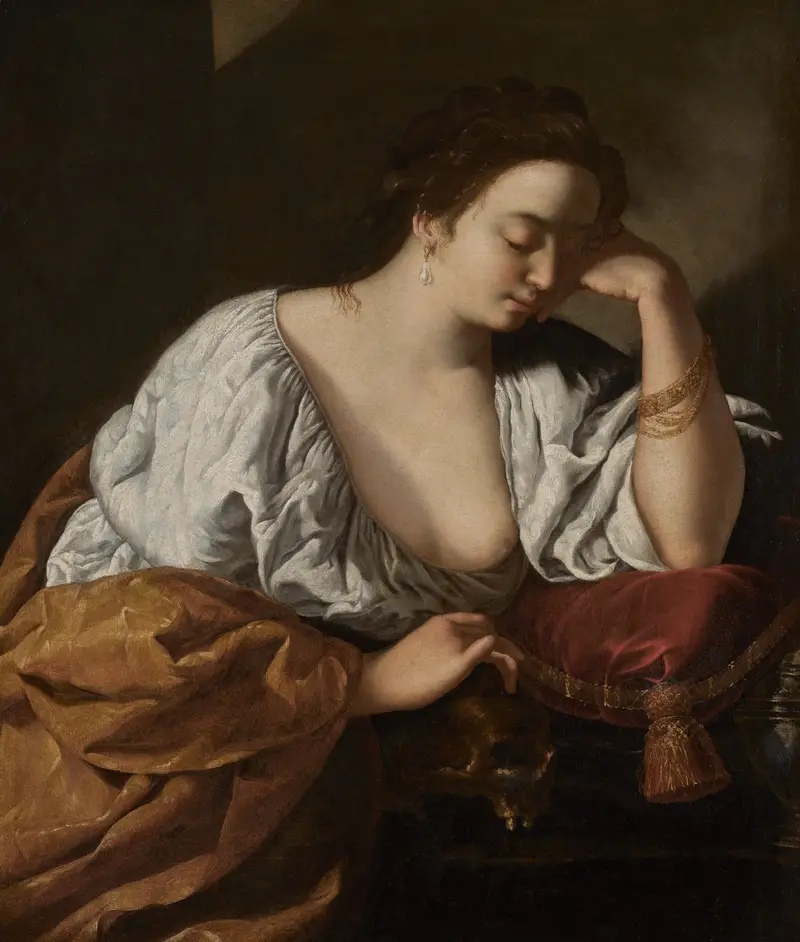
Madeleine pénitente, par
Artemisia Gentileschi
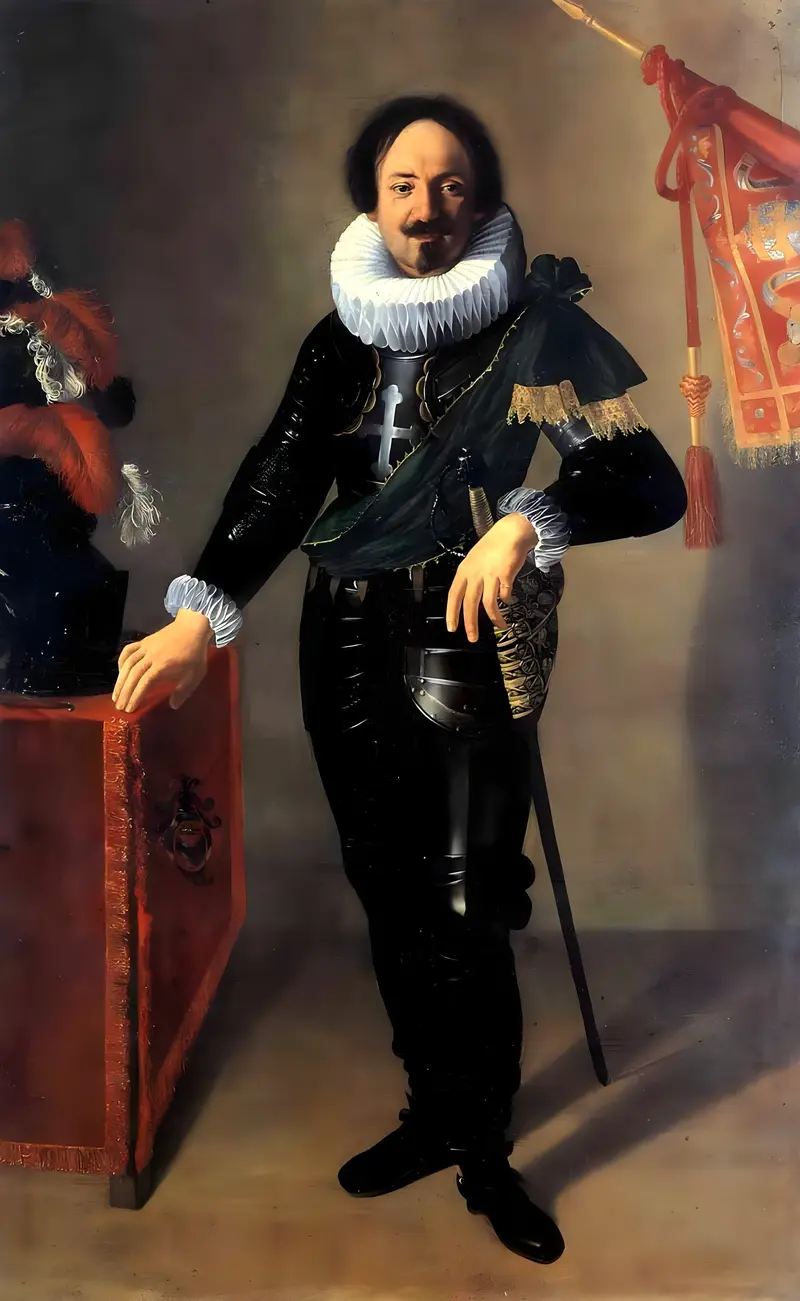
Portrait of a Gonfaloniere
Artemisia Gentileschi





