
Self-Portrait — History & Facts
A flash of white against a shadowed background draws the eye first—not to the artist’s hand, but to his gaze. Self-Portrait by Francisco Pradilla is a study in directness and candor, the sitter’s keen eyes peering through round spectacles with a mixture of scrutiny and weary humor. The brushwork is quick, almost impatient in the beard and jacket, but lingers lovingly on the face: a network of pinks, ochres, and greys that give the flesh a living, breathing presence.
Pradilla’s head emerges from darkness, his features ringed by a halo of loose, energetic strokes, as if the act of painting himself was both a confrontation and a release. Completed in 1917, this self-portrait belongs to a long tradition of artists confronting their own image late in life, when reputation and memory begin to weigh as heavily as ambition. In Spain, such portraits often served as personal statements—private meditations rather than public declarations. The confident scrawl at the bottom left, with its dedication and date, roots the painting in Madrid and in a moment of self-reflection.
History has kept few traces of this particular canvas’s journey, but its presence in the Museo del Prado’s online gallery today invites us to meet the artist’s gaze and wonder what he saw in himself, and what he hoped we might see in return.
More Artworks by Francisco Pradilla

Spring Mist in Italy
Francisco Pradilla
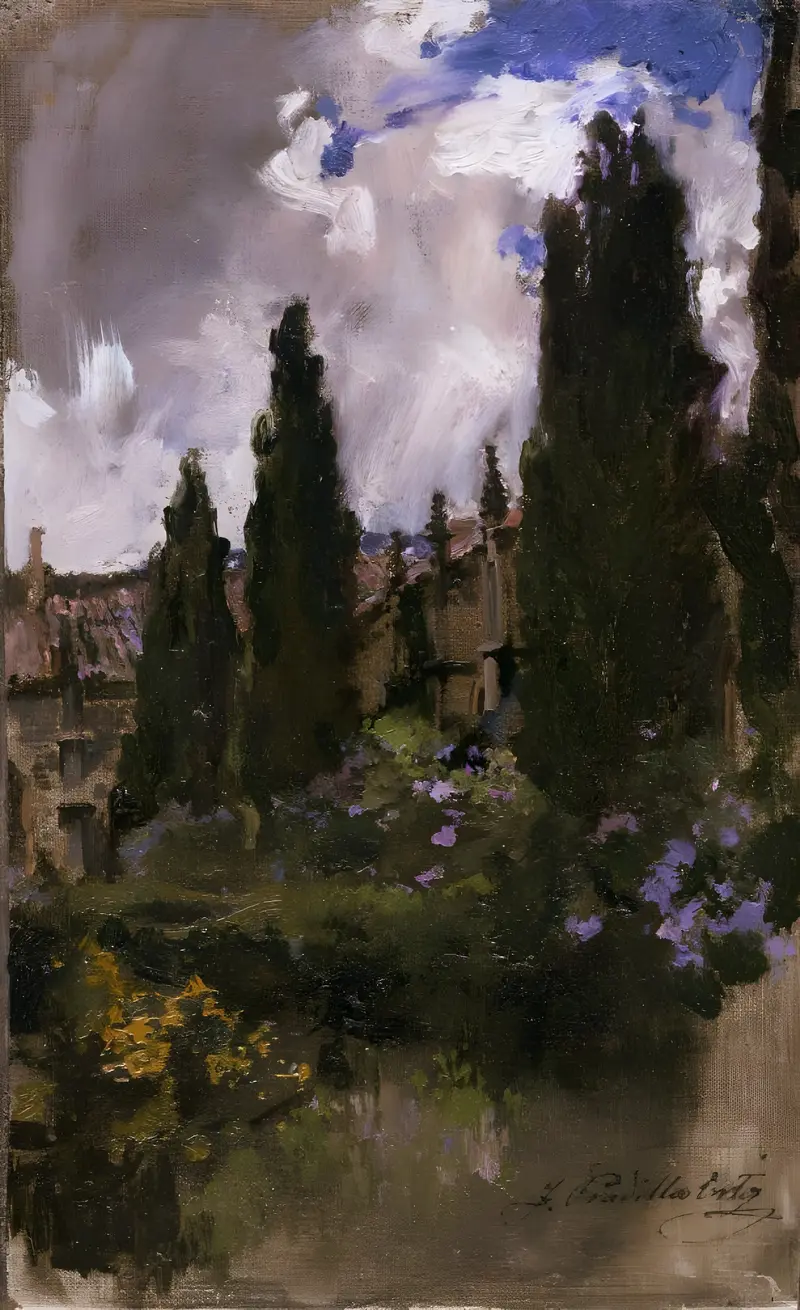
Among the Bulls of Guisando
Francisco Pradilla
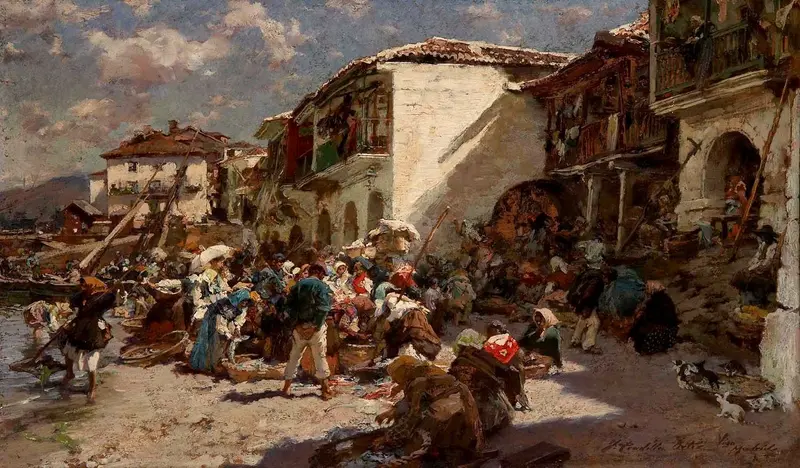
Selling Fish on Vigo Beach
Francisco Pradilla
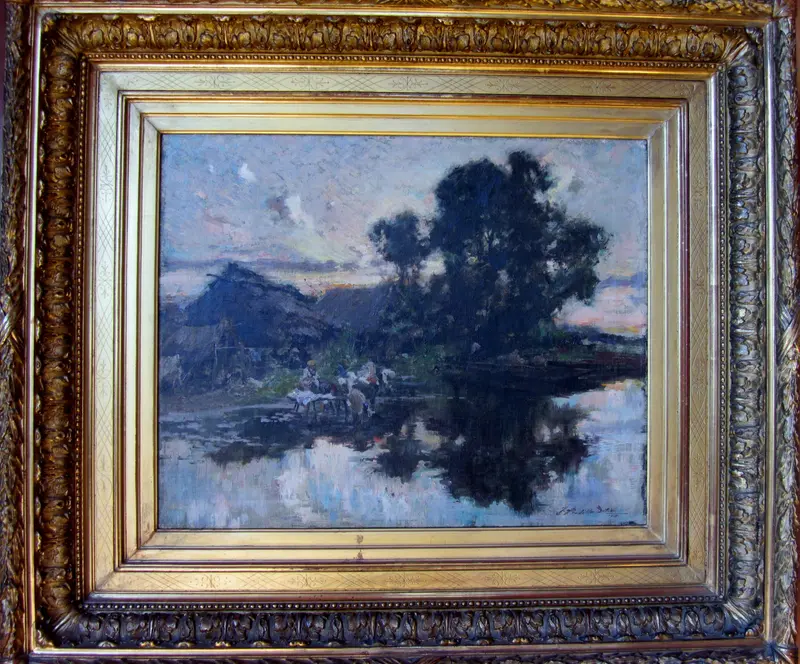
On the Riverbank
Francisco Pradilla

Raimunda Osorio, Marchioness of Linares
Francisco Pradilla
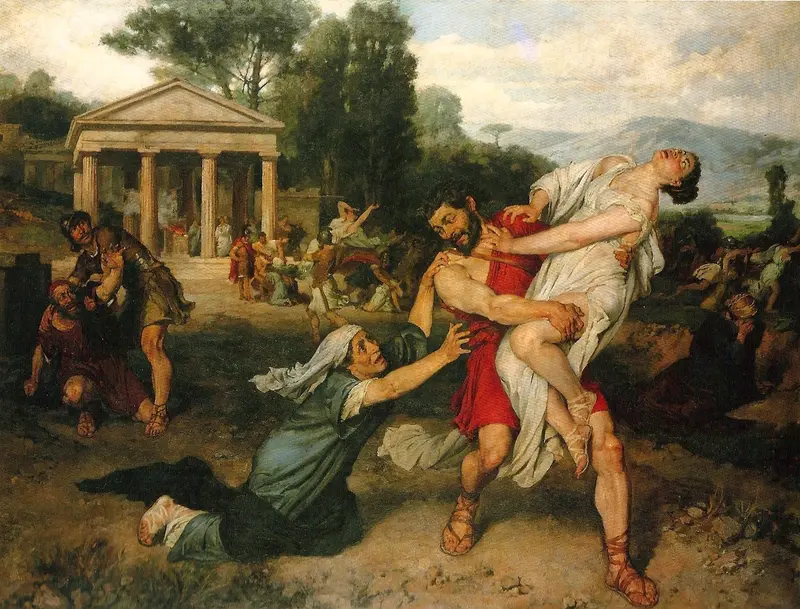
The Rape of the Sabine Women
Francisco Pradilla
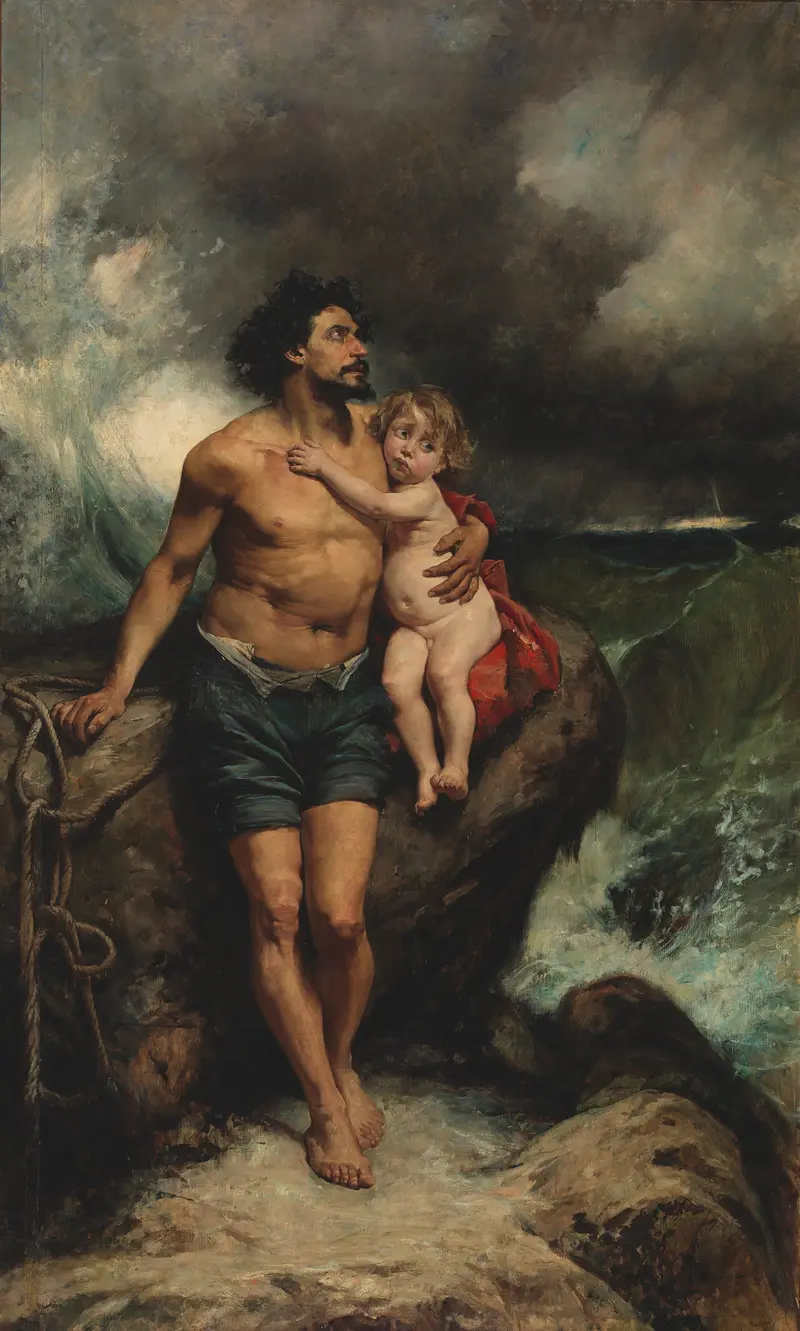
The Shipwrecked
Francisco Pradilla
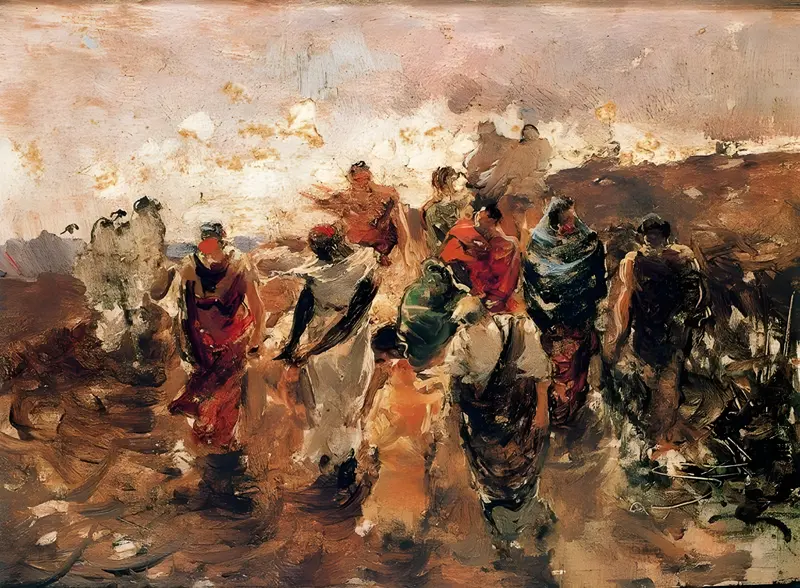
Impression
Francisco Pradilla
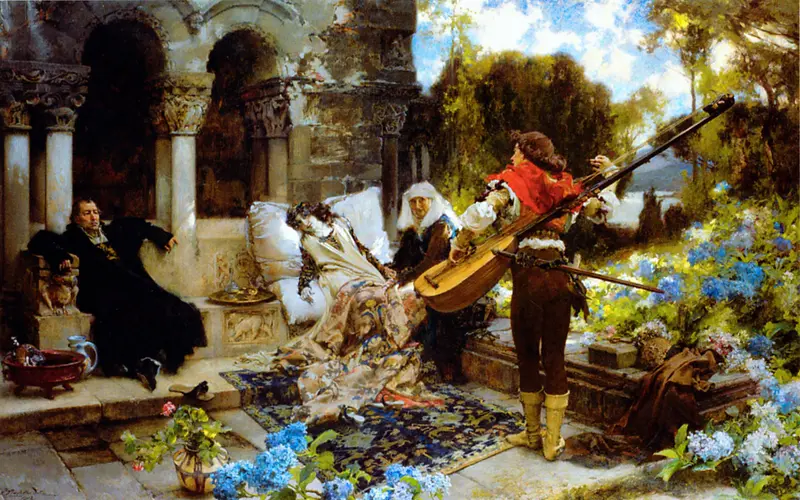
Lovesickness
Francisco Pradilla
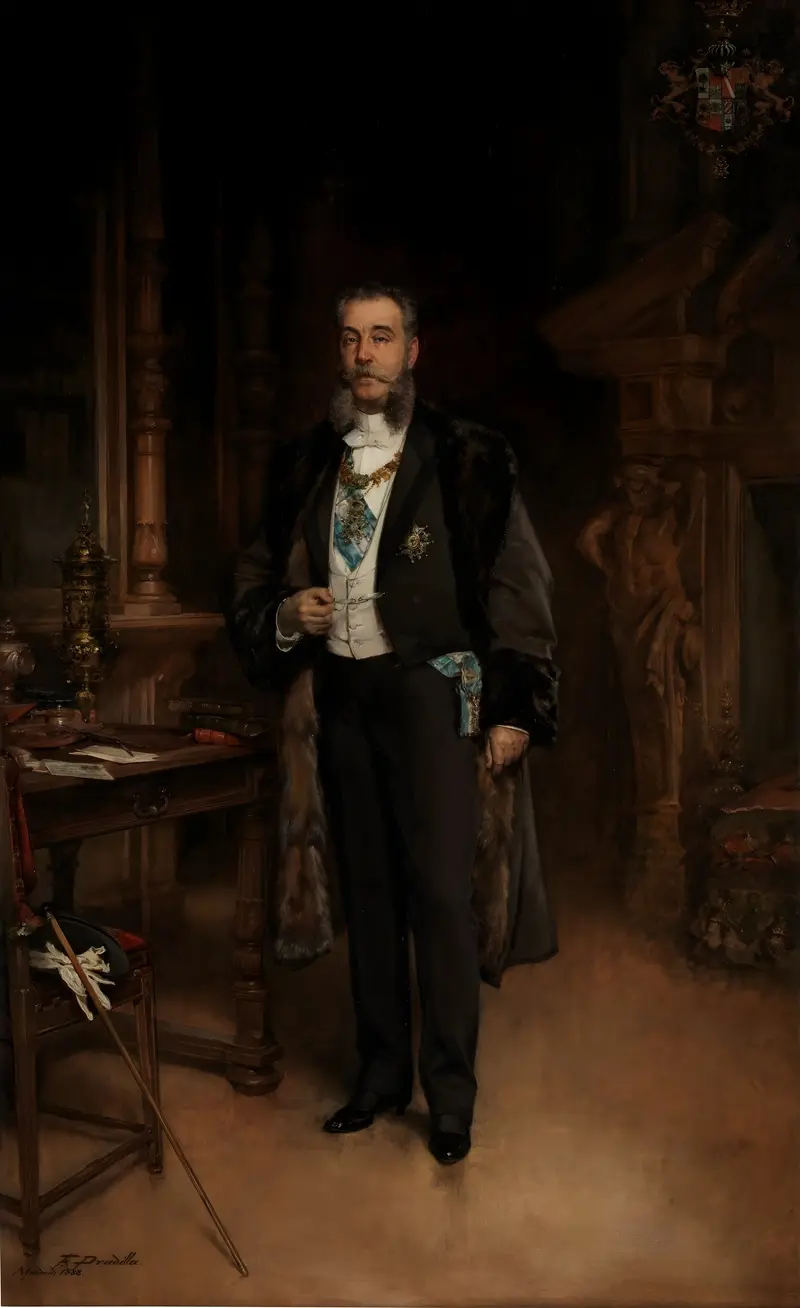
José María de Murga, Marquis of Linares
Francisco Pradilla





