
Self-Portrait in the Studio — History & Facts
A painter stands before his own unfinished likeness, pausing mid-stroke as if caught by a sudden thought or an unseen presence in the room. The gaze is not introspective, but outward and alert—he looks beyond the canvas, palette poised, brush in hand, as though searching for something just outside the viewer’s reach. The crisp vertical of the easel and the heavy green curtain frame him, while the light falls across his face and chest, sharpening the contrast between the living artist and the sketched outline behind him.
The suit, with its bold checkered trousers and striped collar, signals a man of his own era, yet the unfinished self-portrait on the canvas hints at the perpetual incompleteness of self-knowledge. Every detail—the glint of metal on his lapel, the vivid daubs of color on his palette—draws us deeper into the moment of creative suspension. Painted in 1893, this Self-Portrait in the Studio by Arnold Böcklin belongs to a period when artists across Europe were rethinking the role of the painter and the meaning of the studio. The late nineteenth century saw the rise of the artist as both craftsman and visionary, with self-portraits becoming a favored means of exploring identity, ambition, and doubt.
While the Kunstmuseum Basel now preserves this work, history has kept few traces of its journey or the circumstances of its making. What remains is the charged encounter between artist and viewer—a silent dialogue that invites us to wonder what Böcklin saw, and what he chose to leave unfinished.
More Artworks by Arnold Böcklin

Die Toteninsel III
Arnold Böcklin
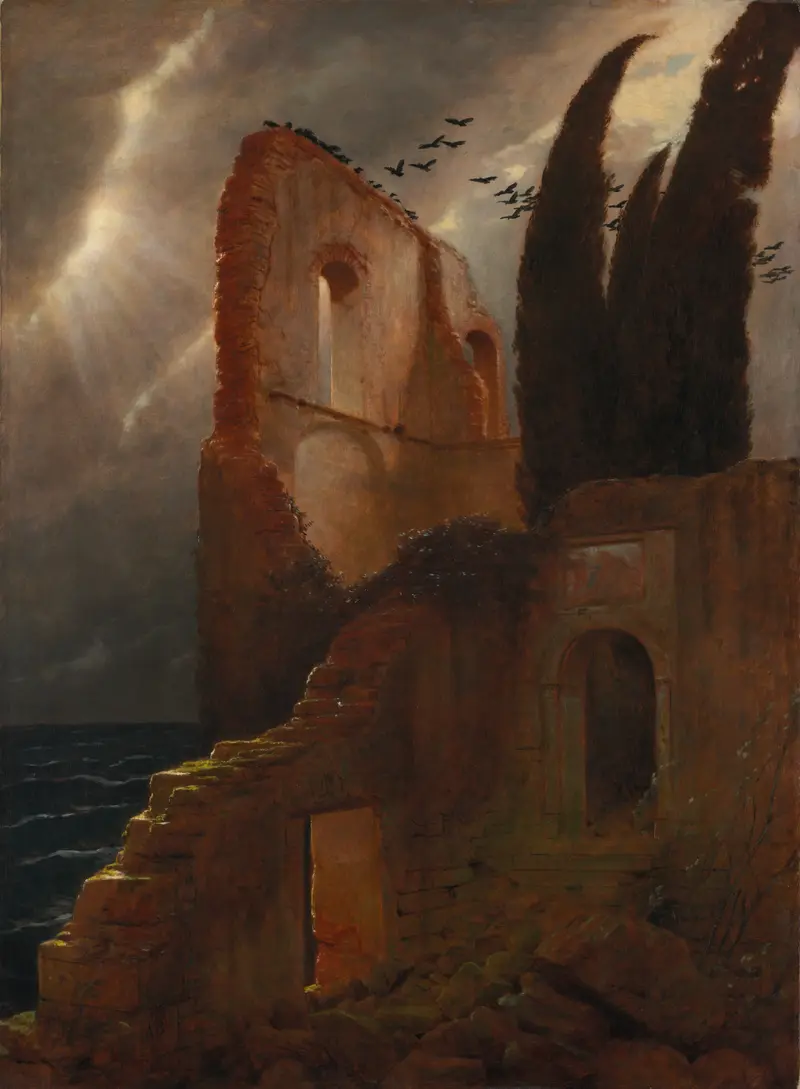
Ruin by the Sea
Arnold Böcklin
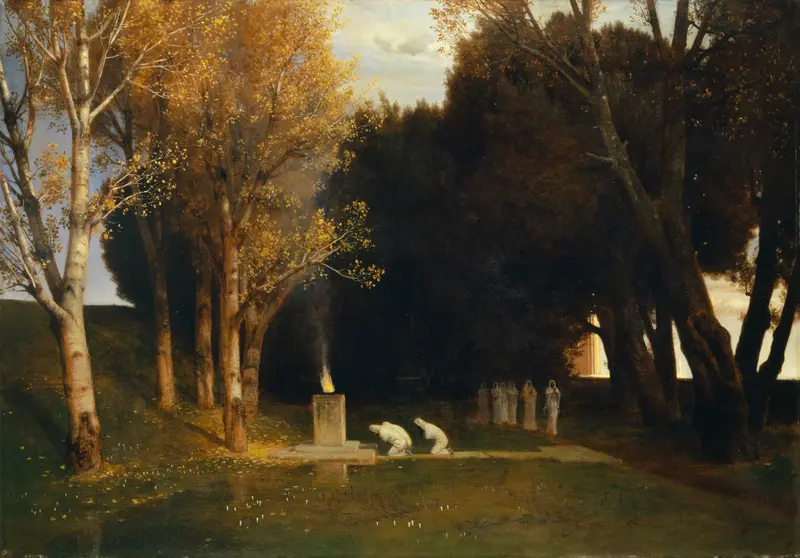
The Sacred Grove
Arnold Böcklin
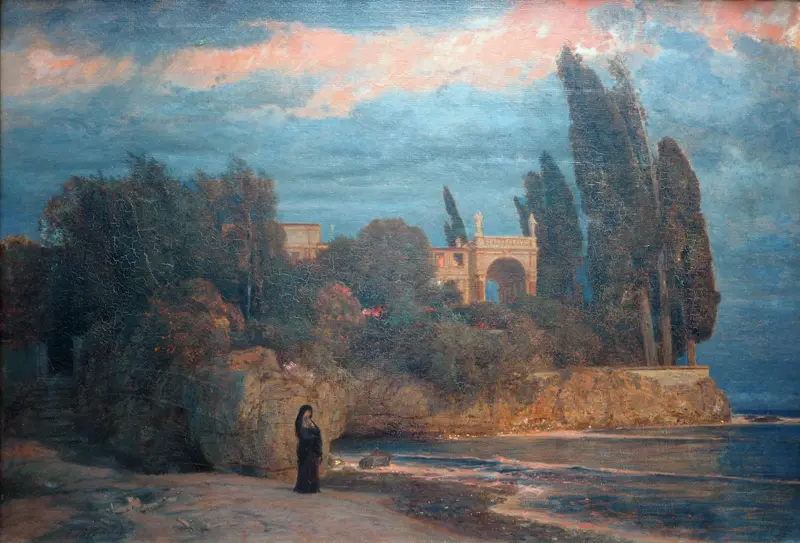
Villa by the Sea
Arnold Böcklin
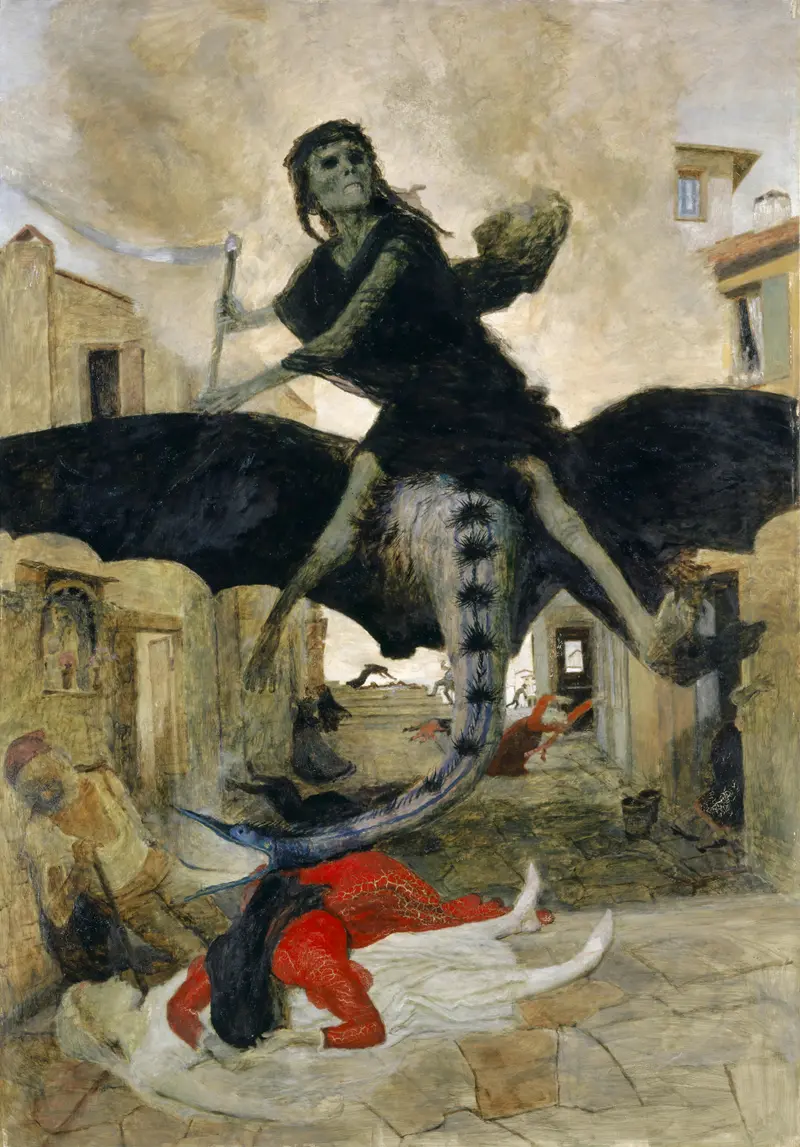
The Plague
Arnold Böcklin
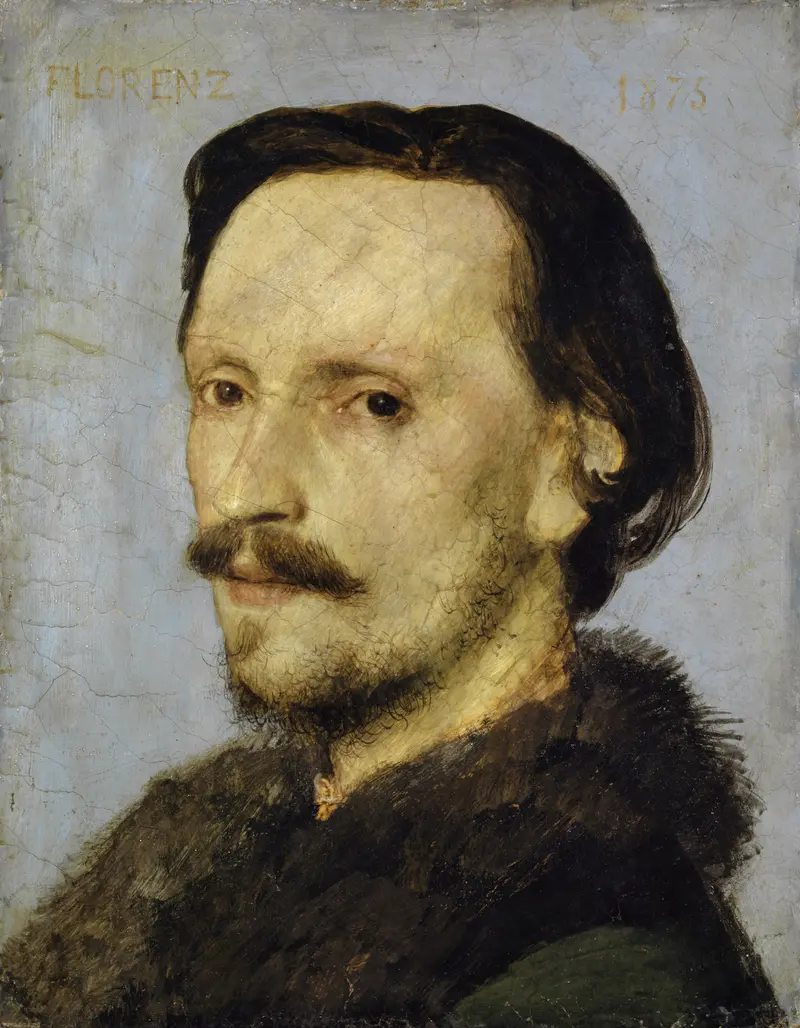
Böcklin Bildnis des Kunsthistorikers Adolph Bayersdorfer, 1875
Arnold Böcklin
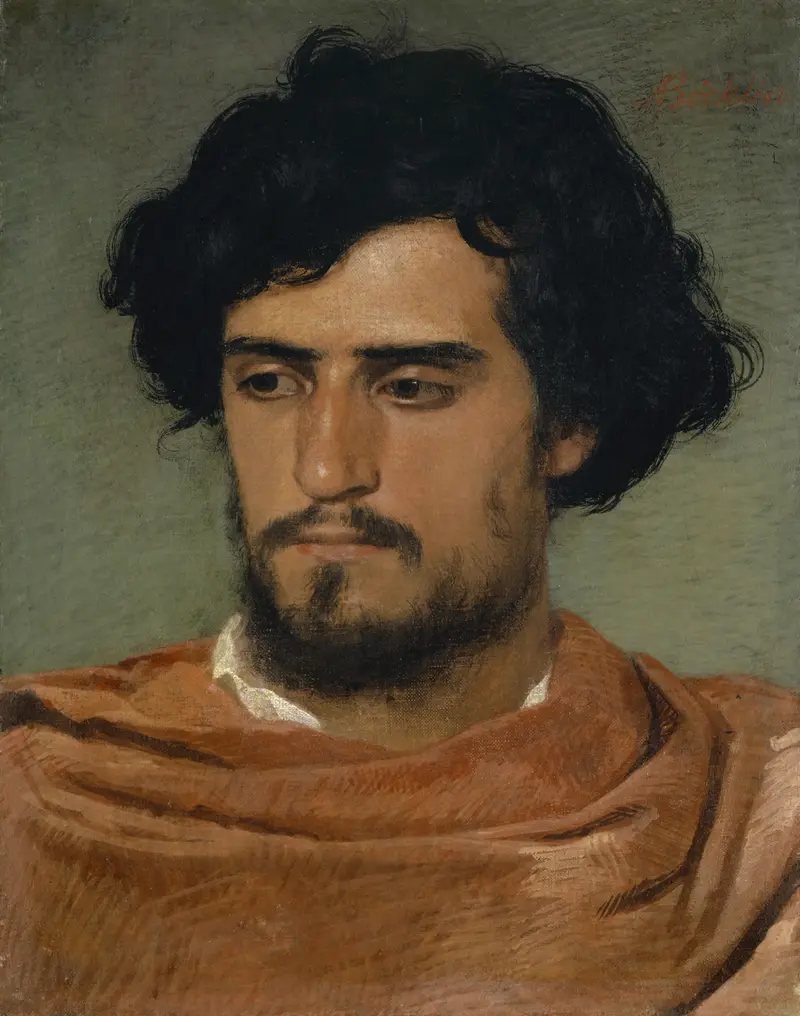
Head of a Roman
Arnold Böcklin
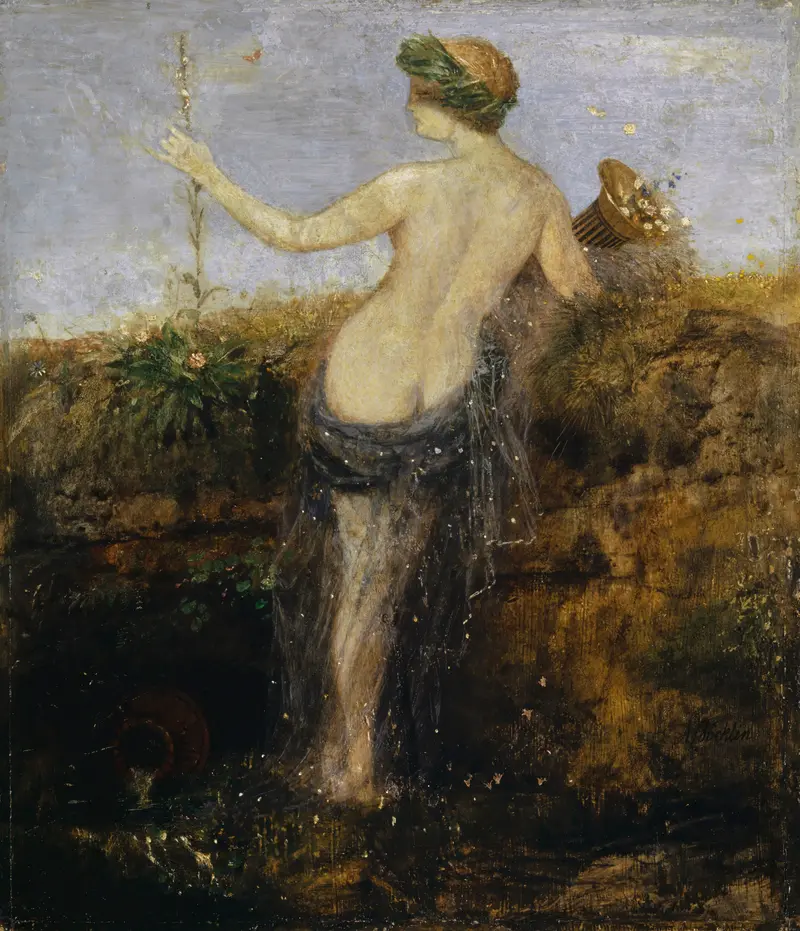
Nymphe with Horn of Plenty
Arnold Böcklin
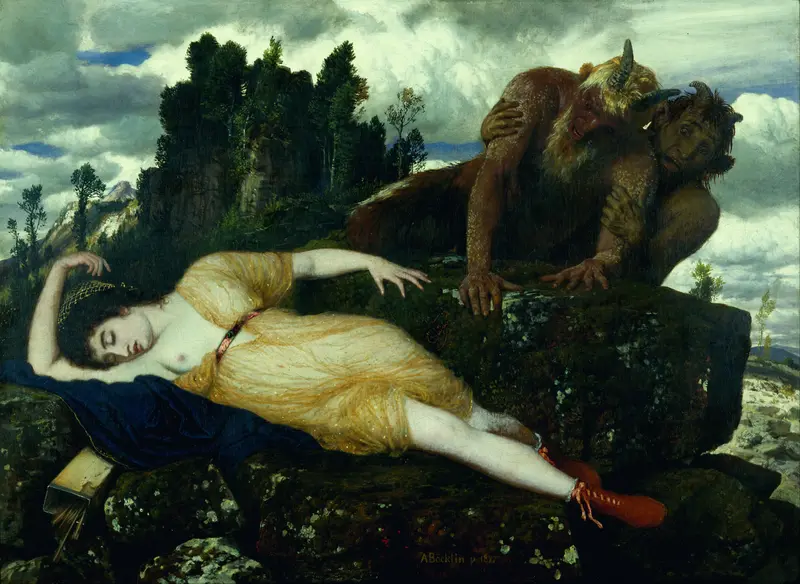
Sleeping Diana Watched by Two Fauns
Arnold Böcklin
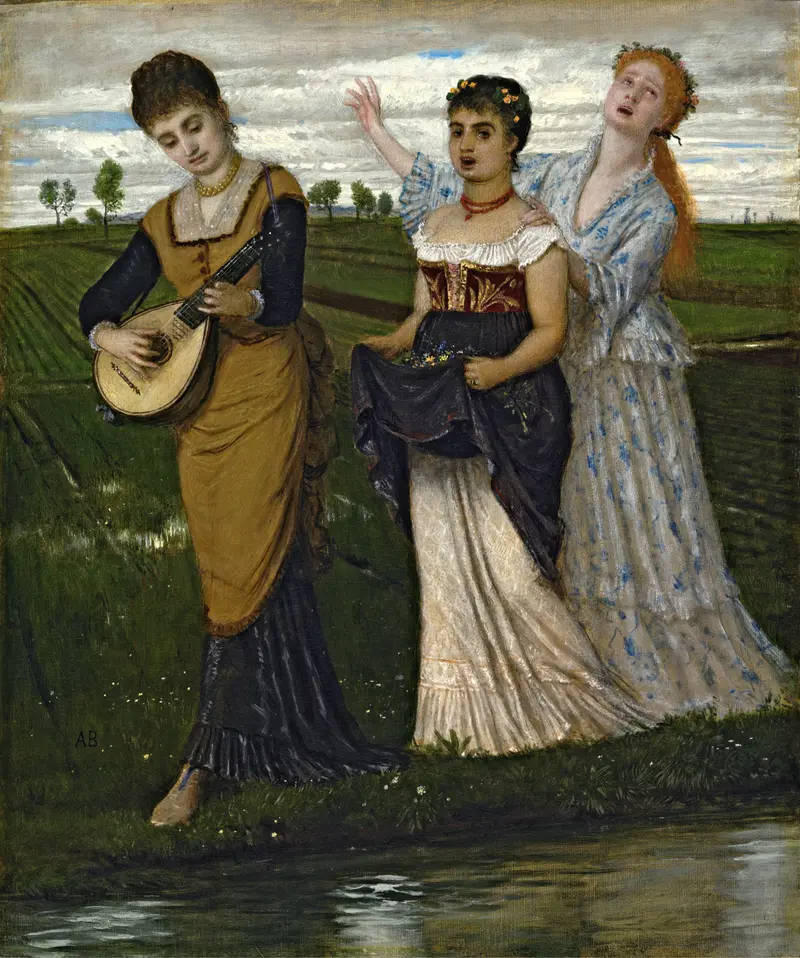
Spring (Songs of Spring)
Arnold Böcklin





