
Self Portrait — History & Facts
No one knows for certain when or why Raphael painted his Self Portrait, and this uncertainty has long fueled debate among scholars. The painting’s date and even the sitter’s exact age are still matters of speculation, but it is widely accepted as one of the rare, direct glimpses we have of the artist himself. Unlike the many grand portraits Raphael created of popes and courtiers, here the subject is the painter, quietly regarding us.
The portrait’s journey through history has been marked by questions: was it painted in Florence, or later in Rome? And was it meant for a friend, a patron, or simply for himself? The young man in the painting meets the viewer’s gaze with a calm, almost reserved expression. His dark cap and simple attire contrast with his delicate features and the soft modeling of his face, which stands out against a muted background. The light falls gently across his right cheek, highlighting the clarity of his eyes and the subtle curve of his mouth.
Unlike Leonardo da Vinci’s famously enigmatic Mona Lisa, Raphael offers no overt smile or gesture, only a sense of introspection. The lack of attributes—no painter’s tools, no grand setting—draws the attention to the sitter’s humanity and inner world. The painting’s early history is not well documented, but it is believed to have been in the collection of the Duke of Urbino before entering the Medici collections in Florence. By the late 16th century, it was already being admired as an authentic likeness of Raphael, though some have questioned the attribution over the centuries.
Today, Self Portrait is housed in the Galleria degli Uffizi in Florence, where it is seen as a key image of the artist’s short but brilliant career. For many visitors, it offers a rare and intimate connection to one of the defining figures of the High Renaissance.
More Artworks by Raphael
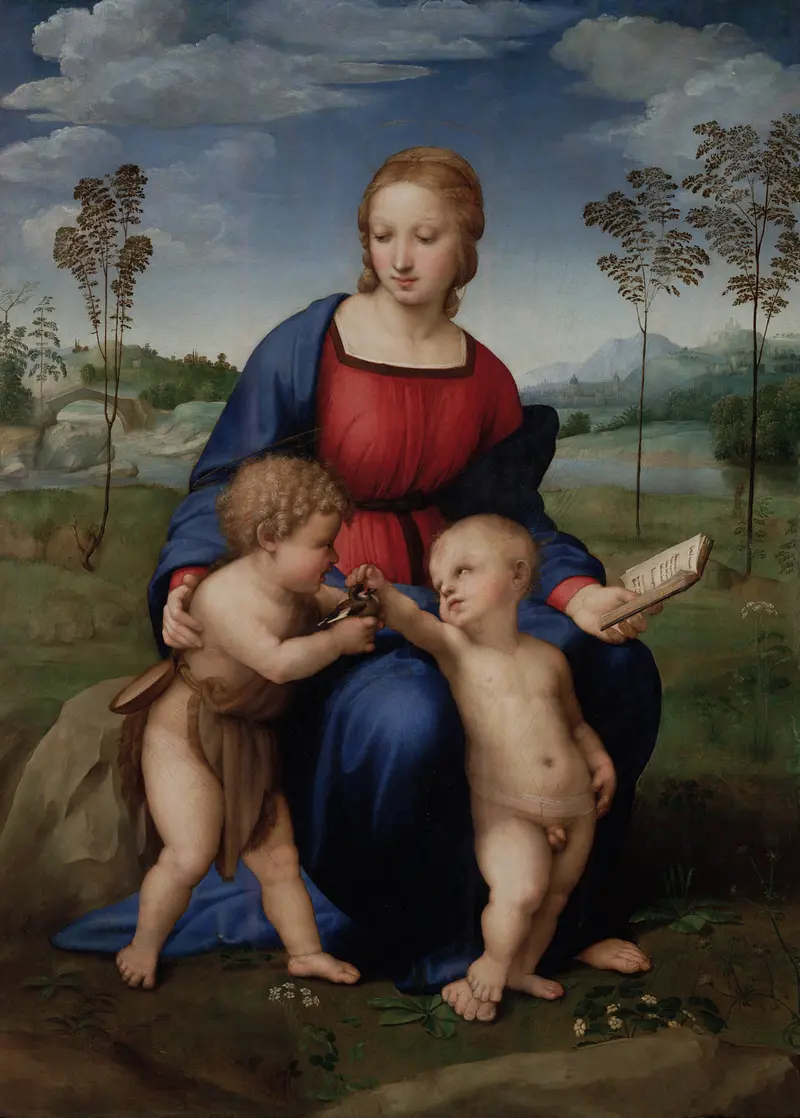
Madonna of the Goldfinch
Raphael

Madonna with the Fish
Raphael
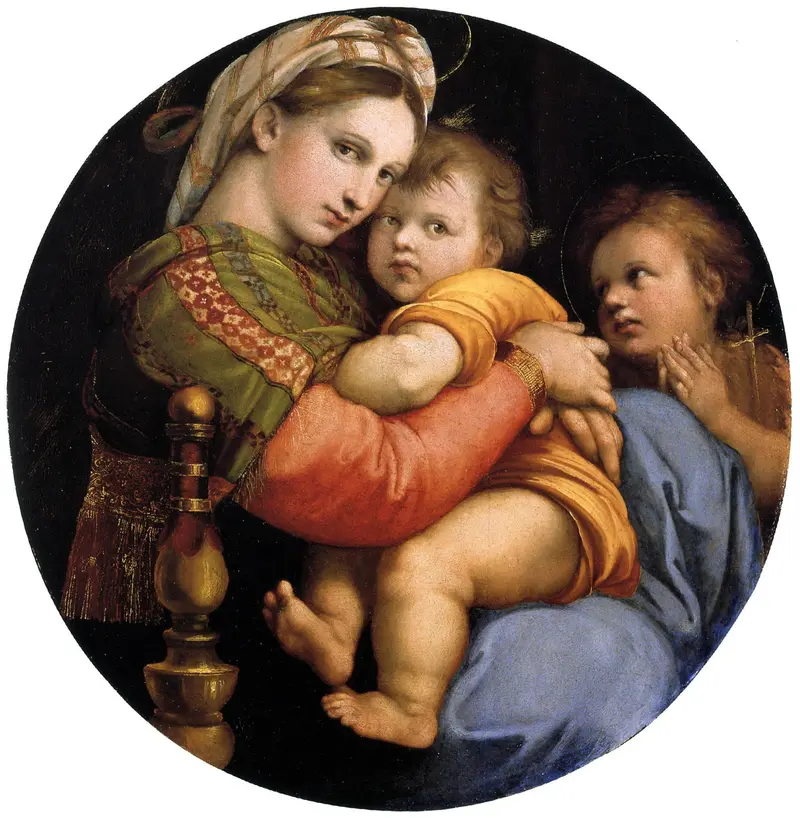
Madonna and Child (Madonna della Seggiola)
Raphael
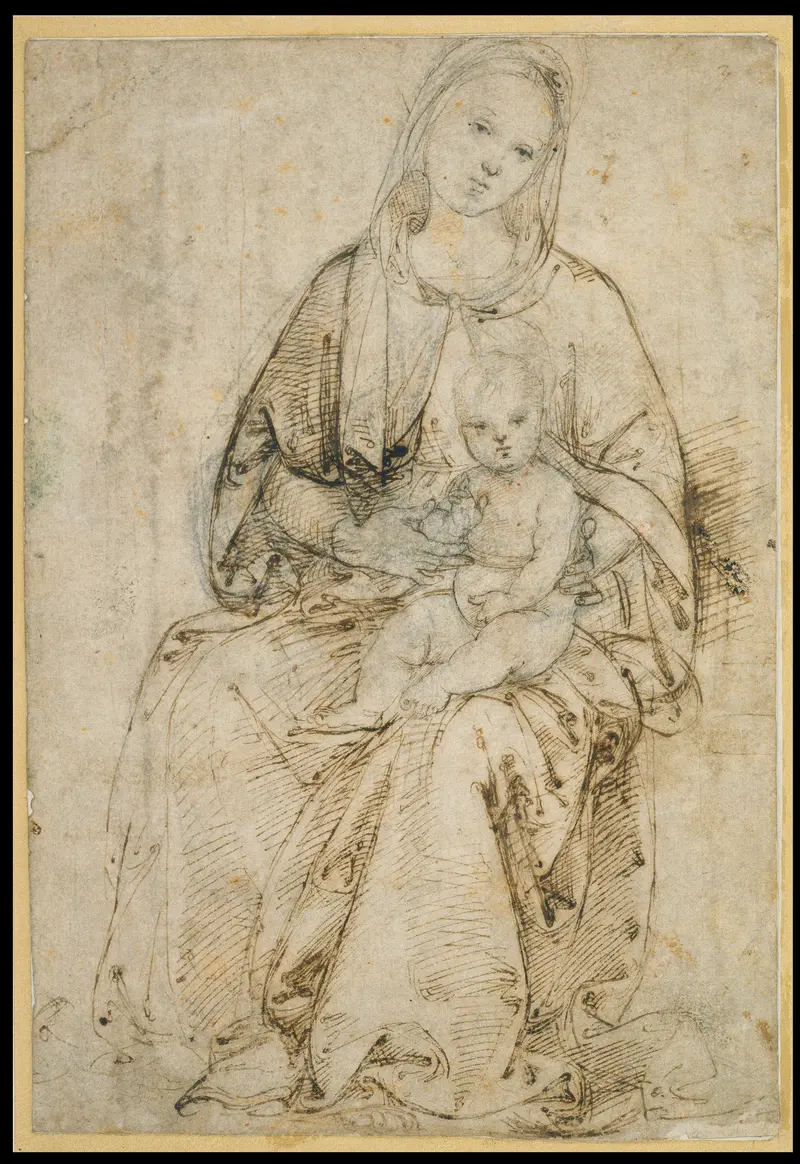
Seated Madonna and Child
Raphael
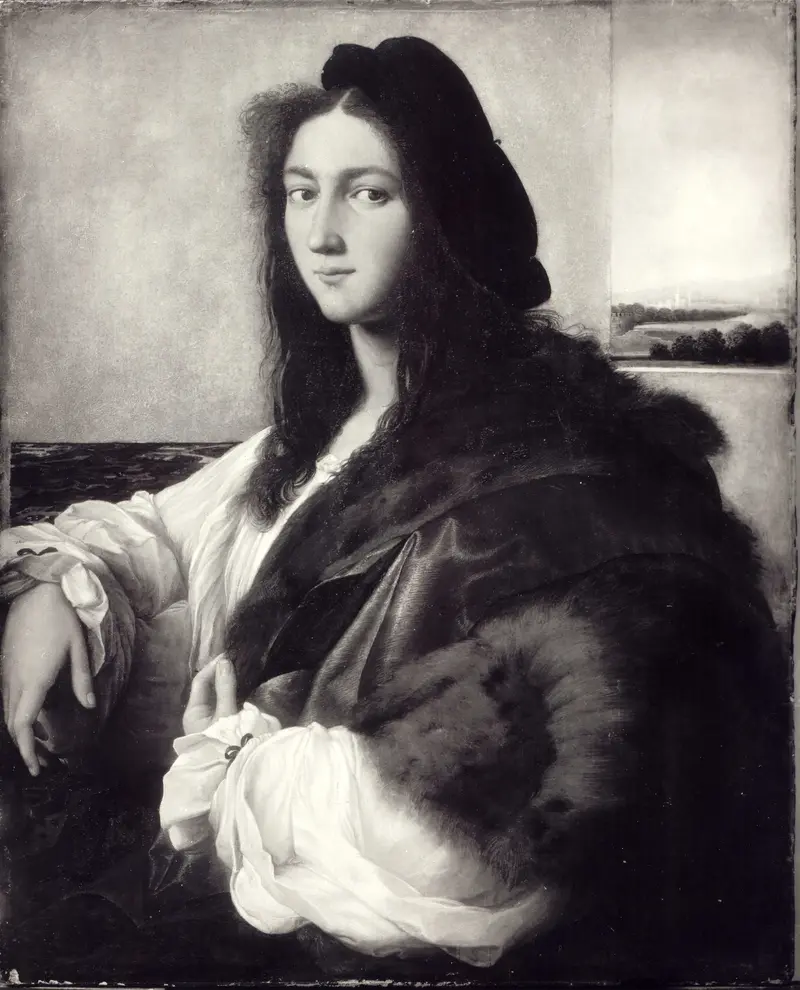
Portrait of a Young Man
Raphael
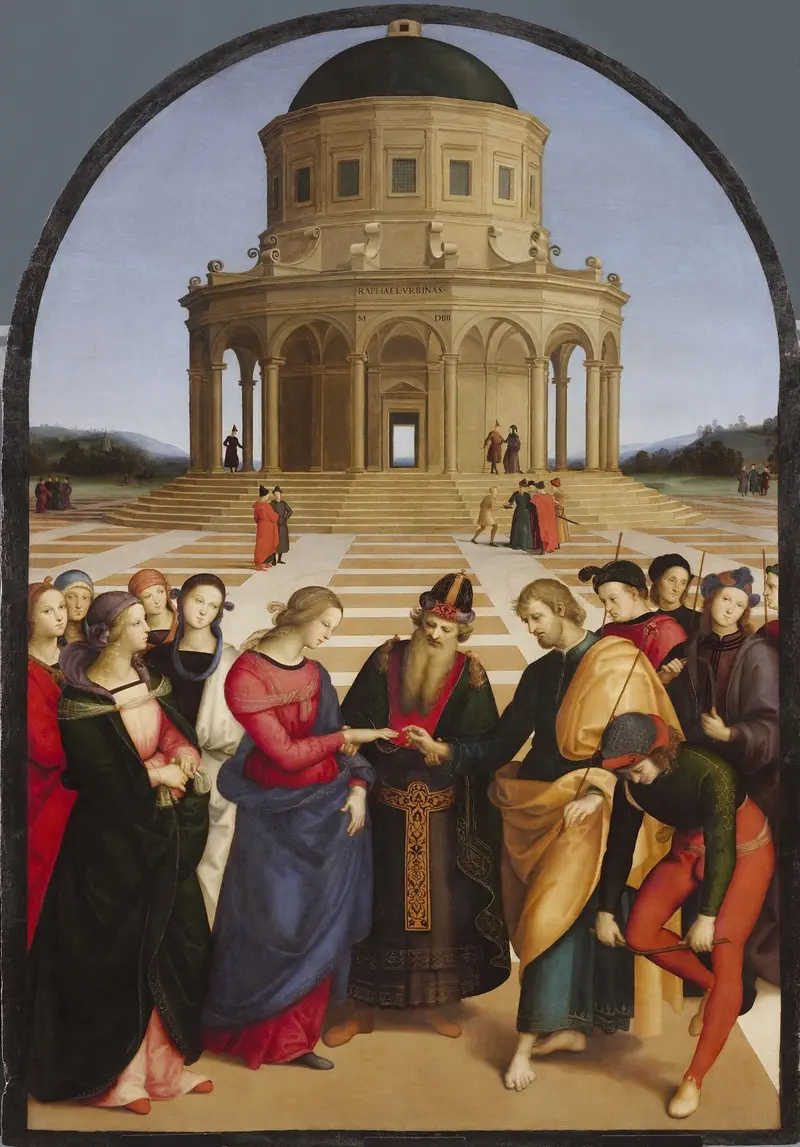
The Marriage of the Virgin
Raphael
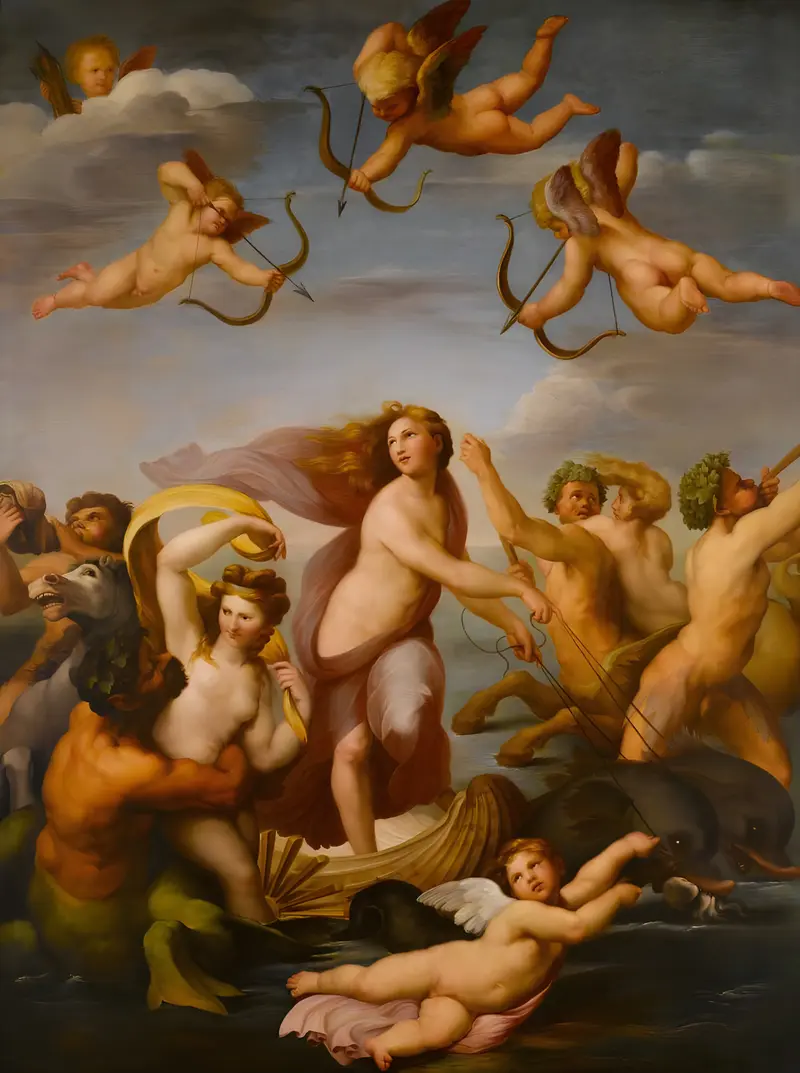
The Triumph of Galatea (copy after Raphael)
Raphael
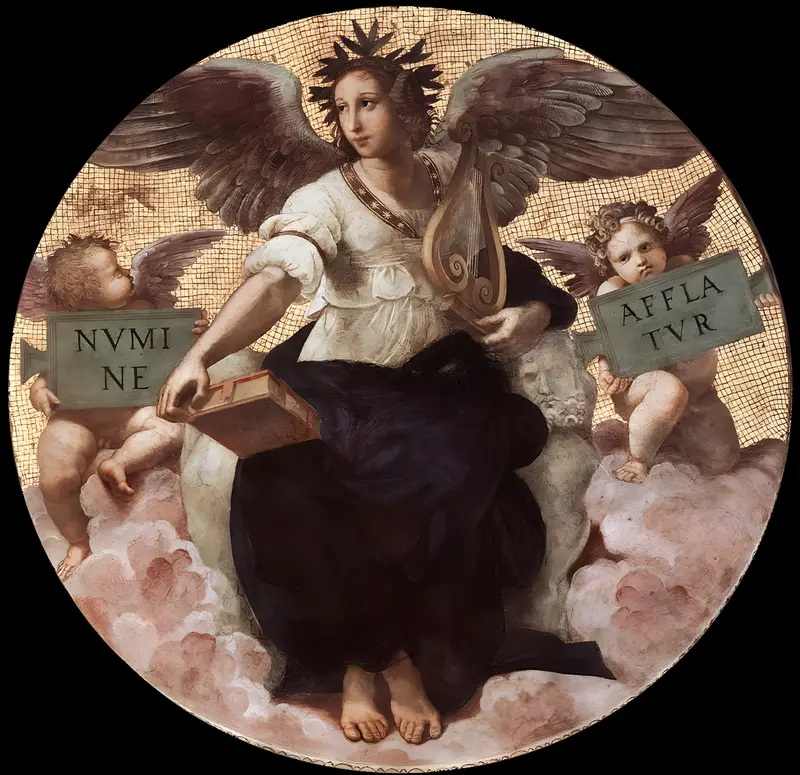
Poetry
Raphael
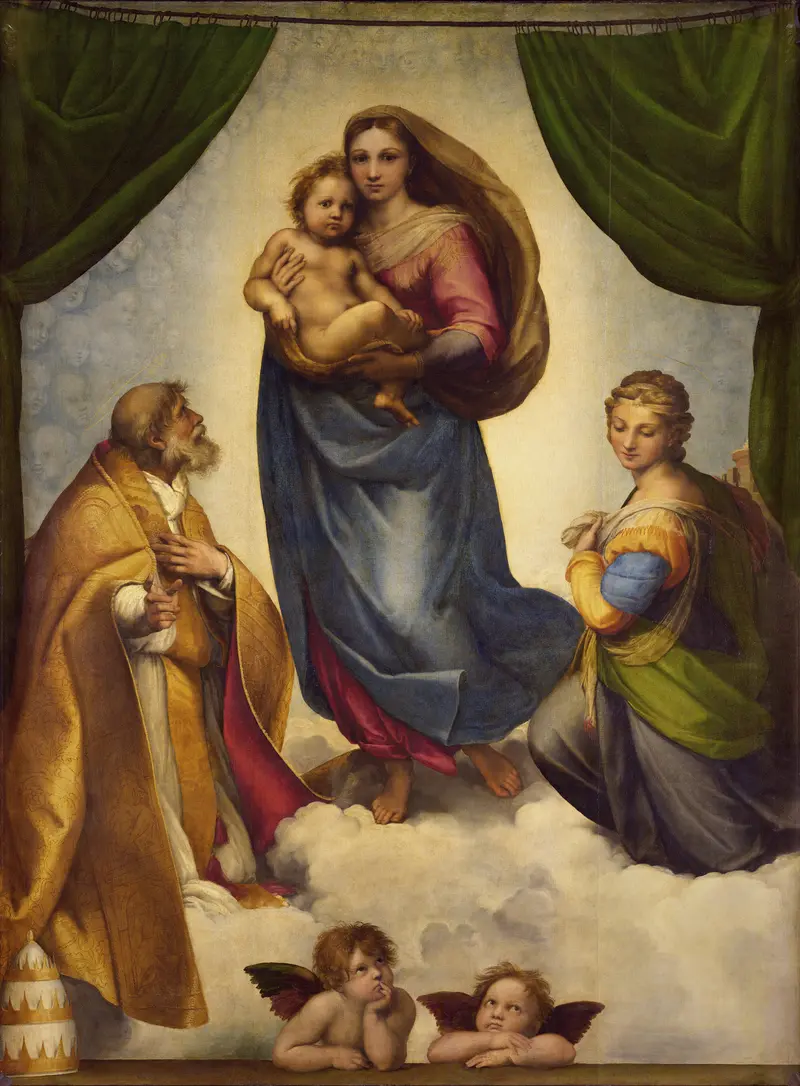
Sistine Madonna
Raphael
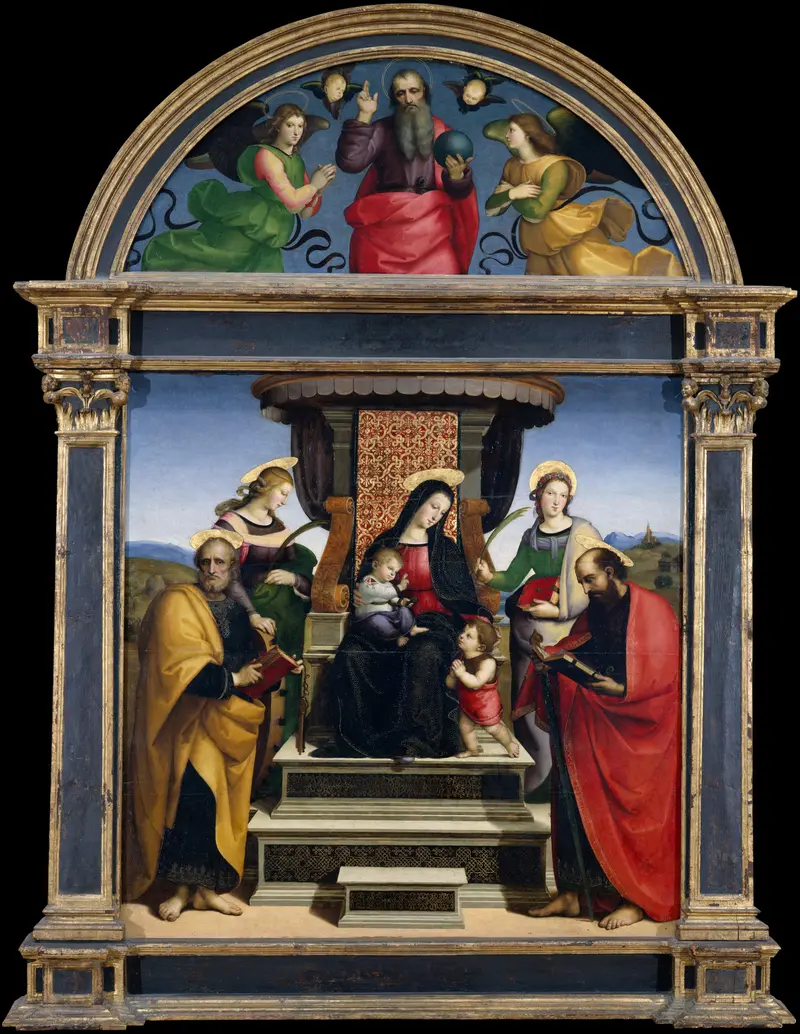
Madonna and Child Enthroned with Saints
Raphael





