
Self-Portrait with the Spanish Flu — History & Facts
In Self-Portrait with the Spanish Flu, Edvard Munch presents a striking image filled with dark colors and haunting expressions. The figure of the artist appears weary and introspective, set against a blurred background that suggests a sense of isolation. The use of deep blues and muted tones enhances the somber mood of the painting.
Munch's brushwork adds a sense of urgency, capturing the emotional weight of his experience during the pandemic. The painting is executed in oil on canvas, a medium that allows for rich texture and depth. Munch's characteristic style is evident in the expressive lines and distorted forms that convey his inner turmoil. The dimensions are approximately 70 x 90 cm, making it a sizable work that commands attention.
Viewers can appreciate the layering of paint, which adds to the overall intensity of the piece. Edvard Munch was deeply affected by the Spanish Flu, which influenced his work during this period. This self-portrait reflects not only his physical state but also his emotional struggles. Interestingly, Munch often used self-portraits to explore themes of illness and existential dread.
This particular work serves as a powerful reminder of the impact of the pandemic on artists and society alike.
More Artworks by Edvard Munch

The Scream
Edvard Munch

The Scream (1910 version)
Edvard Munch

Despair
Edvard Munch

The Day After
Edvard Munch
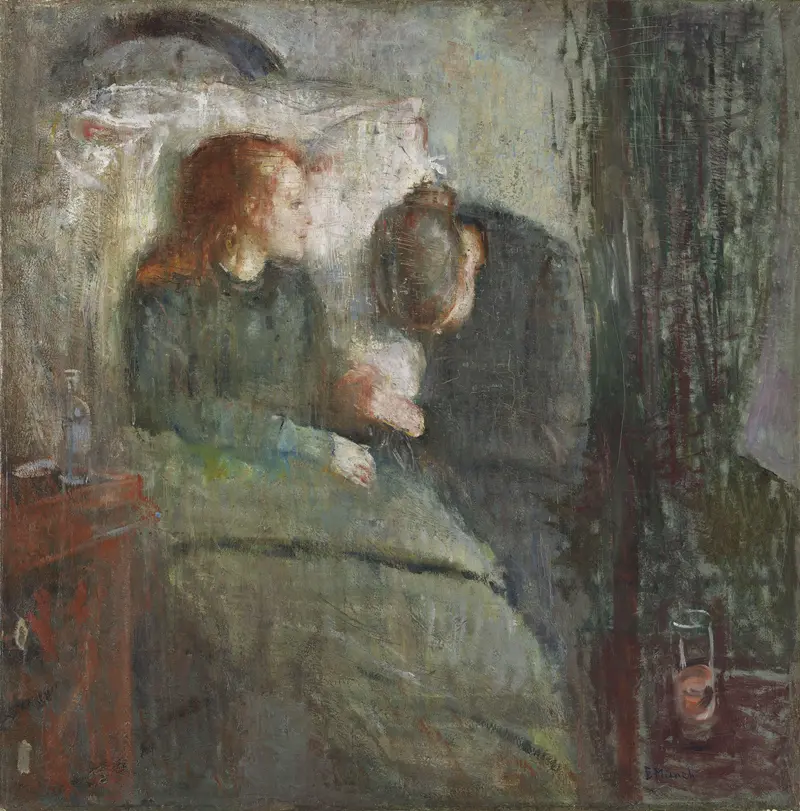
The Sick Child
Edvard Munch
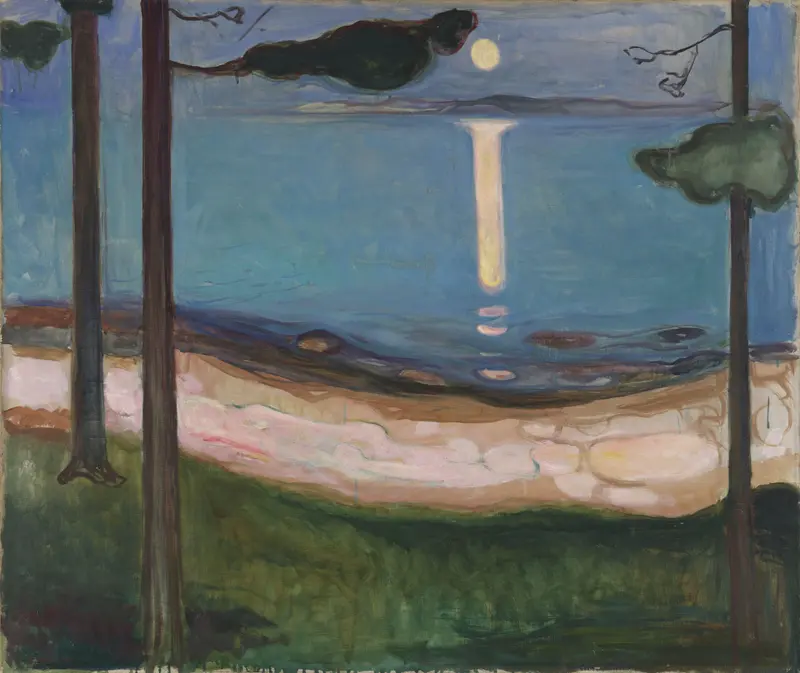
Moonlight
Edvard Munch
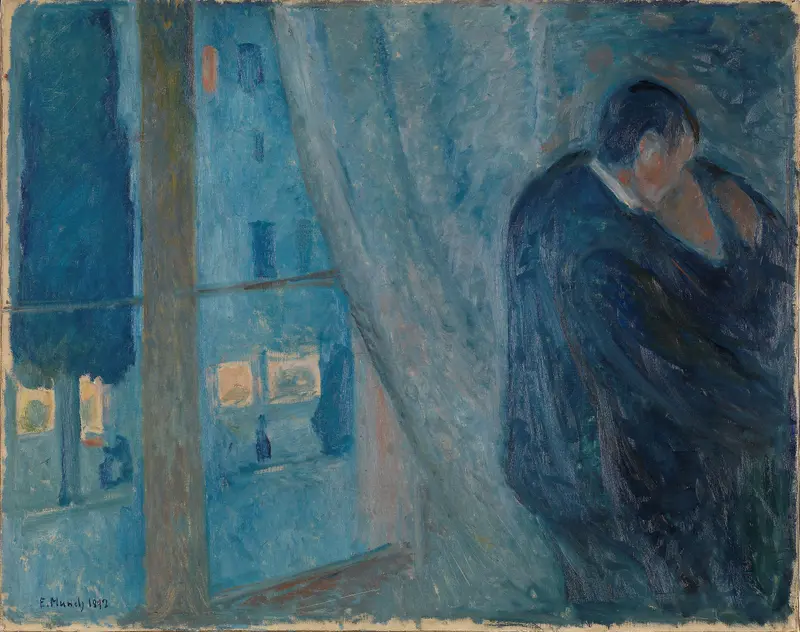
The Kiss
Edvard Munch
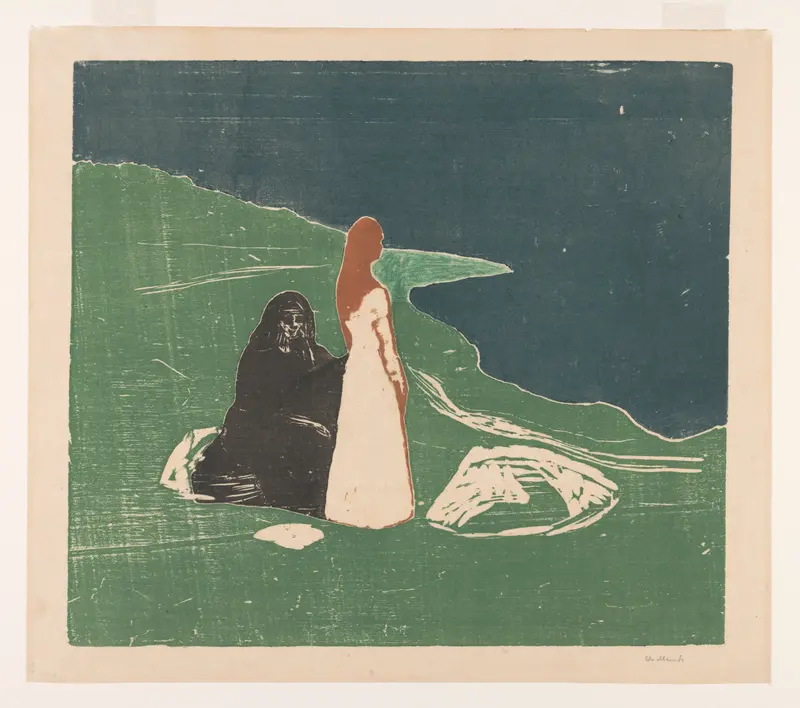
Two Women on the Shore
Edvard Munch
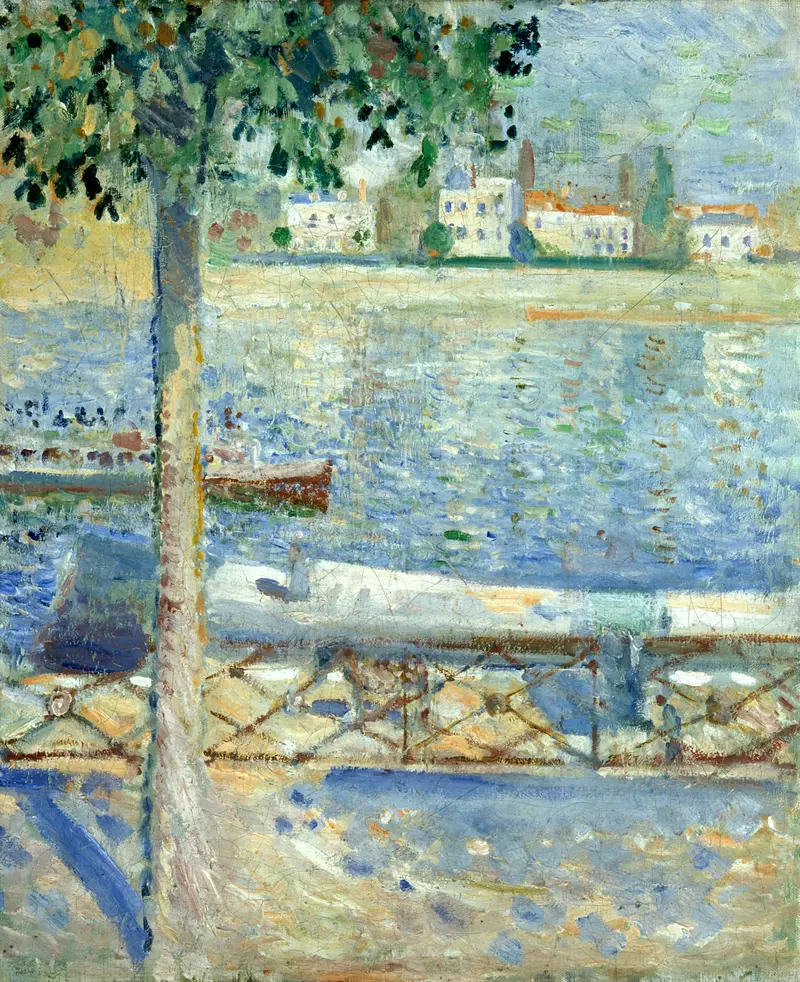
The Seine At Saint-Cloud
Edvard Munch
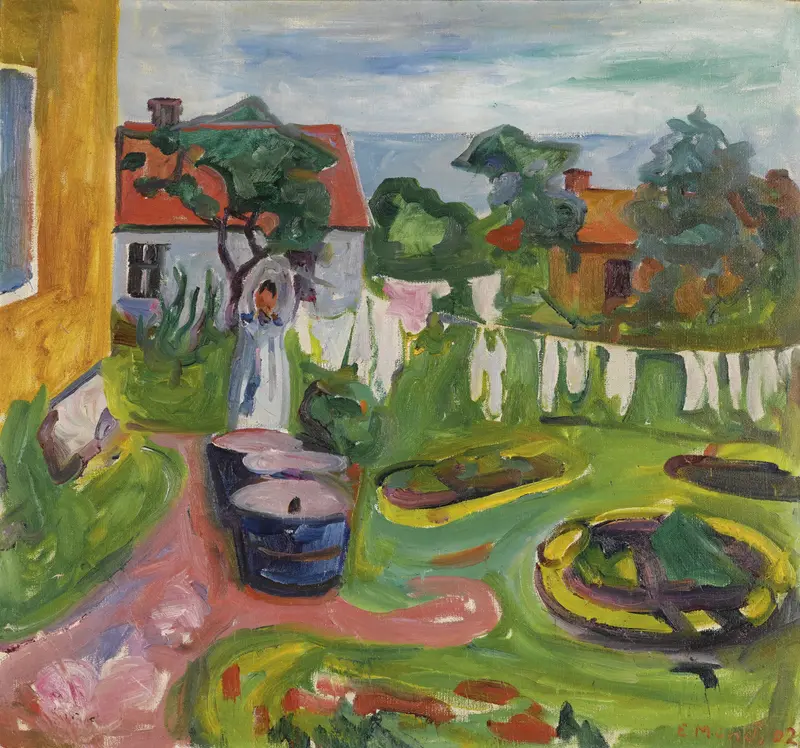
Klestørk I Åsgårdstrand (Clothes On A Line In Åsgårdstrand)
Edvard Munch





