
Sepulchres of the kings of Judah — History & Facts
Can beauty exist without sorrow? In Sepulchres of the Kings of Judah, the delicate interplay of light and shadow evokes a profound sense of balance between reverence and loss. Look to the left at the intricate carvings upon the sepulchres, their ornate details captured with meticulous precision. The warm hues of ochre and gold contrast sharply with the cool shadows enveloping the surrounding stone, creating a visual dialogue that pulls the viewer into the solemnity of the moment. Notice how the gentle light, filtering through an unseen source, highlights the textures of the weathered surfaces, making them appear both timeless and fragile. Beneath the surface, a complex emotional landscape unfolds.
The juxtaposition of the grandeur of the burial sites with their inevitable decay reflects the tension between mortality and legacy. Each sepulchre stands as a testament to the lives once lived, whispering stories of ancient kings while reminding us of the transient nature of power and beauty. This duality invites contemplation on the intricate balance of life and death, love and loss, memory and oblivion. In 1804, Luigi Mayer was immersed in the artistic currents of the Romantic era, characterized by an exploration of emotion and nature.
Living in London after years of travel, he sought to capture the historical grandeur of his subjects while navigating the burgeoning interest in archaeological discoveries. This painting emerged during a time when the world was both fascinated by and grappling with the remnants of past civilizations, reflecting the artist's desire to bridge the beauty of history with the haunting echoes of its demise.
More Artworks by Luigi Mayer
Browse all →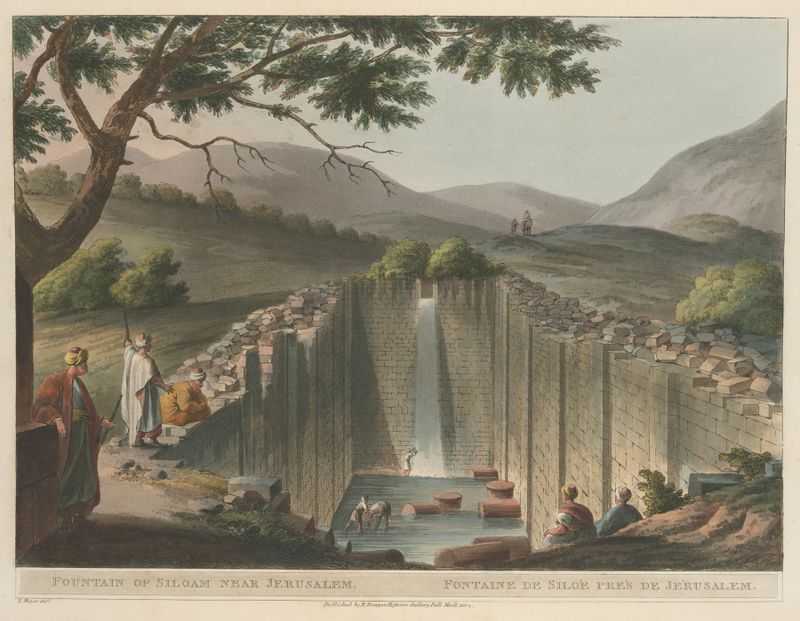
Fountain of Siloam Near Jerusalem
Luigi Mayer

View of the Dardanelles
Luigi Mayer
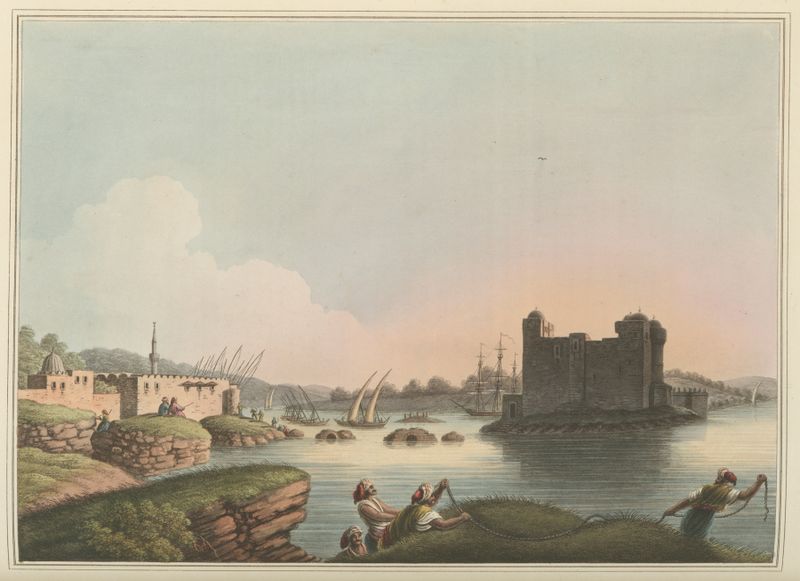
Port of Latachia
Luigi Mayer

Stadium at Ephesus
Luigi Mayer

Ancient Temples at Agrigentum
Luigi Mayer
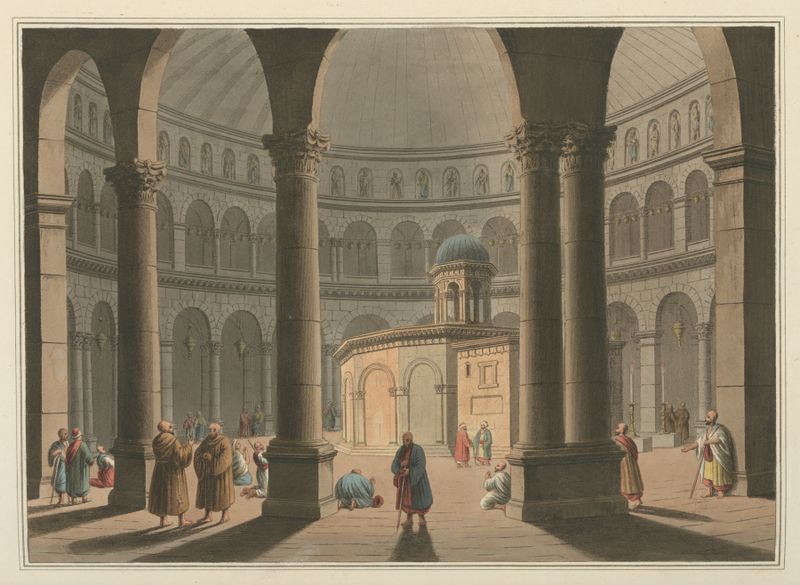
Church of the Holy Sepulchre
Luigi Mayer
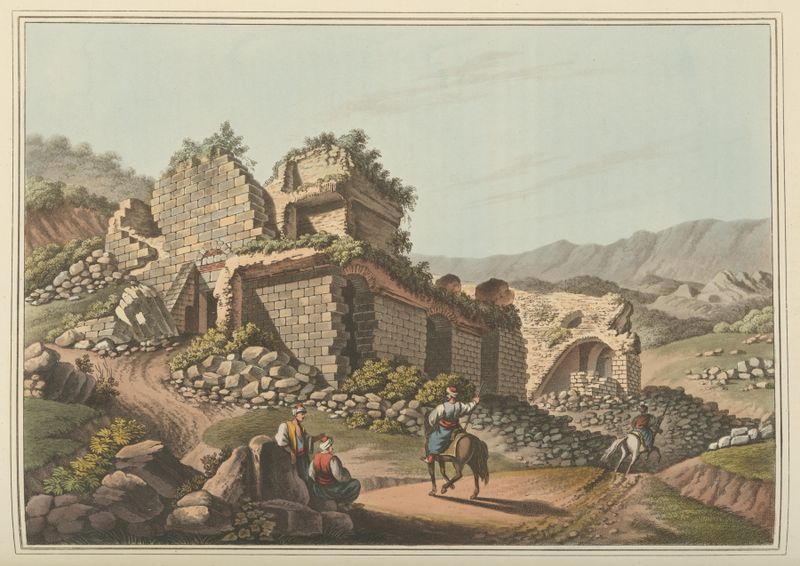
Theatre at Ephesus
Luigi Mayer
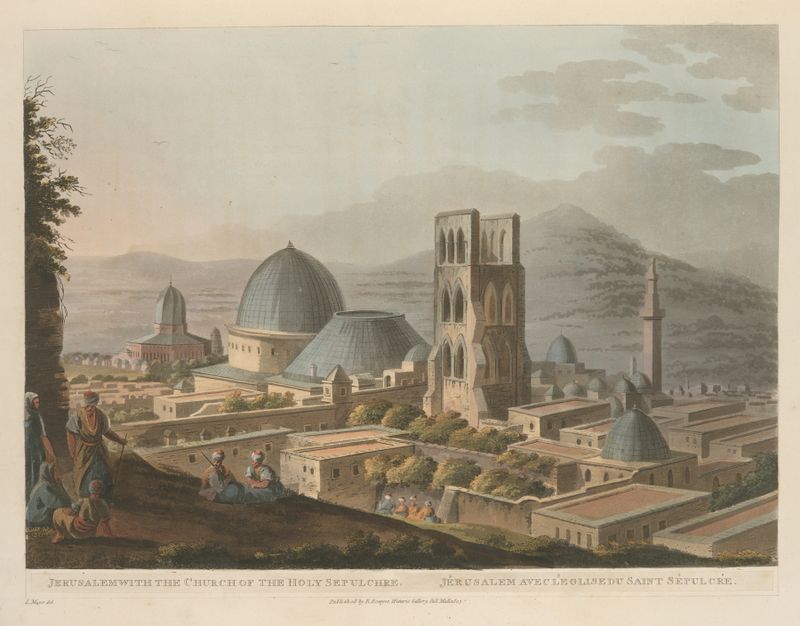
Jerusalem with the Church of the Holy Sepulchre
Luigi Mayer
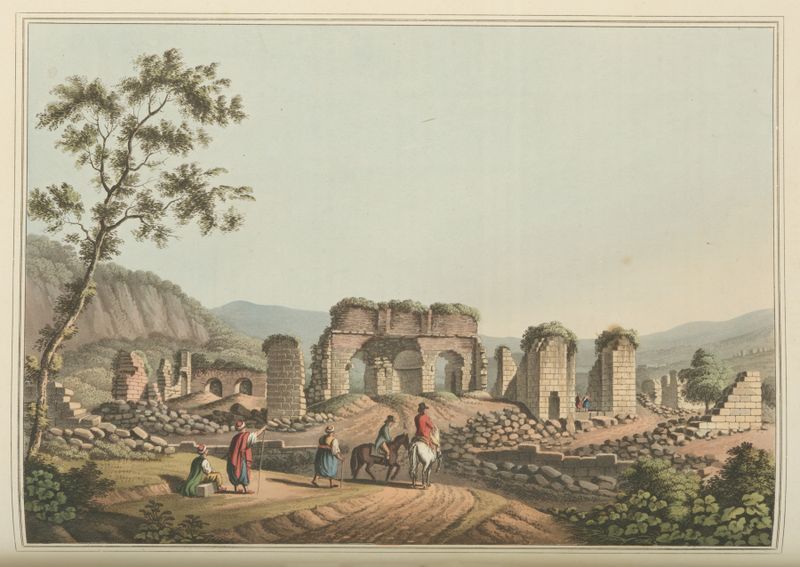
Ruins of the Temple of Diana at Ephesus
Luigi Mayer

Crater in the Island of Volcano
Luigi Mayer
More Historical Art
Browse all →
The Night Watch Militia Company of District II under the Command of Captain Frans Banninck Cocq
Rembrandt van Rijn
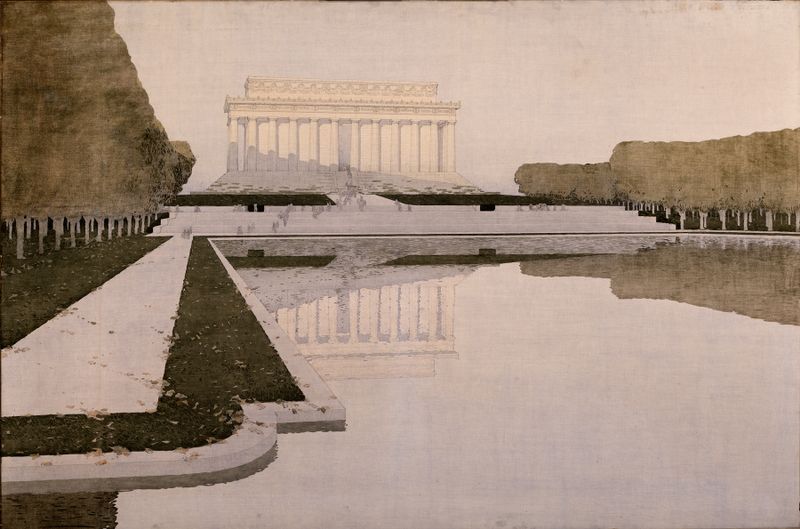
Lincoln Memorial
Henry Bacon
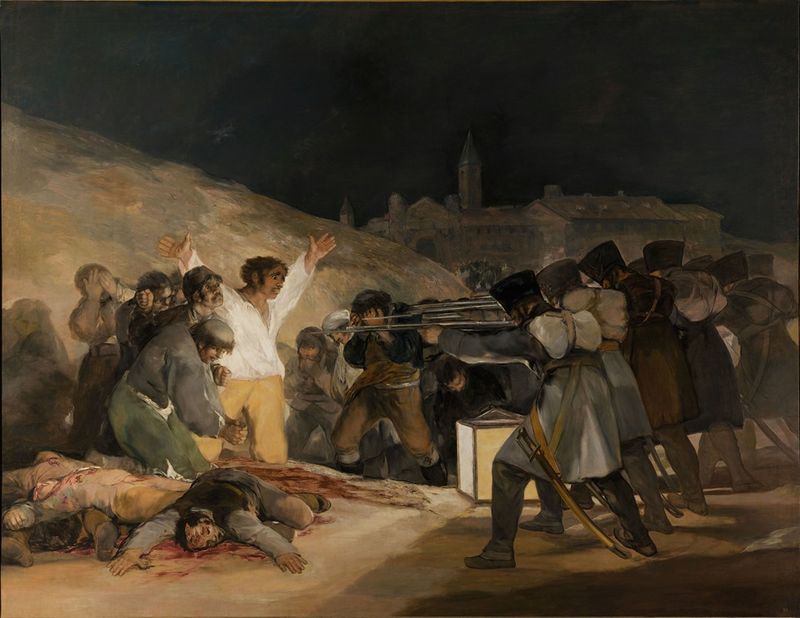
The Third of May 1808
Francisco de Goya

Isaac and Rebecca, Known as ‘The Jewish Bride’
Rembrandt van Rijn

The Charge of the Mamelukes (1814)
Francisco de Goya

De vier ruiters van de apocalyps
Albrecht Dürer