
Severy — History & Facts
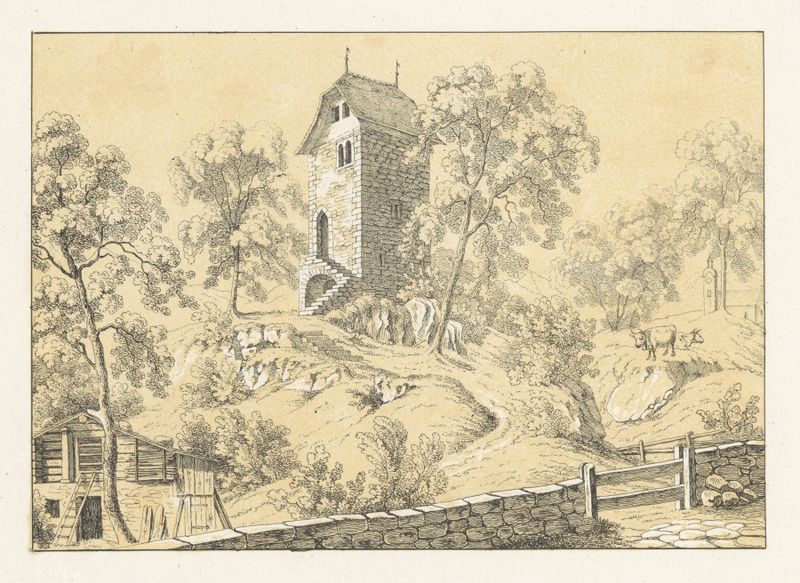
Did the painter know this moment would outlive them? In a world where silence often speaks the loudest, Severy captures a profound stillness that transcends time. Look to the center of the canvas, where a solitary figure stands poised against a horizon that seems to stretch into infinity. The gentle gradient of colors, from muted earth tones to the soft blues of the sky, invites the viewer's gaze deeper into the scene. Notice how the light, diffused and delicate, caresses the figure's features, illuminating the contours of their face while leaving the background in shadow.
This contrast not only emphasizes the isolation of the character but also highlights the overarching theme of solitude. In the folds of the figure's clothing, one can discern the subtle interplay between tension and tranquility, a visual metaphor for the internal struggle between presence and absence. The surrounding emptiness echoes the silence that envelops the scene, suggesting a moment suspended in time. This stark juxtaposition evokes a sense of longing, as if the figure is both part of the landscape and entirely removed from it, creating a poignant connection between humanity and the vastness of existence. Johann Friedrich Wagner painted Severy between 1840 and 1844 during a period marked by burgeoning Romanticism in art.
Living in Germany, Wagner was deeply influenced by the ideals of nature and individual experience, reflecting the emotional depth that characterized his work. This piece emerges from a time of personal exploration and artistic growth, resonating with the broader cultural shifts regarding the human condition and its relationship with nature.
More Artworks by Johann Friedrich Wagner
Browse all →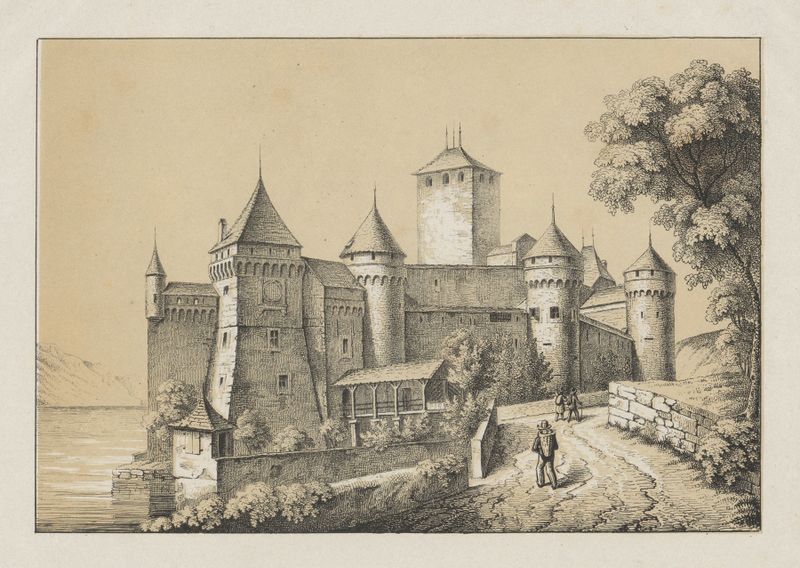
Chillon
Johann Friedrich Wagner

Valangin
Johann Friedrich Wagner
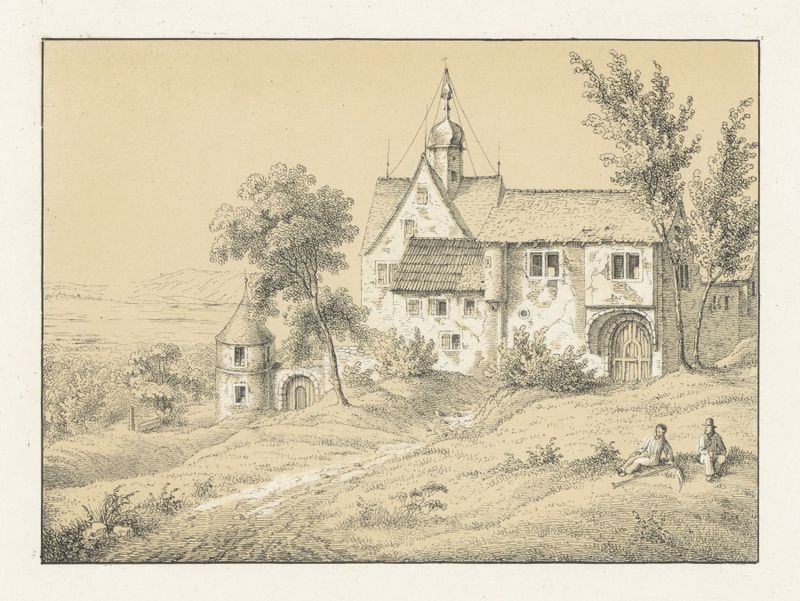
Greifenstein
Johann Friedrich Wagner

Vorburg
Johann Friedrich Wagner
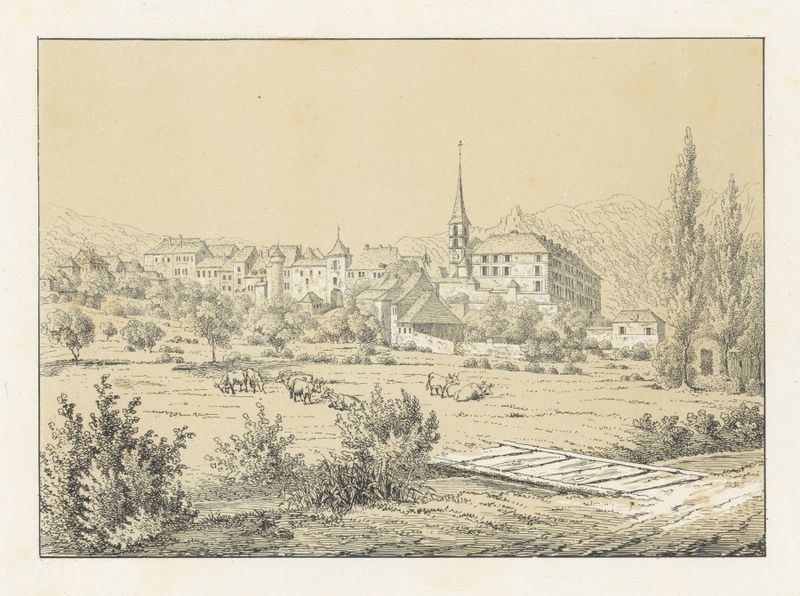
Delémont
Johann Friedrich Wagner

Pleujouse
Johann Friedrich Wagner

Challay
Johann Friedrich Wagner
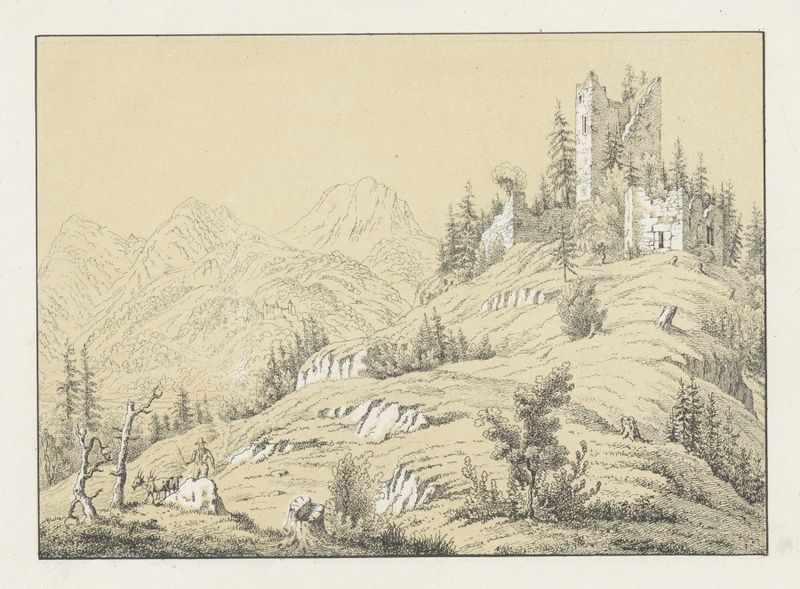
Mont Salvant
Johann Friedrich Wagner
Aha. Od. Untere Burg von Sarnen
Johann Friedrich Wagner
Lausanne
Johann Friedrich Wagner





