
Shipping off Staffa — History & Facts
Where does light end, and longing begin? In that delicate interplay lies the ecstasy of existence captured on canvas. Focus first on the shimmering waters that embrace the rocky shores — they ripple with a vibrancy that seems to pulse with life. Notice how the artist uses a palette of cerulean and emerald greens, creating a dance of light that reflects the sky's gentle hues. The boats, poised against the backdrop of Staffa’s rugged cliffs, draw the eye as they set forth, silhouetted by the soft glow of the setting sun.
This masterful use of light highlights not just the landscape but also the fleeting nature of departure. Within this scene, a deep emotional tension unfolds. The boats symbolize journeys both literal and metaphorical, hinting at adventures yet to be experienced or the bittersweet farewell to familiar shores. The contrasts between the serene water and the jagged cliffs evoke a sense of vulnerability amidst grandeur.
One feels a palpable yearning in the way the light bathes the scene — a promise of joy intertwined with the impending separation. Copley Fielding painted Shipping off Staffa in 1842, during a period when British Romanticism was influencing the artistic landscape, embracing nature’s sublime beauty. At this time, he was captivated by the natural world, having dedicated his career to landscapes that marry realism with emotional resonance. As he crafted this piece, his keen observation of light and atmosphere reflected the growing Romantic ideals, where personal experience and nature’s magnificence became inseparable.
More Artworks by Copley Fielding
Browse all →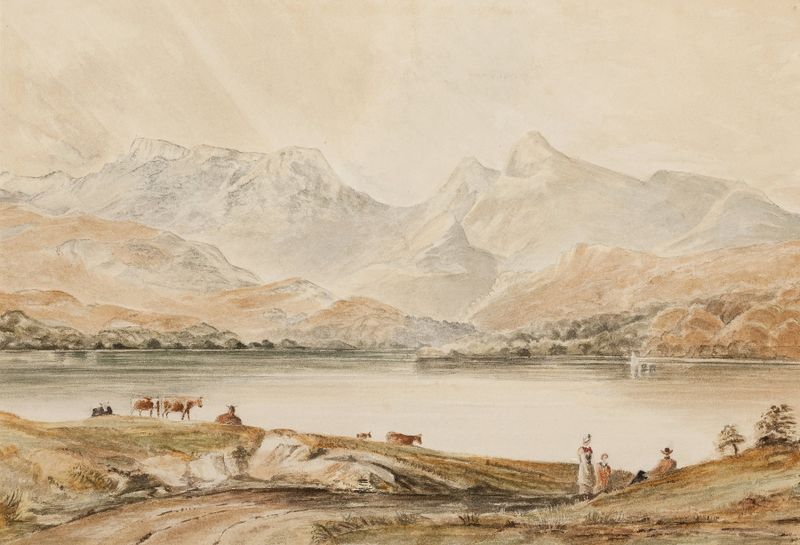
Loch Awe, Scotland
Copley Fielding
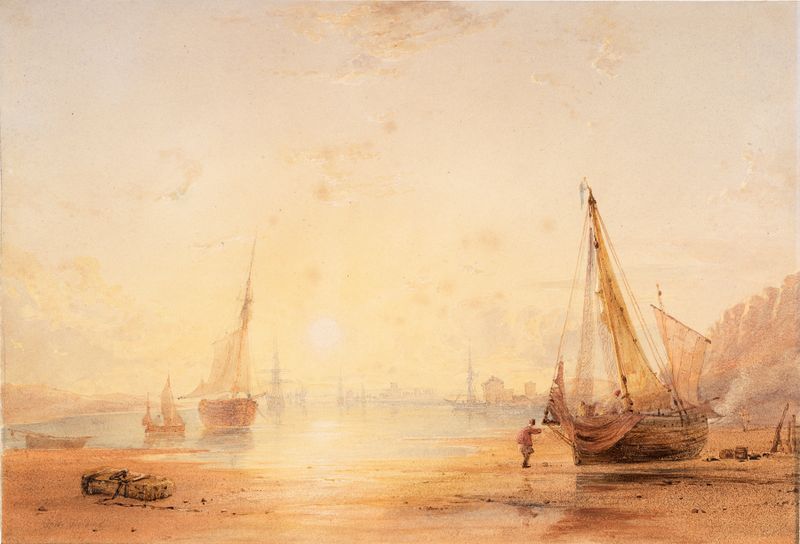
Shoreham Harbour, Sussex
Copley Fielding

Crowborough Hill
Copley Fielding
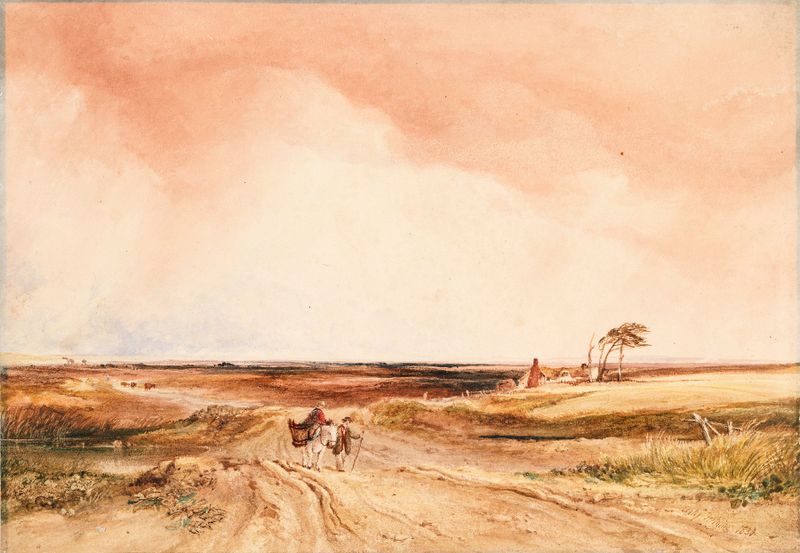
The Wash of Cumberland (Cumbria)
Copley Fielding
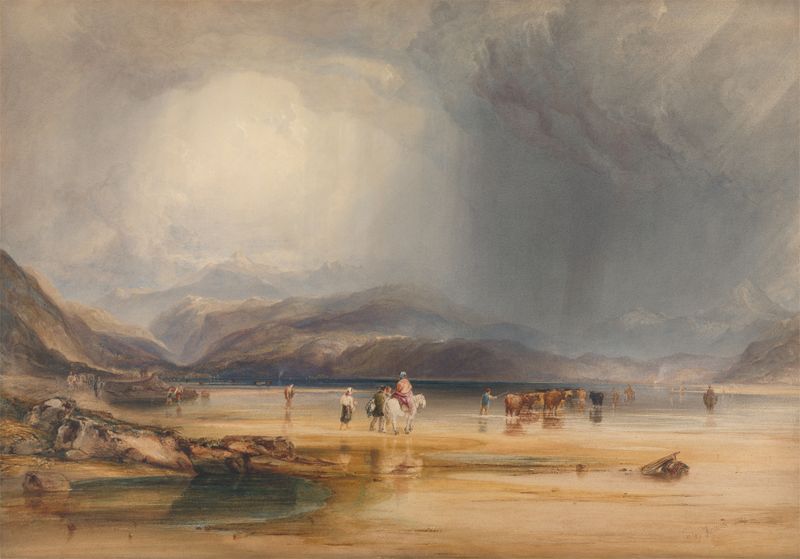
A View of Snowdon from the Sands of Traeth Mawr, taken at the Ford Between Pont Aberglaslyn and Tremadoc
Copley Fielding
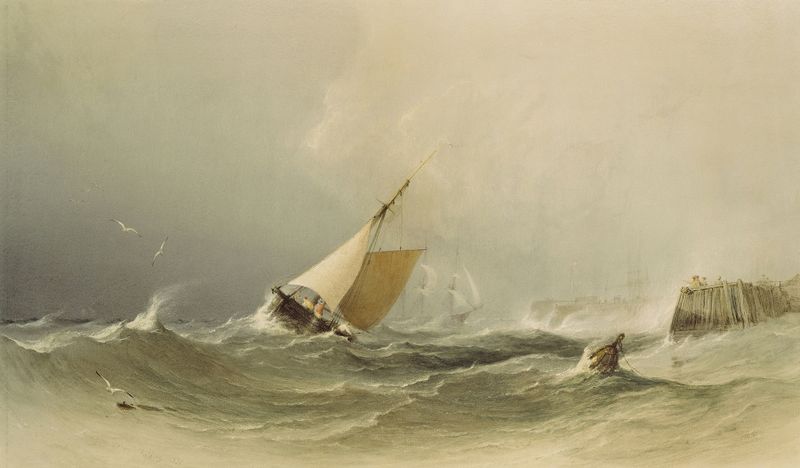
Bridlington Harbour
Copley Fielding
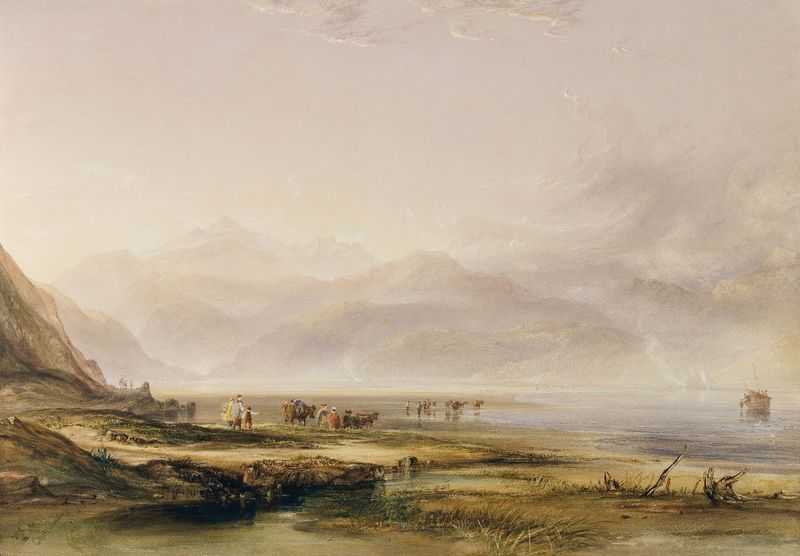
Traeth Mawr
Copley Fielding

The Head of Glencoe, North Argyll, Scotland
Copley Fielding
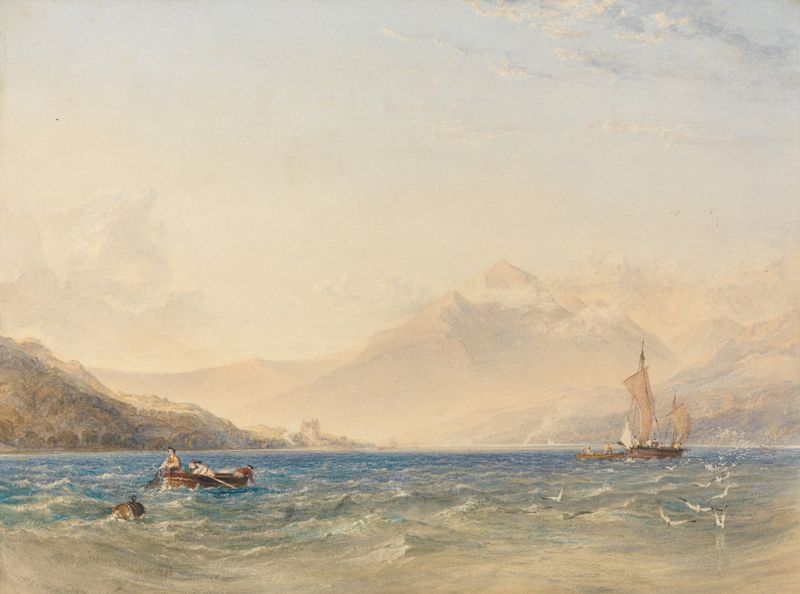
The Head of Loch Fyne, with Dindarra Castle
Copley Fielding
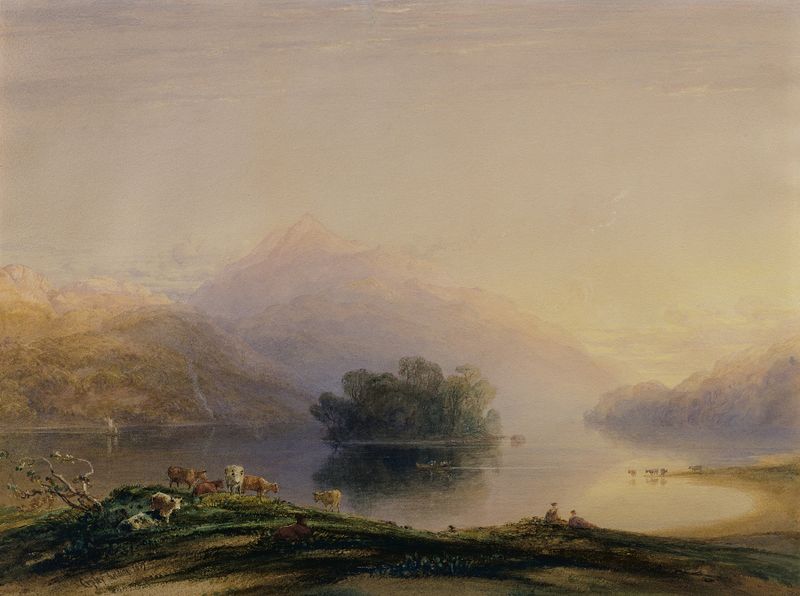
Loch Katrine
Copley Fielding





