
Shipping on the Clyde — History & Facts
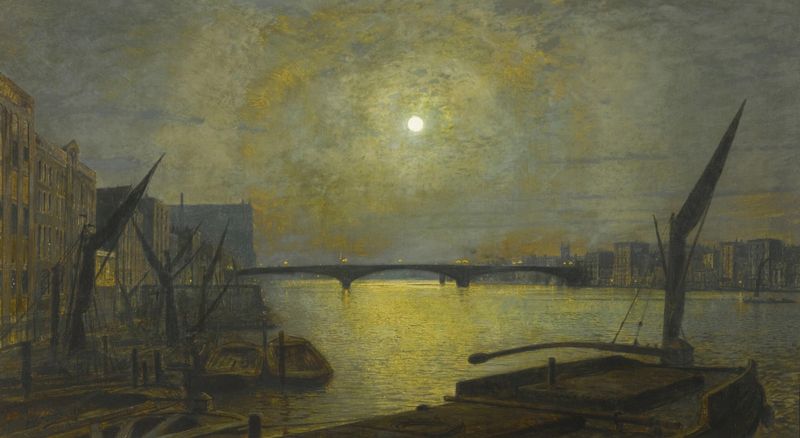
Could beauty survive in a century of chaos? The juxtaposition of tranquility and turmoil often unravels in the works of artists like Grimshaw, where light plays both the hero and the betrayer. Focus on the soft glow emanating from the distant ships, their silhouettes gently outlined against the twilight sky. The subtle blues and grays of the water contrast with the warm amber of the gaslights, inviting our gaze to dance along the surface. Notice how the reflections ripple in the water, creating an almost dreamlike quality that suggests deeper currents of emotion beneath the serene facade.
Each brushstroke seems to whisper secrets of the Clyde, a lifeblood for industry wrapped in an aura of melancholy. Hidden within this tranquil scene lies a tension of industrial progress and the inevitable betrayals of nature and humanity. The ships, proud and poised, are symbols of both commerce and exploitation—the lifeblood they carry comes with sacrifices that are often overlooked. This duality creates an emotional resonance, urging the viewer to consider the beauty of the moment while acknowledging the weight of the stories left unsaid. In 1881, Grimshaw painted this scene amidst a time of great change in England.
The Industrial Revolution was transforming landscapes and lives, and the artist sought to capture the delicate balance between man’s achievements and nature’s response. Living in Leeds, he was inspired by the industrial scenes of his surroundings, yet he infused them with a sense of romanticism that spoke to the heart of a society grappling with its own complexities.
More Artworks by John Atkinson Grimshaw
Browse all →
Under the Silvery Moonbeams
John Atkinson Grimshaw
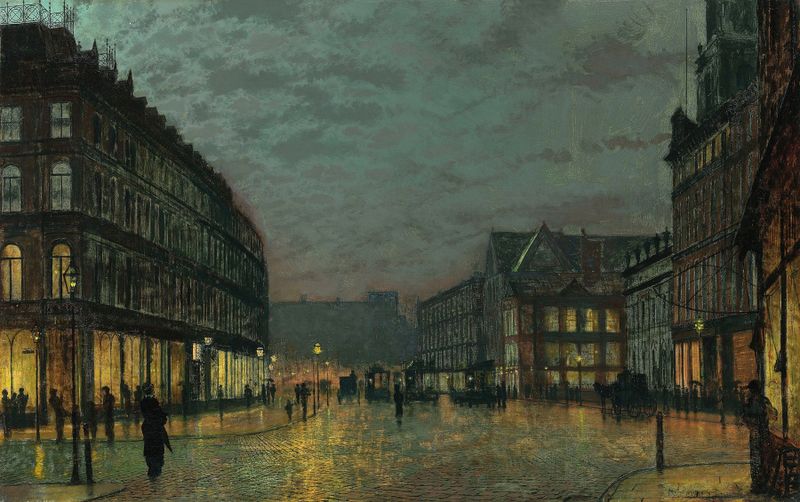
Boar Lane, Leeds by lamplight
John Atkinson Grimshaw
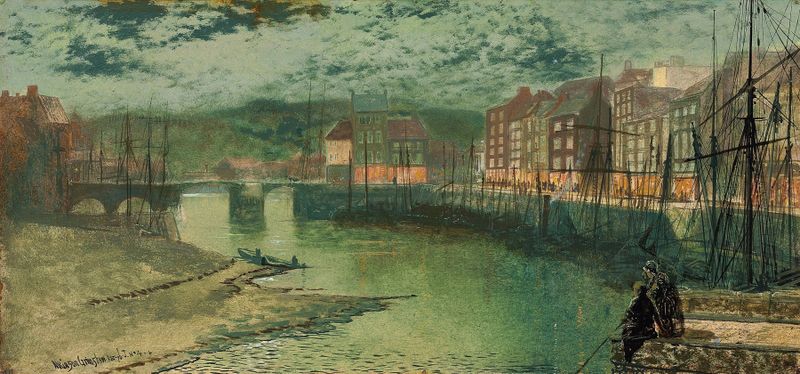
Whitby docks
John Atkinson Grimshaw

Old Chelsea
John Atkinson Grimshaw

Late October
John Atkinson Grimshaw
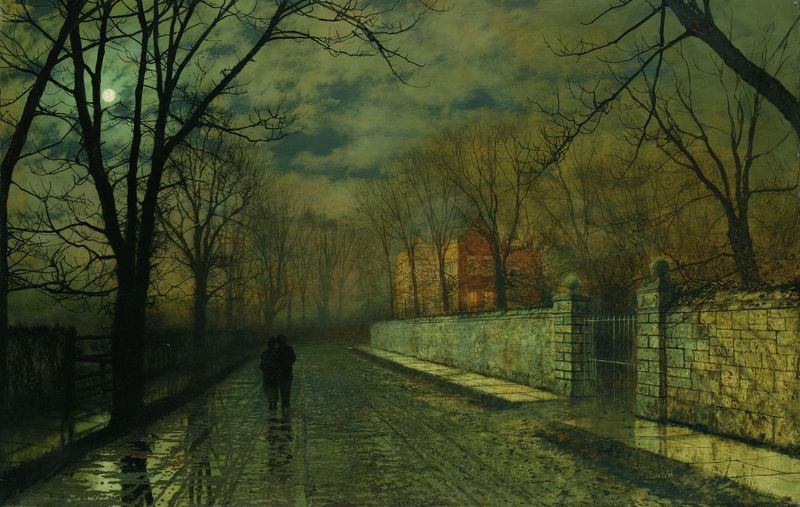
Figures In A Moonlit Lane After Rain
John Atkinson Grimshaw

Liverpool Lights
John Atkinson Grimshaw
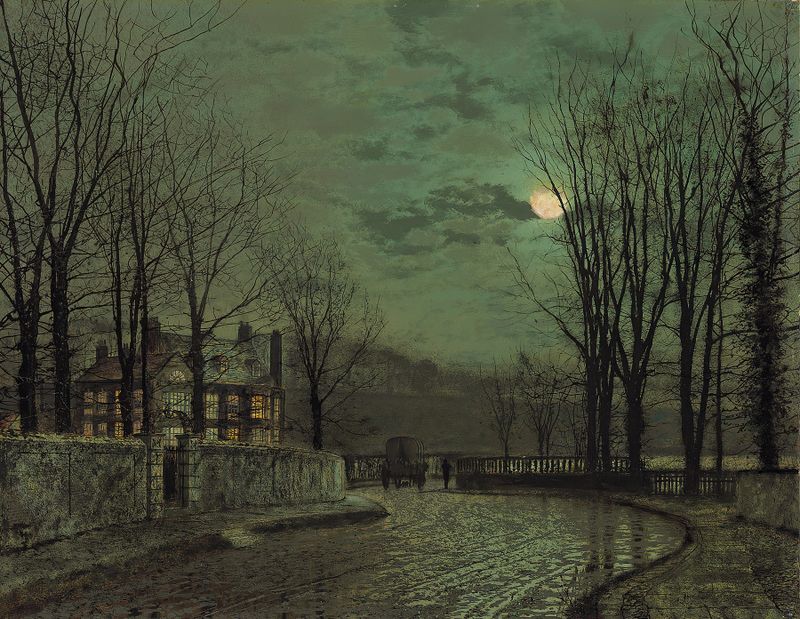
November Moonlight
John Atkinson Grimshaw
Southwark Bridge from Blackfriars by Moonlight
John Atkinson Grimshaw

Whitby From Scotch Head, Moonlight On The Esk
John Atkinson Grimshaw





