
Ships in the Ice — History & Facts
In the delicate balance of nature, fragility lies hidden beneath layers of ice and water. Focus on the foreground, where fragmented icebergs jut out like ancient sentinels, their crystalline surfaces catching the pale light. Notice how Breitner employs a muted palette, blending blues and whites with strokes that convey both movement and stillness. The ships, seemingly dwarfed by the surrounding ice, are painted with meticulous detail, drawing the eye toward their sails that flutter like whispers in the cold air. The juxtaposition of the sturdy vessels against the ephemeral ice speaks to the transient nature of life.
Each iceberg is a reminder of the delicate equilibrium in the world, while the ships symbolize human endeavor, boldly navigating an unpredictable landscape. The artist captures a moment where strength and vulnerability coexist, evoking a profound recognition of our place in the natural world. In 1901, at a time when marine art was evolving, Breitner was exploring the interplay of light and texture in his work. Living in the Netherlands, he was influenced by the changing tides of Impressionism and sought to translate that into his own unique expression.
This painting reflects not only his artistic exploration but also a deeper commentary on the resilience required to confront nature’s unpredictable forces.
More Artworks by George Hendrik Breitner
Browse all →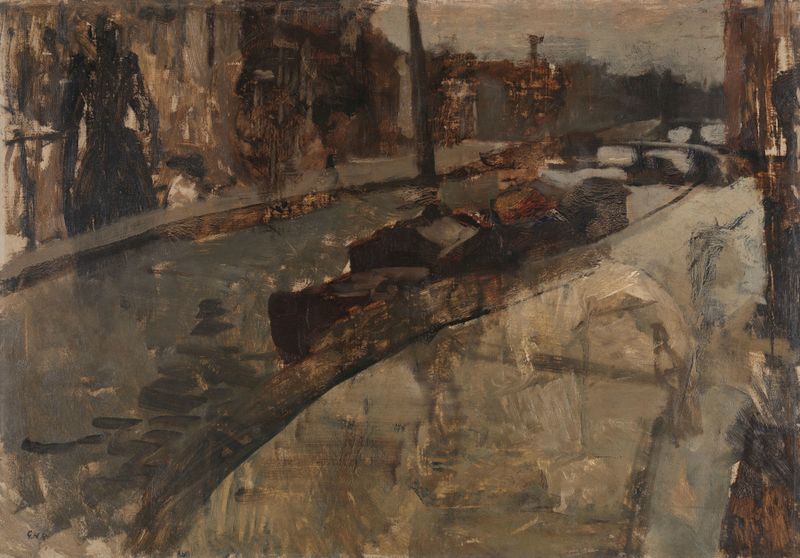
Prinsengracht near Lauriergracht, Amsterdam
George Hendrik Breitner
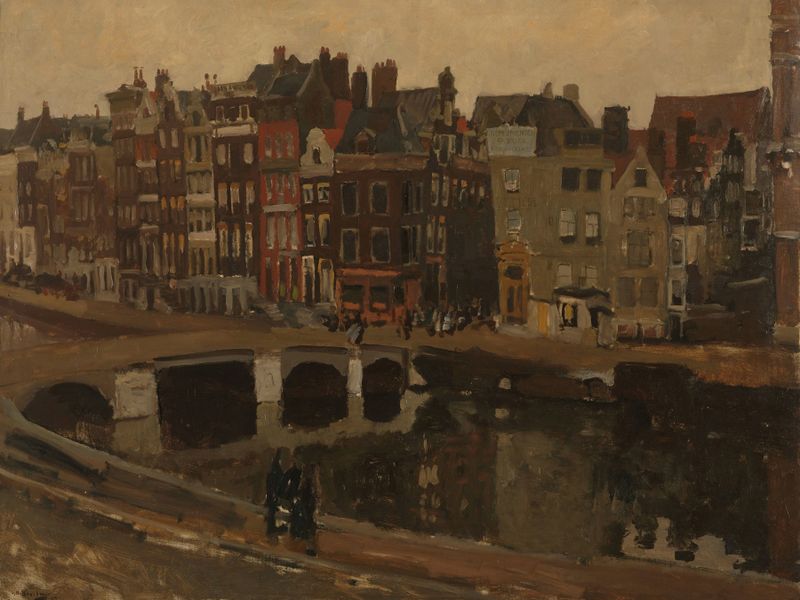
The Rokin, Amsterdam
George Hendrik Breitner

The Rokin, Amsterdam
George Hendrik Breitner
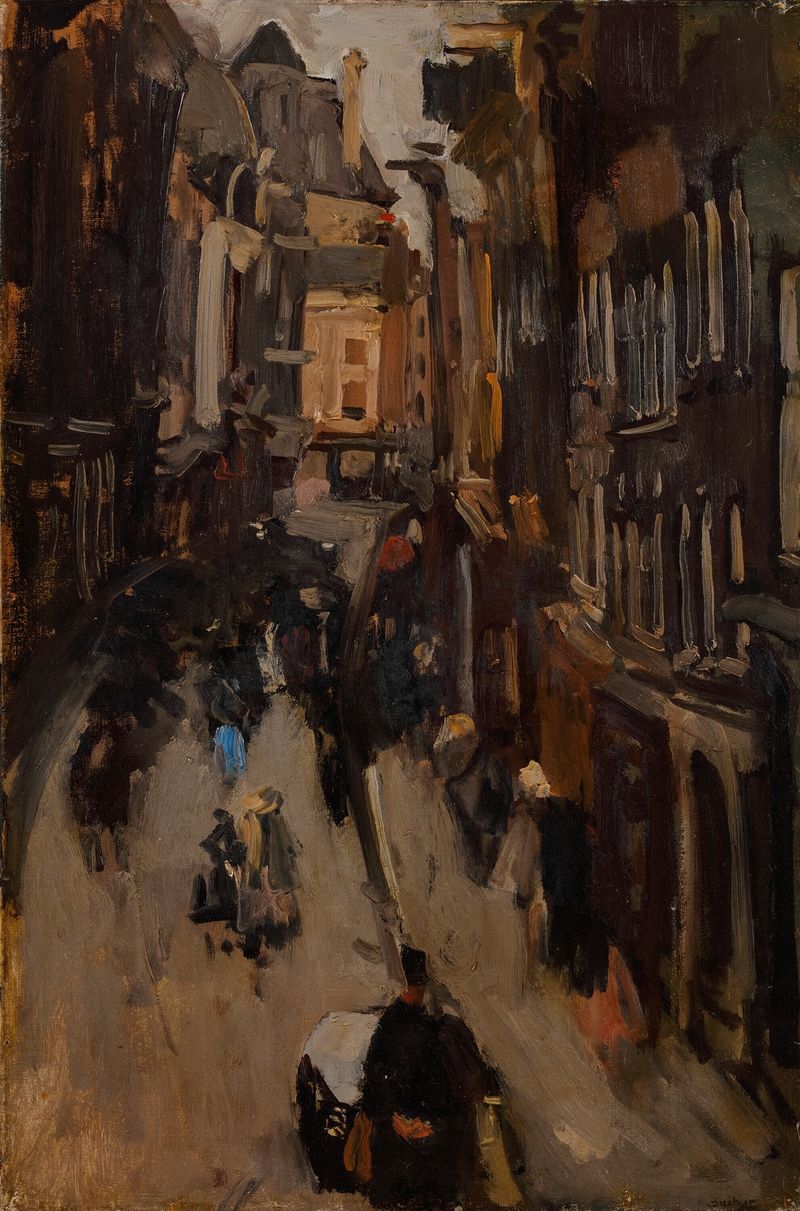
A busy day in the Kalverstraat, Amsterdam
George Hendrik Breitner

The Damrak, Amsterdam
George Hendrik Breitner
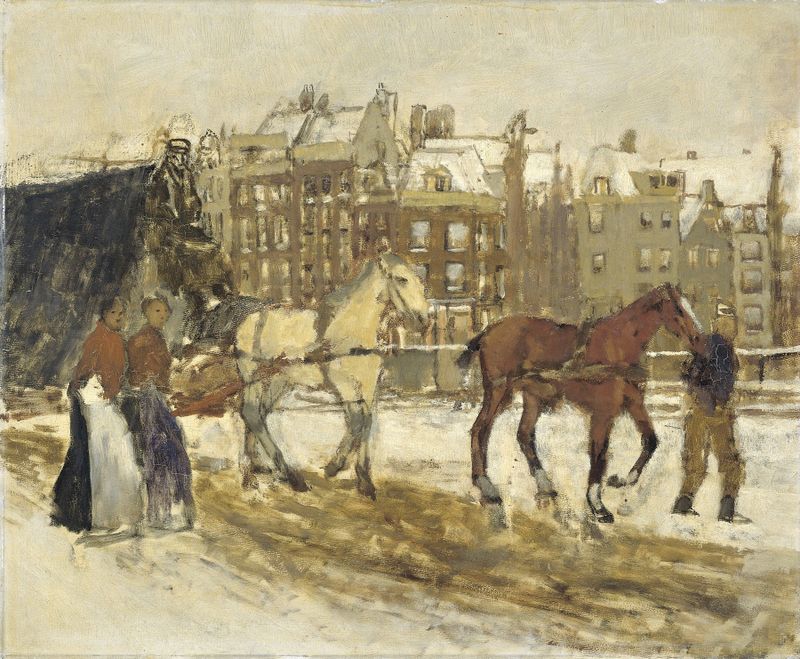
The Rokin, Amsterdam
George Hendrik Breitner

The Baanbrugsteeg looking from the Haarlemmerdijk towards the Vinkenstraat and the Brouwersgracht
George Hendrik Breitner

The Leidsegracht, Amsterdam
George Hendrik Breitner
The Rokin
George Hendrik Breitner

Gezicht op de Dam
George Hendrik Breitner





