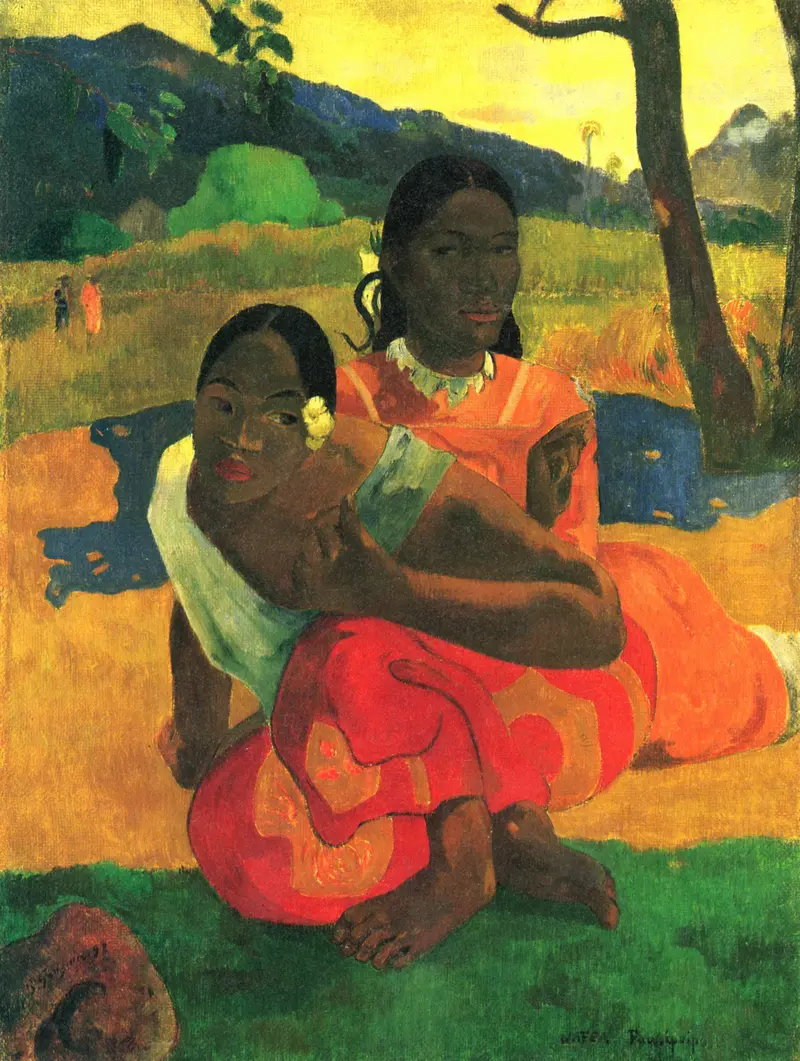
Shopgirl — History & Facts
A single figure in a wash of orange stands out against the gloom, drawing the eye to a moment of quiet commerce that feels almost secretive. The world around her is built from shadows and suggestion: a shopfront, perhaps, or a market stall, its goods reduced to flickers of yellow and blue, as if remembered in a dream. The light is sparse, but it carves out just enough space for the viewer to sense the presence of another customer, or perhaps a passerby, half-swallowed by the darkness.
Every brushstroke is pared down, every form distilled to its essence; the scene is less about what is sold than about the hush and solitude of the night. Shopgirl belongs to that late nineteenth-century fascination with the city at dusk, when gaslight and fog transformed familiar streets into places of mystery. Between 1880 and 1900, artists like James McNeill Whistler turned to such moments, finding poetry in the ordinary and the overlooked. These works were rarely grand commissions; more often, they were painted for collectors who prized atmosphere and mood over narrative detail.
Today, this painting rests in the Hermitage Museum, a quiet testament to a world where the boundaries between figure and city, work and reverie, dissolve into the night. Let your gaze linger on the shadows—what else might be waiting there?
More Artworks by James McNeill Whistler
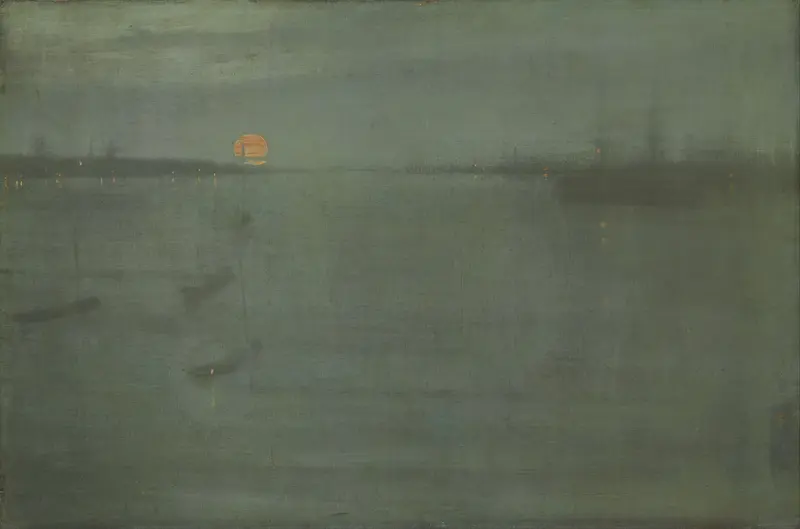
Nocturne: Blue and Gold—Southampton Water
James McNeill Whistler
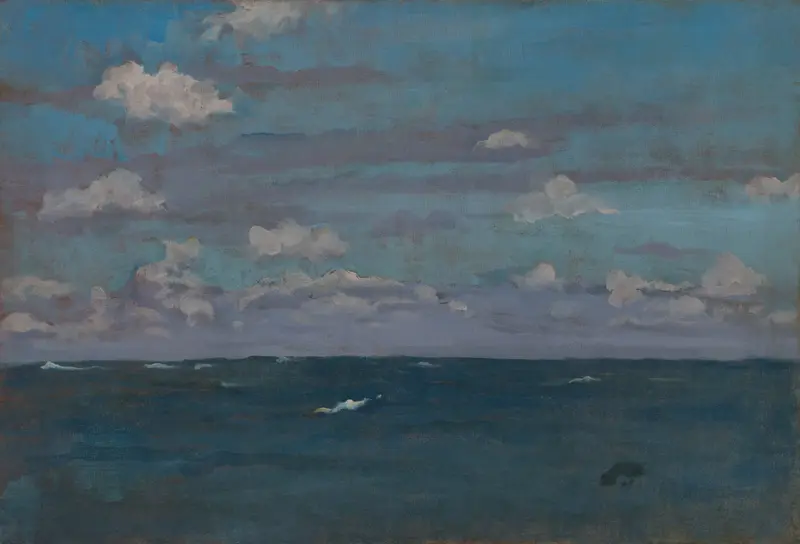
Violet and Silver—The Deep Sea
James McNeill Whistler
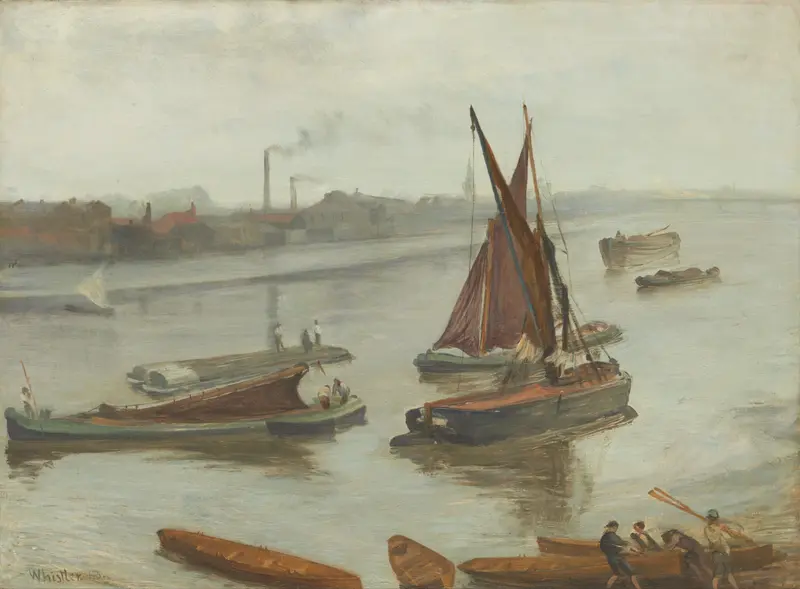
Grey and Silver: Old Battersea Reach
James McNeill Whistler
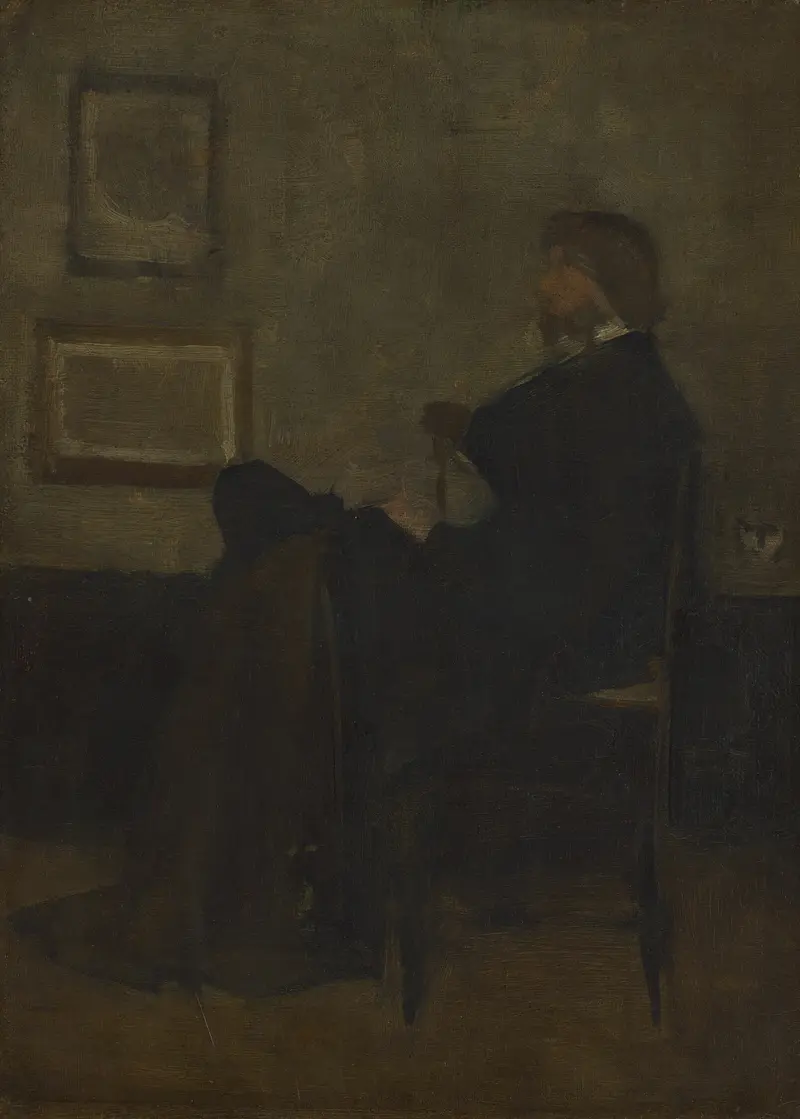
Study for "Arrangement in Grey and Black, No. 2: Portrait of Thomas Carlyle"
James McNeill Whistler
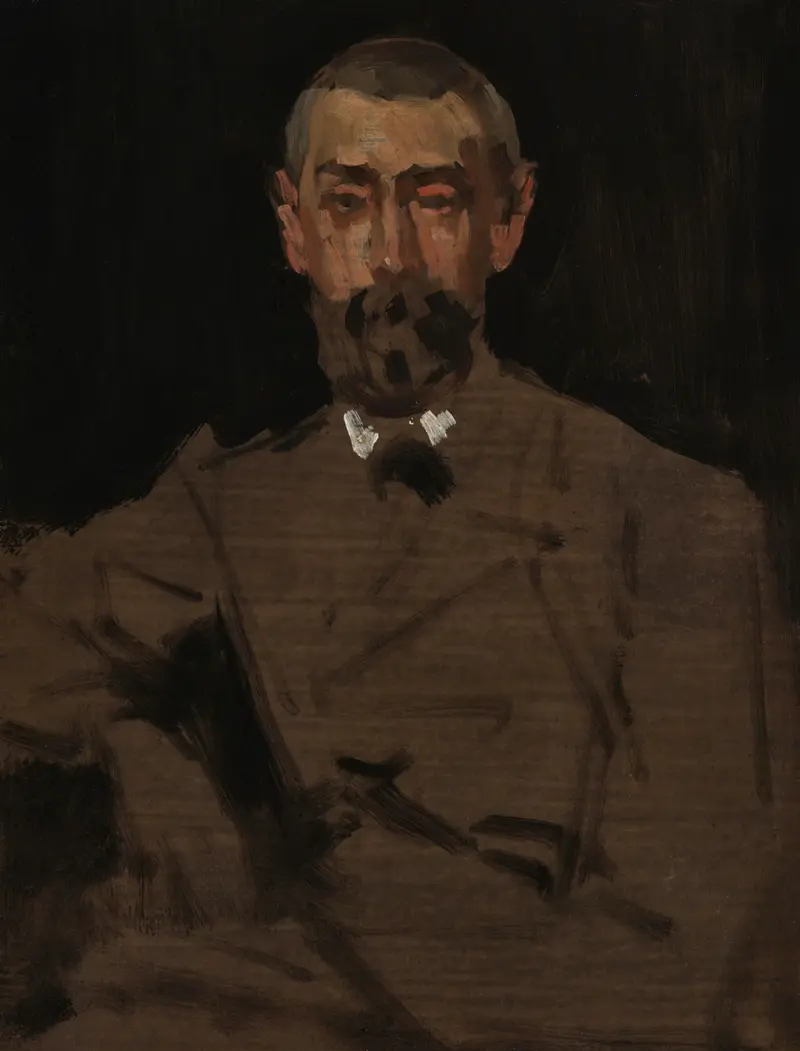
Portrait of M. R. Elden
James McNeill Whistler
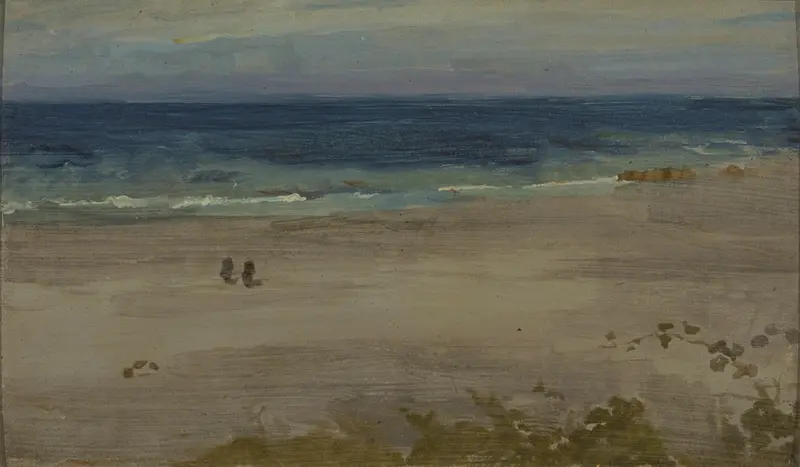
The Blue Sea
James McNeill Whistler
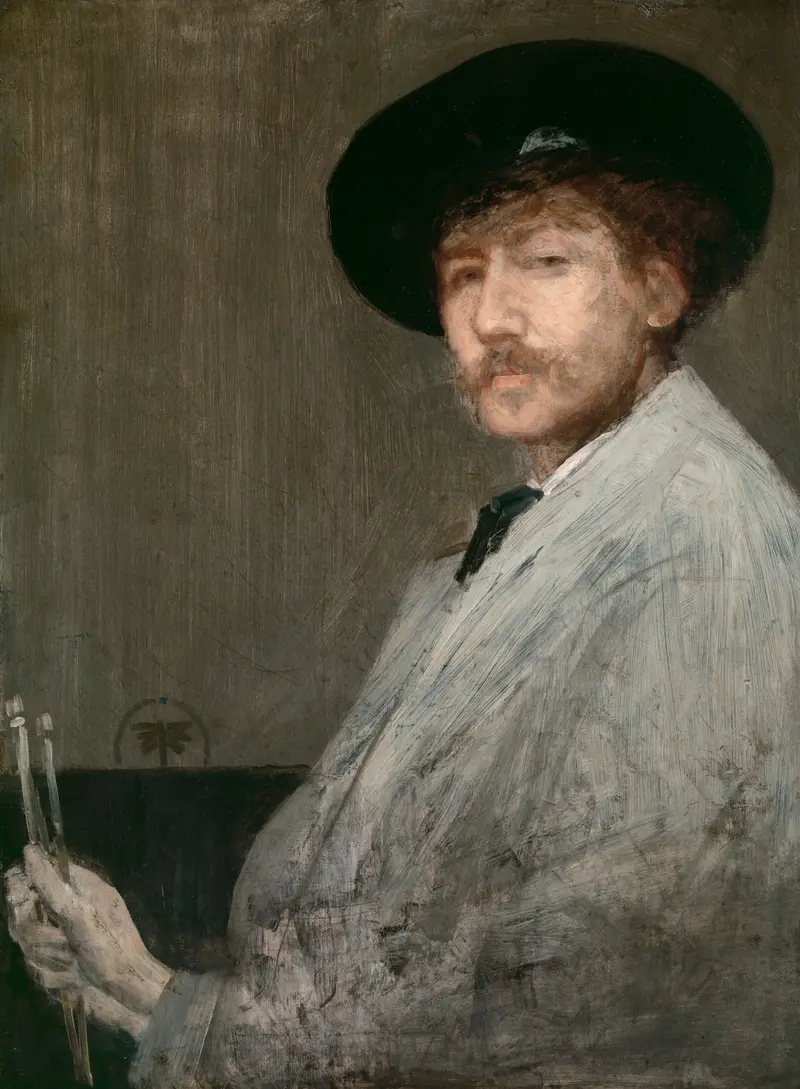
Arrangement in Gray: Portrait of the Painter
James McNeill Whistler
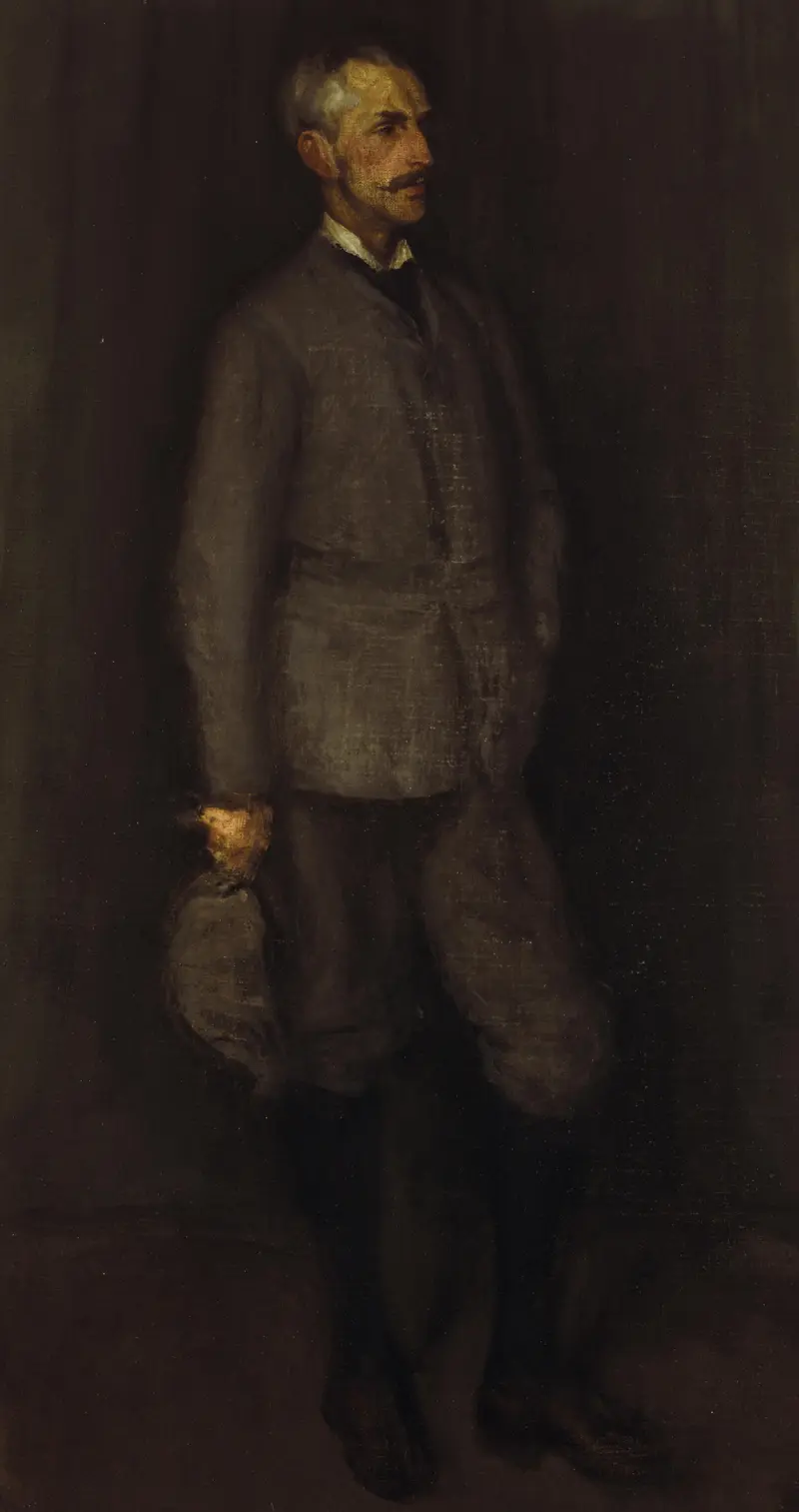
Arrangement in Grey and Green. Portrait of John James Cowan
James McNeill Whistler
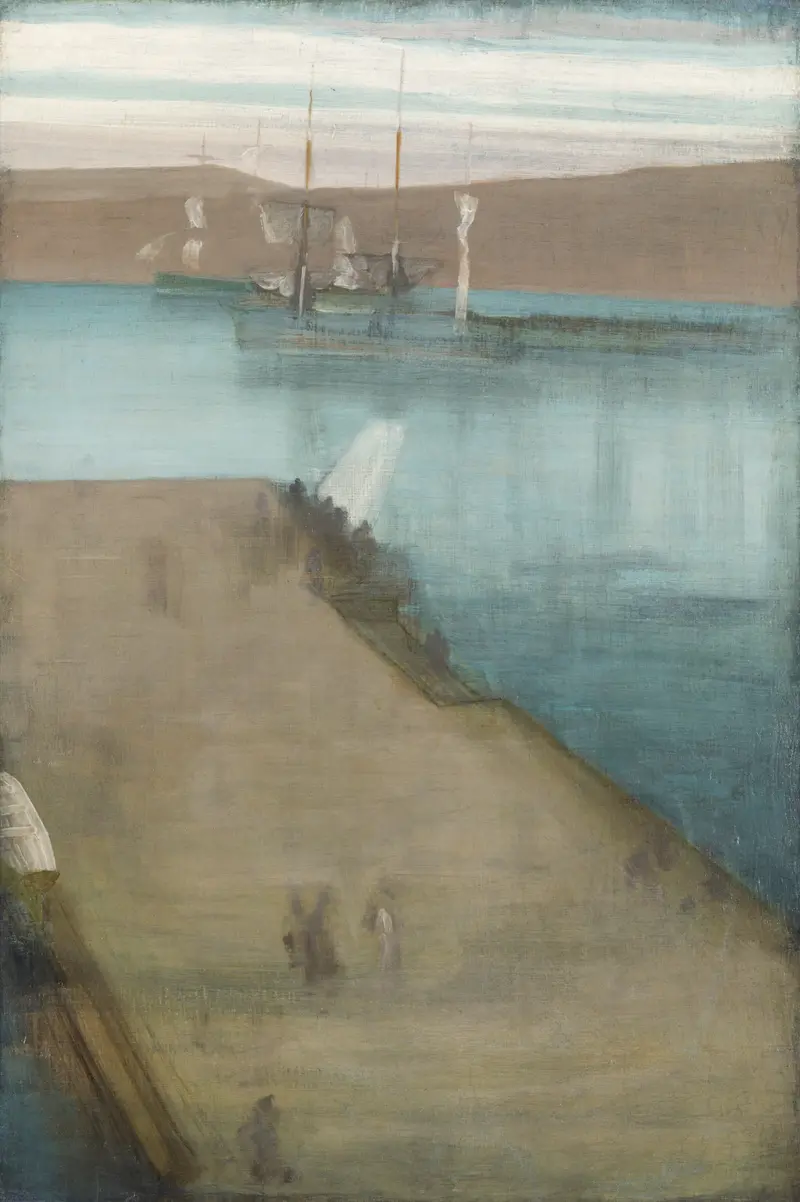
Valparaiso Harbor
James McNeill Whistler
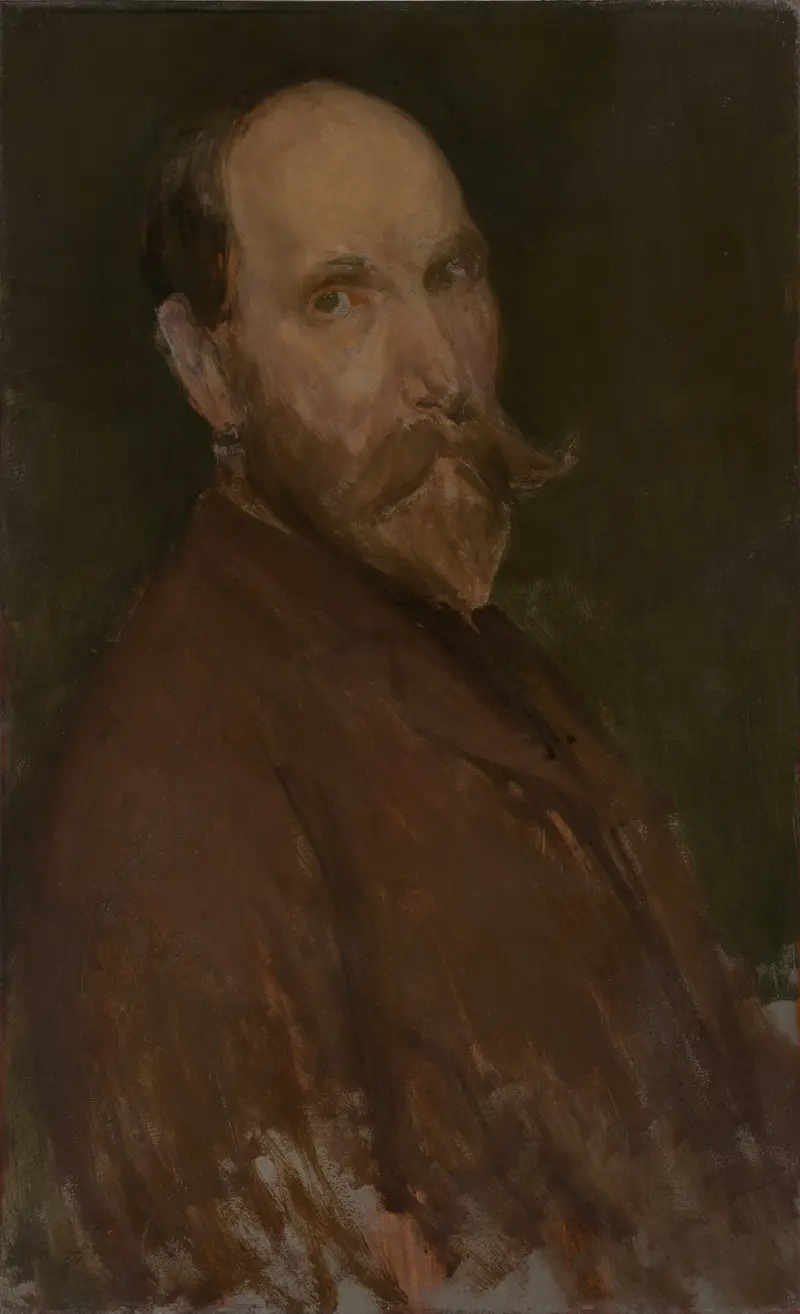
Charles Lang Freer
James McNeill Whistler