Shrine in a park (Duboj) — History & Analysis
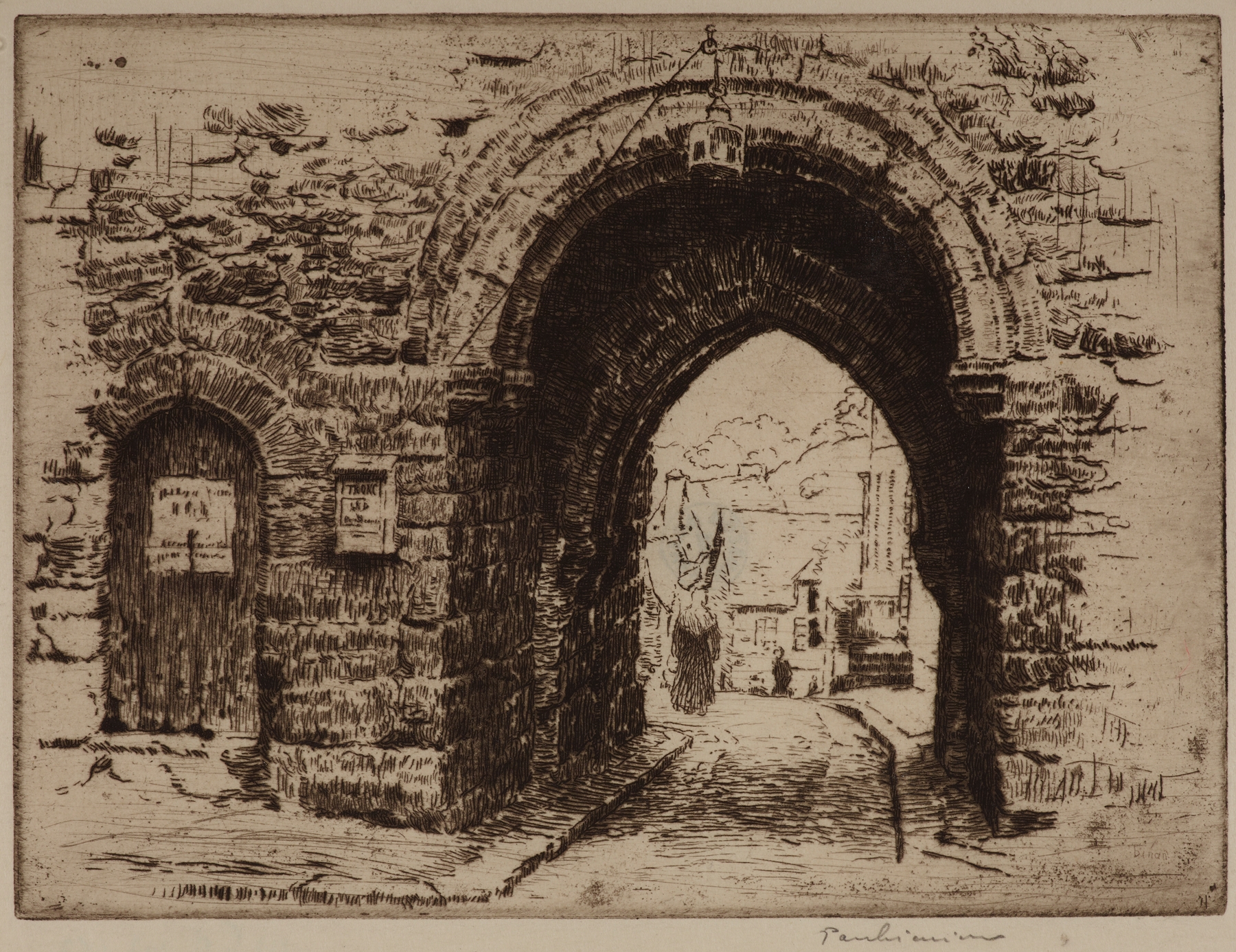
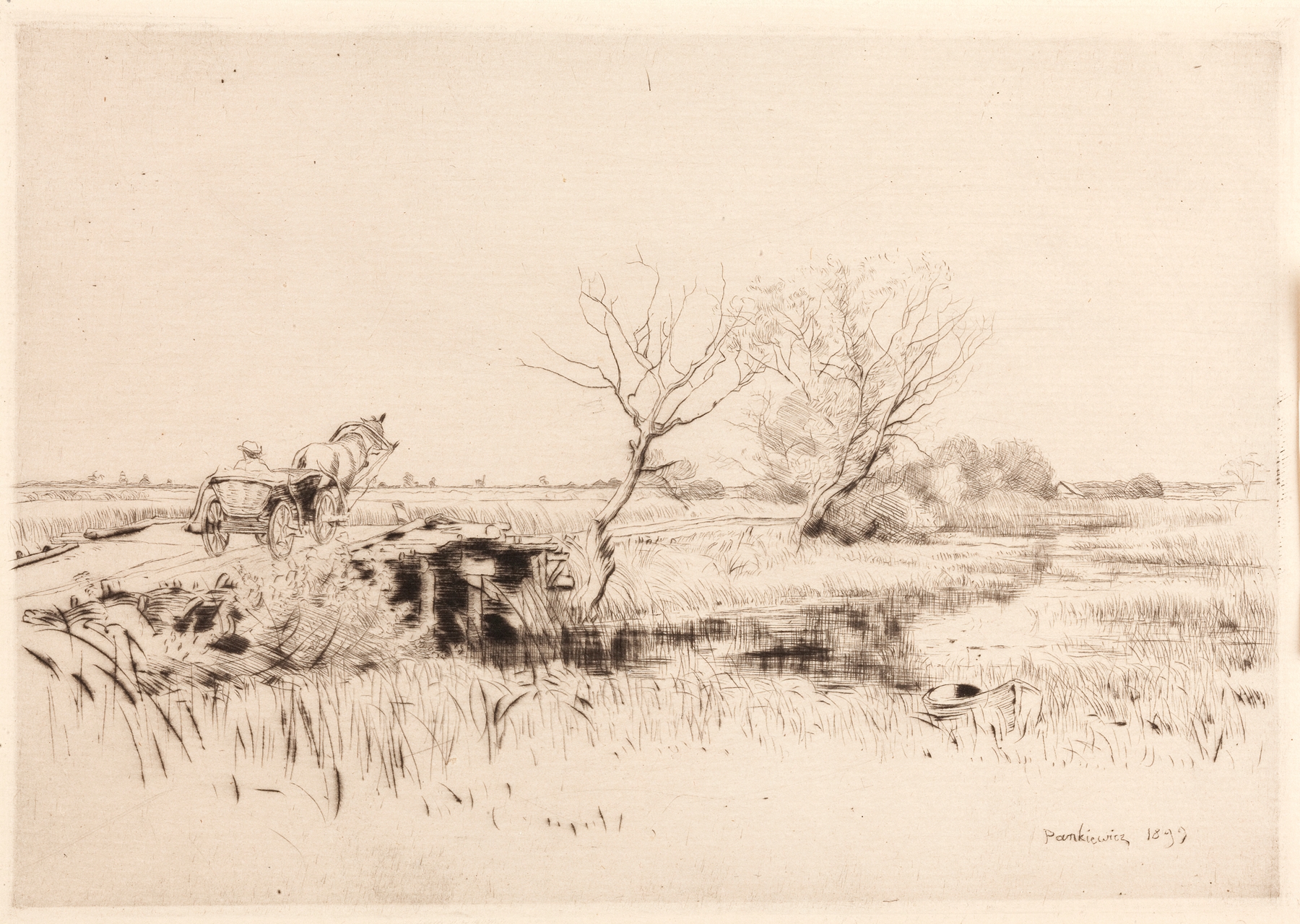
“The canvas doesn’t lie — it simply waits.” In the stillness of memory, where grief lingers like a shadow, a shrine emerges as a testament to loss and remembrance. Look to the center of the painting, where the shrine stands proud against a backdrop of gentle greenery. Notice how the muted earth tones of the structure contrast with the vibrant hues of the surrounding park, creating a focal point that draws the eye. The dappled light filtering through the leaves bathes the scene in a soft glow, hinting at the passage of time and the weight of sorrow.
Delicate brushwork captures the texture of the grass and the meticulous details of the shrine, inviting the viewer to step closer and engage with the emotions contained within. As you explore the canvas further, consider the interplay between life and memory. The serene park, filled with the promise of nature's renewal, feels juxtaposed against the somber purpose of the shrine. This duality encapsulates the human experience—the intertwining of joy and grief, hope and loss.
The surrounding foliage, lush and alive, serves as both refuge and reminder of what once was, reinforcing the idea that memory is a living entity, ever-present yet hauntingly elusive. Created between 1896 and 1897, this piece reflects a transitional moment in Józef Pankiewicz's life as he navigated personal loss and the evolving art scene of Poland. Emerging from the influences of Impressionism, he sought to meld emotional depth with the beauty of the natural world. In this work, he captures a poignant moment, inviting viewers to contemplate their own connections to memory and grief amid the tapestry of everyday life.