
Shrove Tuesday in a country village — History & Facts
What first catches the eye in Shrove Tuesday in a country village is not the festive procession, but the raw energy of two peasants locked in a brawl at the painting’s edge. This is not a scene of distant merrymaking, but a living, breathing winter’s day where celebration and chaos intermingle. The crowd surges across a stone bridge, their costumes and masks hinting at the playful disorder of carnival, while to the left, two solitary figures stand poised on the ice, their stillness a foil to the commotion.
The bare trees arch overhead, their branches weaving a net that both frames and contains the revelry below, and the muted winter palette—greys, ochres, and browns—grounds the scene in the cold reality of the season, even as the villagers’ antics warm the air. Painted around 1625 by Adriaen Pietersz van de Venne, this work belongs to a world where village festivals were both a release and a ritual, marking the last wild days before Lent’s privations. In the Dutch Republic, such scenes were popular among a new class of urban collectors eager for glimpses of rural life, with its mixture of humor, vice, and community. Genre painters like van de Venne often used these crowded compositions to comment on the follies and joys of ordinary people, and the artist’s sharp eye for gesture and costume places him among the keenest observers of his age.
Today, the painting resides in the Rijksmuseum collection, a vivid record of a moment when winter’s chill and carnival’s heat met on a village bridge—inviting us to look closer, and perhaps to find ourselves among the crowd.
More Artworks by Adriaen Pietersz van de Venne
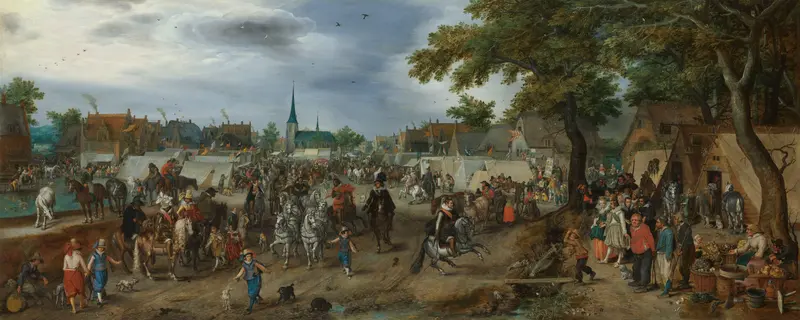
Princes Maurice and Frederick Henry at the Valkenburg Horse Fair
Adriaen Pietersz van de Venne
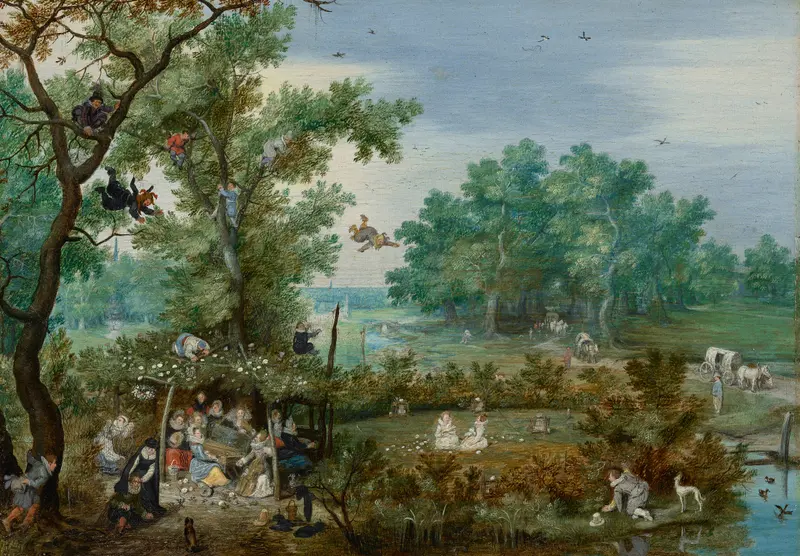
Merry Company in an Arbor
Adriaen Pietersz van de Venne
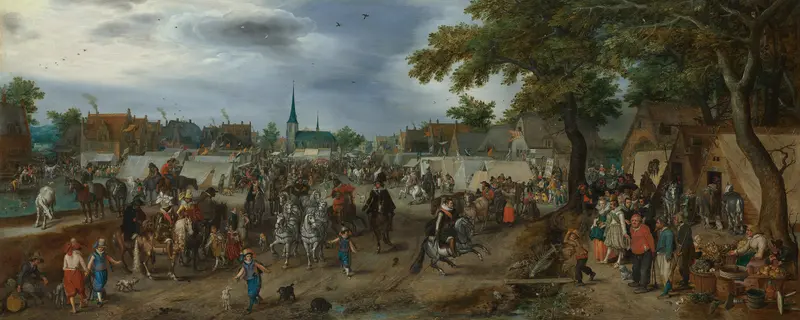
Princes Maurice and Frederick Henry at the Valkenburg Horse Fair
Adriaen Pietersz van de Venne
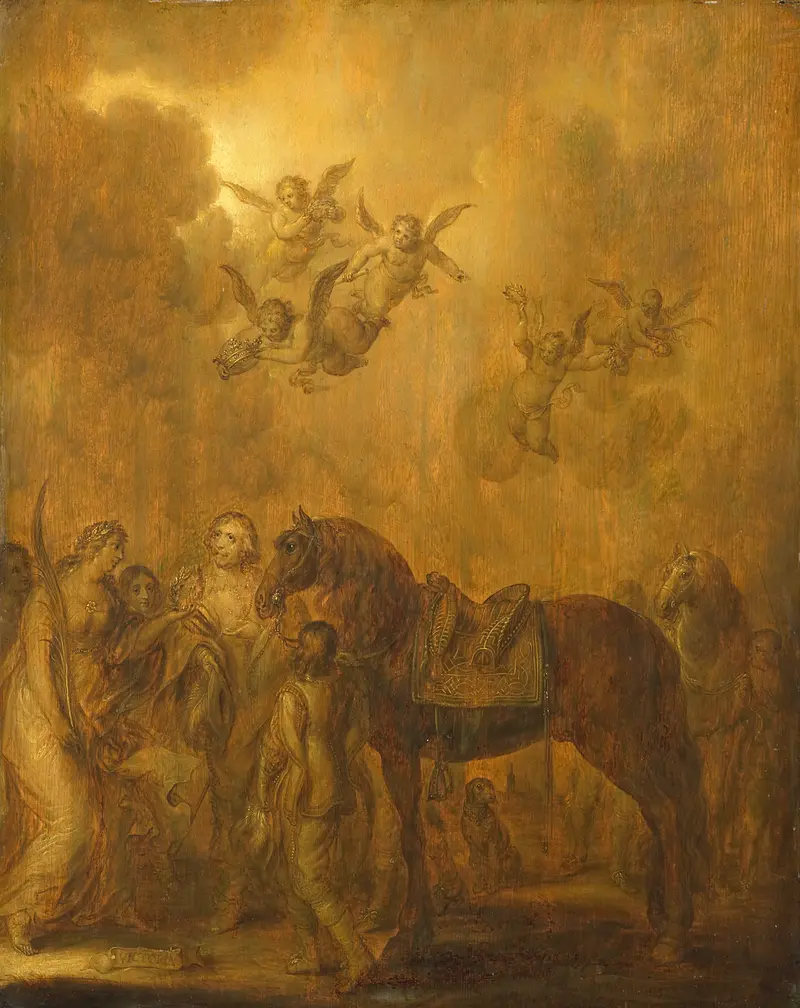
Allegory of the Stadtholdership of Prince Frederick Henry
Adriaen Pietersz van de Venne
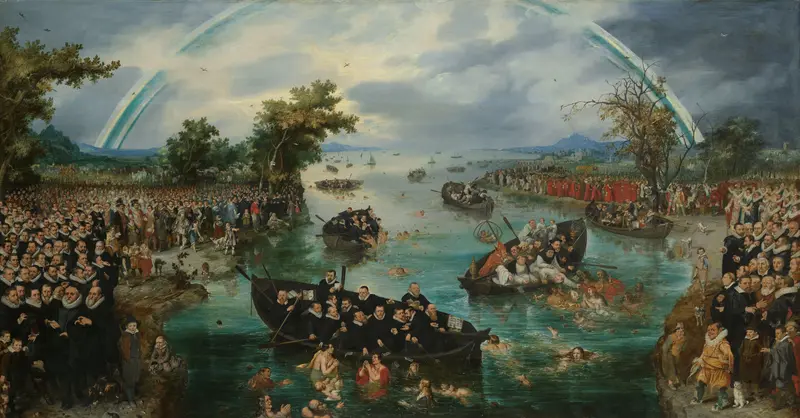
Fishing for Souls
Adriaen Pietersz van de Venne
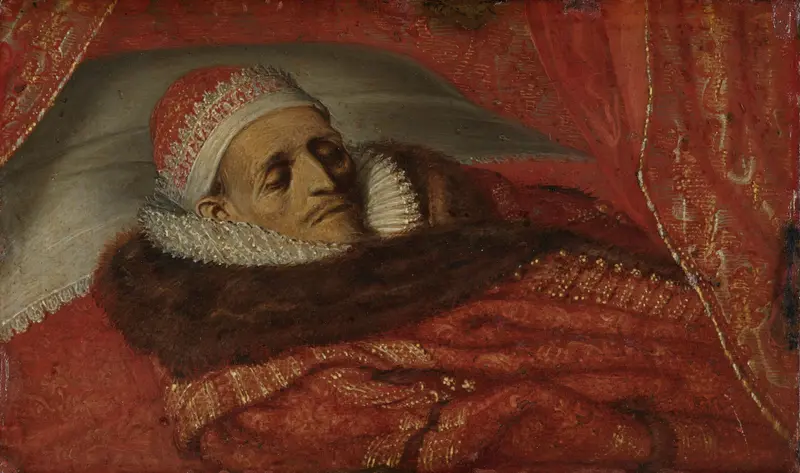
Stadtholder Prince Maurice Lying in State
Adriaen Pietersz van de Venne
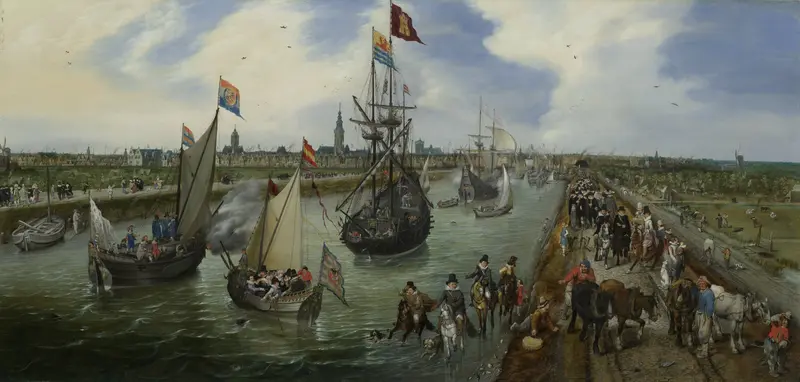
The Departure of a Dignitary from Middelburg
Adriaen Pietersz van de Venne
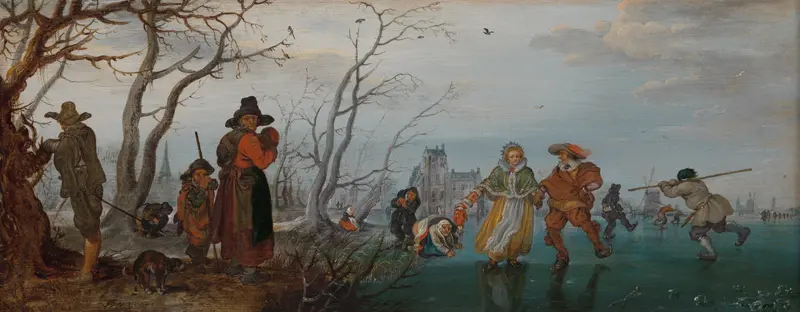
Winter
Adriaen Pietersz van de Venne

A Jeu de Paume Before a Country Palace
Adriaen Pietersz van de Venne
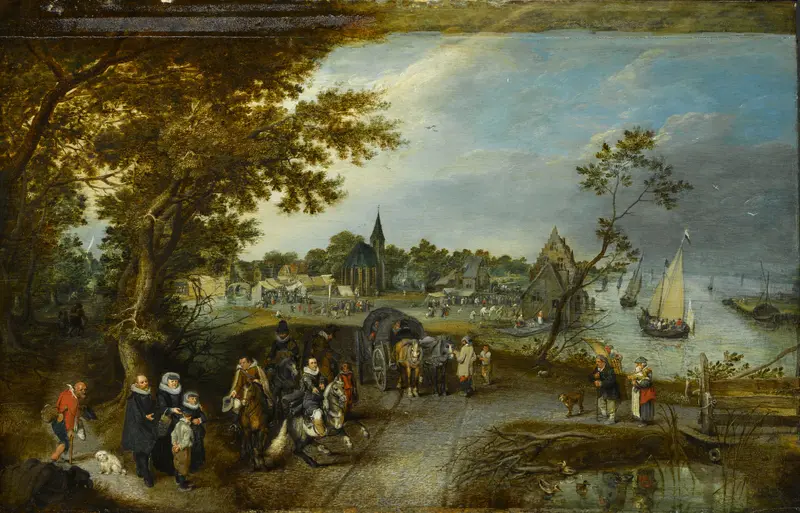
Landscape with Figures and a Village Fair (Village Kermesse)
Adriaen Pietersz van de Venne
More Genre Scene Art

Banquet of the Officers of the St George Civic Guard
Frans Hals

Rembrandt and Saskia in the Scene of the Prodigal Son
Rembrandt van Rijn

Bal du moulin de la Galette
Pierre-Auguste Renoir

Quadrille at the Moulin Rouge
Henri de Toulouse-Lautrec

A Burial at Ornans
Gustave Courbet

When Will You Marry?
Paul Gauguin