
Shrove Tuesday Procession — History & Facts
The eye is caught first by a motley parade, a swirl of figures in wild, festive motion, their faces animated with laughter, mischief, and perhaps a hint of mockery. At the center, a figure shrouded in black strides forward, flanked by companions in outlandish costumes—one wears a barrel, another a helmet fashioned from a pot. The light falls unevenly, picking out the gleam of metal and the pale faces of the crowd, while the background recedes into a chilly sky and bare-branched trees, anchoring the scene in late winter.
Every gesture is exaggerated: a man waves a wooden spoon, a dog barks at the commotion, and a puppet-like effigy is hoisted aloft, its presence both comical and slightly unsettling. The palette is earthy and subdued, setting the raucousness of the figures against a world still waiting for spring. Painted in 1650, Shrove Tuesday Procession by Adriaen Pietersz van de Venne springs from the exuberant traditions of Dutch and Flemish genre painting, where everyday life—especially its follies—became worthy of close observation and sly commentary. Shrove Tuesday, the last day before Lent, was marked by carnivalesque inversions of order, and artists delighted in capturing its license and chaos.
Such scenes were often commissioned by prosperous burghers, eager to display both their taste and their moral awareness, for these paintings could amuse and admonish in equal measure. Today, this work resides in the collection of the Limburgs Museum, its boisterous energy a window onto a world where laughter and ritual walked hand in hand. Look again: each face in the procession tells its own story, daring you to guess what happens when the parade moves on.
More Artworks by Adriaen Pietersz van de Venne
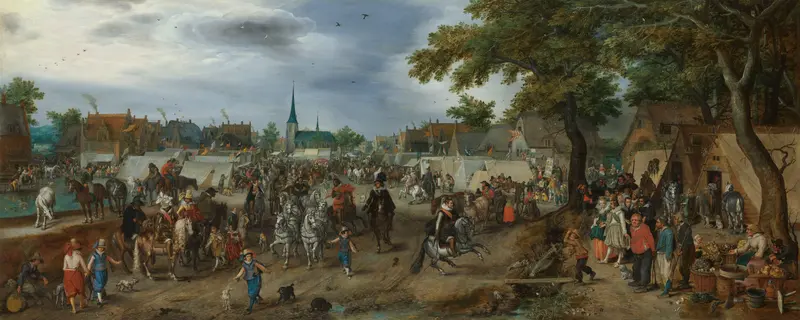
Princes Maurice and Frederick Henry at the Valkenburg Horse Fair
Adriaen Pietersz van de Venne
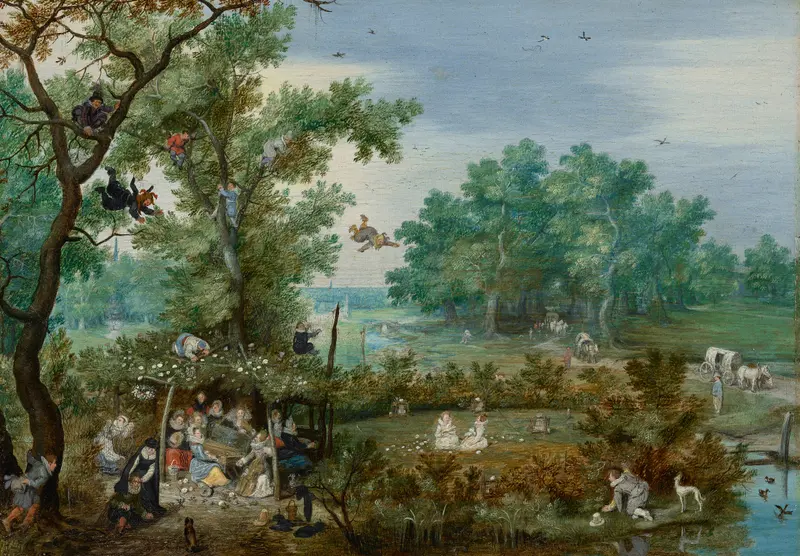
Merry Company in an Arbor
Adriaen Pietersz van de Venne
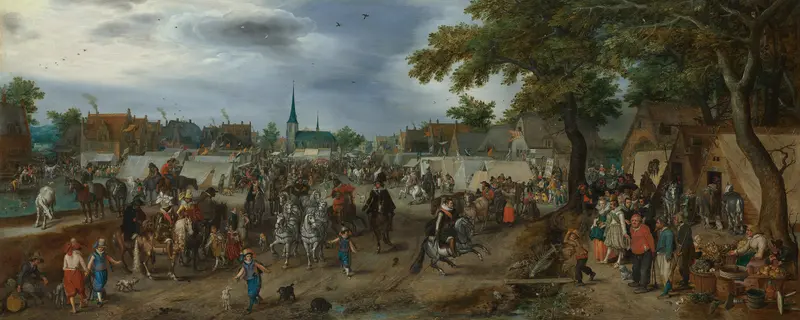
Princes Maurice and Frederick Henry at the Valkenburg Horse Fair
Adriaen Pietersz van de Venne
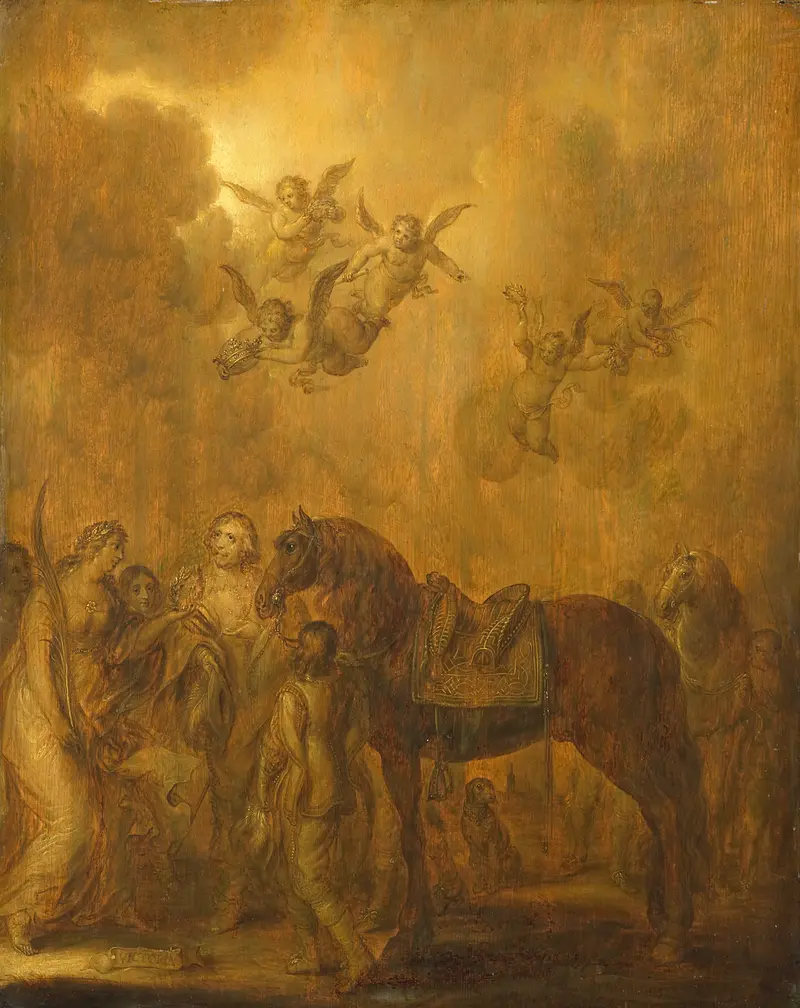
Allegory of the Stadtholdership of Prince Frederick Henry
Adriaen Pietersz van de Venne
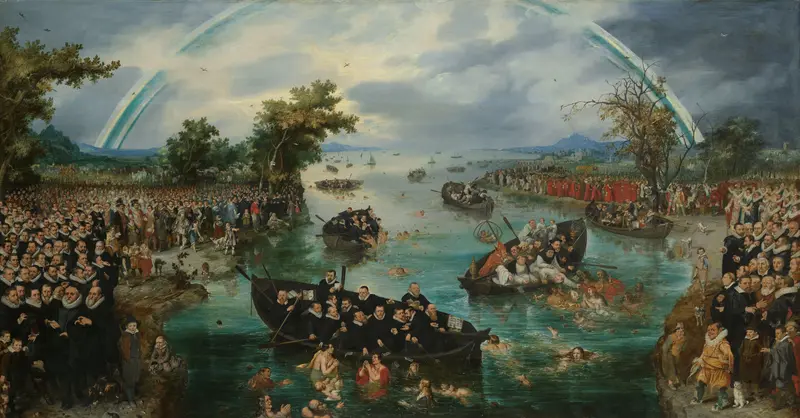
Fishing for Souls
Adriaen Pietersz van de Venne
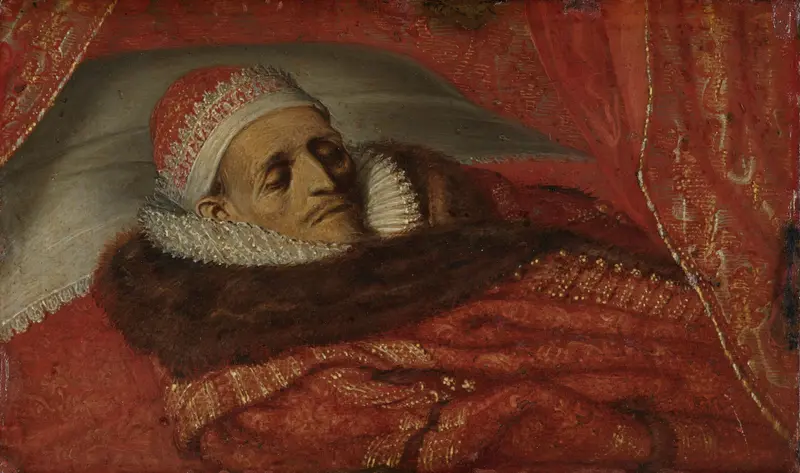
Stadtholder Prince Maurice Lying in State
Adriaen Pietersz van de Venne
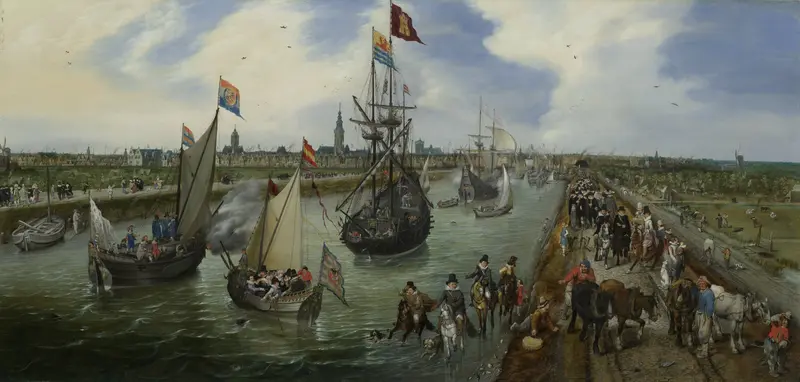
The Departure of a Dignitary from Middelburg
Adriaen Pietersz van de Venne
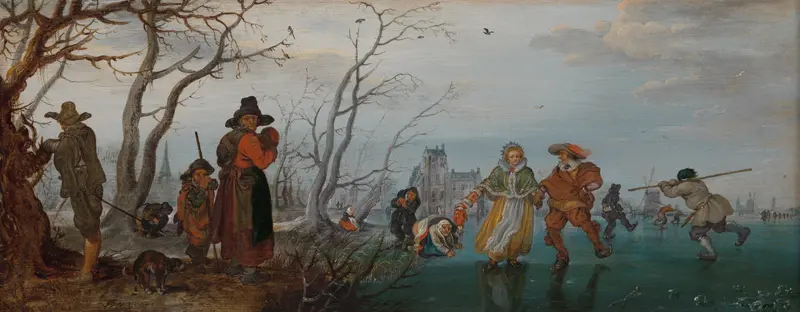
Winter
Adriaen Pietersz van de Venne

A Jeu de Paume Before a Country Palace
Adriaen Pietersz van de Venne
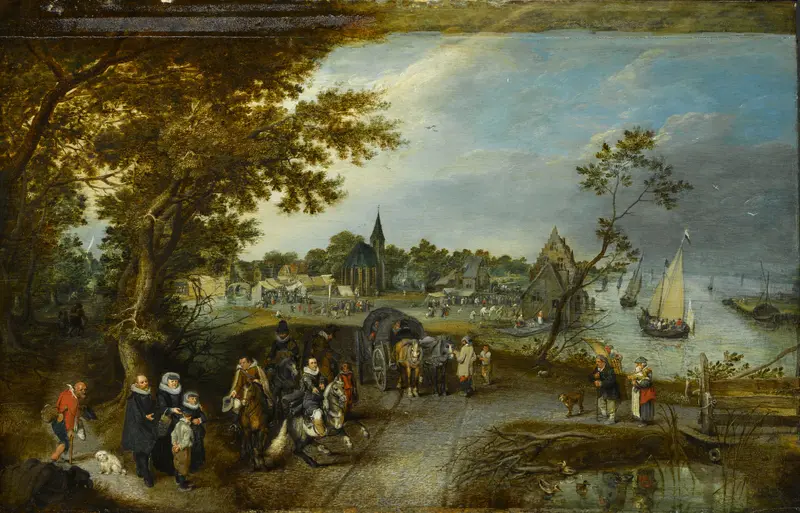
Landscape with Figures and a Village Fair (Village Kermesse)
Adriaen Pietersz van de Venne
More Genre Scene Art

Banquet of the Officers of the St George Civic Guard
Frans Hals

Rembrandt and Saskia in the Scene of the Prodigal Son
Rembrandt van Rijn

Bal du moulin de la Galette
Pierre-Auguste Renoir

Quadrille at the Moulin Rouge
Henri de Toulouse-Lautrec

A Burial at Ornans
Gustave Courbet

When Will You Marry?
Paul Gauguin