
Sigismund Augustus in the Vilnius garden, sketch — History & Facts
In 1865, Jan Matejko turned his attention to a moment that had shaped the fate of the Polish-Lithuanian Commonwealth: the private grief of King Sigismund II Augustus, whose love for his late wife, Barbara Radziwiłł, became the stuff of legend. The artist’s sketch, Sigismund Augustus in the Vilnius garden, captures the king not in the council chamber or on the battlefield, but in the secluded gardens of Vilnius, where he was said to mourn Barbara’s death in 1551. This romantic episode, whispered through generations, inspired poets and painters alike, but Matejko’s vision stands out for its focus on the solitary king, lost in memory rather than ceremony. The scene unfolds in the shaded stillness of the Vilnius palace garden.
Sigismund, dressed in somber court attire, sits beneath a spreading tree, his gaze fixed on a locket or miniature—likely Barbara’s portrait—held tightly in his hands. The garden’s dense foliage and the king’s bowed posture draw the viewer into his isolation, while a shaft of light falls across his face, highlighting the rawness of his sorrow. Matejko’s choice to depict this private moment, rather than the more public drama of their forbidden marriage, contrasts with the grand pageantry favored by earlier artists such as Juliusz Kossak, who painted the couple’s wedding.
Here, the garden becomes both sanctuary and prison, a living symbol of love’s endurance and the burdens of kingship. The exact medium of this sketch is not clearly documented, but it reflects the preparatory style Matejko often used before embarking on his monumental canvases. While the finished painting of this subject is not known to exist, the sketch itself has been preserved and studied as a window into the artist’s process during the 1860s, a period when he was developing his signature approach to Polish history painting. Today, Sigismund Augustus in the Vilnius garden, sketch is held in a Polish museum collection, valued for its intimate scale and emotional directness.
It stands as a testament to Matejko’s fascination with the private lives behind public events, and to the enduring power of memory in the shaping of national identity.
More Artworks by Jan Matejko
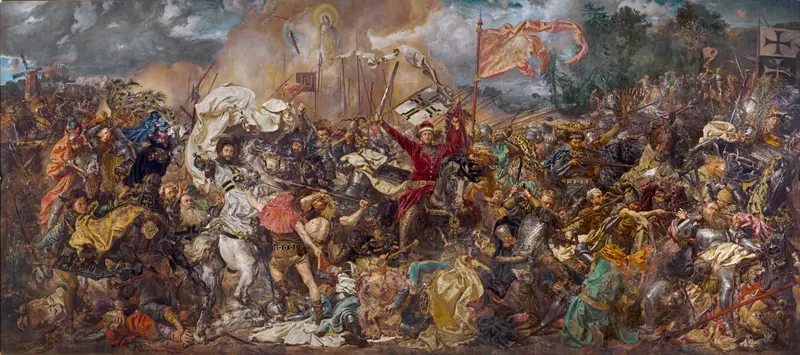
Battle of Grunwald
Jan Matejko

Stańczyk
Jan Matejko

Battle of Raclawice
Jan Matejko
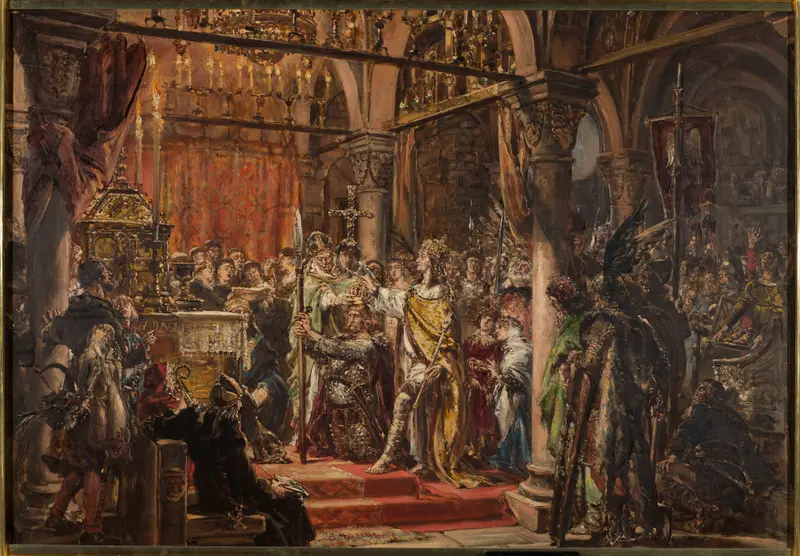
Coronation of the First King, 1001 AD, from the series “History of Civilization in Poland”
Jan Matejko
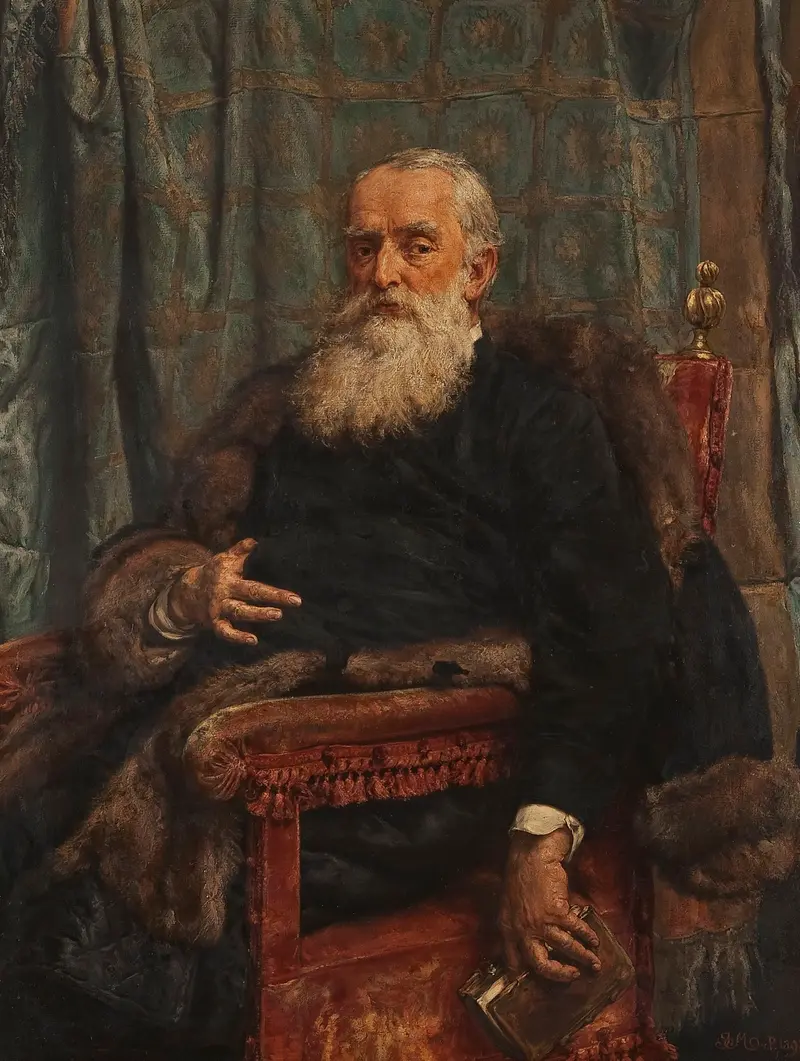
Portrait of Henryk Krajewski
Jan Matejko
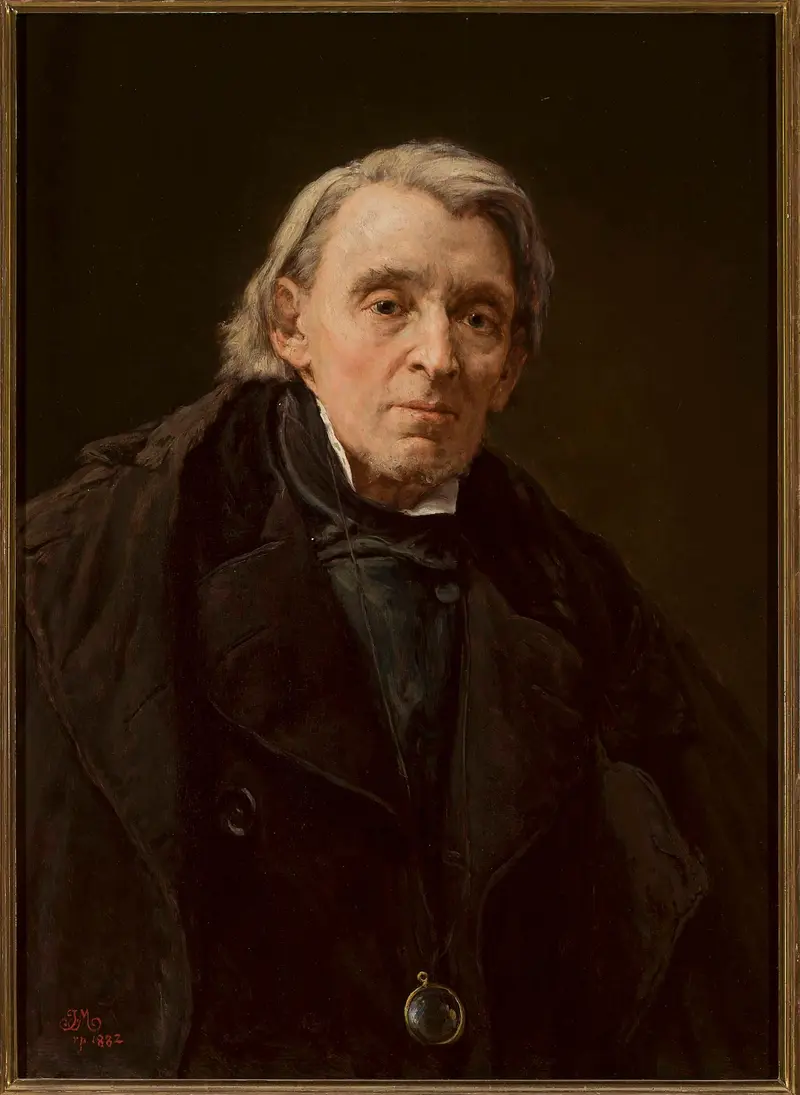
Portrait of Karol Podlewski
Jan Matejko
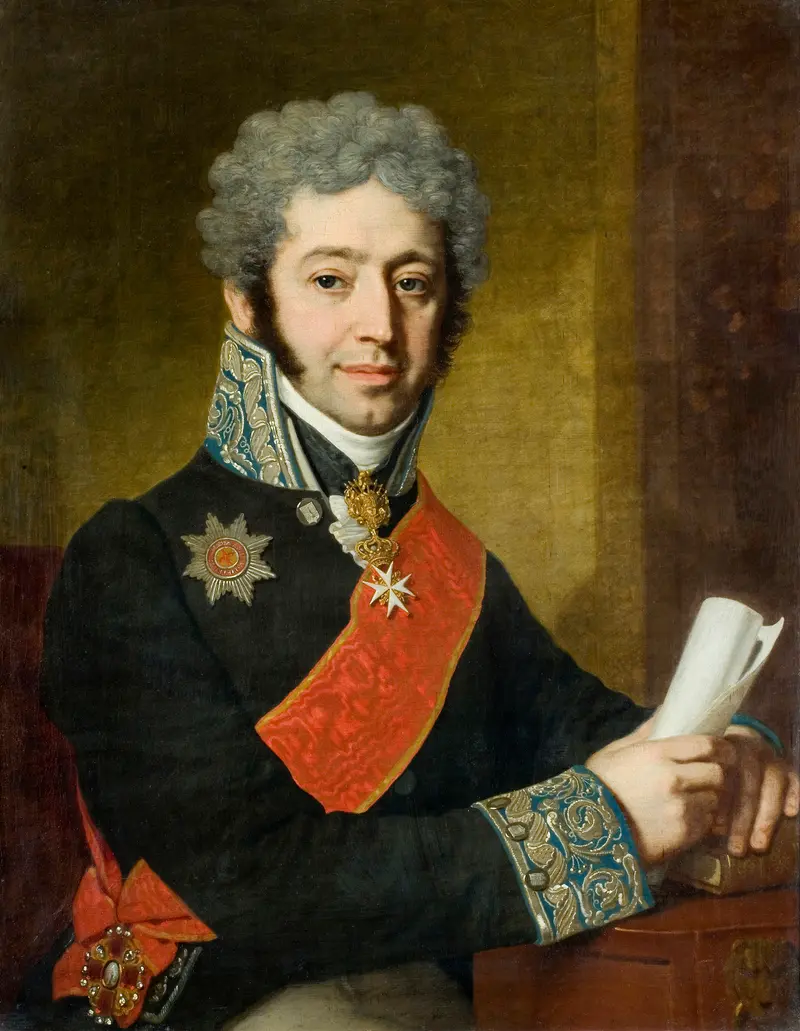
Portrait of Potocki and Poninski
Jan Matejko
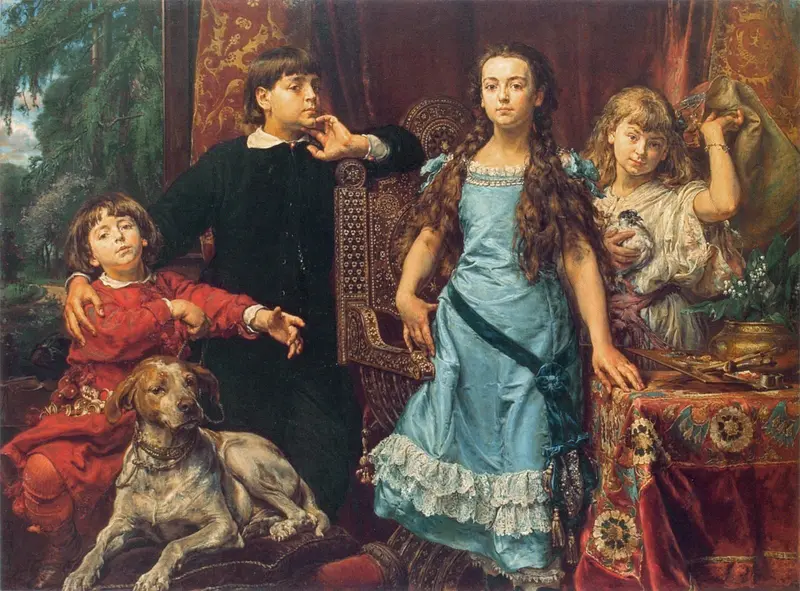
Portrait of the artist's four children
Jan Matejko
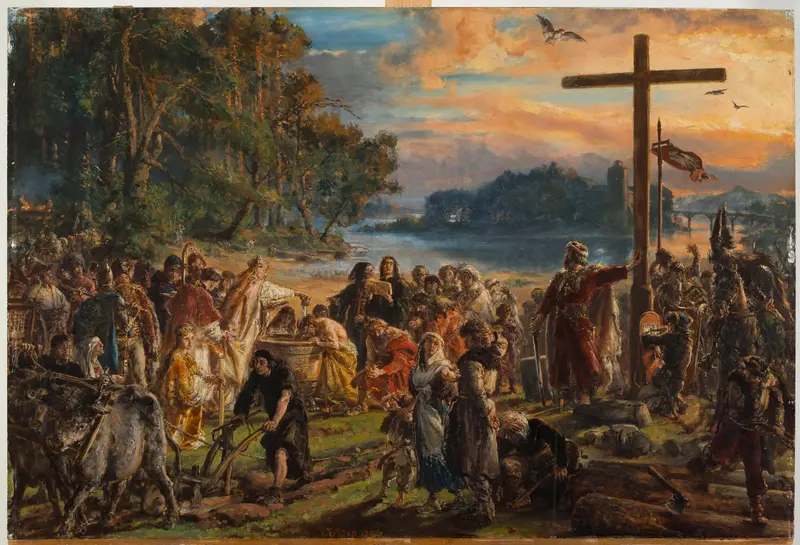
Introduction of Christianity in Poland
Jan Matejko
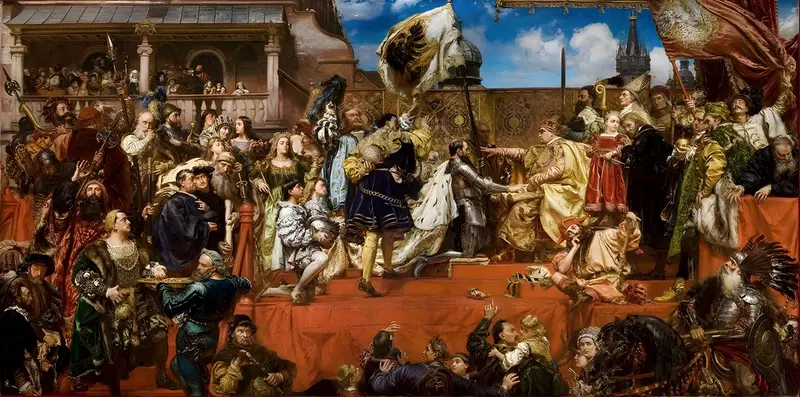
Prussian Homage
Jan Matejko





