
Simonetta Vespucci as Maria Lactans — History & Facts
No portrait in Renaissance Florence stirred more fascination than that of Simonetta Vespucci, the famed beauty who died young and became a muse for poets and painters alike. When Sandro Botticelli painted her as the Madonna in Simonetta Vespucci as Maria Lactans around 1490, he blurred the line between sacred icon and secular adoration, a gesture that still intrigues scholars. The sitter’s identity is debated, but many believe Botticelli’s repeated use of Simonetta’s features signals both personal devotion and the era’s ideal of feminine grace.
The painting’s subject—Simonetta as the nursing Virgin—was unusual, even daring, for its time, merging private longing with public piety. At the heart of the image, the Madonna—her features unmistakably modeled on Simonetta—offers her breast to the Christ child, embodying the moment of maternal care that Renaissance viewers saw as both human and divine. The infant’s small hand reaches for his mother, while her gaze drifts away, serene yet distant, inviting contemplation of both the mystery of the Incarnation and the fragility of life. Botticelli’s delicate lines, the gentle fall of light on skin and fabric, and the subtle halo encircling Simonetta’s head all reinforce her dual role as earthly woman and holy figure.
Unlike the robust, earthy Madonnas of Leonardo da Vinci, Botticelli’s vision is one of idealized beauty and introspection, emphasizing grace over realism. The precise origins of Simonetta Vespucci as Maria Lactans remain uncertain; the work’s patron is not recorded, though it likely belonged to a private Florentine household, given its intimate scale and subject. Over the centuries, the painting’s attribution has shifted, with some doubting Botticelli’s hand, but most now agree it fits within his late style, marked by a softer palette and meditative tone. The painting’s journey through time is less documented than others—unlike Botticelli’s grander altarpieces, it seems to have remained in private collections until its rediscovery in the nineteenth century.
Today, the work stands as a testament to the blurred boundaries between portrait and icon, and to Botticelli’s enduring fascination with the face that haunted Florence’s imagination.
More Artworks by Sandro Botticelli
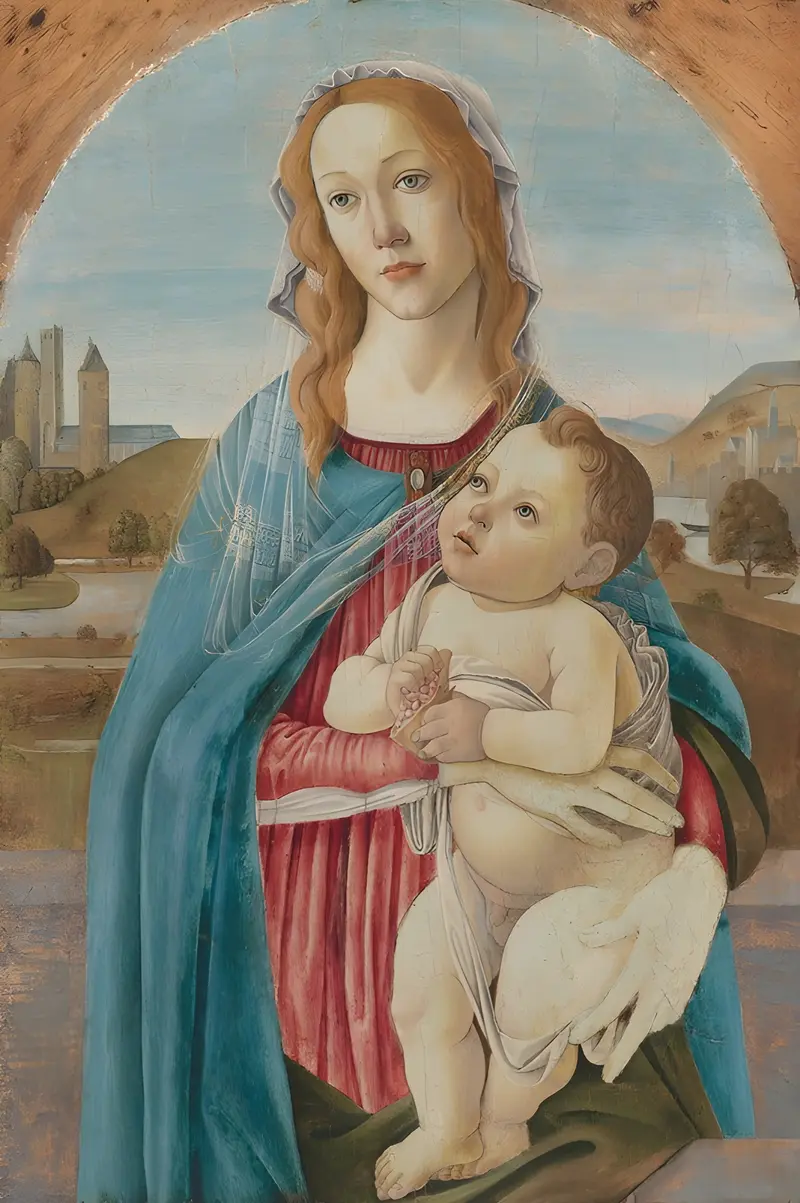
Virgin and Child
Sandro Botticelli
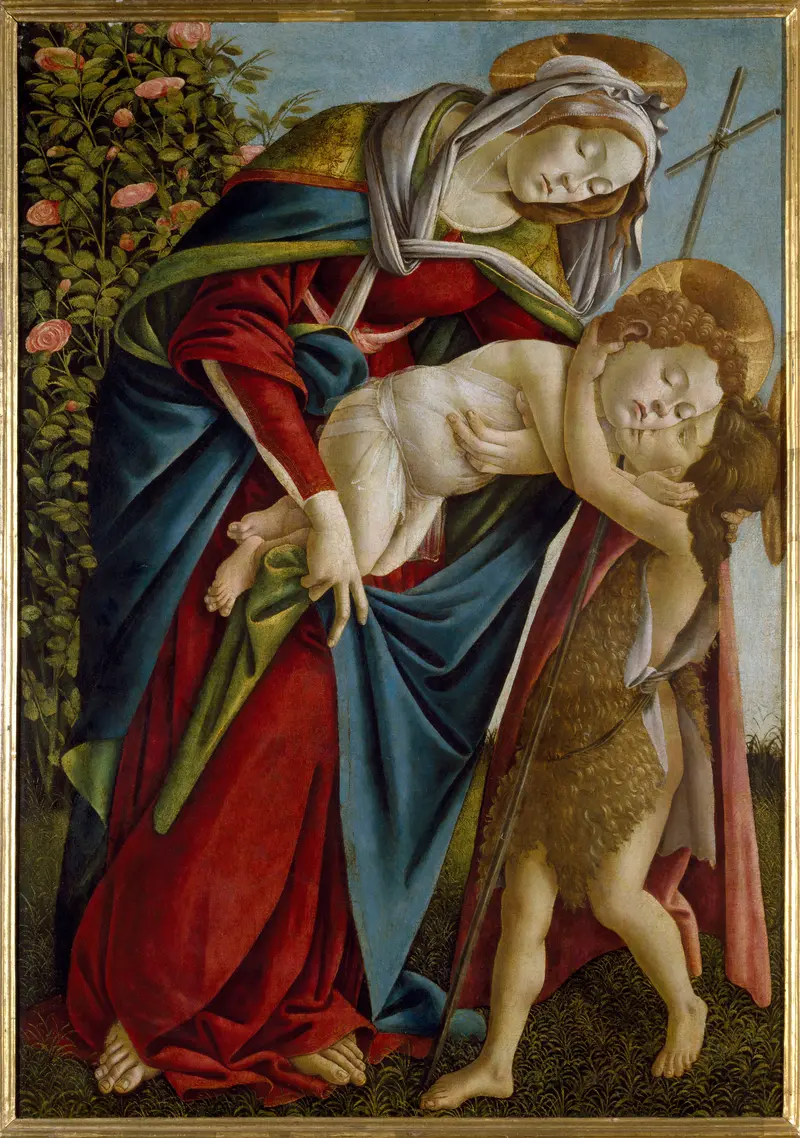
Madonna and Child and the Young St John the Baptist
Sandro Botticelli
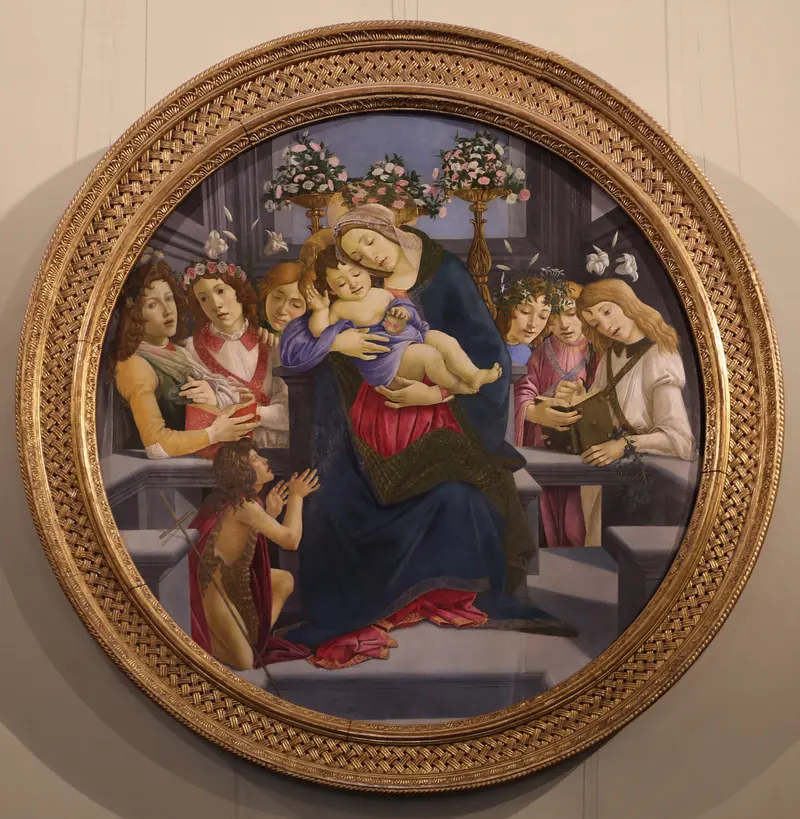
Madonna and Child with six angels and Saint John the Baptist as Child
Sandro Botticelli
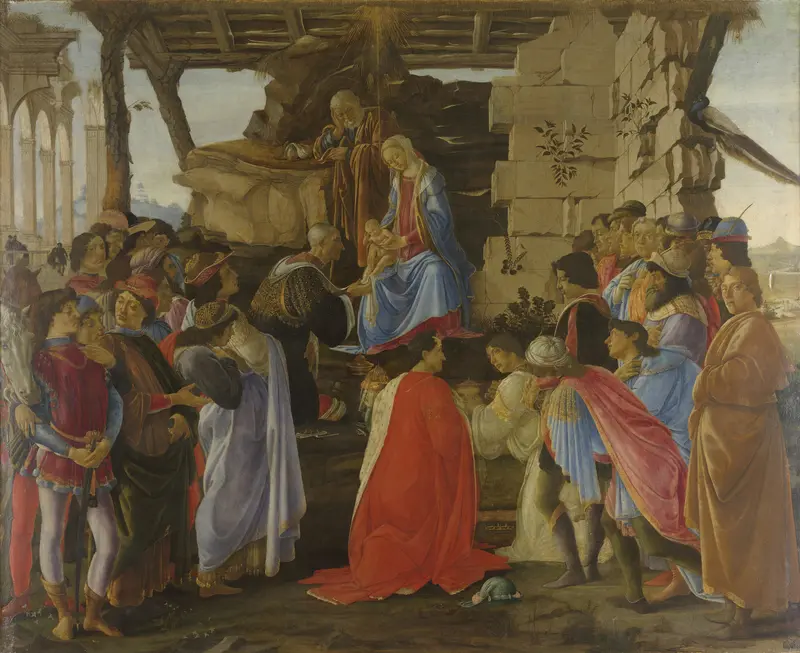
Adoration of the Magi
Sandro Botticelli

Virgin and Child with the Young Saint John the Baptist
Sandro Botticelli
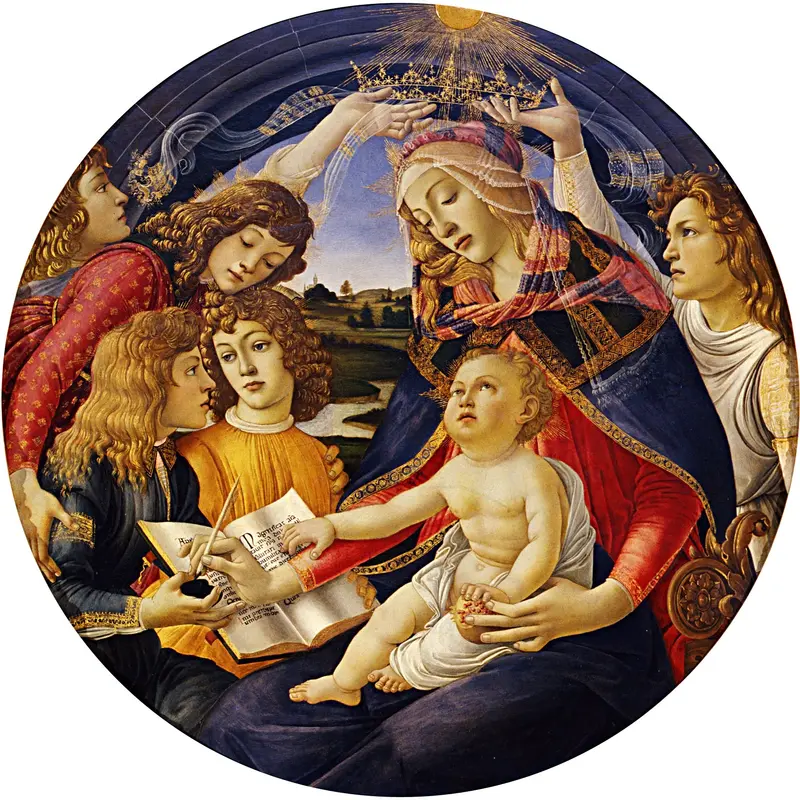
Madonna of the Magnificat
Sandro Botticelli
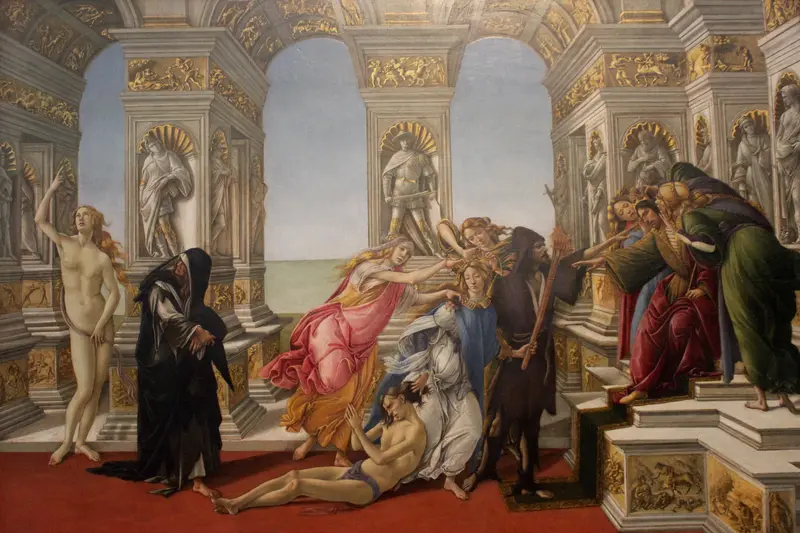
Calumny of Apelles
Sandro Botticelli
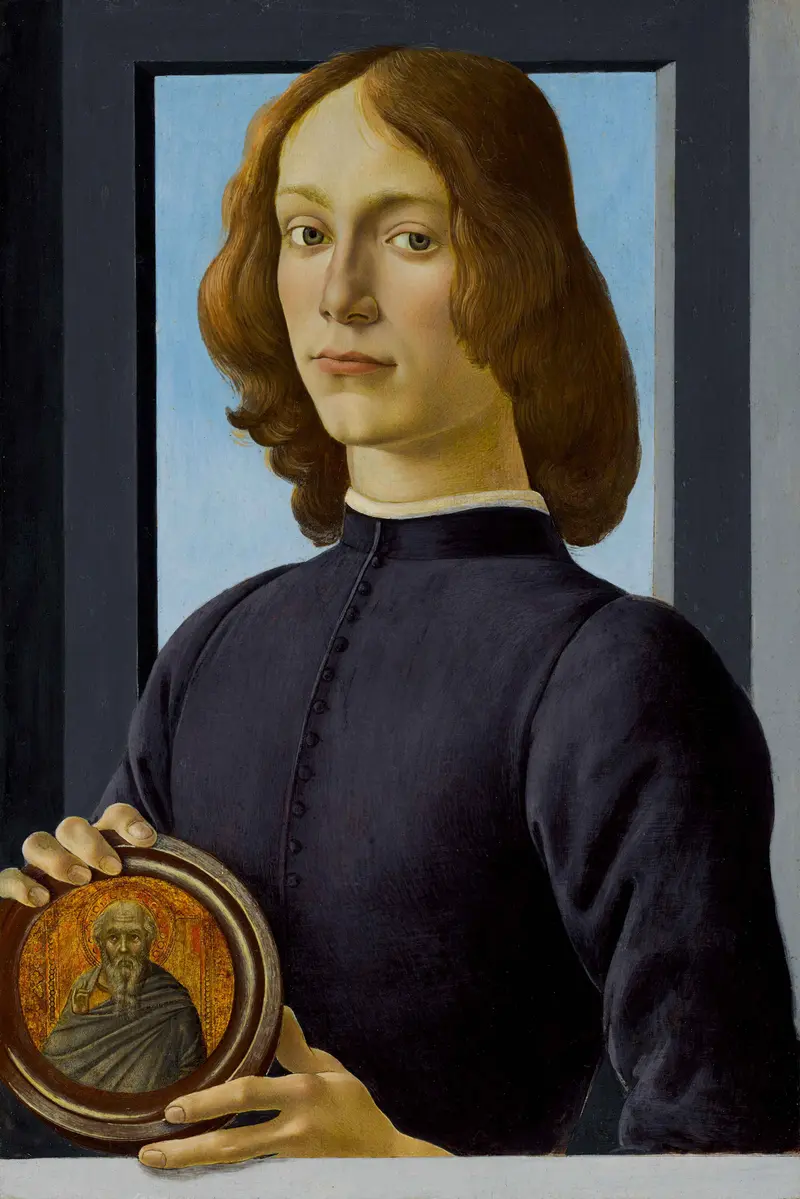
Portrait of a young man holding a roundel
Sandro Botticelli

The Trinity with Saint Mary Magdalene and Saint John the Baptist, the Archangel Raphael and Tobias
Sandro Botticelli
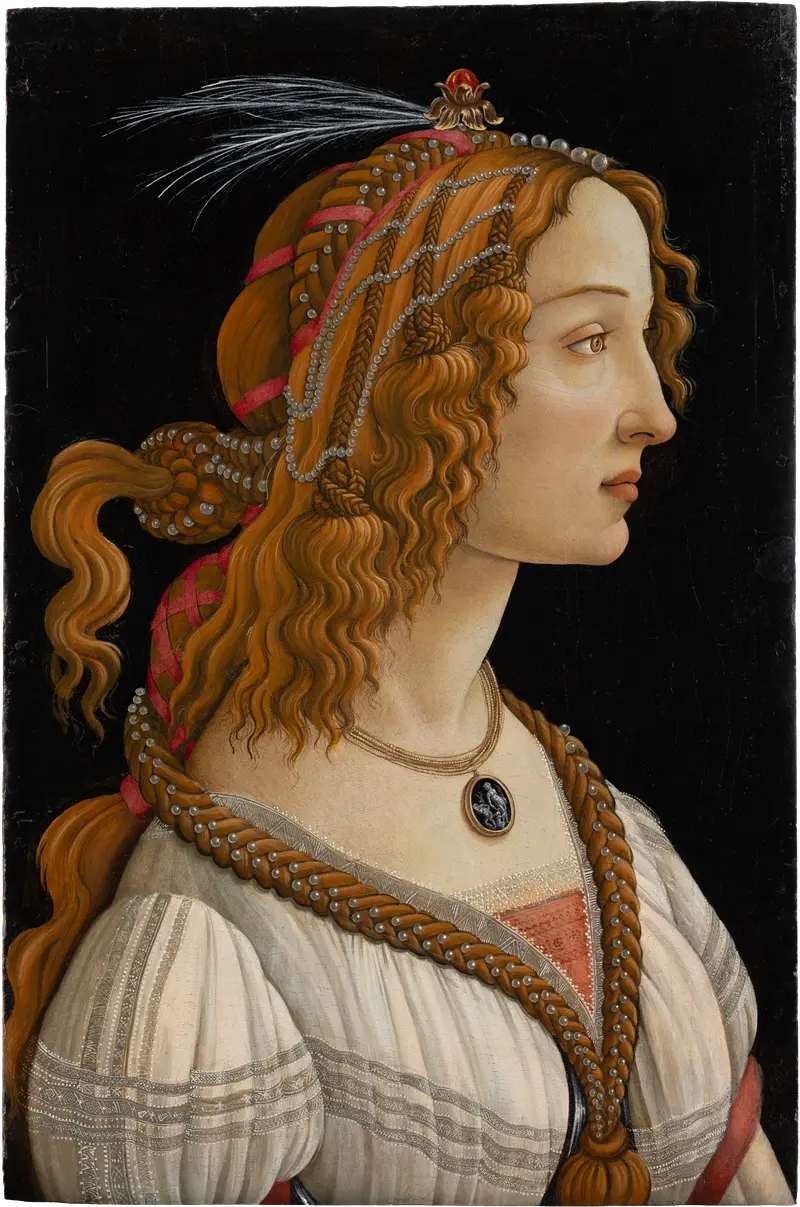
Idealized Portrait of a Lady (Portrait of Simonetta Vespucci as Nymph)
Sandro Botticelli





