
Singing Angels — History & Facts
When the doors of the Ghent Altarpiece first swung open in St. Bavo’s Cathedral in 1432, the world saw something it had never seen before: a choir of angels so meticulously rendered that each feather, jewel, and fold of fabric seemed to shimmer with life. Singing Angels is one of the celebrated panels from this polyptych, painted by Jan van Eyck and his brother Hubert, and it has long fascinated viewers and scholars alike for its astonishing realism.
In an era when artists often relied on stylized conventions, van Eyck’s angels appear as if caught mid-song, their faces and gestures individualized, their music almost audible. The painting’s lifelike detail sparked early rumors that only magic or alchemy could explain such skill. At the heart of the panel, a group of angelic singers gathers around an ornate music stand, their mouths open in song, their eyes fixed on the illuminated score. Each angel wears a different sumptuous robe, embroidered with gold and precious stones, signifying the heavenly court’s majesty.
The careful rendering of their sheet music—so precise that modern musicians have attempted to reconstruct the hymn—invites viewers to imagine the celestial harmony. The angels’ expressions range from serene concentration to quiet joy, and their gestures, such as a raised hand or a turned head, suggest both individuality and unity. Unlike the more abstract angels of Fra Angelico’s Annunciation, van Eyck’s figures are grounded in the physical world, their humanity a bridge between the divine and the earthly. Commissioned by the wealthy merchant Jodocus Vijd and his wife, the Ghent Altarpiece—and with it, Singing Angels—has survived iconoclasm, theft, and war.
During the Napoleonic era, panels were seized and taken to France, only to be returned after the Congress of Vienna. In the twentieth century, the altarpiece endured further peril during both World Wars, famously hidden from Nazi looters in a salt mine before its recovery by the Monuments Men. Today, Singing Angels remains in St.
Bavo’s Cathedral, part of the restored polyptych, a testament to Jan van Eyck’s revolutionary vision and the enduring power of art to survive the centuries.
More Artworks by Jan van Eyck

Adam
Jan van Eyck
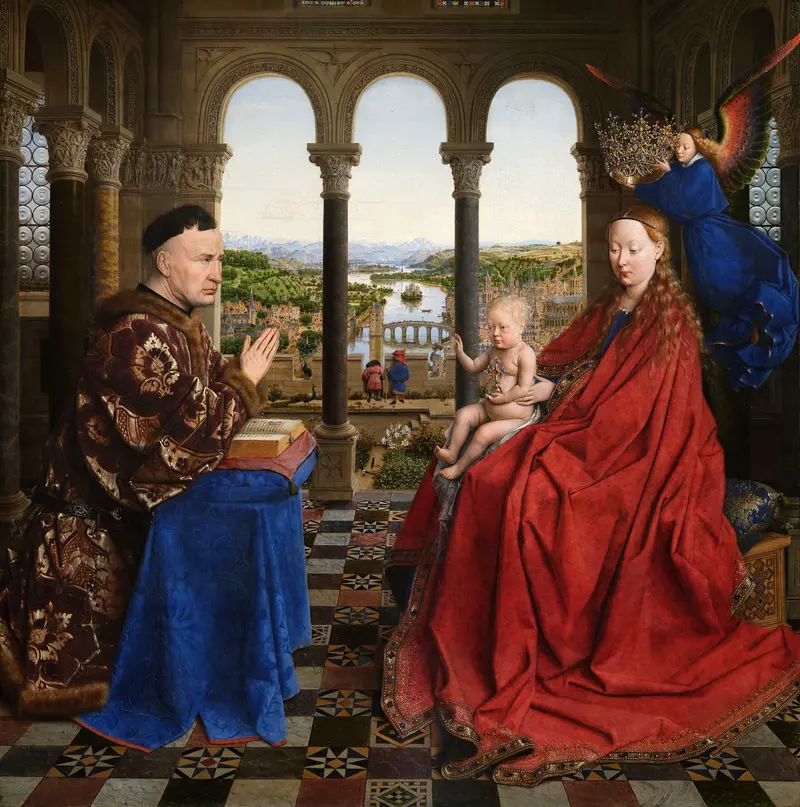
Madonna of Chancellor Rolin
Jan van Eyck
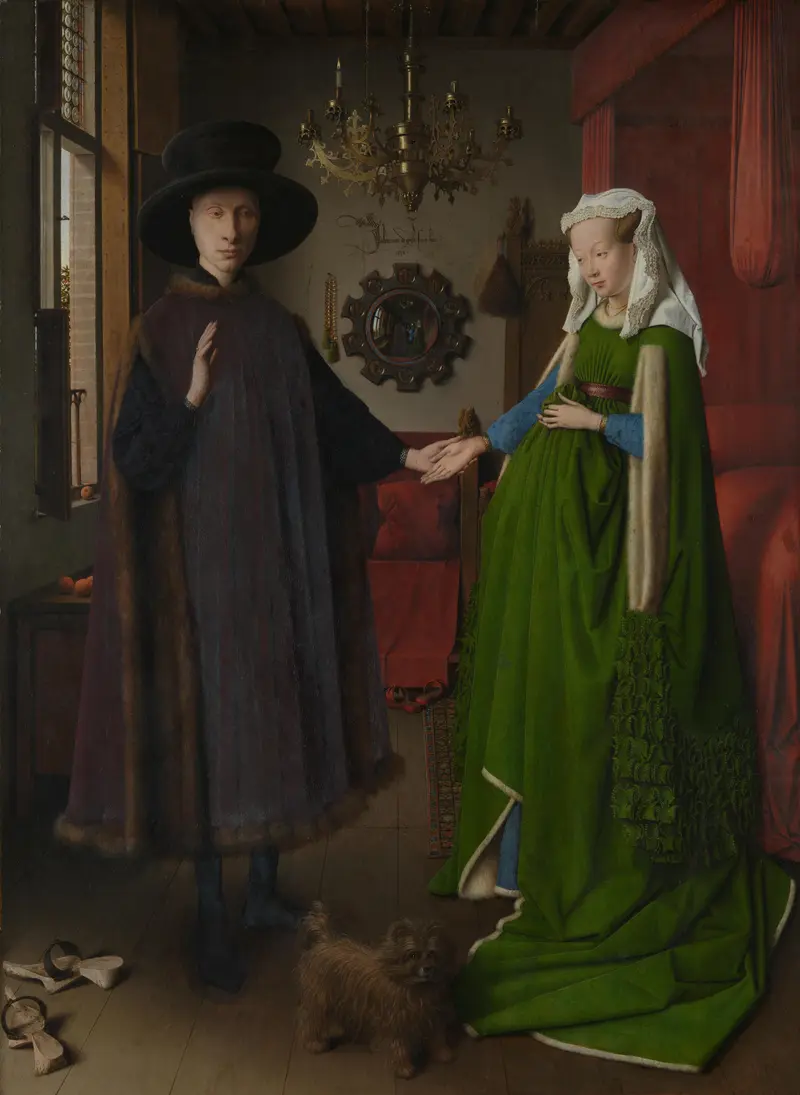
The Arnolfini Portrait
Jan van Eyck
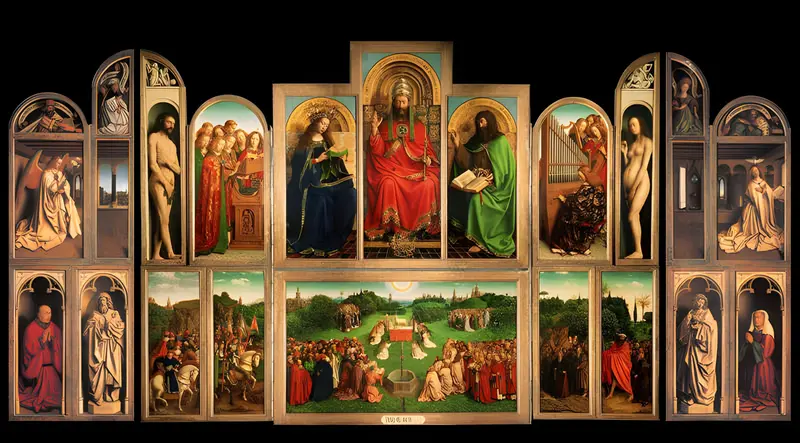
Ghent Altarpiece
Jan van Eyck

Dresden Triptych
Jan van Eyck
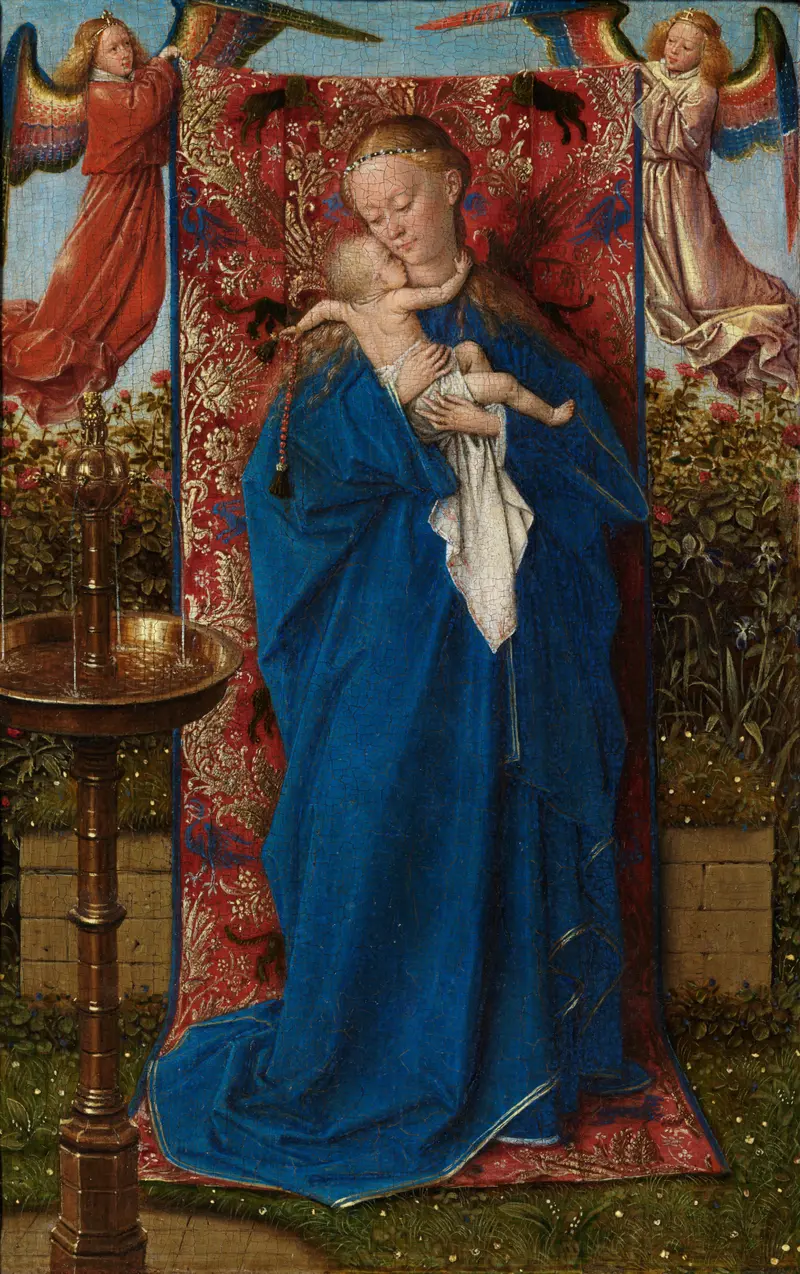
Madonna at the Fountain
Jan van Eyck

Madonna with Canon Joris van der Paele
Jan van Eyck

Prophet Zacharias; Angel of The Annunciation
Jan van Eyck
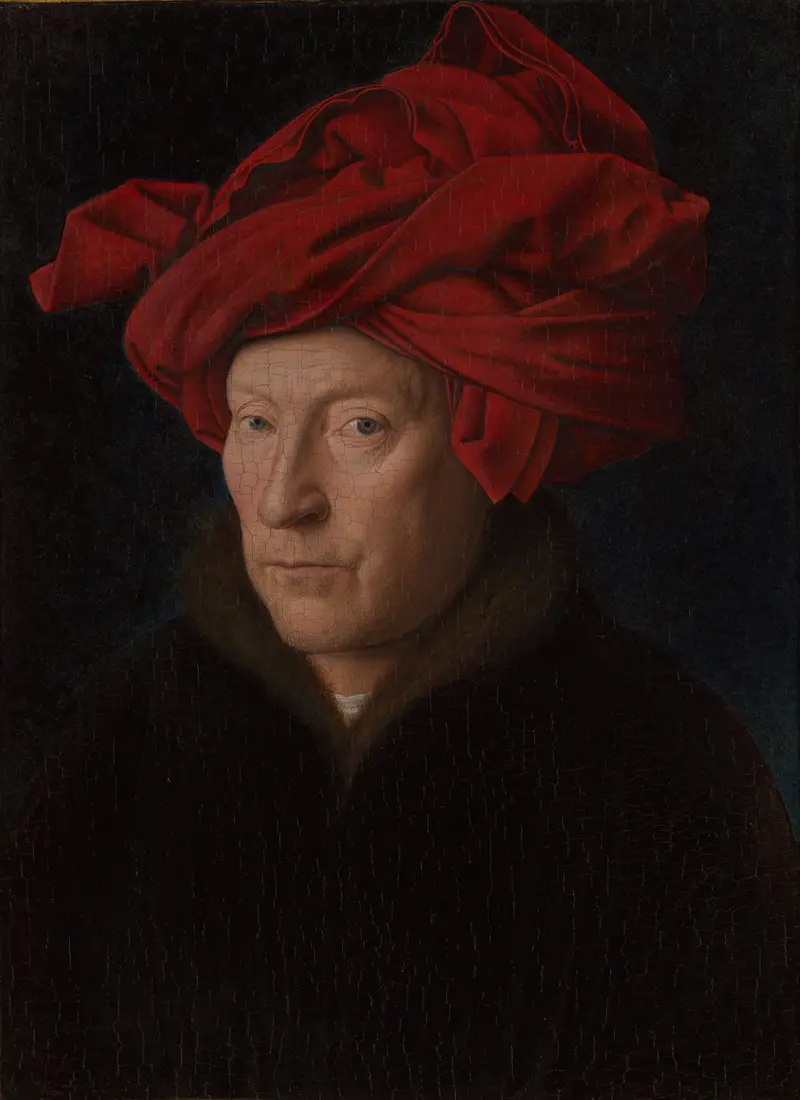
Portrait of a Man (Self Portrait?)
Jan van Eyck
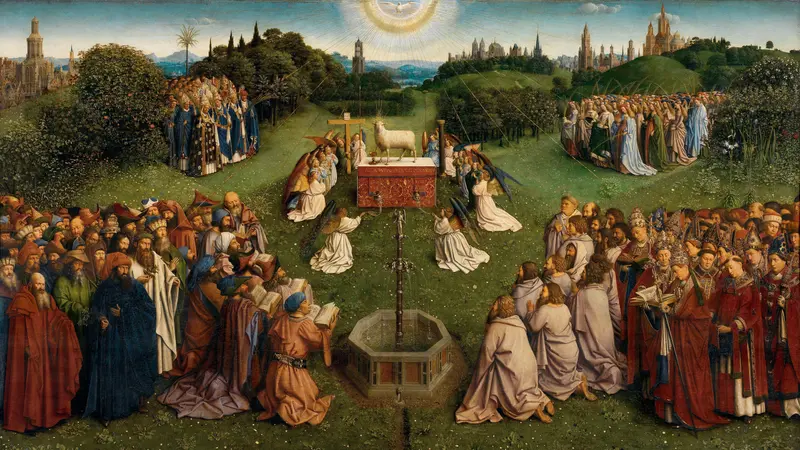
Adoration of the Lamb from the Ghent Altarpiece
Jan van Eyck





