
Skaters — History & Facts
What first catches the eye in Skaters by Adriaen Pietersz van de Venne is the gentle comedy of winter leisure, set beneath a sky so pale it nearly blends into the frozen earth. The painter draws us into a world where the ice is both stage and trap: a pair of elegantly dressed figures teeter forward, their hands clasped in careful balance, while just behind them, a tumble of petticoats and hats signals the inevitable mishaps of the season. Every gesture is deliberate—notice the gloved hand extended for support, the careful bend of a knee, the way a gentleman kneels to fasten a skate with the gravity of a courtier.
The bare trees frame the scene with their claw-like branches, their starkness emphasizing the fleeting joy of the moment, while the distant figures dissolve into the mist, giving the landscape a sense of endless, chilly possibility. Painted in 1625, this scene belongs to a Dutch tradition that celebrated the pleasures and follies of everyday life, especially in the context of the Little Ice Age, when winters were harsh and skating became a national pastime. Works like this were often commissioned by prosperous burghers eager to see their world reflected with wit and affection, and van de Venne was a master at capturing the social theatre of his time. The painting now resides in the Rijksmuseum, a testament to the enduring appeal of these winter scenes, which combined technical skill with a sly, observational humor.
Look again at the figures sprawled on the ice, the careful attention to costume and gesture, and you glimpse not just a winter’s day, but a whole society at play.
More Artworks by Adriaen Pietersz van de Venne
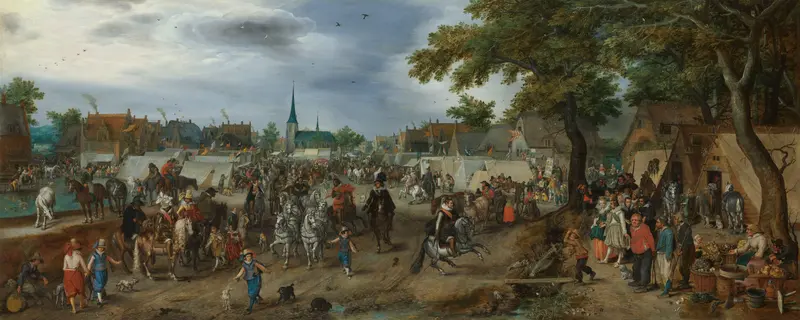
Princes Maurice and Frederick Henry at the Valkenburg Horse Fair
Adriaen Pietersz van de Venne
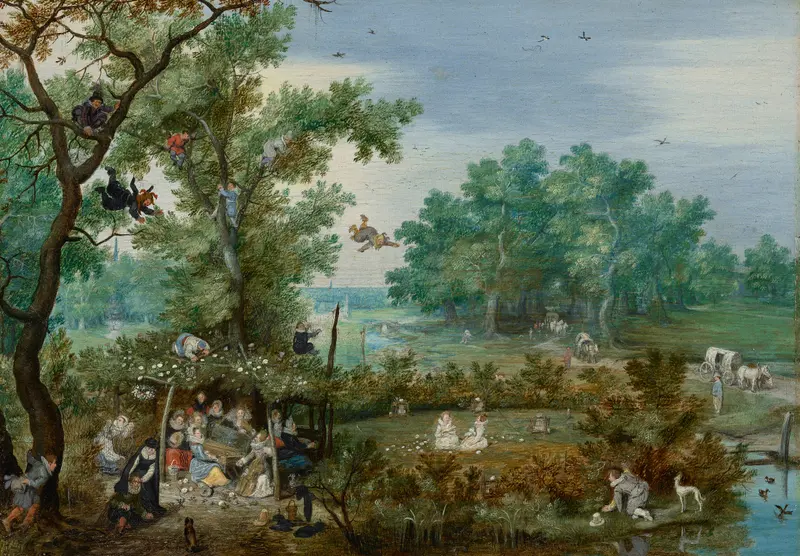
Merry Company in an Arbor
Adriaen Pietersz van de Venne
Princes Maurice and Frederick Henry at the Valkenburg Horse Fair
Adriaen Pietersz van de Venne
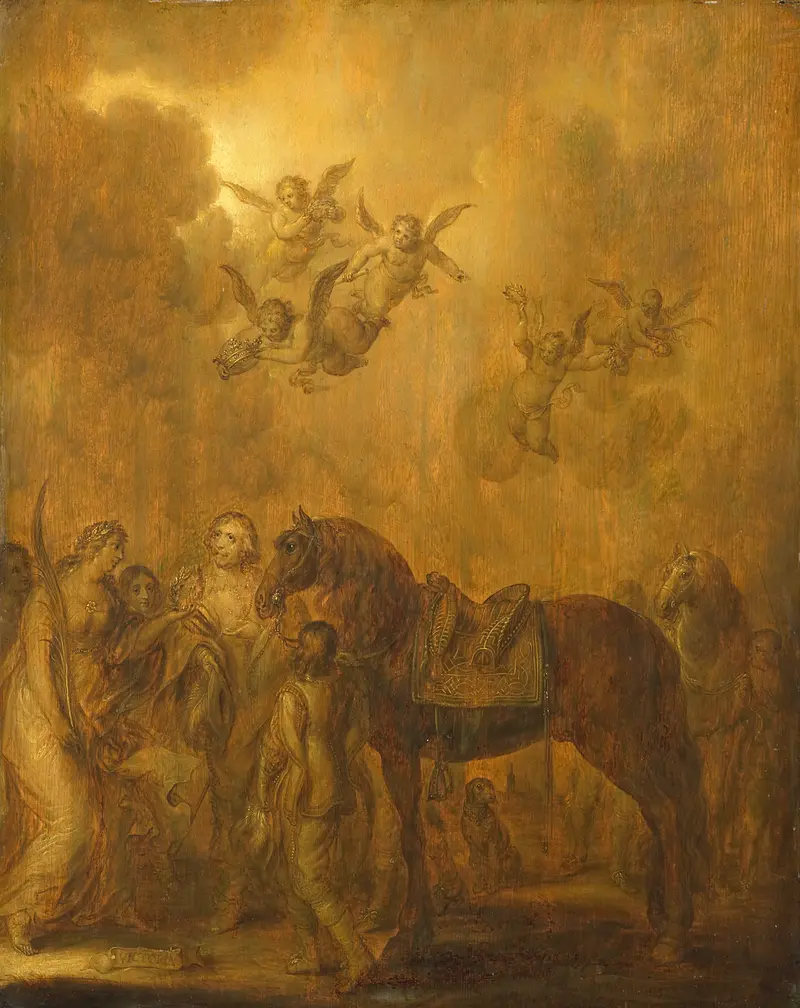
Allegory of the Stadtholdership of Prince Frederick Henry
Adriaen Pietersz van de Venne
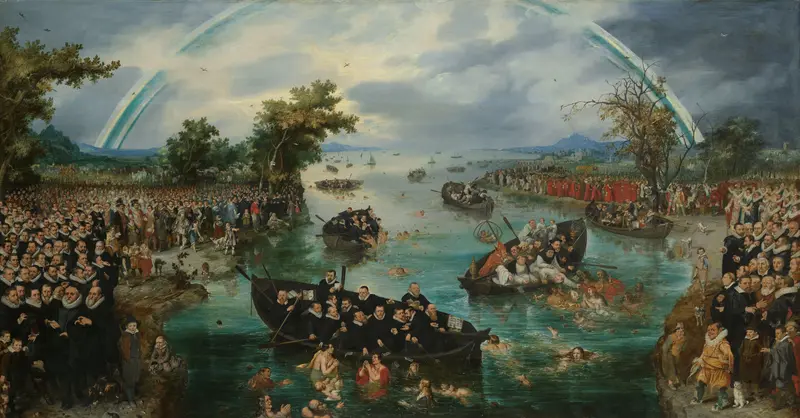
Fishing for Souls
Adriaen Pietersz van de Venne
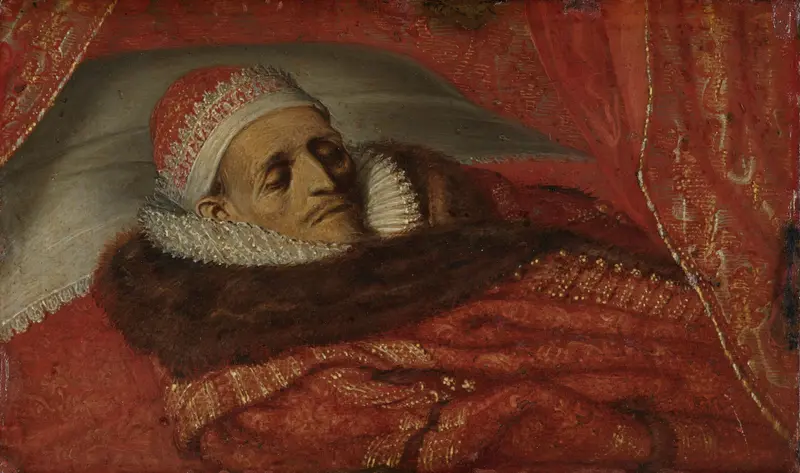
Stadtholder Prince Maurice Lying in State
Adriaen Pietersz van de Venne
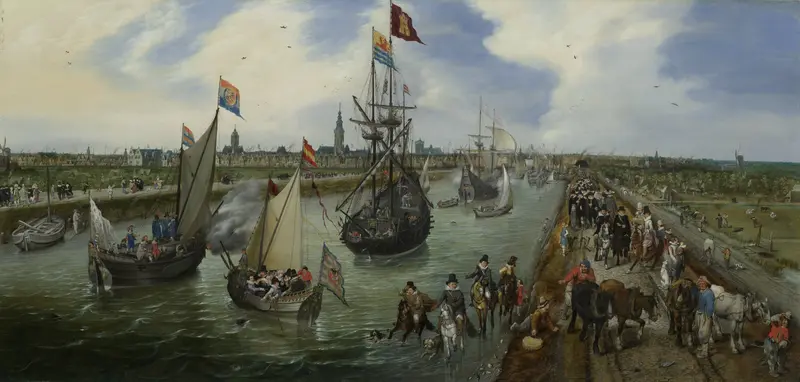
The Departure of a Dignitary from Middelburg
Adriaen Pietersz van de Venne
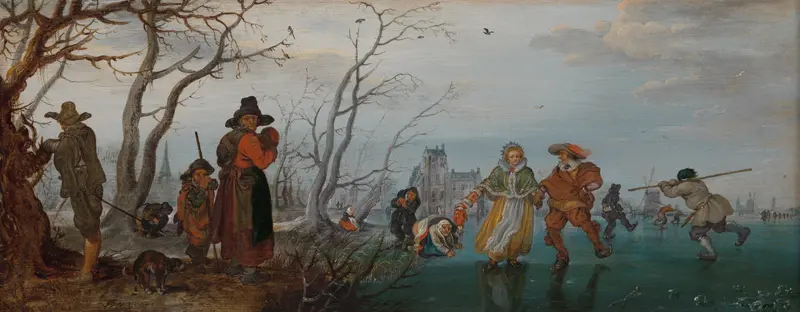
Winter
Adriaen Pietersz van de Venne

A Jeu de Paume Before a Country Palace
Adriaen Pietersz van de Venne
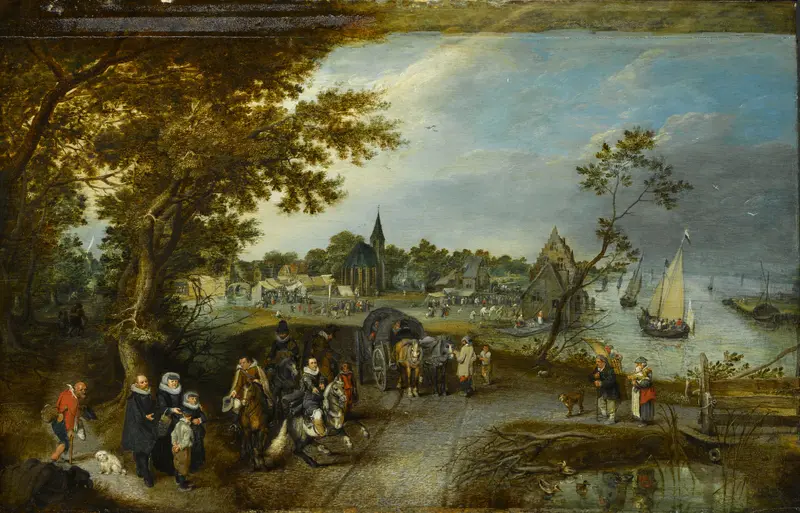
Landscape with Figures and a Village Fair (Village Kermesse)
Adriaen Pietersz van de Venne
More Genre Scene Art

Banquet of the Officers of the St George Civic Guard
Frans Hals

Rembrandt and Saskia in the Scene of the Prodigal Son
Rembrandt van Rijn

Bal du moulin de la Galette
Pierre-Auguste Renoir

Quadrille at the Moulin Rouge
Henri de Toulouse-Lautrec

A Burial at Ornans
Gustave Courbet

When Will You Marry?
Paul Gauguin