
Sketch for Rose and Silver: La Princesse du Pays de la Porcelaine — History & Facts
What first catches the eye is the sweep of silvery-grey brushwork, loose and searching, that both conceals and reveals a solitary figure poised in a dreamlike garden. The woman’s kimono, rendered with broad, almost calligraphic strokes, falls in soft folds to the floor, its pale surface interrupted by the vivid shock of a red sash. She holds a fan, its delicate form barely suggested, echoing the floating petals and blossoms that drift across the upper left.
The background fence, painted in vertical streaks of blue and white, sets her apart from the world, while the cool palette and dabs of coral hint at a quiet, private reverie. Even unfinished, the image draws the viewer into a moment suspended between cultures and centuries. Created between 1863 and 1864, this sketch belongs to a period when European artists were captivated by Japanese art and design, a fascination known as Japonisme. James McNeill Whistler was among those who looked eastward for inspiration, finding in Japanese prints and objects a new language of pattern, color, and composition.
Works like this—now in the Worcester Art Museum—were not grand commissions but intimate explorations, studies for larger visions, or private meditations on beauty and artifice. History has kept few traces of the journey this particular sketch has taken, but it stands as a testament to an era when artists sought to reinvent their world by borrowing the dreams of another. The longer you look, the more the painted surface itself seems to whisper about the restless curiosity of its time.
More Artworks by James McNeill Whistler
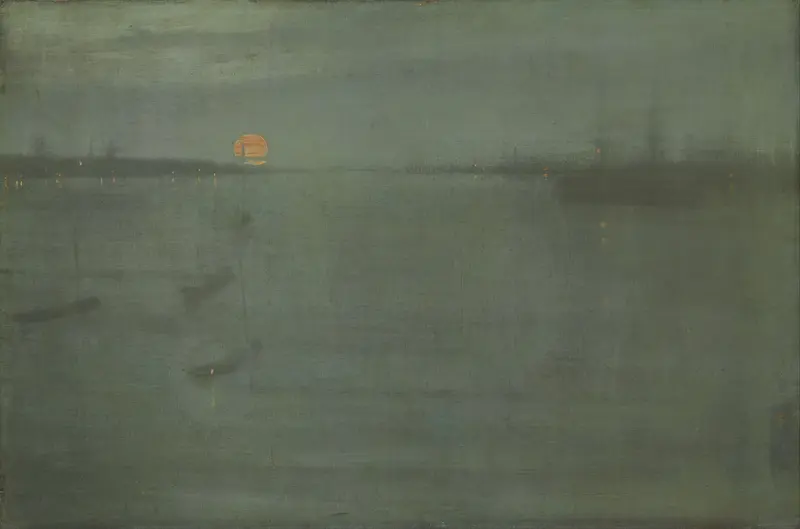
Nocturne: Blue and Gold—Southampton Water
James McNeill Whistler
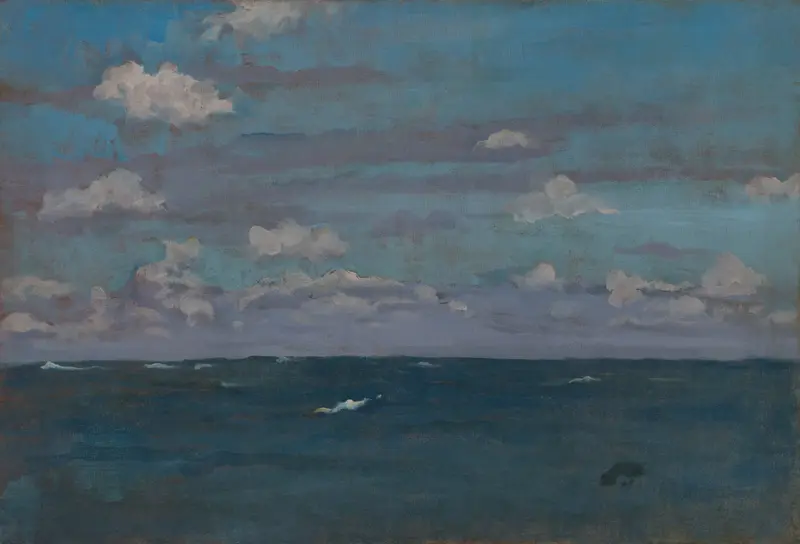
Violet and Silver—The Deep Sea
James McNeill Whistler
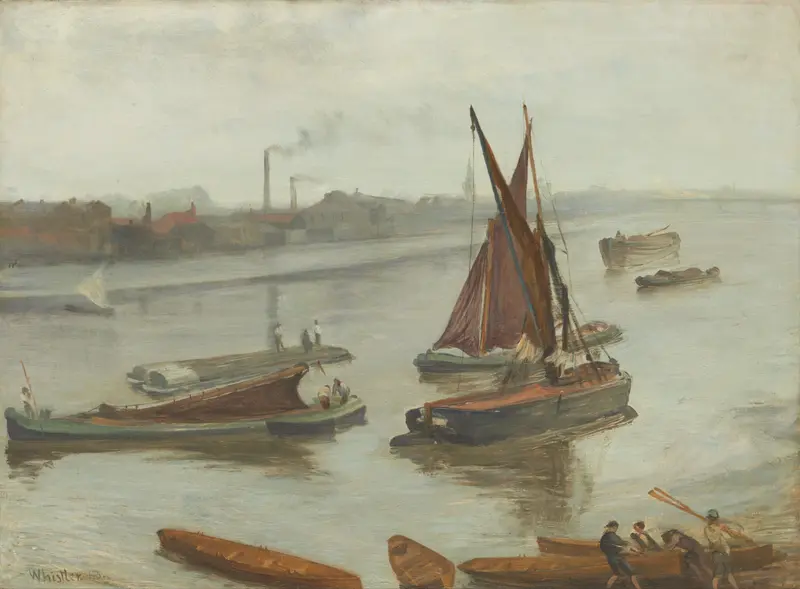
Grey and Silver: Old Battersea Reach
James McNeill Whistler
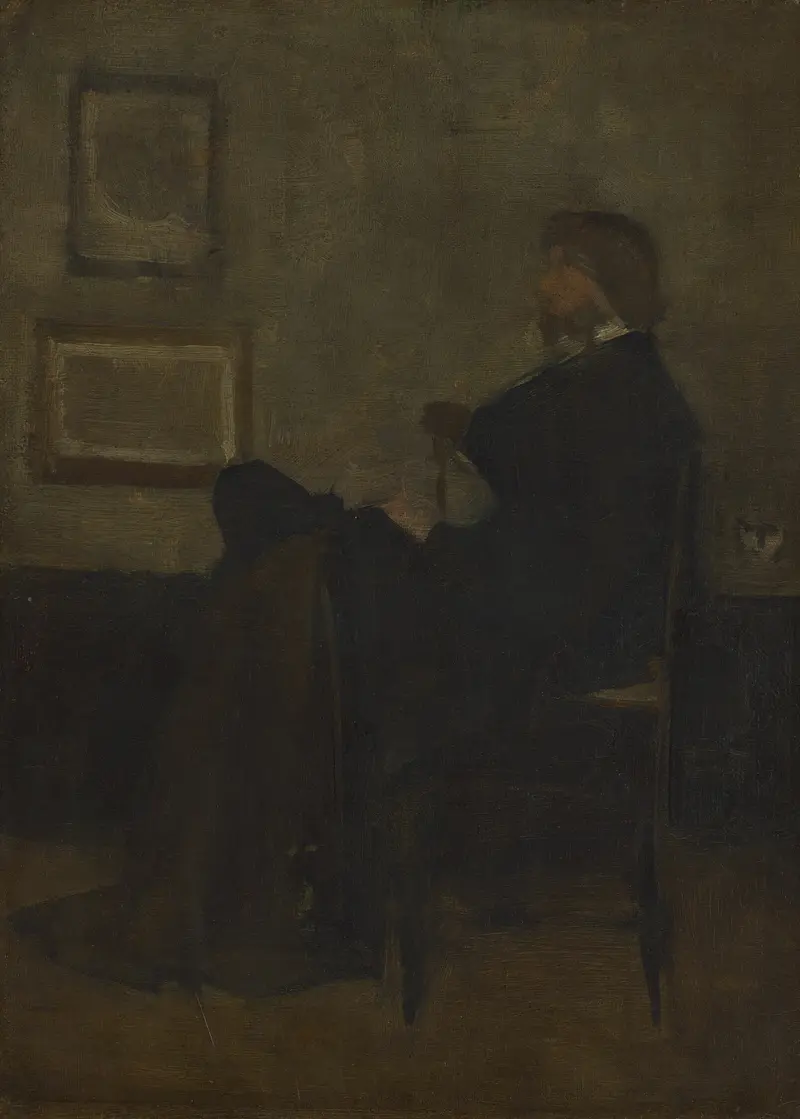
Study for "Arrangement in Grey and Black, No. 2: Portrait of Thomas Carlyle"
James McNeill Whistler
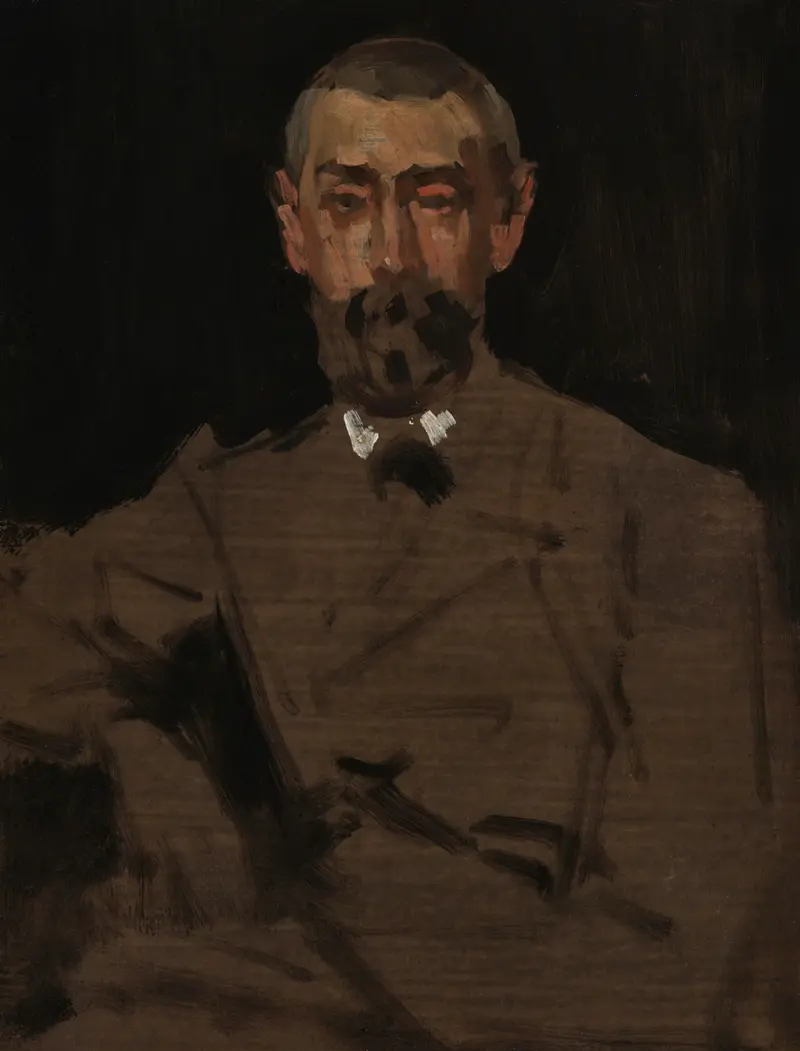
Portrait of M. R. Elden
James McNeill Whistler
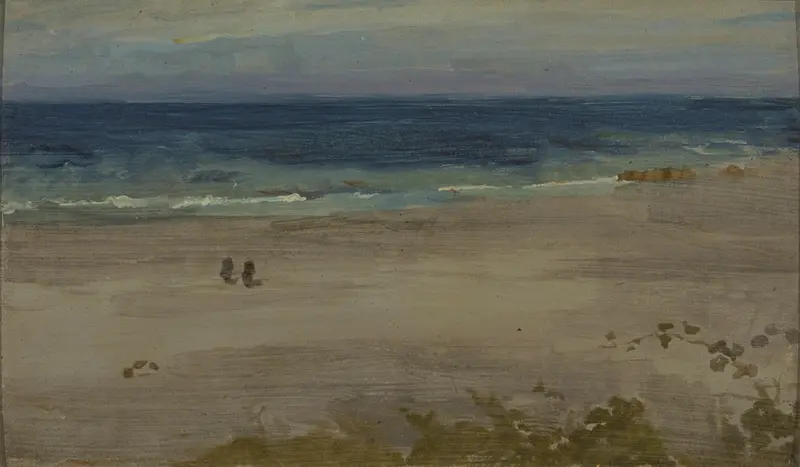
The Blue Sea
James McNeill Whistler
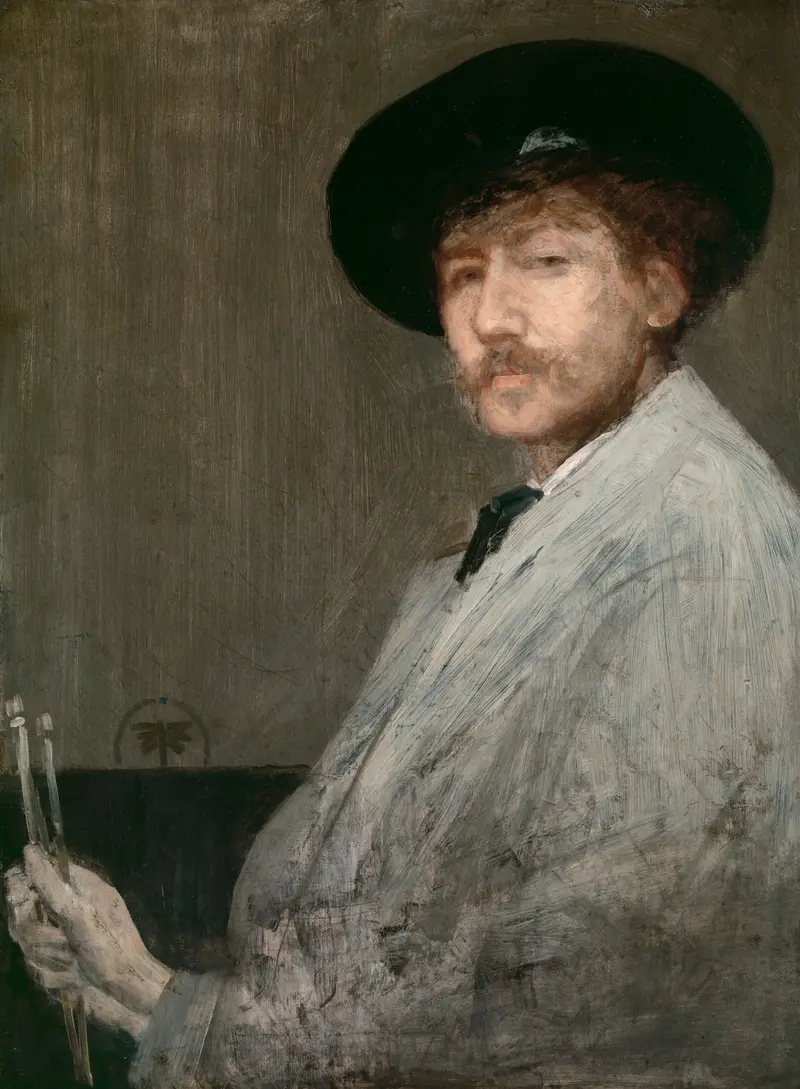
Arrangement in Gray: Portrait of the Painter
James McNeill Whistler
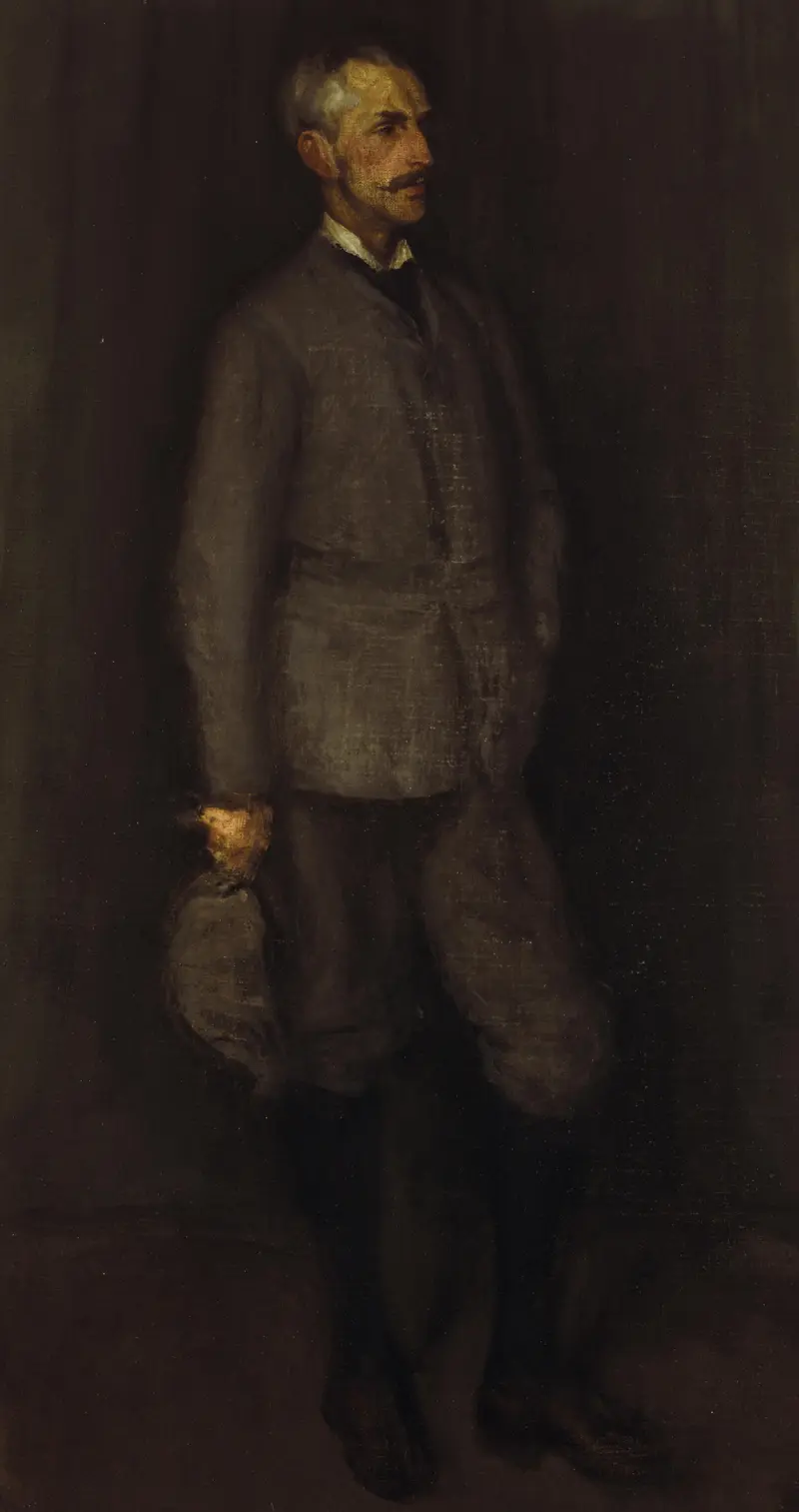
Arrangement in Grey and Green. Portrait of John James Cowan
James McNeill Whistler
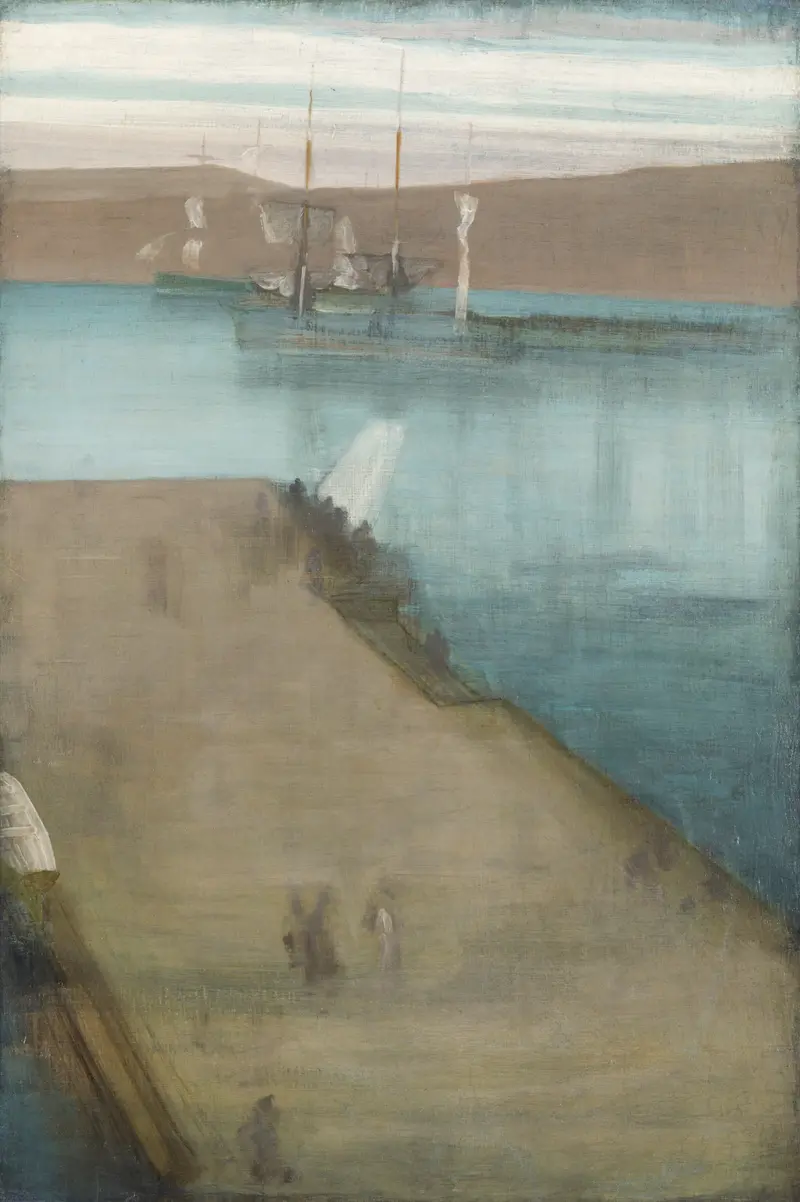
Valparaiso Harbor
James McNeill Whistler
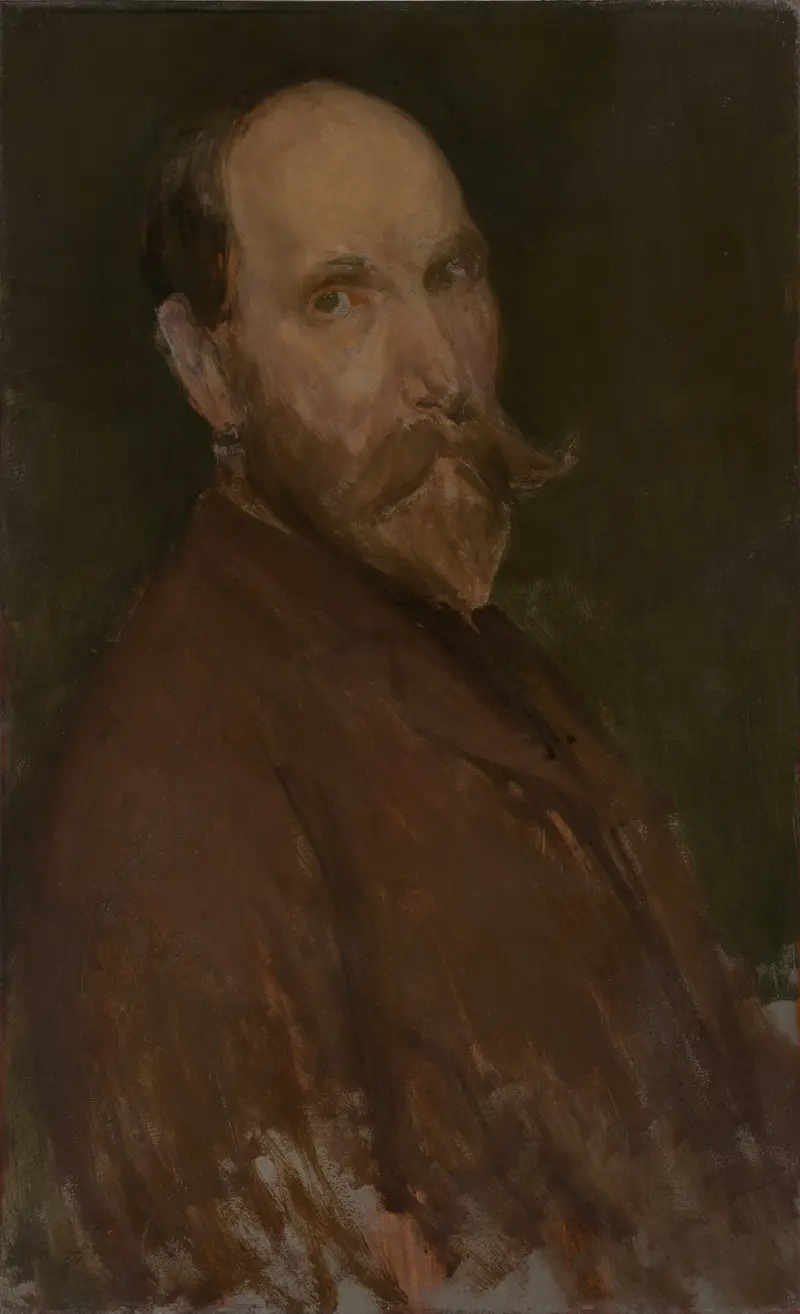
Charles Lang Freer
James McNeill Whistler



