
Slanec Castle — History & Facts
Can paint confess what words never could? In the chiaroscuro of Slanec Castle, shadows dance across the stone, whispering untold stories that linger just beyond the reach of language. Look to the left at the jagged outline of the castle, poised against a twilight sky that fades from deep indigo to a soft amber glow. The light spills over the stonework, highlighting the ancient textures and the weathered façade, inviting contemplation. Notice the interplay of light and shadow, a deliberate choice that adds an air of mystery, suggesting both grandeur and decay.
The composition, with its strong vertical lines, evokes a sense of strength and permanence, yet the soft edges of twilight remind us of the passage of time. Hidden within the shadows lie emotional contrasts—the sturdy castle, a symbol of resilience, juxtaposed against the ephemeral beauty of the encroaching night. This tension between the enduring structure and fleeting light reflects a broader narrative of human ambition versus nature's cycle. The soft hues evoke nostalgia, perhaps a longing for a time when the castle was alive with purpose, contrasting sharply with its present solitude and silence. In 1893, amidst the sweeping changes of the late 19th century, the artist was inspired by the rich history of the region and the Romantic movement's fascination with the sublime.
Working in Slovakia, he sought to capture not only the physical beauty of the landscape but also the emotional resonance of its ruins. This period was marked by a resurgence in national identity and heritage, themes that resonate profoundly in Čordák’s work.
More Artworks by Ľudovít Čordák
Browse all →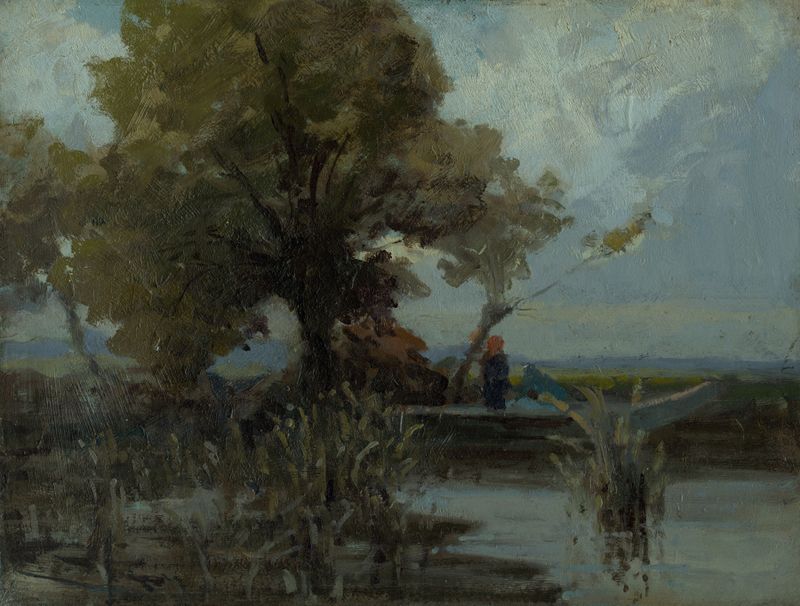
Košatý strom pri jazere
Ľudovít Čordák
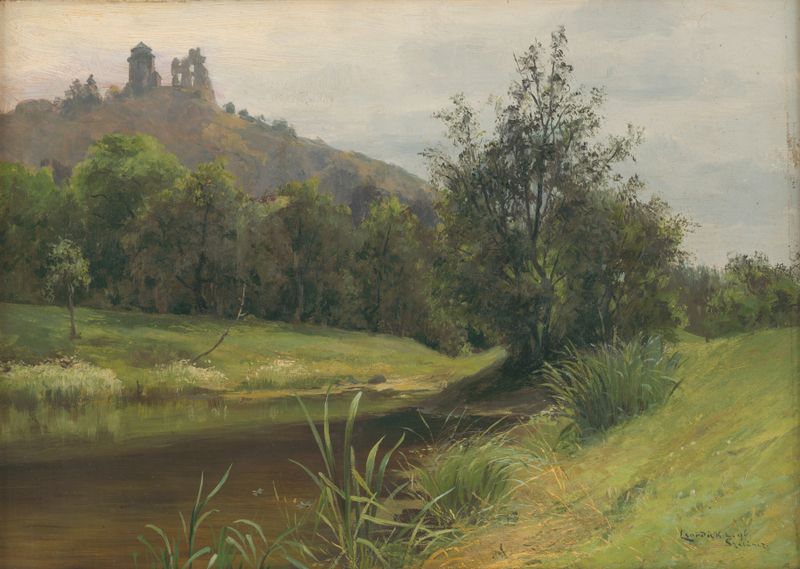
Močarina pod Slaneckým hradom
Ľudovít Čordák
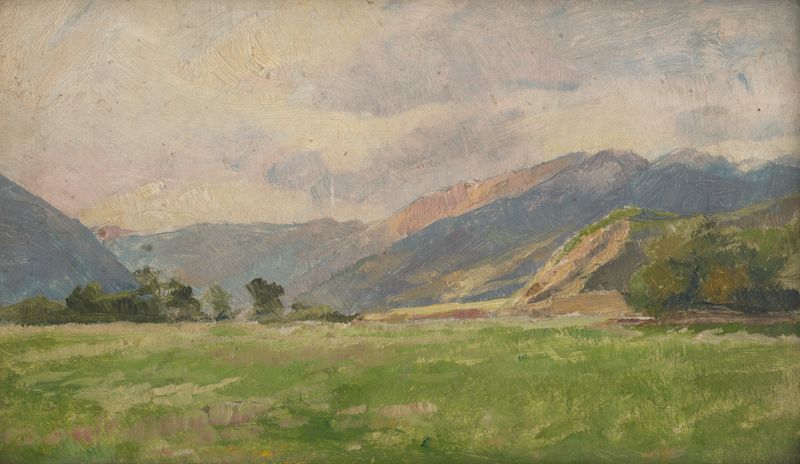
Mountain Meadow
Ľudovít Čordák
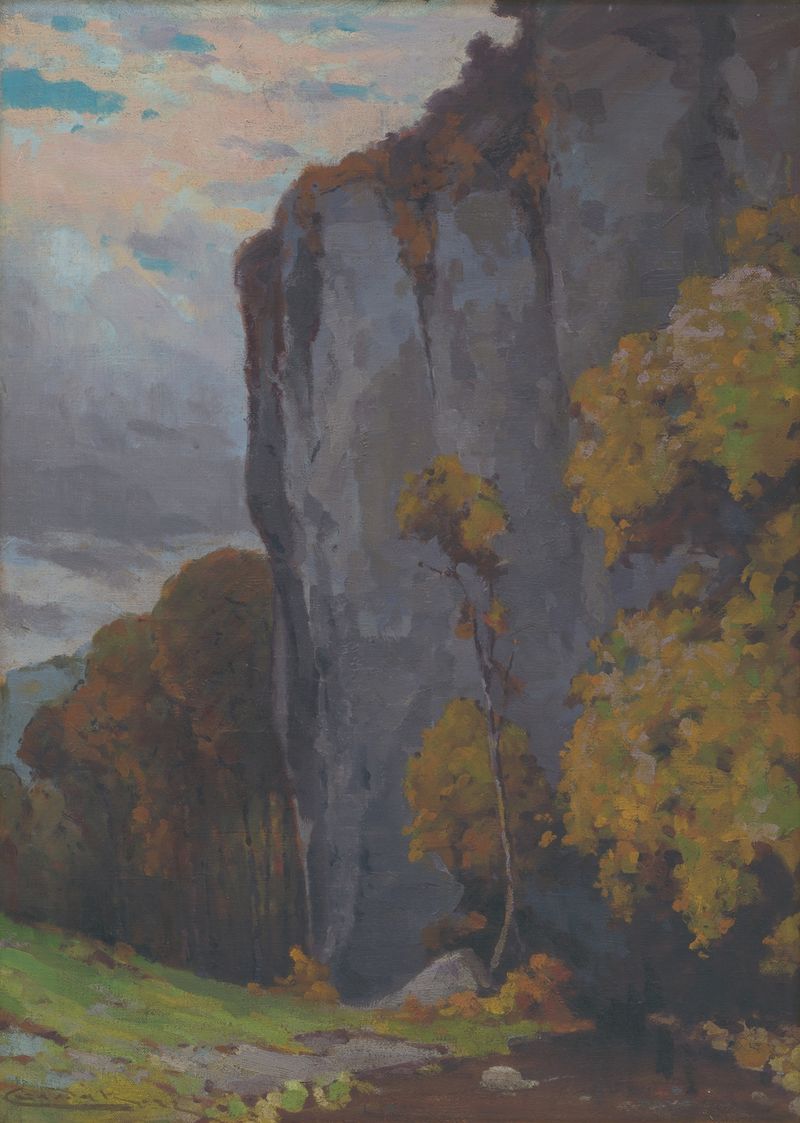
Zádiel
Ľudovít Čordák
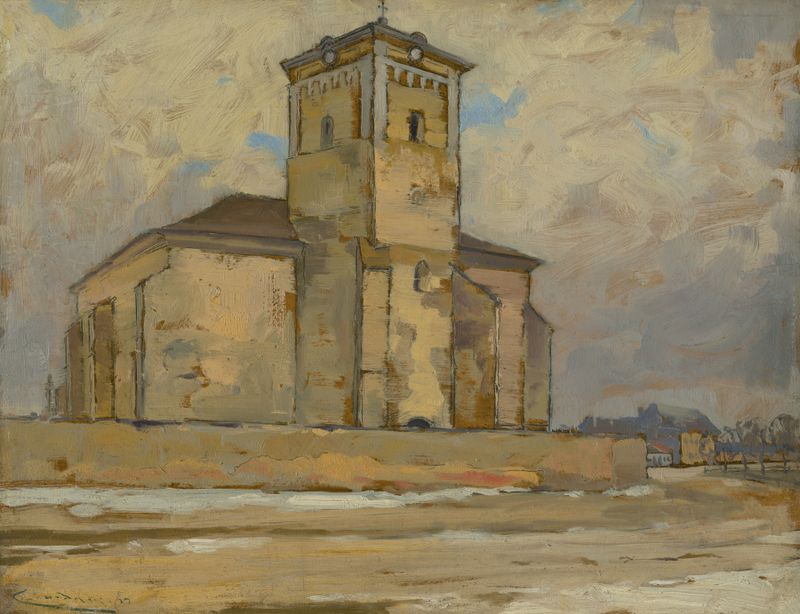
Church in Moldova
Ľudovít Čordák
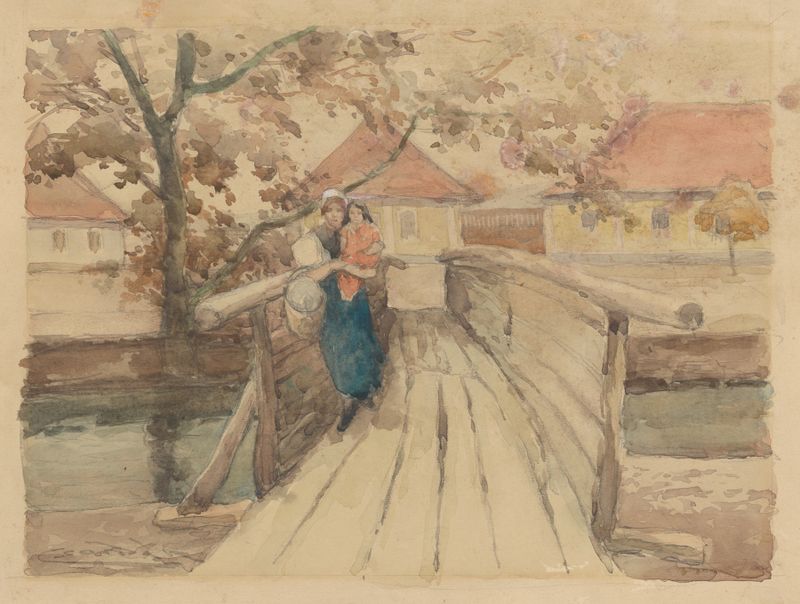
Wooden bridge
Ľudovít Čordák
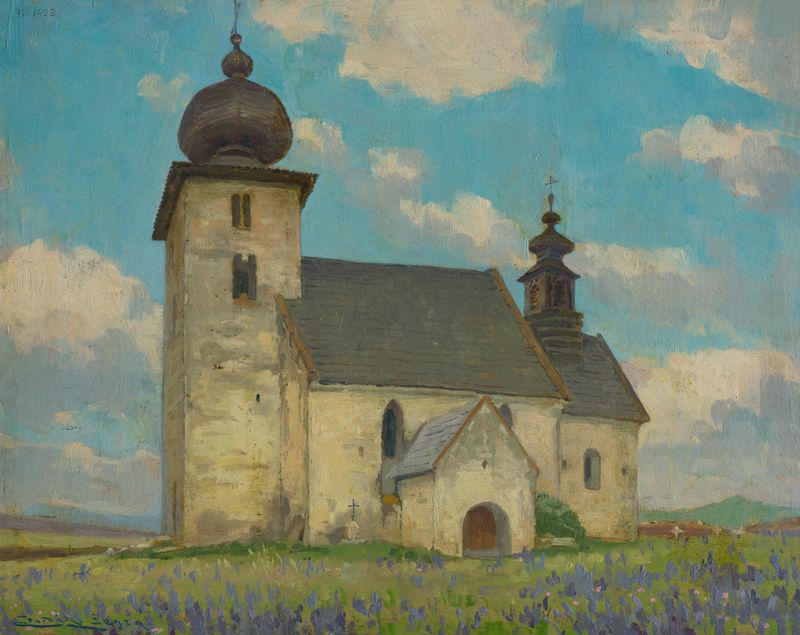
Gothic church in Žehra
Ľudovít Čordák
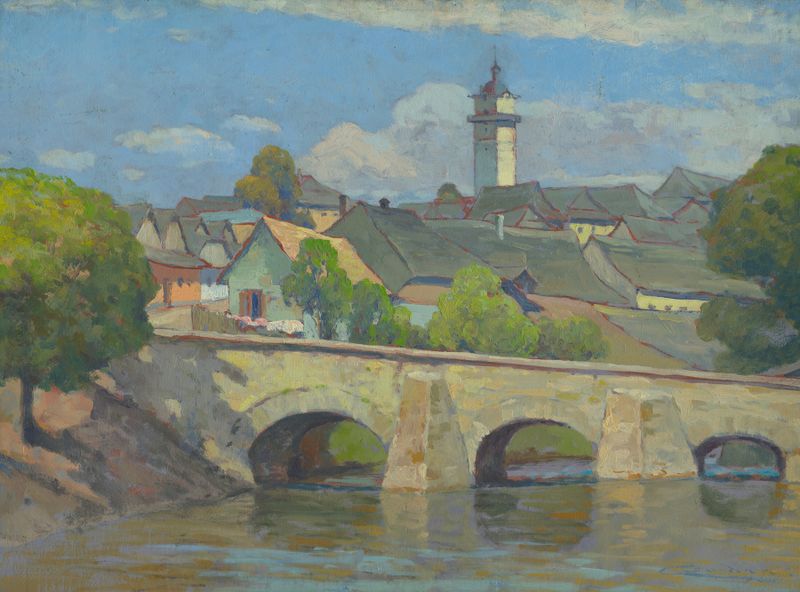
A small town in Spiš
Ľudovít Čordák
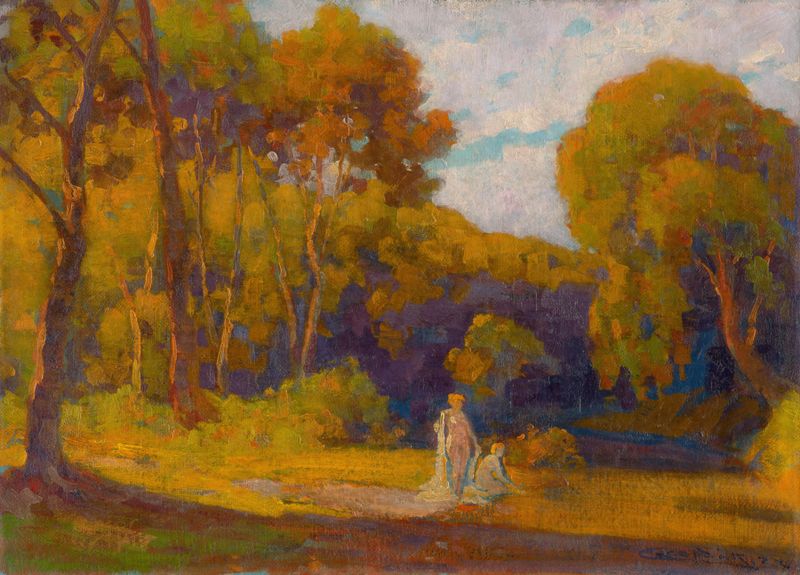
At Sunset
Ľudovít Čordák
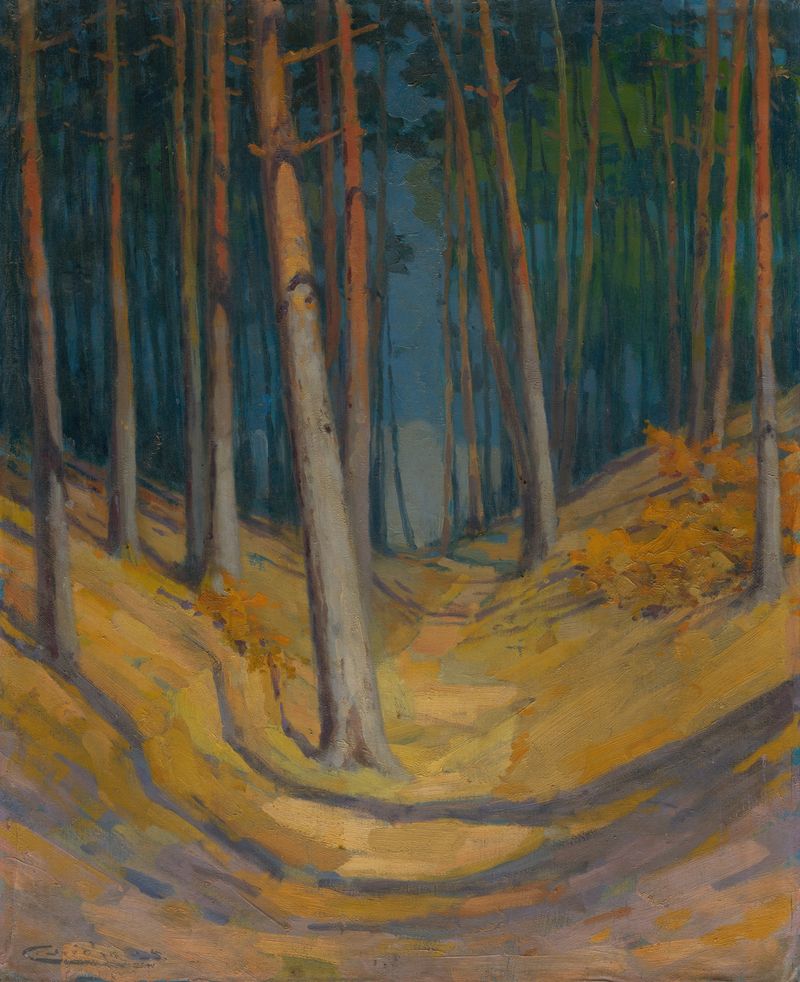
Forest
Ľudovít Čordák





