
Sluice in the Optevoz Valley — History & Facts
This transforming dance of color and light speaks to the quiet power of nature's reflection, an exploration of serenity amid tumult. Look to the center of the canvas, where the water glimmers like liquid glass, skillfully capturing the surrounding landscape. Notice how the rich greens and soft blues are harmoniously blended, inviting the eye to wander along the gentle outlines of the trees and the distant hills. The brushwork, both loose and deliberate, creates a rhythmic flow that guides you through the scene — from the serene waterway to the lush foliage framing it, revealing Daubigny’s mastery in depicting nature’s tranquility. Delve deeper into the artwork, and you'll uncover layers of meaning.
The stillness of the water contrasts sharply with the vibrant life surrounding it, symbolizing a moment of pause amidst life’s chaos. The reflections ripple gently, hinting at the intricacies of existence where beauty often hides beneath the surface. This interplay of light and shadow amplifies the emotional depth, suggesting an invitation to contemplate the transient nature of peace. In 1854, Daubigny painted this piece as he immersed himself in the idyllic landscapes of France, specifically the Optevoz Valley.
At this time, he was establishing his reputation within the Barbizon School, a movement that emphasized naturalism and simplicity. The world around him was evolving rapidly, yet he found solace and inspiration in the tranquility of his surroundings, capturing fleeting moments of beauty that resonate even today.
More Artworks by Charles François Daubigny
Browse all →
Bords de l’Oise
Charles François Daubigny
Bords de l’Oise
Charles François Daubigny
The Banks of the Oise
Charles François Daubigny
Les Bords De L’oise
Charles François Daubigny
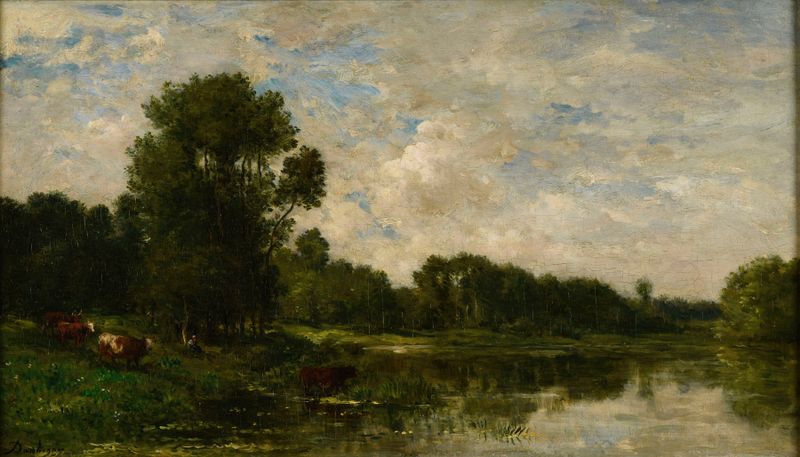
Bords de l’Oise
Charles François Daubigny
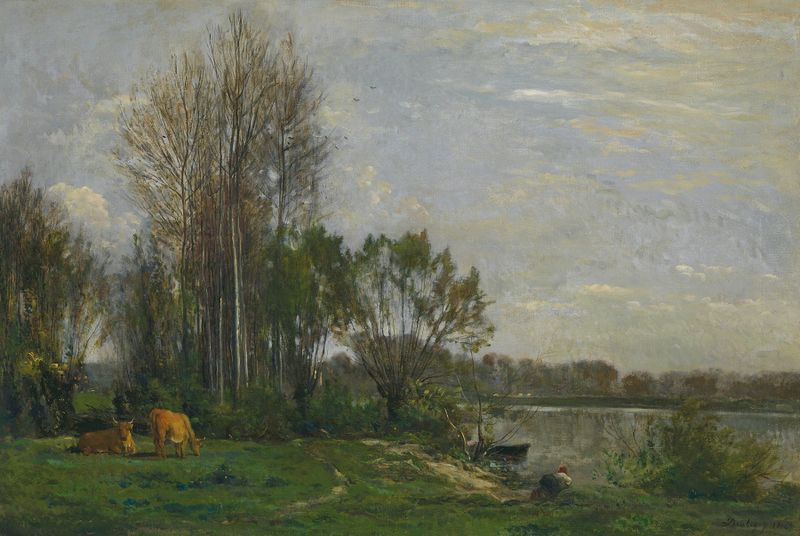
Les Bord De L’oise
Charles François Daubigny
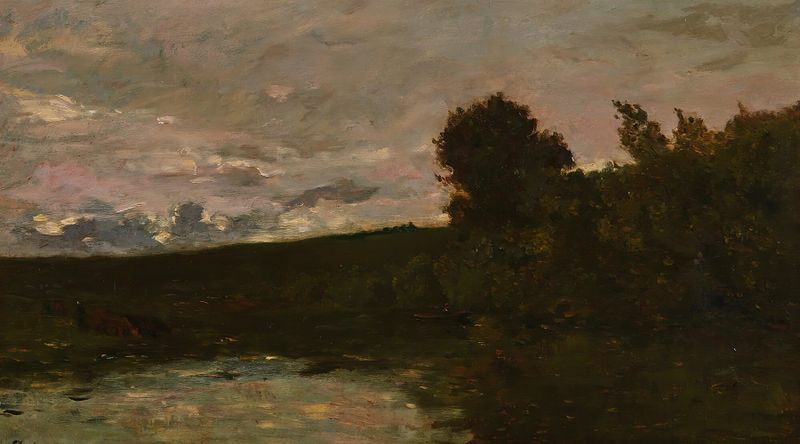
Bord De Riviére
Charles François Daubigny
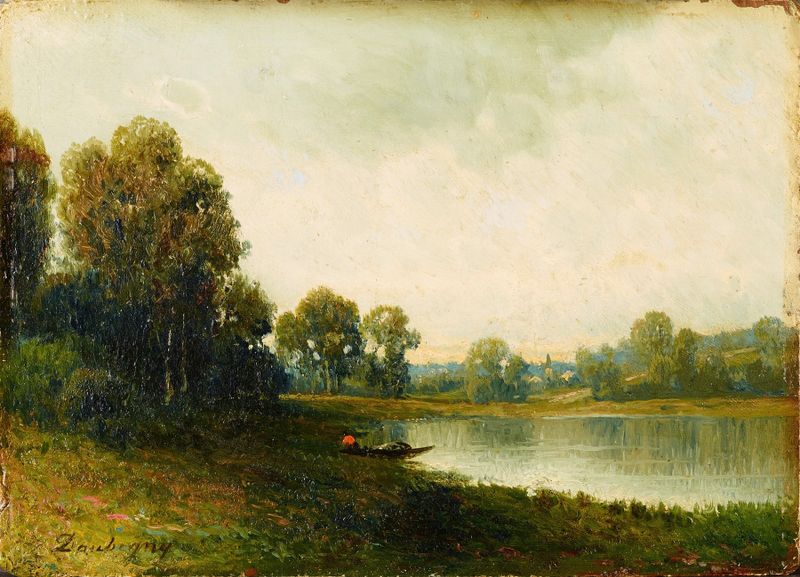
Landscape
Charles François Daubigny
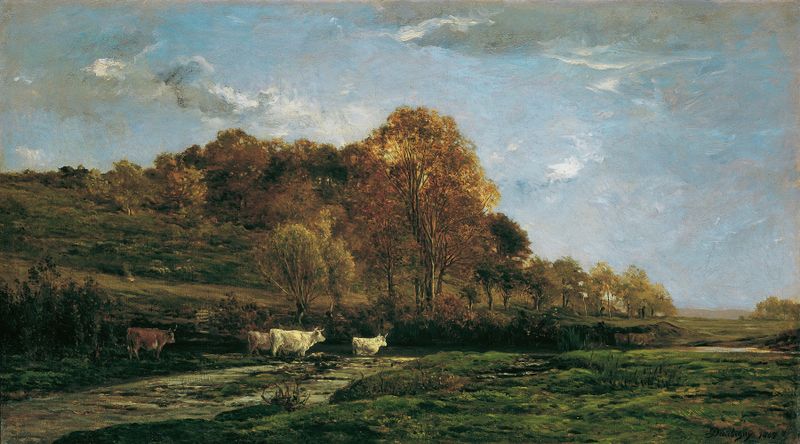
Herbstliche Aulandschaft Abendstimmung
Charles François Daubigny
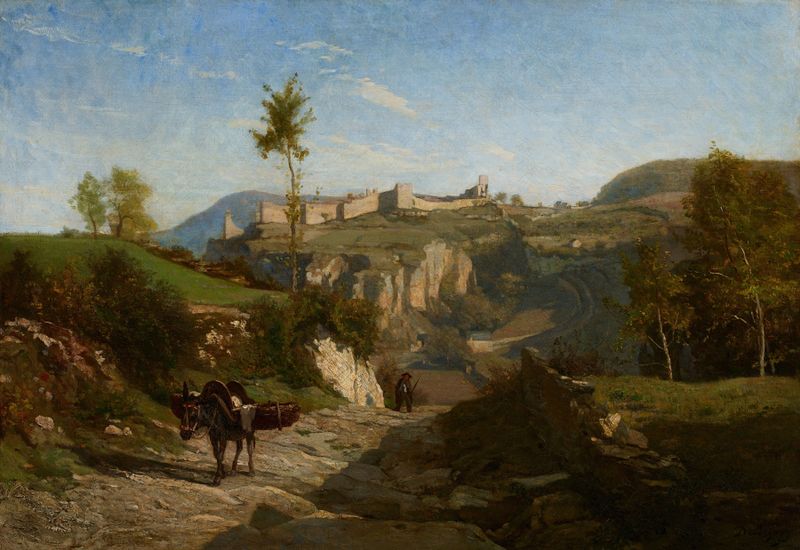
Landscape near Crémieu
Charles François Daubigny





